Year: 1960
Runtime: 85 mins
Language: French
Director: François Truffaut
Directed by François Truffaut, the film follows Charlie, a former classical pianist now performing jazz in a seedy Paris bar under a new name. When his brothers Richard and Chico, on the run from gangsters they swindled, seek his aid, he helps them escape. Soon Charlie and Lena, a bar waitress, must confront the gangsters hunting his siblings.
Warning: spoilers below!
Haven’t seen Shoot the Piano Player yet? This summary contains major spoilers. Bookmark the page, watch the movie, and come back for the full breakdown. If you're ready, scroll on and relive the story!
Read the complete plot breakdown of Shoot the Piano Player (1960), including all key story events, major twists, and the ending explained in detail. Discover what really happened, and what it all means.
Last updated: March 05, 2026 at 18:41
Explore frequently asked questions about Shoot the Piano Player (1960) with spoiler-rich answers covering the full plot summary, major story beats, character motivations, hidden details, and ending meaning. This movie summary FAQ helps explain confusing scenes, plot twists, and narrative decisions in clear, searchable detail.
After his lover Therese confesses that his concert pianist career was built on an affair with a powerful agent, Edouard is devastated and unable to respond. Therese kills herself soon after, leaving him grief-stricken. He abandons his old life, adopts the name Charlie Kolner, and begins performing jazz at Plyne's bar in Paris, creating a double life that allows him to escape his painful past.
Charlie's two older brothers Richard and Chico stole loot from dangerous gangsters, but when they go on the run, they seek help from Charlie. The gangsters trace the brothers to Charlie, believing he may know their whereabouts or could lead them to the stolen money. This makes Charlie a target even though he had no involvement in the original theft.
When the gangsters abduct both Charlie and Léna, Léna uses quick thinking to create an opportunity for escape. Her resourcefulness allows them to flee from their captors, demonstrating both her intelligence and her commitment to Charlie despite the danger this puts her in.
Plyne, the bar owner, is jealous of Charlie because he covets Léna, the waitress. When Charlie's life becomes intertwined with the gangsters and his luck with women becomes apparent, Plyne's resentment grows. He reveals information that allows the gangsters to trace Charlie and his little brother Fido, motivated by jealousy rather than fear.
During a confrontation at Plyne's bar, the situation escalates violently. Charlie unintentionally kills Plyne in the chaos, an act that was not premeditated but occurred during the chaotic struggle. This accidental killing triggers an even wider conflict with the gangsters and forces Charlie deeper into the criminal world.
After smuggling Charlie out of Paris to the mountain hideout, Léna stays with him as the gangsters arrive with Fido. During the shoot-out that follows, Léna is killed. Her sacrifice represents the tragic culmination of her love for Charlie, as she chooses to stand by him despite knowing the danger, ultimately paying with her life.
The gangsters abduct Fido, Charlie's little brother, and pressure him into revealing the location of their mountain hideout. Fido gives up the location under duress, not out of betrayal but because he is coerced and likely fears for his safety. This information allows the gangsters to find Charlie and Léna.
Despite living a reclusive life under a new identity, Charlie chooses to help his brothers Richard and Chico when they come to him on the run from gangsters. This shows that despite his withdrawn state, family bonds remain important to him. Helping them triggers the chain of events that brings the criminal underworld back into his life.
Léna, the waitress at Plyne's bar, begins falling in love with Charlie even as she secretly suspects his true identity is not what he presents. Her feelings are complicated by the danger surrounding him, but she is drawn to the mystery and depth beneath his surface. Their relationship deepens after they share an intimate moment following their escape from the gangsters.
After abandoning his concert career following Therese's suicide, Charlie chooses to perform jazz under his new name at Plyne's bar. This shift represents both his break from his past identity and his new existence in the shadows of Paris. Jazz, as a more improvisational and underground music style, suits his new anonymous and melancholy lifestyle.
Therese confesses to Edouard that her affair with a top agent was what truly built his successful career as a concert pianist. This revelation destroys the foundation of his identity and achievement. Her confession and subsequent suicide suggest overwhelming guilt and the impossibility of maintaining the lie any longer.
Plyne, the bar owner, resents Charlie's apparent luck with women, particularly his relationship with Léna, whom Plyne himself covets. This jealousy fuels Plyne's willingness to help the gangsters find Charlie, as he sees an opportunity to remove Charlie from the picture even if it means cooperating with dangerous criminals.
Discover curated groups of movies connected by mood, themes, and story style. Browse collections built around emotion, atmosphere, and narrative focus to easily find films that match what you feel like watching right now.
A doomed love story set against a gritty, criminal underworld.Explore movies like Shoot the Piano Player that weave a tragic love story into a gritty crime narrative. These films feature characters haunted by their past, set in atmospheric underworlds, and often end on a poignant or sorrowful note.
The narrative typically follows a disillusioned protagonist, often in hiding or living a diminished life, who is drawn into a dangerous situation through criminal elements. A fragile romantic connection offers a glimmer of hope, but the surrounding violence and their own traumatic past ultimately lead to a devastating conclusion for the relationship.
These films are grouped by their unique blend of a melancholic tone, a central tragic romance, and a gritty crime plot. They share a steady, character-driven pacing that allows the emotional weight of the story to build, culminating in an ending that is almost always sad or bleak.
Character studies of flawed men whose attempts at redemption are thwarted by fate.Find films similar to Shoot the Piano Player about men trying to outrun their criminal past. These art house influenced stories explore themes of failed redemption, identity crisis, and the inescapable pull of one's history, often with a slow, reflective pace.
The story arc follows a protagonist who has adopted a new, low-profile identity to hide from a criminal or traumatic past. The plot is triggered when figures from that past resurface, shattering their fragile peace. The narrative is less about the crime itself and more about the character's internal struggle, typically ending without a clean redemption or escape.
These movies are connected by their focus on the 'redemption gone wrong' archetype, a melancholic and reflective tone, and a steady pacing that prioritizes character psychology over action. They often feature an art house sensibility, exploring heavy themes like guilt, loss, and the impossibility of truly escaping one's past.
Don't stop at just watching - explore Shoot the Piano Player in full detail. From the complete plot summary and scene-by-scene timeline to character breakdowns, thematic analysis, and a deep dive into the ending - every page helps you truly understand what Shoot the Piano Player is all about. Plus, discover what's next after the movie.
Track the full timeline of Shoot the Piano Player with every major event arranged chronologically. Perfect for decoding non-linear storytelling, flashbacks, or parallel narratives with a clear scene-by-scene breakdown.
Discover movies like Shoot the Piano Player that share similar genres, themes, and storytelling elements. Whether you’re drawn to the atmosphere, character arcs, or plot structure, these curated recommendations will help you explore more films you’ll love.
Shoot the Piano Player (1960) Scene-by-Scene Movie Timeline
Shoot the Piano Player (1960) Movie Characters, Themes & Settings
Shoot the Piano Player (1960) Spoiler-Free Summary & Key Flow
Movies Like Shoot the Piano Player – Similar Titles You’ll Enjoy
The Beat That My Heart Skipped (2005) Detailed Story Recap
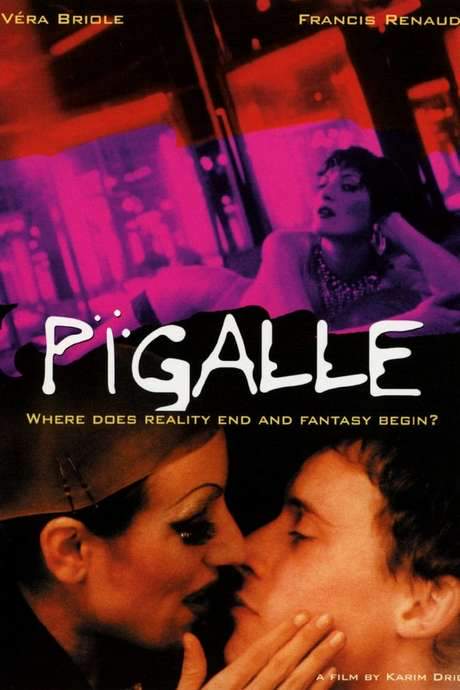
Paris Pigalle (2018) Story Summary & Characters
Shooting Gallery (2005) Full Summary & Key Details
Le Pont du Nord (1981) Ending Explained & Film Insights
Shot Pattern (1982) Full Summary & Key Details
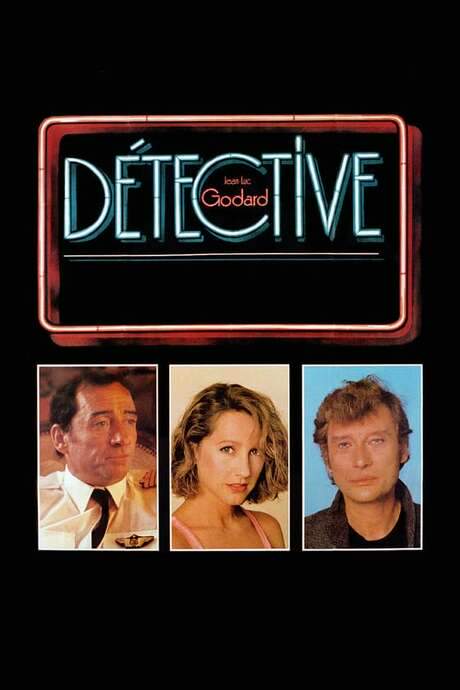
Detective (1985) Full Summary & Key Details
Police (1985) Plot Summary & Ending Explained
Death in a French Garden (1985) Detailed Story Recap
The Thief of Paris (1967) Film Overview & Timeline
Charlie Chan in Paris (1935) Complete Plot Breakdown
Pierrot le Fou (1965) Spoiler-Packed Plot Recap
Hôtel du Nord (1938) Full Movie Breakdown
Paris Belongs to Us (1961) Plot Summary & Ending Explained
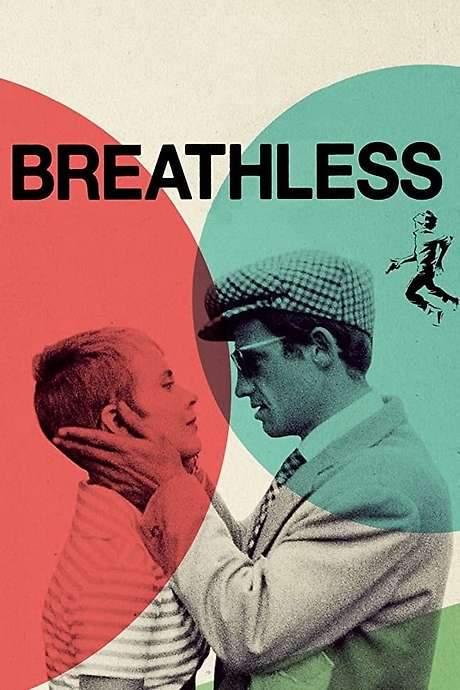
Breathless (1960) Full Summary & Key Details
Pigalle (1994) Ending Explained & Film Insights