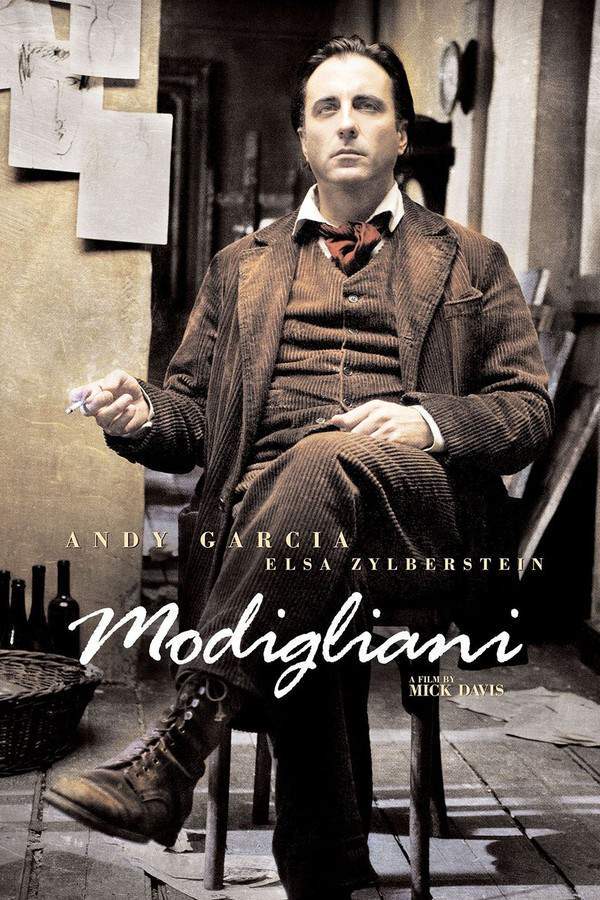
In Paris, the artist Modigliani, known as Modi, drifts through a bohemian existence where painting is as much a ritual as a profession. He drinks heavily and spends many nights in smoky rooms, sleeping with the alluring writer Beatrice while he sketches and paints, though his canvases rarely find buyers. The city hums with a restless energy that matches his fragile health, and his days slip by in a haze of cigarettes, coffee, and scattered strokes on canvas. Then comes a turning point: he meets a beautiful young art student named Jeanne Jeanne Candel, and a new, tender pull enters his life. Their bond deepens quickly, even as Jeanne’s guarded family tries to shield her from Modi’s stormy world. Modi’s circle—especially the Zborowskis, who swing in and out of his orbit—tries to keep him afloat, but the singer’s breath of life grows fainter with every passing day.
When Modi returns to Paris, the Zborowskis arrange a solo show in the prestigious gallery of Madame Weill, a moment meant to crown his star. The atmosphere is celebratory on the surface—free drinks flow, friends mingle, and the room buzzes with the aura of artistic potential. Yet the economics of fame bite hard: nobody buys. In the wake of complaints, the police remove a nude from the window, and a cold, calculating dealer named Morel explains the cruel calculus of art markets—that Modi’s death might finally unlock the price of his work. The Zborowskis press on, finding an American millionaire who expresses real interest in Modi’s canvases, canvases that will later be revered worldwide. But the offer comes with a chilling condition: the blue-eyed image of Jeanne would be used to advertise the prize. Modi recoils, repelled by the idea that beauty should be commercialized in such a way, and he walks away from the bargain with a quiet, stubborn dignity.
Despondent over his struggle to fuse the pursuit of beauty in paintings of Beatrice and Jeanne with any lasting commercial reality, Modi wanders cafes, trying and failing to sell drawings that feel true to his heart. His strength drains away, and he collapses in the street. He is taken to a hospital, where he dies alone, leaving a room full of half-finished dreams and the weight of what might have been. Morel comes and goes in the shadows of this tragedy, purchasing up all the unsold works for immediate cash, a stark reminder of how the market consumes even the quietest, most intimate truths of an artist’s life. In the end, the world moves on, but Modi’s fragile brilliance lingers in every line of his canvases, a testament to a life spent chasing beauty amid the noise of a fickle world.