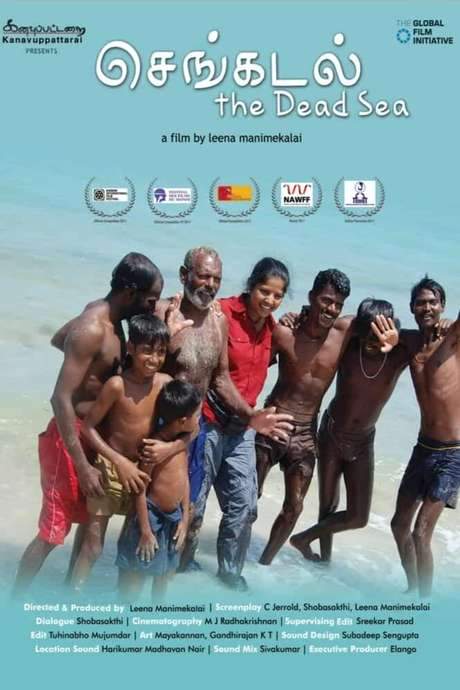
Across the Indian mainland, a ceaseless tide of Tamil refugees from Sri Lanka arrives across the waters, carrying the weight of dispossessed lands and emptied gods as they press toward an uncertain future where the dream of return grows ever fainter. In the border town of Dhanushkodi, history begins to brew this hard, quiet concoction of defeated lives and exhausted dreams, where hope feels like a grand word and resistance a tense, worn-out gesture. Three decades of struggle for a nation seems to wash away, leaving heroic images turned to dust, bunkers stained with old wounds, and smoke rising from heaps of putrid flesh as unseen lives rot within barbed-wire confines that resemble human zoos. The misery spills over to the Indian shore, and the sea itself becomes a shared memory of home.
Every morning, boats push back into the water even as fear and ignorance mingle with the lines between friend and foe in these tangled waters, where fishermen navigate a world that feels both theirs and not theirs. The sea is their motherland, and the language of fish their mother tongue, a thread of continuity that sustains them amid chaos. Within this maelstrom stand three central figures: Manimekalai, the filmmaker; Munusamy, a steadfast fisherman; and Rosemary, a social worker with Jesuit Refugee Services. Their daily encounters with the living and the dying among the refugees, their uneasy skirmishes with Indian and Sri Lankan authorities, and their own lives upended by external events form the quiet core of the story, giving shape to a broader history through intimate, human moments.
Soori, a half-wit Sri Lankan Tamil who connects to the wider world only through his radio, stands apart in this bleak landscape, puncturing the shadowed corridors of History with sudden jolts of truth. His presence—and his eventual disappearance—casts a sharp lens on the fragility of memory and voice in a place where allegiance is torn between nations and the fragility of individual fate. Meanwhile, the world around them presses on, and the pressures of the state push Manimekalai to bend toward the demands of civil obedience, a force that tests creativity, loyalty, and resolve.
Tragedy threads through the neighbors’ lives as Munusamy is killed, a blow that underlines the peril embedded in daily survival. Rosemary, grappling with heartbreak and scrutiny, turns toward her God—the same God who, in ancient stories, parted the Red Sea to guide a fleeing people—seeking shelter or meaning amid a landscape of loss and confusion. In this imperfect, aching tapestry, the film anchors itself in the stubborn endurance of people who refuse to surrender to an inexhaustible history, choosing instead to listen for voices of humanity amid the wreckage and keep moving toward a horizon that remains stubbornly just out of reach.