Plot Explained Spoilers guaranteed!
Plot Explained

Browse by genre

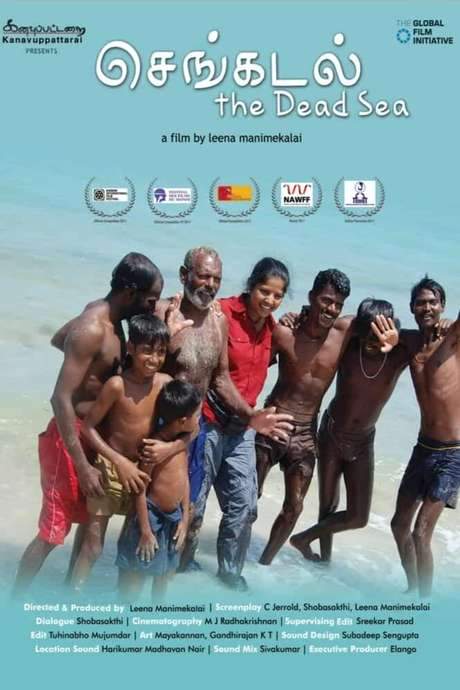
Sengadal (2011) movie poster

Timeline

Sengadal (2011) Timeline Explained – Every Event in Order

Release, runtime and language
2011 · 100 mins · Tamil
Starring
Antonythasan Jesuthasan, Rose Mary, S. Nimal, M. Munusamy, Leena Manimekalai

Dhanushkodi, the Indo‑Sri Lankan border town, becomes a crucible for defeated lives and exhausted dreams. Filmmaker Manimekalai, Soori—a half‑wit Sri Lankan Tamil refugee, fisherman Munusamy, and social worker Rosemary of Jesuit Christian Refugee Services struggle to keep their sanity amid a chaotic mix of living and dead refugees, clashes with Indian and Sri Lankan authorities, and personal turmoil driving the narrative.

On this page (4)
  1. 1 Events in order (12)
  2. 2 Timeline questions answered
  3. 3 Movie threads
  4. 4 Every angle

12 events in order · contains spoilers

Sengadal Timeline: Events in Chronological Order

Every key event of Sengadal (2011) in order, scene by scene, with when and where it takes place. Use it to untangle flashbacks, time jumps and parallel storylines, to refresh your memory before the sequel or to find the exact scene you are thinking of.

  1. Refugees arrive by sea to Dhanushkodi

    Across the mainland, Tamil refugees from Sri Lanka arrive by water, bearing the weight of dispossessed lands and emptied gods. The border town of Dhanushkodi becomes a quiet crucible where hope and fear collide. This influx marks the film's emotional and historical outset, setting the stage for a long, difficult reckoning.

    When
    Early days
    Where
    Dhanushkodi
  2. Three central figures establish their roles

    Manimekalai the filmmaker, Munusamy the steadfast fisherman, and Rosemary the Jesuit Refugee Services worker become the film's intimate core. Their daily encounters with refugees and with wary authorities reveal the strain of living between two nations. The trio anchors the narrative with personal stakes and moral questions.

    When
    Initial days
    Where
    Dhanushkodi
  3. The sea as motherland and language

    Every morning boats push back into the water, and fear weaves with resilience along the shore. The sea is both home and boundary, a source of continuity in a world of chaos. Fishermen navigate a life that feels at once theirs and not theirs, bound to water and memory.

    When
    Morning routine
    Where
    Coast/Sea near Dhanushkodi
  4. Soori and the voice from afar

    Soori, a half-wit Sri Lankan Tamil, connects to the wider world only through his radio. His broadcasts puncture the silence with fragments of distant life and truth, challenging the official narratives around him. His presence reveals the fragility of memory and voice in a tense landscape, and foreshadows the fragility of life itself.

    When
    Ongoing
    Where
    Soori's radio station/spot on the coast
  5. Pressures push art toward obedience

    The state pressures Manimekalai to bend toward civil obedience, challenging her creative autonomy. The demand to conform threatens the integrity of her work and her loyalty to those she films. This tension turns filmmaking into a subtle act of resistance in a fragile political climate.

    When
    As authorities tighten control
    Where
    Border town/ filming sites
  6. Tragedy strikes Munusamy

    Munusamy, the steadfast fisherman, is killed, a brutal reminder of the daily peril of survival in this setting. The community mourns as violence invades ordinary life. His death underscores the high cost of resilience in a landscape scarred by conflict.

    When
    Mid-to-late developments
    Where
    Coastal community near Dhanushkodi
  7. Rosemary seeks shelter in faith

    Rosemary grapples with heartbreak and mounting scrutiny from authorities, turning toward her faith for shelter and meaning. She prays to the God who parted the Red Sea, seeking guidance amid loss and confusion. Her spiritual turn highlights the personal solace people find when external chaos presses in.

    When
    After tragedy
    Where
    Rosemary's space/church
  8. Soori disappears, memory unsettled

    Soori vanishes, leaving only the faint echo of his radio voice behind. His disappearance sharpens the sense of memory's fragility and the peril of voicing truth in a place under watch. The event deepens the film's meditation on who gets remembered and who is silenced.

    When
    Later
    Where
    Various locations along the border
  9. The sea remains a shared memory of home

    Despite the turmoil, the sea endures as a shared memory of home for people on both sides of the water. The waves and tides symbolize continuity and a collective past that transcends political divisions. It becomes a recurring motif of belonging and loss.

    When
    Ongoing
    Where
    Along the sea border
  10. Barbed-wire confines and human zoos

    The living conditions around refugee camps and checkpoints resemble human zoos, a stark image of control and containment. The barbed wire marks a physical and symbolic barrier to freedom. In this setting, dignity is continually negotiated under surveillance.

    When
    Ongoing
    Where
    Refugee camps/border checkpoints
  11. Three decades of struggle fade into memory

    Three decades of struggle for a nation seem to wash away, leaving heroic images turned to dust and old wounds on every face. The dream of return grows fainter as reality hardens around the refugees. The history here feels heavy, yet still resists erasure.

    When
    Three decades
    Where
    Regional borderlands
  12. Endurance and a horizon just out of reach

    The people refuse to surrender to an inexhaustible history, choosing to listen for voices of humanity amid the wreckage. They keep moving toward a horizon that remains stubbornly out of reach. The film closes on a note of stubborn resilience and quiet hope.

    When
    Final act
    Where
    Across the shorelines and camps

Last updated: October 03, 2025 at 06:47

Was this helpful?

Timeline questions answered

Sengadal Timeline Explained: Your Questions Answered

When does it happen, and why in that order? The questions people ask about the chronology of Sengadal (2011): time jumps, flashbacks, cause and effect between scenes and the correct order of events, each answered with spoilers.

Q1

Why does Soori disappear in Sengadal?

Soori vanishes from Dhanushkodi, leaving only the faint echo of his radio voice behind. His disappearance represents the fragility of memory and voice in a place where allegiance is torn between nations. As a half-wit who only connects to the wider world through his radio broadcasts, his removal highlights the peril of voicing truth in a tense border landscape under constant surveillance.

Foreshadowing: The foreshadowing is present in Soori's ongoing broadcasts that puncture official narratives, showing his vulnerability from the start.

  • soori
  • disappearance
  • radio
  • border
  • silence
Q2

Why is Munusamy killed in the film?

Munusamy, the steadfast fisherman, is killed as a brutal reminder of the daily peril embedded in survival along the contested waters. His death underscores the high cost of resilience in a landscape scarred by conflict between Indian and Sri Lankan authorities. The tragedy strikes suddenly, showing how violence invades ordinary life even for those simply trying to navigate their daily routine.

Foreshadowing: Earlier moments establish the dangerous waters where fear and ignorance mingle with blurred lines between friend and foe.

  • munusamy
  • death
  • fisherman
  • killed
  • border
  • violence
Q3

Why does Rosemary turn to her faith after Munusamy's death?

Rosemary turns toward her God seeking shelter and meaning amid overwhelming loss and confusion. Grappling with heartbreak and mounting scrutiny from authorities, she prays to the same God who in ancient stories parted the Red Sea to guide a fleeing people. Her spiritual turn highlights how people find personal solace when external chaos presses in from all sides.

Foreshadowing: The film establishes Rosemary's role as a social worker with Jesuit Refugee Services, placing her faith at the foundation of her identity.

  • rosemary
  • faith
  • religion
  • loss
  • heartbreak
  • jesuit
Q4

Why does Manimekalai face pressure from authorities?

The state pressures Manimekalai to bend toward civil obedience, challenging her creative autonomy as a filmmaker documenting the refugee crisis. The demand to conform threatens the integrity of her work and her loyalty to the people she films. This tension turns filmmaking into a subtle act of resistance in a fragile political climate where documenting truth becomes dangerous.

Foreshadowing: Earlier scenes show her daily encounters with refugees and authorities, establishing the precarious position of her work.

  • manimekalai
  • filmmaker
  • authorities
  • pressure
  • resistance
  • civil obedience
Q5

What happens to the refugees' dream of returning to Sri Lanka?

The dream of return grows ever fainter as three decades of struggle for a nation seem to wash away. Heroic images turn to dust, and the reality hardens around the refugees. The sea, once a shared memory of home, becomes a boundary rather than a path back, symbolizing how the hope of repatriation fades into exhaustion and resignation.

Foreshadowing: The opening establishes the weight of dispossessed lands and emptied gods that refugees carry, setting the tone of permanent loss.

  • refugees
  • return
  • sri lanka
  • dream
  • home
  • displacement
Q6

What does the sea represent in Sengadal?

The sea serves as both motherland and boundary, a source of continuity in a world of chaos. For fishermen like Munusamy, the water is their mother tongue and the language of fish connects them to their heritage. The sea becomes a shared memory of home for people on both sides, symbolizing continuity and a collective past that transcends political divisions, while also marking the separation from their lost homeland.

Foreshadowing: Every morning boats push back into the water, establishing the sea as both livelihood and metaphorical anchor.

  • sea
  • motherland
  • symbol
  • home
  • memory
  • fishermen
Q7

Why are the refugee camps described as "human zoos"?

The refugee camps and border checkpoints are depicted with barbed-wire confines that resemble human zoos, a stark image of control and containment. This metaphor illustrates how refugees are Displayed and monitored under surveillance while dignity is continually negotiated. The imagery emphasizes the dehumanizing effect of border politics, where people are trapped between nations with their freedom restricted by physical and symbolic barriers.

Foreshadowing: The description of putrid flesh rotting within barbed-wire confines appears early, establishing the camps' brutal nature.

  • refugee camps
  • barbed wire
  • human zoos
  • containment
  • surveillance
  • control
Q8

Why is Soori's radio important to the story?

Soori's radio connects him to the wider world, and his broadcasts puncture the silence with fragments of distant life and truth. His transmissions challenge official narratives around him, serving as an alternative voice in a landscape where allegiance is torn between nations. The radio represents the fragile power of information and memory in a controlled environment, making his eventual disappearance even more impactful.

Foreshadowing: The timeline establishes Soori's ongoing role in connecting to the wider world through radio broadcasts from the start.

  • soori
  • radio
  • broadcasts
  • truth
  • information
  • memory
Q9

Why does the film have an ambiguous ending?

The film ends with characters seeking meaning and enduring rather than achieving resolution, reflecting the grim, unresolved struggle of refugee lives. People refuse to surrender to an inexhaustible history, choosing to listen for voices of humanity amid the wreckage while moving toward a horizon that remains stubbornly out of reach. The ambiguity reinforces the ongoing nature of displacement and the impossibility of neat closure in such circumstances.

Foreshadowing: The persistent weight of three decades of struggle and the dream of return fading establishes the unresolved nature of the conflict.

  • ambiguous ending
  • resolution
  • endurance
  • horizon
  • struggle
Q10

Why does Manimekalai's filmmaking matter in the context of the border?

Manimekalai's filmmaking matters because documenting the truth becomes an act of resistance in a fragile political climate. Her work captures the intimate human moments within the broader historical tragedy, preserving voices that might otherwise be silenced. The state pressure to conform threatens this creative autonomy, making her persistence significant in a place where memory and voice are constantly under threat.

Foreshadowing: Her role as a filmmaker documenting refugees and authorities establishes the stakes of her creative work early.

  • manimekalai
  • filmmaking
  • resistance
  • truth
  • documentary
  • memory
Q11

Why does Manimekalai choose to document the refugee crisis?

Manimekalai documents the refugee crisis to capture the intimate human moments within a broader historical tragedy. Through her daily encounters with living and dying refugees and her uneasy skirmishes with authorities, she gives shape to a larger history through personal stories. Her filmmaking becomes her way of bearing witness to the defeated lives and exhausted dreams that might otherwise remain invisible.

Foreshadowing: The opening establishes her as the filmmaker whose daily encounters form the quiet core of the story.

  • manimekalai
  • document
  • refugees
  • filmmaker
  • witness
  • human moments

Movie threads

More Movies Like Sengadal, by Mood & Story

Curated lists built around what makes Sengadal tick: the same mood, the same kind of story or the same emotional payoff. Each list explains why these movies belong together.

Movies about border conflicts and refugee crises like Sengadal

Intimate portrayals of displaced lives caught in volatile political border zones. If you were moved by the depiction of the refugee crisis in Sengadal, explore these similar films. This list features movies that focus on the human stories within border conflicts, displacement, and the role of aid workers, capturing the same grim reality and political tension.

  • grim
  • oppressive
  • anxious
  • somber
  • tragic
  • political
  • Tone: bleak, oppressive
  • Pacing: slow, deliberate
Why these movies?

The story pattern: Stories in this thread typically weave together multiple perspectives—refugees, fishermen, aid workers—to paint a collective portrait of a community under duress. The narrative follows the quiet, often tragic rhythms of survival, where personal turmoil is overshadowed by the larger, oppressive political machinery. Endings are often ambiguous, reflecting an unresolved, ongoing struggle.

Why they belong together: These movies are grouped by their specific setting in politically charged borderlands and their focus on the marginalized lives within them. They share a bleak tone, high emotional weight, and a commitment to showing the gritty reality of displacement, making them cohesive in both theme and mood.

Slow burn dramas of collective despair like Sengadal

Stories where a community's hope is gradually eroded by an overwhelming tragedy. For viewers who appreciated the slow, heavy portrayal of a community's struggle in Sengadal, this list recommends movies with a similar vibe. Find films that explore collective tragedy, where a group's hope is slowly extinguished by external forces, sharing a bleak tone and melancholic mood.

  • melancholic
  • somber
  • resigned
  • tragic
  • reflective
  • grim
  • Tone: bleak, melancholic, tragic
  • Pacing: slow burn, atmospheric
Why these movies?

The story pattern: The narrative pattern involves introducing a community in a precarious state and then charting its gradual decline. The plot is less about individual arcs and more about the erosion of a collective will. Key events are tragic losses or systemic failures that chip away at sanity and hope, leading to an ending that feels resigned and unresolved.

Why they belong together: These films are connected by their slow, atmospheric pacing, bleak tone, and focus on a community's shared trauma rather than a single protagonist's journey. They create a similar feeling of immersive, oppressive reality and leave the viewer with a sense of heavy, unresolved grief.

Every angle

Sengadal (2011) Explained: Plot, Timeline & Characters

Everything about Sengadal in one place: what happens in the plot summary, the timeline in chronological order, the characters and meaning and a spoiler-free summary. What's After the Movie adds the cast, box office and post-credit scenes.

Coming soon on iOS and Android

The Plot Explained Movie Summary App

Plot summaries, endings explained and timelines on your phone. Catch up on any movie in minutes, save your favorites and never miss a twist again.

Be the first to know when we launch. Your email stays private, always.

Learn more about the app