
Sehar
Year: 2005
Runtime: 135 mins
Language: Hindi
Director: Kabeer Kaushik
Ajay Kumar (Warsi), the newly appointed honest SSP of Lucknow, is motivated by his mother (Mulay), his only remaining family. He strives to dismantle the Uttar Pradesh mafia but is repeatedly betrayed by leaky local officers. His boss protects him from political pressure and obtains the authorizations he needs to continue his fight.
Warning: spoilers below!
Haven’t seen Sehar yet? This summary contains major spoilers. Bookmark the page, watch the movie, and come back for the full breakdown. If you're ready, scroll on and relive the story!
Sehar (2005) – Full Plot Summary & Ending Explained
Read the complete plot breakdown of Sehar (2005), including all key story events, major twists, and the ending explained in detail. Discover what really happened, and what it all means.
The film opens with a probing interview about police encounters and a determined bid to strip Lucknow of its organized crime, led by a scholar-turned-educator figure, Professor Bhole Shankar Tiwari (played by Pankaj Kapur). This frame sets the tone for a story built on vigilance, strategy, and the high costs of taking down a seemingly untouchable power.
At the heart of the narrative is Ajay Kumar, an honest police officer whose childhood is shadowed by the suicide of his army officer father, who was accused of desertion. His mother Prabha Kumar (a steady presence in his life) raises him with quiet resilience as he grows into an exceptional IPS officer. He ascends to the role of Senior Superintendent of Police in Lucknow, but the job exacts a toll: in eight years and across fourteen transfers to different states, his commitment to justice remains unwavering even as the system tests his resolve.
In Lucknow, Ajay encounters a formidable new adversary: Gajraj Singh, a ruthless criminal boss whose ambitions extend far beyond ordinary crime. Their conflict is not only personal but procedural, as Ajay’s sense of duty collides with a political reality that favors a man who wields influence, money, and access. Meanwhile, Ajay finds solace and strength in a personal bond with his childhood friend Anamika Kant, a relationship that deepens as he contemplates marriage. Anamika's steadfast presence becomes a counterweight to the dangerous edges of his professional life, and Prabha, seeing her son’s happiness, supports the match.
To combat Gajraj’s growing reach, Ajay engineers the creation of a Special Task Force, a focused unit aimed at dismantling the criminal network once and for all. The project faces immediate hurdles: Gajraj is deeply embedded in political circles, and his network extends into places where law enforcement has historically struggled to operate with full authority. The mastermind’s access to modern technology—especially cell phones—gives him a layer of anonymity and speed that challenges the Task Force at every turn. Yet the team remains determined, driven by a combination of courage, discipline, and the intellectual help of Prof. Tiwari, whose insights into technology and crime help the investigators map out Gajraj’s movements.
With Prof. Tiwari’s assistance, the Task Force begins to unravel a startling realization: Gajraj intends to contest elections. If he wins, the balance of power would shift so drastically that arresting him or even questioning him could become inconceivable, effectively rendering the Task Force a paper tiger. The stakes grow ever higher as the investigators race to assemble evidence, anticipate moves, and outmaneuver a man who operates with the protection of political patrons.
As the plot tightens, tension escalates toward a climactic confrontation aboard a moving train departing from Hazrat Nizamuddin. The ensuing battle is brutal and total: officers of the Task Force clash with members of Gajraj’s gang, and the rail corridor becomes a corridor of danger and sacrifice. In the final moments, nearly every officer and gang member in the fray falls, and Prof. Tiwari emerges as the sole witness to the tumult and its consequences. The conclusion leaves a stark and sobering note on the costs of challenging entrenched power, while highlighting the sustainability (and fragility) of truth in the face of corruption and violence.
Last updated: February 20, 2026 at 18:43
Sehar (2005) Plot Questions Answered – Summary FAQ
Explore frequently asked questions about Sehar (2005) with spoiler-rich answers covering the full plot summary, major story beats, character motivations, hidden details, and ending meaning. This movie summary FAQ helps explain confusing scenes, plot twists, and narrative decisions in clear, searchable detail.
Why is Ajay Kumar so determined to fight corruption and crime?
Ajay's determination stems from his traumatic childhood. His father was an army officer who committed suicide after being accused of desertion, leaving the family disgraced. His mother Prabha raised him alone, and this painful legacy drove Ajay to pursue justice through public service, eventually becoming an IPS officer known for his uncompromising honesty.
The film opens with his father's tragic fate framing Ajay's entire worldview and career choice.
Why is Gajraj Singh so difficult for the police to catch?
Gajraj Singh wields immense political protection and influence that shields him from law enforcement. He has powerful patrons in political circles who block any serious attempts to arrest him. Additionally, he uses modern technology like cell phones to coordinate his criminal operations while maintaining anonymity, making it hard for the Task Force to gather evidence against him.
Early in the film, Ajay realizes that defeating Gajraj will require more than standard policing due to his political connections.
Why does Gajraj Singh's plan to contest elections pose a serious threat?
If Gajraj Singh wins the elections, he would gain formal political legitimacy and immunity from prosecution. As an elected official, no police officer, including the Task Force members, would dare arrest or even question him. This would effectively render Ajay's entire investigation and the Special Task Force useless, allowing Gajraj to operate with complete protection under the law.
Prof. Tiwari's intelligence work reveals this critical timeline that creates the race against time driving the plot.
Why does the final confrontation between the Task Force and Gajraj's gang take place on a train?
The battle occurs on a train departing from Hazrat Nizamuddin railway station because the investigators are racing against time. With Gajraj's political candidacy imminent, they must intercept him before he gains electoral immunity. The train becomes the only opportunity to catch Gajraj in transit, away from his political protectors and security detail.
The timeline explicitly shows this as the final race against Gajraj's election candidacy.
Why is Ajay Kumar transferred so many times across different states?
Ajay Kumar was transferred approximately fourteen times in eight years because his uncompromising honesty made him a threat to local corruption networks. Rather than being rewarded for his integrity, he was repeatedly reassigned to different states, likely to neutralize his investigations and protect embedded criminal and political interests from his persistent pressure.
His multiple transfers establish the systemic resistance Ajay faces throughout his career.
What role does Professor Bhole Shankar Tiwari play in the investigation?
Professor Bhole Shankar Tiwari is a scholar-turned-educator who provides critical intellectual support to the Task Force. His expertise in technology and crime analysis helps the investigators monitor Gajraj's communications and map his criminal network. His insights into how modern technology enables organized crime prove invaluable in narrowing the gap between law enforcement and the sophisticated criminal operations.
The film opens with Prof. Tiwari being interviewed about police encounters, establishing his expertise and involvement.
What is Anamika Kant's significance in Ajay's life?
Anamika Kant is Ajay Kumar's childhood friend who becomes his romantic partner during his Lucknow posting. Their relationship provides emotional grounding and personal stakes for Ajay amidst his dangerous mission against Gajraj. His mother Prabha supports the match and arranges their marriage, representing the stable personal life Ajay fights to protect while taking on organized crime.
The relationship introduces personal stakes that contrast with the professional dangers Ajay faces.
Why does Ajay create a Special Task Force to fight Gajraj Singh?
Ajay engineers the creation of a Special Task Force because standard police operations cannot effectively counter Gajraj's well-protected criminal network. The Task Force represents a focused, disciplined unit dedicated specifically to dismantling Gajraj's operations, combining specialized resources and personnel to tackle what regular law enforcement could not accomplish due to political interference and Gajraj's technological advantages.
The formation marks a turning point in the fight against organized crime in Lucknow.
Why does Professor Tiwari become the sole witness to the final battle?
In the brutal train confrontation, nearly every officer from the Task Force and member of Gajraj's gang are killed in the exchange of fire. Prof. Tiwari survives because he is not a combatant but rather an intellectual supporter accompanying the mission. His survival ensures there is at least one witness to the events and the ultimate cost of the confrontation, leaving him to reflect on the sobering outcome.
The narrative positioning of Tiwari as an observer rather than participant sets up his role as the sole witness.
What makes the ending of the film bittersweet?
The ending is bittersweet because while Ajay and his Task Force successfully confront and defeat Gajraj Singh, the victory comes at a devastating cost. Nearly all the Task Force officers die in the train battle, and Gajraj himself is eliminated, but so are the law enforcement personnel who fought alongside Ajay. The slim victory leaves Prof. Tiwari as the only surviving witness, underscoring the heavy price of justice against entrenched corruption.
The film's tense tone and high-stakes conflict throughout foreshadow that defeating such a powerful criminal network would require enormous sacrifice.

Explore Movie Threads
Discover curated groups of movies connected by mood, themes, and story style. Browse collections built around emotion, atmosphere, and narrative focus to easily find films that match what you feel like watching right now.
Police Dramas About the Cost of Justice Like Sehar
Stories where upholding the law demands a devastating personal toll.Explore movies like Sehar, where determined officers face organized crime and political pressure. These gritty thrillers focus on the heavy personal toll of the fight for justice, featuring bittersweet victories and high-stakes procedural narratives.














Narrative Summary
The narrative follows a determined protagonist, often a lone honest figure within a corrupt system, as they methodically build a case against a powerful adversary. The journey is defined by betrayal, personal risk, and the escalating cost of their mission, culminating in a resolution that feels more like a necessary burden than a clear-cut win.
Why These Movies?
Movies in this thread share a sobering tone and heavy emotional weight. They are connected by their focus on the procedural details of a high-stakes investigation and the central theme that achieving justice often comes at a terrible personal price, leaving a bittersweet aftermath.
Gritty Police Procedural Thrillers Like Sehar
Methodical, high-stakes investigations in a world of deep-seated corruption.Find movies similar to Sehar that feature a tense, methodical police investigation against a powerful criminal network. These stories are characterized by their steady pacing, high stakes, and a focus on the gritty reality of fighting crime within a compromised system.









Narrative Summary
The plot structure is driven by the procedural accumulation of evidence and strategic moves against a well-entrenched antagonist. The narrative builds steadily, focusing on the cat-and-mouse game between persistence and institutional decay, often highlighting the use of technology and strategic thinking over brute force.
Why These Movies?
These films are grouped by their shared focus on a realistic, methodical investigative process, a tense and gritty atmosphere, and a central conflict that pits determination against systemic rot. The steady pacing and high intensity create a consistent vibe of urgent, tactical combat.
Unlock the Full Story of Sehar
Don't stop at just watching - explore Sehar in full detail. From the complete plot summary and scene-by-scene timeline to character breakdowns, thematic analysis, and a deep dive into the ending - every page helps you truly understand what Sehar is all about. Plus, discover what's next after the movie.
Sehar Timeline
Track the full timeline of Sehar with every major event arranged chronologically. Perfect for decoding non-linear storytelling, flashbacks, or parallel narratives with a clear scene-by-scene breakdown.

Characters, Settings & Themes in Sehar
Discover the characters, locations, and core themes that shape Sehar. Get insights into symbolic elements, setting significance, and deeper narrative meaning - ideal for thematic analysis and movie breakdowns.


Similar Movies to Sehar
Discover movies like Sehar that share similar genres, themes, and storytelling elements. Whether you’re drawn to the atmosphere, character arcs, or plot structure, these curated recommendations will help you explore more films you’ll love.








Explore More About Movie Sehar
Sehar (2005) Scene-by-Scene Movie Timeline
Sehar (2005) Movie Characters, Themes & Settings
Sehar (2005) Spoiler-Free Summary & Key Flow
Movies Like Sehar – Similar Titles You’ll Enjoy
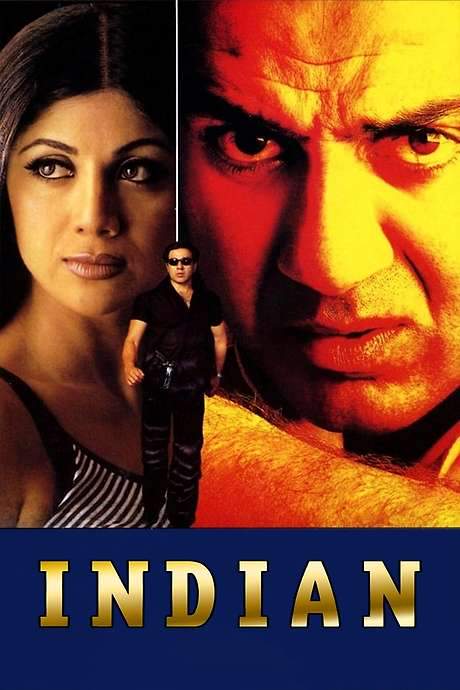
Indian (2001) Complete Plot Breakdown
Samundar (1986) Story Summary & Characters
Sobharaj (1986) Story Summary & Characters
Darbar (2020) Plot Summary & Ending Explained
Shaan (2022) Complete Plot Breakdown
Darbar (2020) Movie Recap & Themes
Ghar Sansar (1993) Full Summary & Key Details
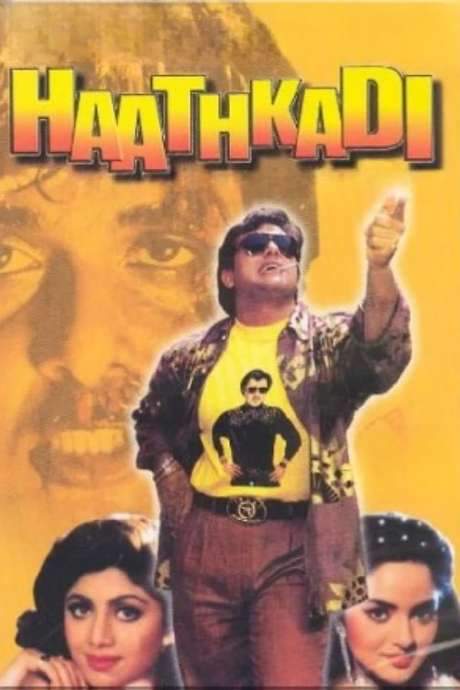
Haathkadi (1995) Film Overview & Timeline
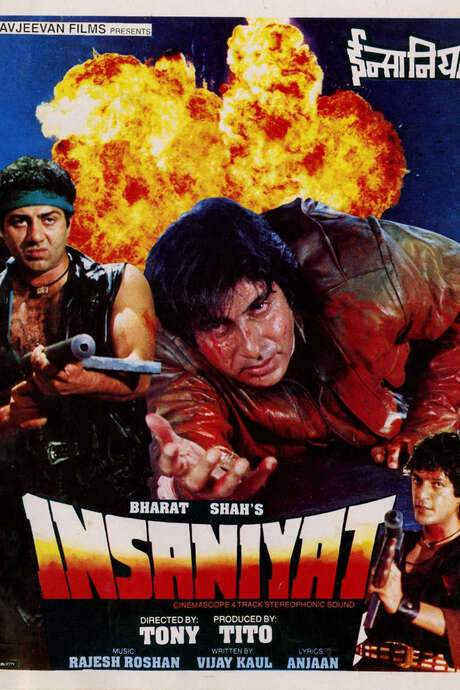
Insaniyat (1994) Story Summary & Characters
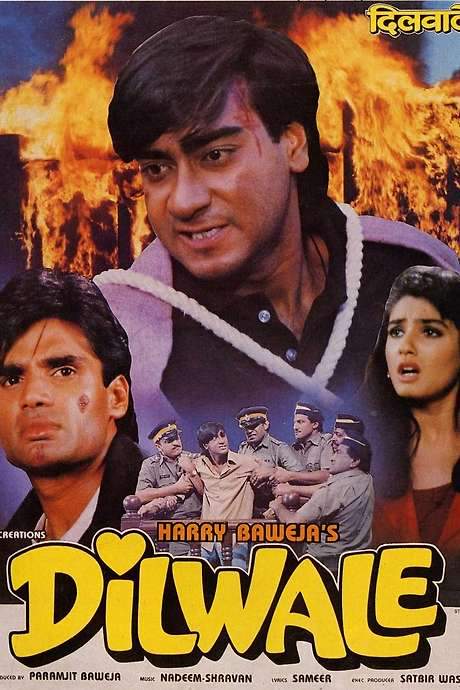
Dilwale (1994) Full Summary & Key Details
Shool (1999) Complete Plot Breakdown
Suhaag (1979) Spoiler-Packed Plot Recap
Sarfarosh (1999) Spoiler-Packed Plot Recap
Haqeeqat (1995) Complete Plot Breakdown
Ulajh (2024) Plot Summary & Ending Explained