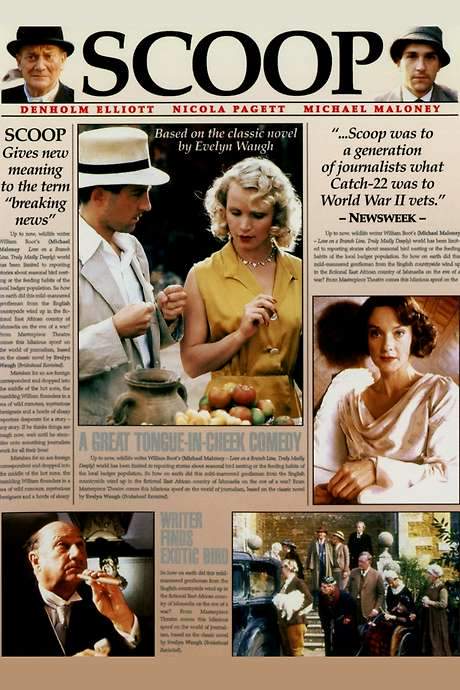
Scoop
Year: 1987
Runtime: 120 mins
Language: English
Director: Gavin Millar
The 1987 television film, directed by Gavin Millar and adapted by William Boyd from Evelyn Waugh’s 1938 satirical novel, follows a hapless journalist who is mistakenly dispatched to the fictional African country of Ishmaelia. Produced by Sue Birtwistle with executive producers Nick Elliott and Patrick Garland, it features an original score by Stanley Myers and retains the novel’s sharp satirical tone.
Warning: spoilers below!
Haven’t seen Scoop yet? This summary contains major spoilers. Bookmark the page, watch the movie, and come back for the full breakdown. If you're ready, scroll on and relive the story!
Timeline – Scoop (1987)
Trace every key event in Scoop (1987) with our detailed, chronological timeline. Perfect for unpacking nonlinear stories, spotting hidden connections, and understanding how each scene builds toward the film’s climax. Whether you're revisiting or decoding for the first time, this timeline gives you the full picture.
Last updated: February 18, 2026 at 23:44
Scoop (1987) Timeline Questions Answered – Chronology FAQ
Find frequently asked questions about the Scoop (1987) timeline, including chronological order, nonlinear jumps, cause-and-effect links, and scene sequence clarifications. This timeline FAQ helps explain when key events happen, how moments connect, and why the story unfolds in that specific order.
Why was William Boot sent to cover the war in Ishmaelia?
William Boot was mistakenly sent to Ishmaelia as a war correspondent due to a case of mistaken identity. Despite being a naive columnist who normally writes about British country life for the Daily Beast, his editor Salter and boss Lord Copper ordered him to take the assignment. Boot had no experience in war reporting and feared that refusing would cost him his job, so he reluctantly accepted despite his uncertainty.
Boot's initial reluctance and fear of making waves hints at his unsuitability for the dangerous assignment.
Why are the journalists confined to the capital city?
All foreign journalists in Ishmaelia were confined to the capital and prohibited from leaving without explicit permission from the Minister of Propaganda. This restriction creates a bottleneck where reporters must compete for limited stories, leading them to drink, scheme, and hunt for any lead that could justify their presence in the country.
The confinement establishes the pressure that drives journalists to desperate measures later in the story.
Why does Lord Hitchcock's absence trigger a desert expedition?
Lord Hitchcock, the star correspondent for the rival Daily Brute newspaper, goes missing in Ishmaelia. His mysterious disappearance creates a vacuum in the competitive world of war reporting, prompting the Daily Beast's journalists to venture beyond the capital into the desert in search of a sensational scoop that could outshine their competitors.
The journalists' competitive ambition is established early, making their risky desert pursuit believable.
Who is Mr. Baldwin in the film Scoop?
Mr. Baldwin is an enigmatic figure who appears amid the chaos of the Ishmaelia press corps. His true motives remain unclear to Boot and the other journalists, adding another layer of intrigue to the tangled web of rumors and competing agendas surrounding the war coverage.
The mysterious nature of Baldwin reflects the film's theme of unreliable information and hidden agendas.
What is the satirical message about media in Scoop?
Scoop serves as a pointed critique of sensationalism and media ambition. The film shows how power, vanity, and the frantic pursuit of a 'scoop' can shape events more than actual facts. The chaos of competing journalists, the propaganda controls, and the farcical pursuit of stories expose how the media often creates drama rather than reporting truth.
The title itself 'Scoop' hints at the central obsession that drives the satirical narrative.
Why is William Boot considered naive or inexperienced?
Boot is portrayed as a timid clerical observer who normally writes about British countryside topics, not war coverage. His innate decency and cautious nature stand in stark contrast to the aggressive, ambitious journalists around him. He struggles to trust his instincts in the hostile environment and fears losing his job, making him a classic fish-out-of-water figure.
Boot's clinging to quiet country life for job security establishes his reluctance to embrace the cutthroat world of war journalism.
What happens with the insane Swedish diplomat and absinthe?
During the desert expedition, an insane Swedish diplomat consumes too much absinthe and descends into madness. This incident exemplifies the bizarre chaos surrounding the journalists and underscores how unreliable information becomes in such chaotic environments, contributing to the film's surreal atmosphere.
The absurd incident reflects the film's escalating absurdity and unreliable narration.
What is the German woman's story about losing her husband?
A German woman in Ishmaelia claims she somehow lost her husband, adding another layer of confusion to the already tangled situation. Her tale becomes yet another fragment in the unfolding chaos, feeding rumors and complicating the journalists' attempts to piece together coherent stories.
This subplot reinforces the theme of unreliable narratives and confused identities.
What power does the Minister of Propaganda have in Ishmaelia?
The Minister of Propaganda controls the movement of foreign journalists, holding the authority to grant or deny permission for them to leave the capital city. This power creates a system where reporters must navigate official channels to access stories, demonstrating how authoritarian regimes manage narrative and information flow.
The propaganda ministry establishes the control mechanisms that constrain journalistic freedom.
How does William Boot change from the beginning to the end?
Boot begins as a timid, anxiety-ridden columnist who fears making waves and clings to his safe country life. Through his journey in Ishmaelia, he evolves from a reluctant observer into a wary witness who tries to maintain his decency amid the chaos. While he remains out of his depth, his character arc represents a cautious awakening to the realities of war journalism.
Boot's initial clinging to job security shows his reluctance to grow, setting up his eventual transformation.

Explore Movie Threads
Discover curated groups of movies connected by mood, themes, and story style. Browse collections built around emotion, atmosphere, and narrative focus to easily find films that match what you feel like watching right now.
Absurdist media satire movies like Scoop
A gently absurd and bemused look at the foibles of journalism and media.If you enjoyed Scoop's witty take on journalism, you'll like these other films that satirize the media world with a lighthearted, absurdist touch. Find stories with cynical reporters, chaotic newsrooms, and a gentle critique of sensationalism.

Holy Flying Circus
2011
Scoop
1987
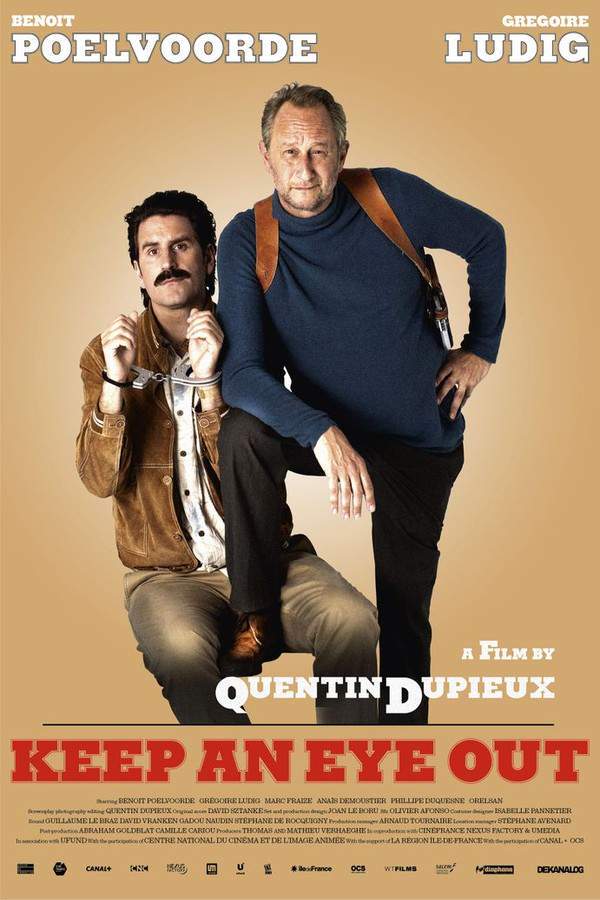
Keep an Eye Out
2021
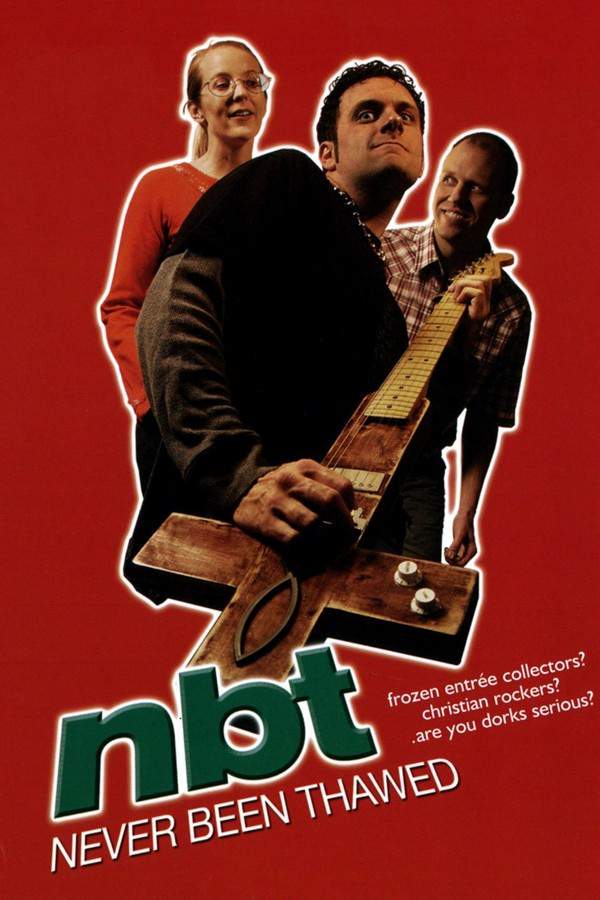
Never Been Thawed
2005
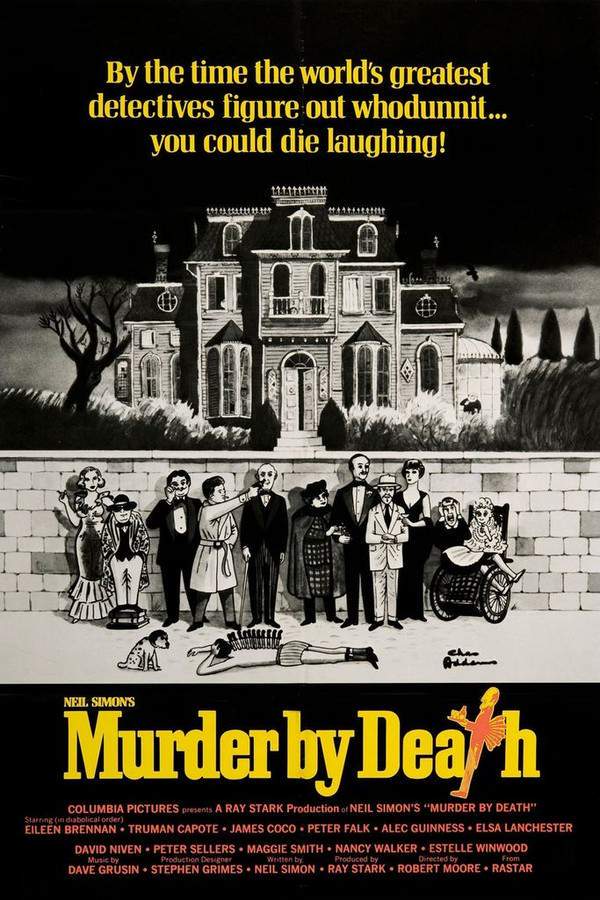
Murder by Death
1976

Hibernatus
1969

Laughter in Paradise
1951
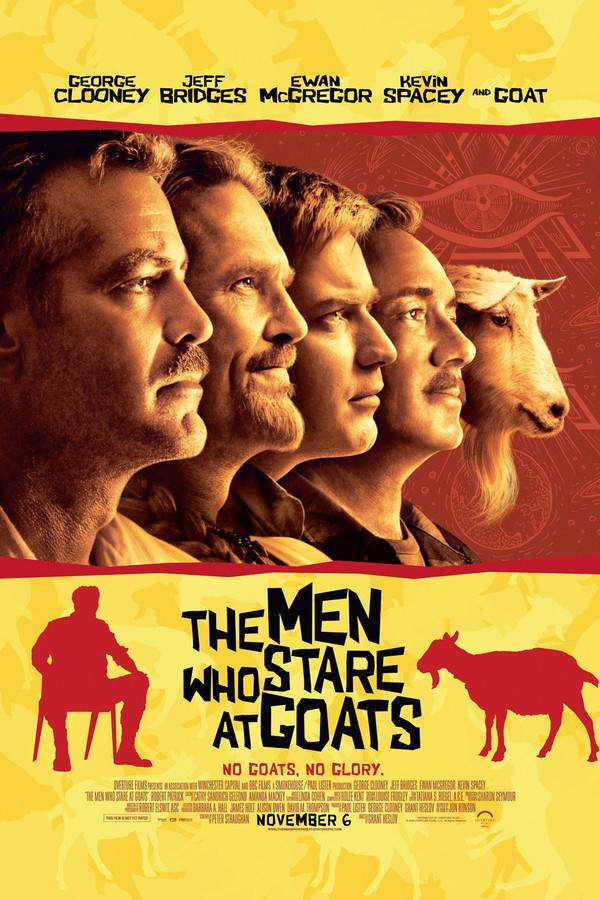
The Men Who Stare at Goats
2009

Strangers with Candy
2006
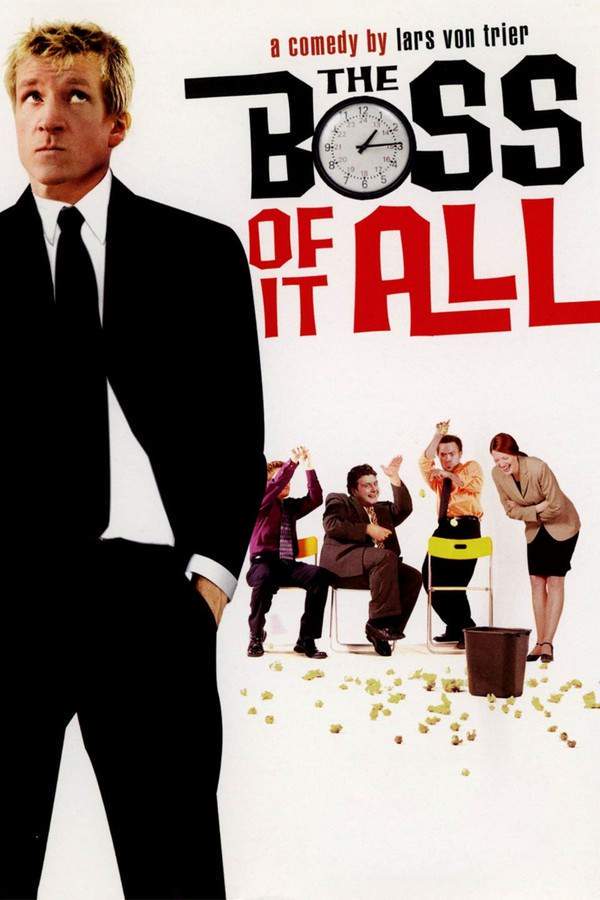
The Boss of It All
2007

Mystery Science Theater 3000: The Movie
1996
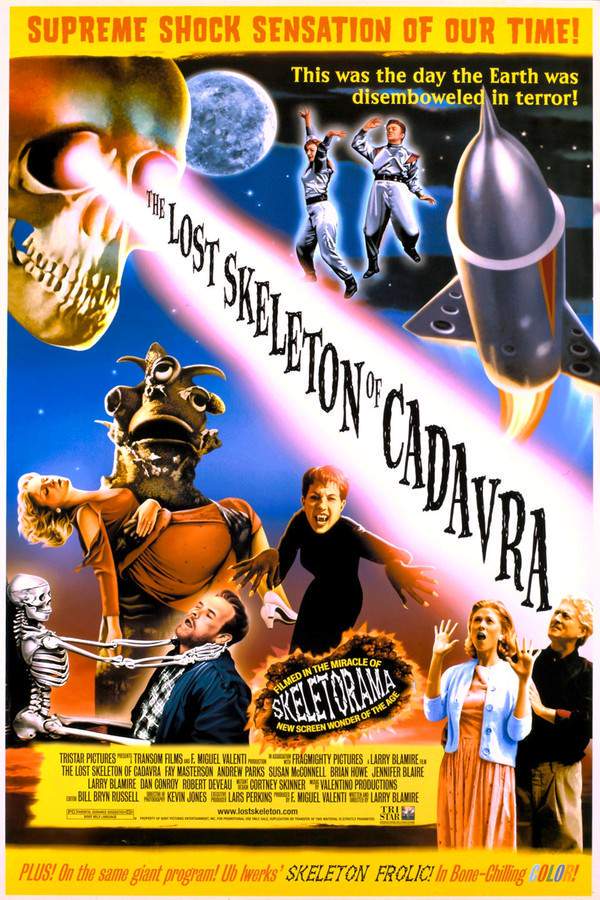
The Lost Skeleton of Cadavra
2004
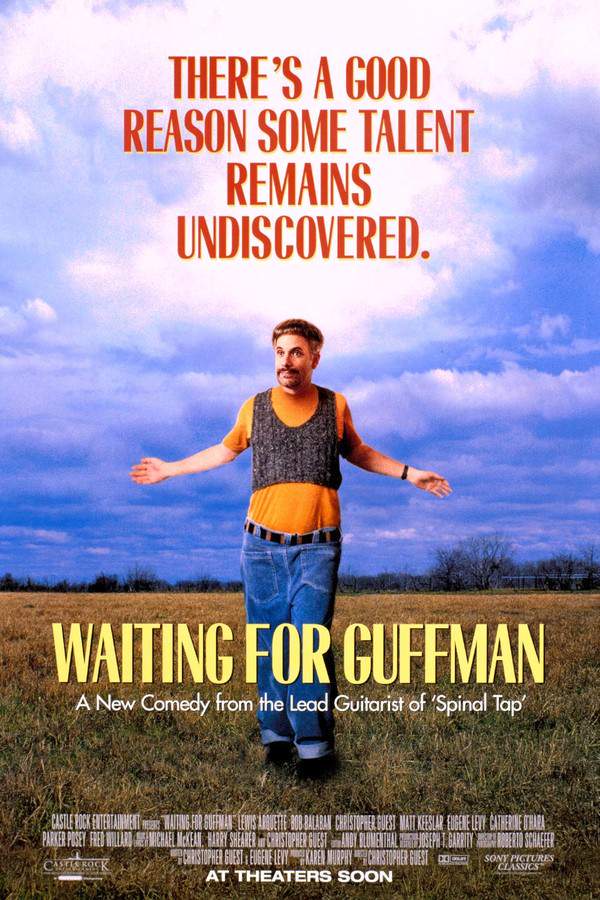
Waiting for Guffman
1997

Blithe Spirit
1945

A Slightly Pregnant Man
1973
Narrative Summary
These narratives typically follow a 'fish out of water' character thrust into a chaotic media environment. The plot revolves around their misadventures as they navigate the bizarre logic and competitive frenzy of journalists, leading to a series of escalating absurdities rather than a high-stakes thriller.
Why These Movies?
Movies are grouped here by their shared tone of whimsical satire and their thematic focus on media cynicism. They offer a similar viewing experience of light, observational comedy that pokes fun at institutional absurdity without heavy-handed drama.
Quirky fish-out-of-water comedies similar to Scoop
Awkward and hilarious journeys of naive characters in strange new worlds.Fans of Scoop's story of a naive journalist abroad will enjoy these other movies about charming misfits in strange situations. Discover similar lighthearted comedies focused on cultural clashes and delightful awkwardness.
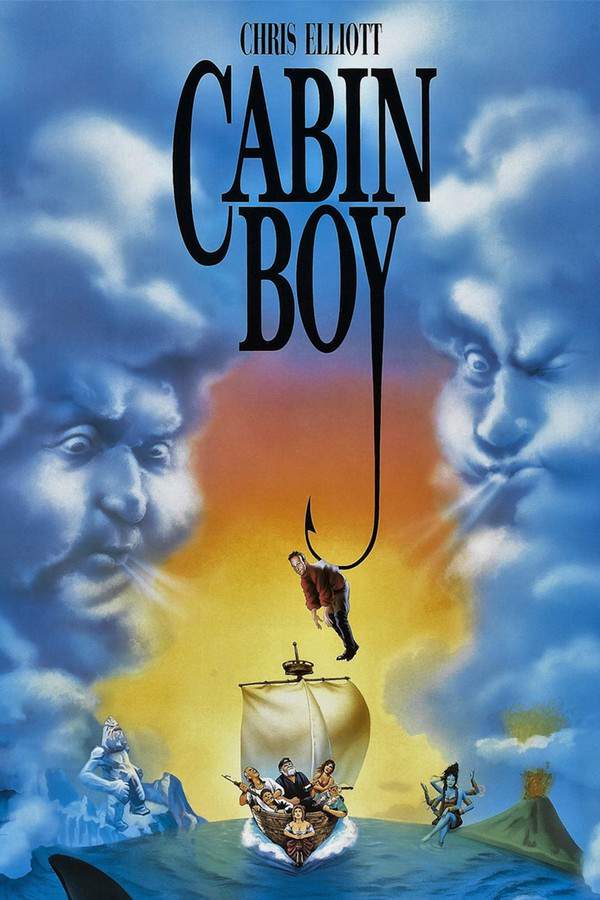
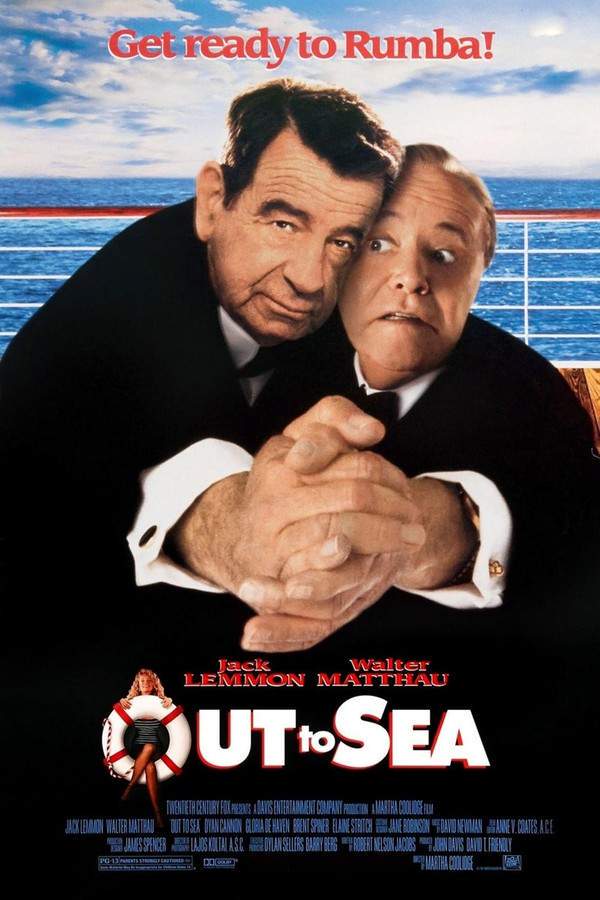
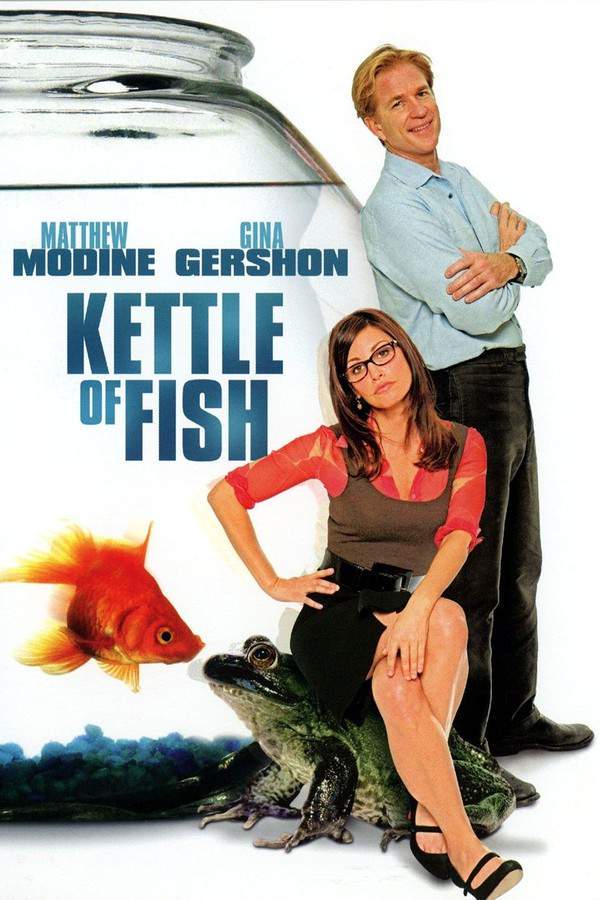

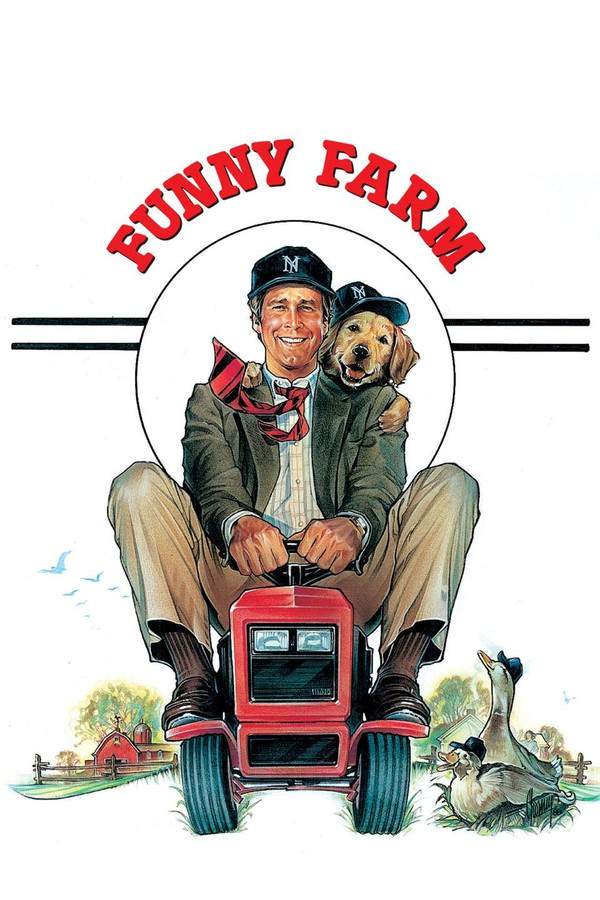





Narrative Summary
The narrative pattern centers on a protagonist's journey of adaptation. Their initial incompetence and confusion in the new setting create comedic friction, but the story is less about profound change and more about the amusing situations that arise from the culture clash.
Why These Movies?
These films share a core premise that guarantees a specific comedic vibe: the humor derived from a character's awkward navigation of an alien culture or bizarre social setting. The tone is consistently lighthearted and the pacing steady, focusing on episodic misadventures.
Unlock the Full Story of Scoop
Don't stop at just watching - explore Scoop in full detail. From the complete plot summary and scene-by-scene timeline to character breakdowns, thematic analysis, and a deep dive into the ending - every page helps you truly understand what Scoop is all about. Plus, discover what's next after the movie.
Scoop Summary
Read a complete plot summary of Scoop, including all key story points, character arcs, and turning points. This in-depth recap is ideal for understanding the narrative structure or reviewing what happened in the movie.

Characters, Settings & Themes in Scoop
Discover the characters, locations, and core themes that shape Scoop. Get insights into symbolic elements, setting significance, and deeper narrative meaning - ideal for thematic analysis and movie breakdowns.


Similar Movies to Scoop
Discover movies like Scoop that share similar genres, themes, and storytelling elements. Whether you’re drawn to the atmosphere, character arcs, or plot structure, these curated recommendations will help you explore more films you’ll love.

Scandalous
1984

Comfort and Joy
1984
Bullshot
1983
Snobs!
1962

The Shaggy Dog
1994

Inn for Trouble
1960

The Comedian
1957

Whoops!
1955

He Snoops to Conquer
1944

Fit for a King
1937

On the Front Page
1926

The Screwball
1956

Fools for Scandal
1938

Are You Being Served? The Movie
1977
Fackham Hall
2025
Explore More About Movie Scoop
Scoop (1987) Plot Summary & Movie Recap
Scoop (1987) Scene-by-Scene Movie Timeline
Scoop (1987) Spoiler-Free Summary & Key Flow
Movies Like Scoop – Similar Titles You’ll Enjoy
Scandalous (1984) Ending Explained & Film Insights
Comfort and Joy (1984) Plot Summary & Ending Explained
Bullshot (1983) Plot Summary & Ending Explained
Snobs! (1962) Spoiler-Packed Plot Recap
The Shaggy Dog (1994) Movie Recap & Themes
Inn for Trouble (1960) Detailed Story Recap
The Comedian (1957) Full Summary & Key Details
Whoops! (1955) Complete Plot Breakdown
He Snoops to Conquer (1944) Spoiler-Packed Plot Recap
Fit for a King (1937) Story Summary & Characters
On the Front Page (1926) Detailed Story Recap
The Screwball (1956) Full Movie Breakdown
Fools for Scandal (1938) Ending Explained & Film Insights
Are You Being Served? The Movie (1977) Movie Recap & Themes
Fackham Hall (2025) Full Summary & Key Details