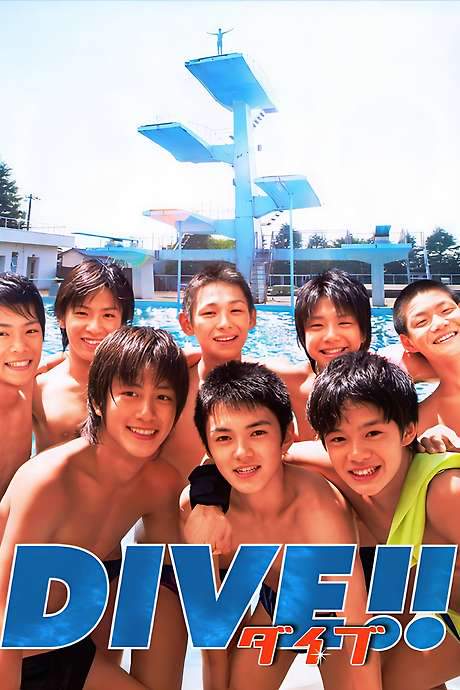
Suzuki is a determined high-school student who dreams of becoming a great swimmer, yet he ends up as the sole member of his school's swimming team. When a striking new swimming teacher arrives at the campus, Shizuko Kiuchi (the teacher who will shape their fate) the studio suddenly wakes with possibility as dozens of boys rush to join the ranks. But optimism meets a wall: they soon discover she specializes in synchronized swimming, a discipline traditionally associated with girls, and all but Suzuki and four other boys decide to drop out, leaving the team dramatically thinned out. The teacher then goes on maternity leave, and for a while the team sits idle, their momentum paused as they wait for direction.
In this quiet lull, Suzuki happens upon a dolphin show and, inspired by the graceful aquatic performance, sets out to recruit a coach who can unlock their potential. The chosen coach is a dolphin trainer who, while not initially invested in teaching them seriously, treats them as free labor and tries to shuffle them off. He leaves a stash of cash with the boys to practice “rhythm” through Dance Dance Revolution, hoping to keep them occupied and out of trouble. When his resources run dry and he returns for repayment, he discovers something remarkable: the group is not only practicing, they are astonishingly synchronized and learning quickly, even through the unconventional rhythm training. Seeing their progress, the trainer reluctantly returns to guide them further, and the team resumes their discipline with renewed energy and focus.
As training moves into the open sea, a tourist with a video camera films them, mistaking their earnest effort for a drowning attempt. The footage lands them on television, giving the team unexpected exposure and provoking a turning point: the boys who had quit rejoin, drawn back by the sudden recognition and the sight of what they could achieve together. The five proactive newcomers—Koutarou, Makoto, Masa, Kazu, and Sakamoto—step into leadership roles, teaching the others the intricacies of synchronized movement and timing, and guiding the group toward a shared goal.
As preparations for the festival intensify, a crisis emerges: the pool is drained to fight a fire sparked by a carnival attraction. Resourcefulness comes to the fore, and the neighboring girls’ school generously offers their pool for practice and performance. The team’s perseverance pays off; the synchronized routine—rooted in collaboration, trust, and relentless practice—unfolds into a resounding success that captivates audiences and validates the long road they’ve traveled together.
The film not only chronicles a remarkable underdog journey but also shines a light on family and community support, with Mama playing a role that underscores the personal stakes behind every splash. Through humor, determination, and a shared love of the water, the story celebrates how a diverse group of teens finds unity and purpose in a sport that once seemed beyond reach. The result is warm, uplifting, and thoughtfully observed, leaving viewers with a sense of hope and the enduring power of teamwork.