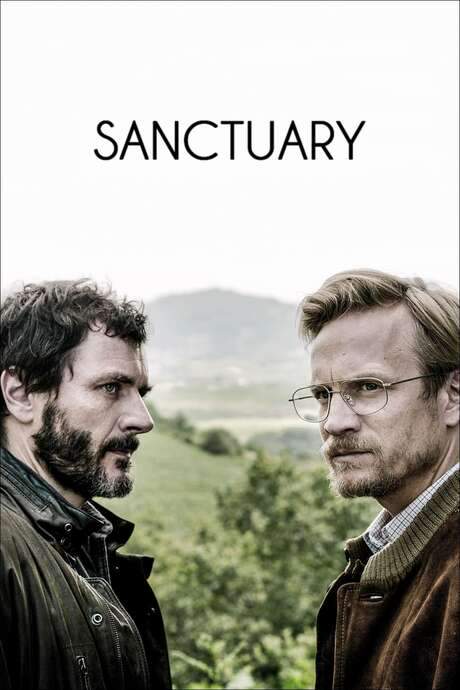
Sanctuary
Year: 2015
Runtime: 88 mins
Language: French
Director: Olivier Masset-Depasse
During the mid-1980s, a Spanish paramilitary group known as GAL hunts and eliminates members of the ETA terrorist organization who have sought refuge in southern France. As violence escalates, Grégoire Fortin, an advisor to the French Minister of Justice, and Domingo ‘Txomin’ Iturbe, the leader of ETA, find themselves compelled to negotiate a resolution to the escalating conflict and search for a path towards peace in the volatile region.
Warning: spoilers below!
Haven’t seen Sanctuary yet? This summary contains major spoilers. Bookmark the page, watch the movie, and come back for the full breakdown. If you're ready, scroll on and relive the story!
Timeline & Setting – Sanctuary (2015)
Explore the full timeline and setting of Sanctuary (2015). Follow every major event in chronological order and see how the environment shapes the story, characters, and dramatic tension.
Last Updated: October 04, 2025 at 07:47
Main Characters – Sanctuary (2015)
Meet the key characters of Sanctuary (2015), with detailed profiles, motivations, and roles in the plot. Understand their emotional journeys and what they reveal about the film’s deeper themes.
Last Updated: October 04, 2025 at 07:47
Major Themes – Sanctuary (2015)
Explore the central themes of Sanctuary (2015), from psychological, social, and emotional dimensions to philosophical messages. Understand what the film is really saying beneath the surface.
Last Updated: October 04, 2025 at 07:47

Explore Movie Threads
Discover curated groups of movies connected by mood, themes, and story style. Browse collections built around emotion, atmosphere, and narrative focus to easily find films that match what you feel like watching right now.
Political Thrillers with Moral Ambiguity like Sanctuary
Gripping stories where negotiation and violence collide in the shadows of power.Explore more movies like Sanctuary that dive into tense, high-stakes political dramas. These films feature complex negotiations, shadowy operations, and morally gray characters caught between conflicting ideologies, perfect for viewers who enjoy heavy, steady-paced historical thrillers.

The Constant Gardener
2005
Richard III
1956
Cairo Conspiracy
2023
Backstabbing for Beginners
2018

True Story
2015
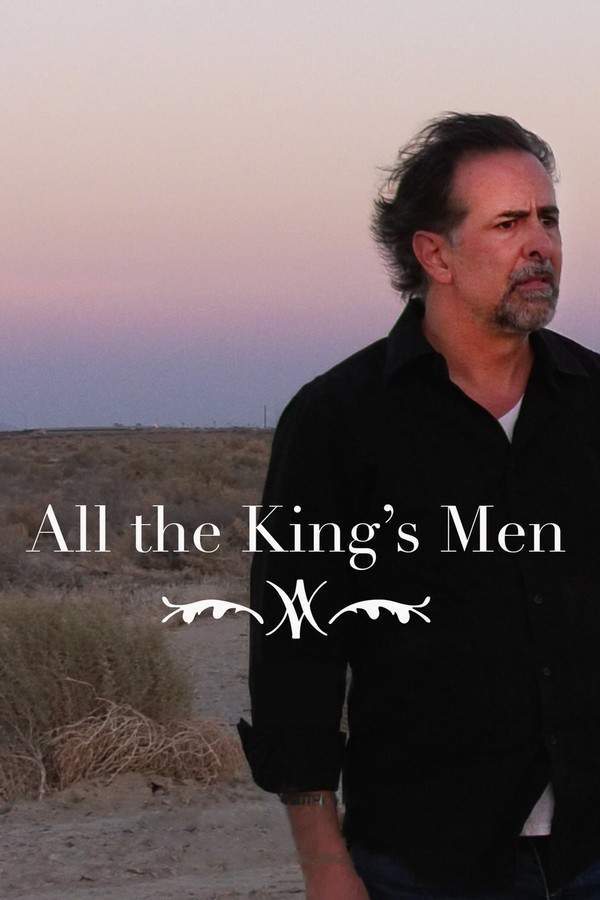
All the King's Men
2006

Winter Kills
1979

Left Right Left
2013

The Truth Beneath
2016

Blood Oath
1990
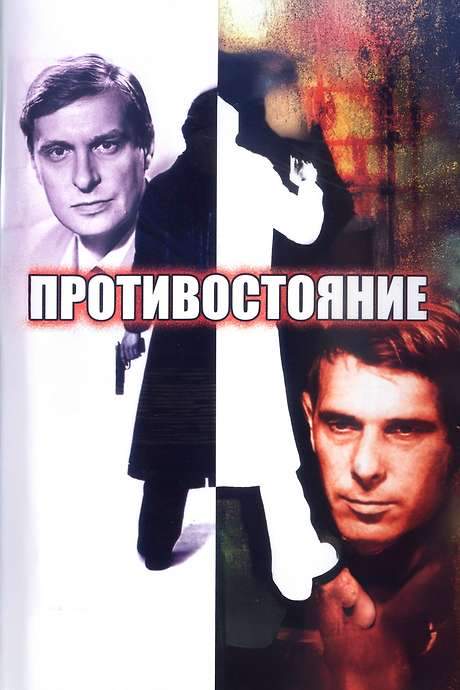
Confrontation
1000

Dangerous to Know
2020

The Challenge
1970

The Big Knife
1955

Black Widow
1954
Narrative Summary
Stories typically revolve around a central mediator or operative forced to navigate a dangerous conflict between two opposing, often extremist, factions. The narrative builds tension through dialogue, strategy, and the constant threat of violence, focusing on the psychological burden of seeking peace in a world dominated by war.
Why These Movies?
Movies are grouped here for their shared focus on morally complex political landscapes, their high emotional weight and tension, and their exploration of the grim realities of conflict resolution. They share a dark tone, steady pacing, and an intense, heavy viewing experience.
Bleak Dramas of Systemic Trauma like Sanctuary
Harrowing tales of individuals crushed by, yet resisting, oppressive systems.Find films similar to Sanctuary that explore the harsh reality of life under authoritarian control. If you were gripped by the depiction of systemic abuse, psychological damage, and desperate resilience, these movies offer similarly oppressive, traumatic, and heavy viewing experiences.












Narrative Summary
The narrative follows a protagonist or group enduring relentless pressure from an unjust system. It's a cycle of punishment, failed escapes, and psychological disintegration, leading to an ambiguous ending that underscores lasting scars rather than clear victory.
Why These Movies?
These films are united by their oppressive mood, high intensity, and exploration of trauma inflicted by powerful systems. They share a dark tone, heavy emotional weight, and a focus on the harsh, often hopeless, reality of resistance.
Unlock the Full Story of Sanctuary
Don't stop at just watching — explore Sanctuary in full detail. From the complete plot summary and scene-by-scene timeline to character breakdowns, thematic analysis, and a deep dive into the ending — every page helps you truly understand what Sanctuary is all about. Plus, discover what's next after the movie.
Sanctuary Summary
Read a complete plot summary of Sanctuary, including all key story points, character arcs, and turning points. This in-depth recap is ideal for understanding the narrative structure or reviewing what happened in the movie.

Sanctuary Timeline
Track the full timeline of Sanctuary with every major event arranged chronologically. Perfect for decoding non-linear storytelling, flashbacks, or parallel narratives with a clear scene-by-scene breakdown.