









Plot Explained Spoilers guaranteed!
Plot Explained

Browse by genre

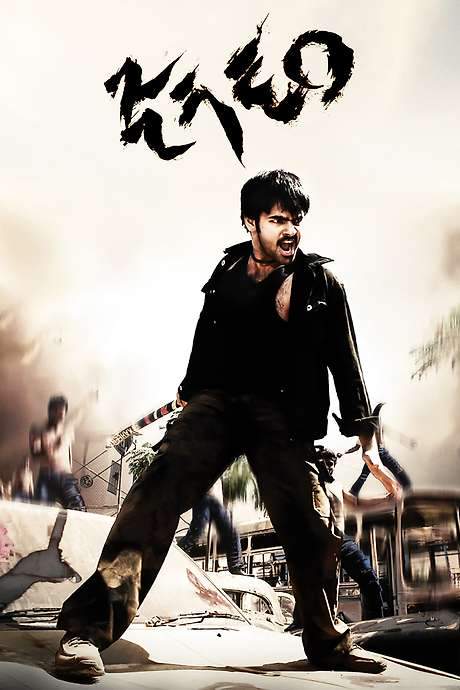
Samurai (2002) movie poster

Timeline

Samurai (2002) Timeline Explained – Every Event in Order

Release, runtime and language
2002 · 160 mins · Tamil
Directed by
Balaji Sakthivel
Starring
Vikram, Nassar, Bindu Panicker, Anupam Shyam, Kollam Thulasi, Anita Hassanandani Reddy

Directed by Balaji Sakthivel and produced by S. Dhanu, Samurai stars Vikram, Anita, Jayaseel and Sriya Reddy. Vikram, a doctor, leads a gang that kidnaps corrupt politicians and bureaucrats exploiting loopholes to serve sentences in hospitals or guest houses. Anita, daughter of police officer Nassar, falls for Vikram unaware of his real identity.

On this page (6)
  1. 1 Where to watch
  2. 2 Events in order (13)
  3. 3 Timeline questions answered
  4. 4 Movie threads
  5. 5 Movies like Samurai
  6. 6 Every angle

Where to watch

Where to Watch Samurai (2002)

Where can you watch Samurai? Stream, rent or buy it in the US, including on Amazon Prime Video, Fawesome and Amazon Prime Video Free: current JustWatch availability with up-to-date prices.

Streaming availability powered by JustWatch

13 events in order · contains spoilers

Samurai Timeline: Events in Chronological Order

Every key event of Samurai (2002) in order, scene by scene, with when and where it takes place. Use it to untangle flashbacks, time jumps and parallel storylines, to refresh your memory before the sequel or to find the exact scene you are thinking of.

  1. Thiyagu meets Deiva on the road

    Thiyagu, a medical student, is traveling to meet his childhood friend Varadharajan. He encounters Deiva, a kind-hearted but mischievous schoolgirl who lives with her grandmother and is the daughter of police officer Sandana Pandian. Sandana briefly confronts Thiyagu, but soon recognizes that his intentions are good.

    When
    Present
    Where
    On the road to meet Varadharajan
  2. Kidnapping a politician

    Thiyagu and his friends kidnap a politician involved in illegal activities. During the operation, he learns that Sandana's family are neighbors and longtime friends with his associates. Sandana is appointed to investigate the case.

    When
    Present
    Where
    City
  3. More kidnappings

    Thiyagu also abducts five more people, expanding his vigilante campaign. Sandana struggles to catch the culprit while the investigation intensifies. The case thickens as more victims surface.

    When
    Present
    Where
    City
  4. Deiva faces danger; Deiva seeks help

    Nisha's friends try to molest Deiva, forcing her to seek safety with her parents. Sandana is overwhelmed by the ongoing investigation and reluctant to listen to Deiva's problems. Thiyagu helps ease Deiva's anxiety by teaching her how to avoid such situations in the future.

    When
    Present
    Where
    Deiva's neighborhood
  5. Deiva falls for Thiyagu

    Deiva, not knowing Thiyagu's true identity, develops feelings for him. She admires his courage and kindness amid the turmoil. The romance grows without her realizing who he really is.

    When
    Present
    Where
    Near Deiva's home
  6. Kavitha's diary and tragedy

    Kavitha, Thiyagu's studious classmate, keeps a diary of the things she wants to tell him. She discovers that a pharmaceutical company distributed expired medicines that caused a boy's death. When she tries to expose the company, she finds little support and ultimately commits suicide, asking Thiyagu to deliver justice.

    When
    Past
    Where
    Medical school and Kavitha's home
  7. Vengeance plan forms

    After reading Kavitha's diary, Thiyagu and his friends decide to exact vengeance on those who exploit legal loopholes to complete prison sentences by staying in guest houses and hospitals. They plot to pursue justice outside the conventional system.

    When
    Past
    Where
    City hangout spots
  8. Minister target identified

    In the present, Sandana identifies the next target as a minister behind the pharma crimes and tries to safeguard him. The minister is kidnapped anyway, and Sandana realizes Thiyagu is behind the abductions. This revelation deepens the conflict between Sandana and Thiyagu.

    When
    Present
    Where
    City
  9. Open court confrontation

    Pandian captures Thiyagu and puts him on trial in an open court with magistrates and spectators. Thiyagu demands that the kidnapped people be punished, insisting on capital punishment. The trial tests the dimensions of law and vigilante justice.

    When
    Present
    Where
    Open court
  10. Ruling and mob violence

    The magistrates deny the request for capital punishment, noting there is no law for it. The abductees are released, and a protest erupts; in the chaos, the mob kills the abductees. The scene underscores the perils of extrajudicial justice.

    When
    Present
    Where
    Court and public square
  11. Sandana endorses stricter justice

    Sandana takes Thiyagu and his friends away in a van and praises his actions. She argues that there is a need for a law that grants the death penalty to certain criminals. Her stance reframes the debate about justice in the wake of the trial.

    When
    Present
    Where
    In a police vehicle
  12. Deiva's arrival and Kavitha's memory

    As Thiyagu leaves, Deiva arrives and tells him that Kavitha is always with him, just as Deiva will be. Her words link Kavitha's tragedy to Thiyagu's ongoing mission. The moment deepens the emotional stakes for all involved.

    When
    Present
    Where
    Roadside
  13. Departure with Deiva

    Thiyagu and his friends depart with Deiva, continuing their journey. Deiva's steadfast presence hints at a future where love and justice intersect. The story closes on their exit together.

    When
    Present
    Where
    In a van

Last updated: October 09, 2025 at 15:17

Was this helpful?

Timeline questions answered

Samurai Timeline Explained: Your Questions Answered

When does it happen, and why in that order? The questions people ask about the chronology of Samurai (2002): time jumps, flashbacks, cause and effect between scenes and the correct order of events, each answered with spoilers.

Q1

What motivates Thiyagu to kidnap corrupt politicians?

Thiyagu becomes a vigilante after his classmate Kavitha commits suicide. She discovered a pharmaceutical company distributed expired medicines that killed a young boy, and when her attempts to expose the company failed, she took her own life. Before dying, she asked Thiyagu to deliver justice for the boy. This tragedy drives him and his friends to target corrupt officials who exploit legal loopholes to avoid real punishment.

Foreshadowing: Early scenes show Thiyagu's kind nature when he helps Deiva, establishing his moral character before his darker mission is revealed.

  • thiyagu motivation
  • kavitha suicide
  • pharmaceutical company
  • expired medicines
  • vigilante
Q2

What does Kavitha's diary tell Thiyagu?

Kavitha kept a diary of things she wanted to tell Thiyagu but never did. After her death, Thiyagu reads it and discovers her findings about the pharmaceutical company that caused a child's death through expired medicines. The diary also contains her final request for Thiyagu to seek justice, which prompts him to organize his kidnapping campaign against corrupt officials.

Foreshadowing: The diary serves as the catalyst that transforms Thiyagu from a medical student into a vigilante.

  • kavitha diary
  • thiyagu finds diary
  • justice for boy
  • pharma crimes
Q3

Why do the mob kill the released abductees?

After the magistrates deny Thiyagu's demand for capital punishment and release the abductees, a crowd that heard his courtroom argument erupts in protest. The mob, angered by the fact that these corrupt officials will escape justice again, kills the abductees in the chaos. This tragic outcome underscores the filmer's theme about the dangers of extrajudicial justice and public desperation.

Foreshadowing: The open court scene builds tension as Thiyagu's argument resonates strongly with the audience gathered there.

  • mob violence
  • abductees killed
  • public protest
  • corrupt officials killed
Q4

What does Sandana say about Thiyagu's actions at the end?

After the mob violence, Sandana takes Thiyagu and his friends away in a van but praises his work. She tells him there is a need for a law that allows the death penalty for truly guilty criminals. This endorsement from the police officer who originally pursued Thiyagu highlights the film's commentary on systemic corruption and inadequate laws.

Foreshadowing: Throughout the film, Sandana struggles between her duty and her growing understanding of Thiyagu's cause.

  • sandana supports thiyagu
  • death penalty law
  • police endorsement
  • vigilante justice
Q5

Why does Deiva fall in love with Thiyagu without knowing who he is?

Deiva develops feelings for Thiyagu after he helps her cope with the trauma of being molested by Nisha's friends. When she returns to her parents overwhelmed, her father Sandana is too busy with the investigation to help her. Thiyagu comforts her by teaching her how to avoid such dangerous situations in the future. His kindness and courage during this vulnerable moment make her fall in love, unaware that he is the vigilante her father is hunting.

Foreshadowing: The scene where Thiyagu helps Deiva after the assault establishes their emotional connection before romantic feelings develop.

  • deiva love thiyagu
  • thiyagu helps deiva
  • romance
  • secret identity
Q6

What happens during Thiyagu's open court trial?

Sandana captures Thiyagu and arranges an open court trial with magistrates and spectators. Thiyagu argues that the kidnapped corrupt officials should receive capital punishment for their crimes, claiming they deserve death for exploiting loopholes and causing suffering. The magistrates deny his request, stating no such penalty exists in current law. This confrontation becomes the dramatic climax that triggers the subsequent mob violence.

Foreshadowing: The investigation has been building toward this direct confrontation between Thiyagu and the authorities throughout the film.

  • open court trial
  • thiyagu arrested
  • capital punishment debate
  • magistrates ruling
Q7

How does Kavitha's past story connect to the present day events?

The film uses a dual narrative structure. The past shows Kavitha discovering the pharmaceutical company's crimes and her subsequent suicide, which directly motivates Thiyagu's vigilante mission. In the present, Thiyagu targets corrupt politicians, including a minister connected to the same pharma crimes Kavitha uncovered. This connection reinforces that his campaign is about avenging her tragedy and addressing systemic corruption that enabled such crimes to go unpunished.

Foreshadowing: The timeline gradually reveals how past events shape present actions, with each flashback adding layer to Thiyagu's motivation.

  • kavitha flashback
  • past present timeline
  • pharma minister
  • thiyagu revenge
Q8

Why does Sandana investigate Thiyagu despite knowing his true character?

Sandana initially has a positive encounter with Thiyagu on the road and recognizes his good heart. However, as a police officer, he is assigned to investigate the kidnappings and must pursue the culprit professionally. When he discovers Thiyagu is behind the crimes, he faces a moral conflict between his duty as a law enforcement officer and his personal respect for Thiyagu's motivations.

Foreshadowing: The early road scene establishes Sandana's awareness of Thiyagu's character, making his later pursuit more complex.

  • sandana police duty
  • thiyagu discovered
  • moral conflict
  • law vs justice
Q9

What happens to Deiva that leads to her moving back to her parents?

Deiva is traumatized when Nisha's friends attempt to molest her. Unable to bear the experience, she leaves her grandmother's house and returns to her parents. However, her father Sandana is overwhelmed with the kidnapping investigation and refuses to listen to her problems. This abandonment compounds her trauma until Thiyagu steps in to help her.

Foreshadowing: This incident directly leads to Deiva's deeper connection with Thiyagu.

  • deiva assaulted
  • molestation trauma
  • nisha friends
  • deiva returns home
Q10

How does Thiyagu and his gang choose their kidnapping targets?

Thiyagu and his friends specifically target corrupt politicians and bureaucrats who exploit legal loopholes to serve their sentences in comfortable settings like guest houses and hospitals rather than actual prisons. Their method involves researching their targets' crimes and identifying those who have escaped proper punishment through technicalities. The group operates as vigilantes seeking justice outside the conventional legal system.

Foreshadowing: The film establishes early on that Thiyagu operates with careful planning and specific criteria for his targets.

  • kidnapping targets
  • corrupt politicians
  • guest houses
  • hospitals
  • legal loopholes
Q11

What happens at the end of the movie when Thiyagu leaves with Deiva?

After the mob kills the abductees and Sandana endorses Thiyagu's cause by calling for stricter justice laws, Thiyagu and his friends depart with Deiva in a van. Deiva reminds Thiyagu that Kavitha will always be with him, just as she will be. This ending is bittersweet, while Thiyagu is technically arrested, he leaves with Sandana's implicit approval and with Deiva's steadfast support, suggesting his mission continues.

Foreshadowing: Deiva's earlier promise to stand by Thiyagu foreshadows her final appearance.

  • movie ending
  • thiyagu leaves
  • deiva support
  • bittersweet ending

Movie threads

More Movies Like Samurai, by Mood & Story

Curated lists built around what makes Samurai tick: the same mood, the same kind of story or the same emotional payoff. Each list explains why these movies belong together.

Vigilante stories driven by personal tragedy like Samurai

Characters driven to extreme acts of justice by a devastating personal loss. Explore movies like Samurai where a deep personal loss ignites a quest for vigilante justice. These films blend high-stakes action with heavy emotional weight, often featuring protagonists who operate outside a broken system to avenge a wrong. If you liked the driven, grief-fueled narrative of Samurai, you'll find similar cathartic stories here.

  • angry
  • determined
  • somber
  • righteous
  • grieving
  • vengeful
  • Tone: tense, somber, righteous
  • Pacing: fast, driven
Why these movies?

The story pattern: The narrative typically follows a character who, after suffering an irreparable personal loss due to systemic failure or corruption, takes justice into their own hands. The plot intertwines flashbacks to the traumatic event with the present-day vigilante mission, creating a powerful emotional engine for the action.

Why they belong together: Movies are grouped here based on the core motivation of the protagonist: a very specific, personal tragedy that fuels a righteous, often public, crusade. They share a high emotional weight, a tense tone, and a focus on the moral cost of seeking vengeance or justice outside the law.


Movies with a bittersweet victory over corruption like Samurai

Stories where achieving a moral goal comes at a significant personal price. Discover films similar to Samurai that explore the fight against systemic corruption, ending with a bittersweet resolution. These stories often feature protagonists who succeed in their mission but pay a steep personal price, leaving viewers with a mix of hope and melancholy. If you appreciated the complex ending of Samurai, you'll enjoy these nuanced tales of costly justice.

  • determined
  • hopeful
  • somber
  • righteous
  • anxious
  • bitter
  • Tone: tense, bittersweet, hopeful
  • Pacing: fast, steady
Why these movies?

The story pattern: The narrative pattern involves a central conflict with an unjust system (political, corporate, societal). The protagonist's actions, while morally justified, often force them to operate outside the law. The ending acknowledges their impact—change is sparked, the public is awakened—but the protagonist themselves faces consequences, creating a victory that feels earned yet somber.

Why they belong together: These films are united by their specific emotional resolution: a bittersweet ending feel. They balance the satisfaction of a moral victory with the heaviness of personal sacrifice, exploring the complex cost of fighting for what's right in a flawed world. The tone is typically tense and the emotional weight is heavy.

If you liked this

Movies Like Samurai

Similar movies to Samurai: the same genre, themes or kind of story. Each one comes with its own plot summary, timeline and ending explained.

Browse all movie summaries

Every angle

Samurai (2002) Explained: Plot, Timeline & Characters

Everything about Samurai in one place: what happens in the plot summary, the timeline in chronological order, the characters and meaning and a spoiler-free summary. What's After the Movie adds the cast, box office and post-credit scenes.

Coming soon on iOS and Android

The Plot Explained Movie Summary App

Plot summaries, endings explained and timelines on your phone. Catch up on any movie in minutes, save your favorites and never miss a twist again.

Be the first to know when we launch. Your email stays private, always.

Learn more about the app