
Samsaram Adhu Minsaram
Year: 1986
Runtime: 138 mins
Language: Tamil
Ammaiyappan Mudaliar, a devoted father, provides for all the needs of his four children. Tensions rise when his eldest son clashes with him and moves out, creating a rift in the family. Uma, the daughter‑in‑law, steps in to mediate, working to reconcile the strained relationships and restore harmony.
Where to Watch Samsaram Adhu Minsaram?
Find where to stream, rent, or buy Samsaram Adhu Minsaram (1986) in the US with current JustWatch availability, up-to-date pricing, and platform listings for subscription, rental, and digital purchase options.



Streaming availability powered by 
Warning: spoilers below!
Haven’t seen Samsaram Adhu Minsaram yet? This summary contains major spoilers. Bookmark the page, watch the movie, and come back for the full breakdown. If you're ready, scroll on and relive the story!
Timeline – Samsaram Adhu Minsaram (1986)
Trace every key event in Samsaram Adhu Minsaram (1986) with our detailed, chronological timeline. Perfect for unpacking nonlinear stories, spotting hidden connections, and understanding how each scene builds toward the film’s climax. Whether you're revisiting or decoding for the first time, this timeline gives you the full picture.
Last updated: October 09, 2025 at 14:18
Samsaram Adhu Minsaram (1986) Timeline Questions Answered – Chronology FAQ
Find frequently asked questions about the Samsaram Adhu Minsaram (1986) timeline, including chronological order, nonlinear jumps, cause-and-effect links, and scene sequence clarifications. This timeline FAQ helps explain when key events happen, how moments connect, and why the story unfolds in that specific order.
Why did Sarojini reject the arranged match and choose to marry Peter Fernandez?
Sarojini rejected the arranged marriage because she had already developed a personal relationship with her colleague Peter Fernandez. During the prenuptial meeting with the prospective groom's family, she openly rebuked the guests and declared her intention to marry Peter, prioritizing her own choice over her father's arrangements.
Why was the family initially opposed to Sarojini's marriage to Peter?
The family resisted the match because it was a cross-religion marriage between a Hindu family and a Christian suitor. Ammaiyappan and relatives were wary of religious and social differences, which was a common concern in that era. However, after Ammaiyappan met Peter's father Albert and found him to be a decent person, the families eventually agreed to the union.
Why did Chidambaram halve his monthly contribution to the family when Uma left?
Chidambaram reduced his monthly contribution because his wife Uma was absent, having gone to her maternal home to deliver their first child. He used her absence as justification to contribute less money, which frustrated Ammaiyappan since the family was already tight on finances and needed the money for the upcoming weddings.
What was the white line that Ammaiyappan drew across the house?
After the heated argument with Chidambaram over money, Ammaiyappan drew a white line across the house to physically separate the family. Chidambaram's side would live on one half, while Ammaiyappan and the others lived on the other. Neither side was allowed to cross the line or communicate with each other. Ammaiyappan also promised to pay Chidambaram ₹20,000 within 12 months so he would leave the house.
Why did Vasantha leave Siva's home and return to her father?
Vasantha struggled to adapt to the busy joint family environment. She found it difficult to get privacy with Siva because late-night tutoring sessions for Bharathi clashed with daily household chores, leaving her exhausted. Overwhelmed by the lack of privacy and the demanding schedule, she returned to her father's home without informing anyone.
Earlier scenes showed the family's busy schedule and lack of private space for the newlyweds.
How did Uma manage to bring the divided family back together?
Uma played the key mediator role in reuniting the family. After returning with her newborn, she was shocked by the division and actively worked to fix it. She enlisted help from Albert (Peter's father) and the maid Kannamma to reunite Sarojini and Peter, counseled Siva to take Vasantha on a trip to refresh their relationship, and persistently urged both sides to forgive each other and maintain communication.
Why did the family decide to live separately but stay in contact?
Chidambaram realized that living separately actually increased costs per person rather than reducing them, making the split impractical. When he considered rejoining, Uma argued that once a bond breaks over money, it cannot be restored exactly as before. She suggested the healthier solution: living separately while maintaining communication, celebrating weekends and festivals together. Ammaiyappan agreed, and the family moved out that evening.
Why did Bharathi fail his twelfth-grade exams multiple times?
Bharathi failed his twelfth-grade exams for the fourth time, which led to his elder brother Siva disciplining him. Determined to succeed, Bharathi vowed to pass within a year and sought help from Vasantha, who was a graduate. He eventually passed his exams with her tutoring support, bringing relief to the family.
Why did Sarojini and Peter's wedding happen alongside Siva and Vasantha's wedding?
After Ammaiyappan met Peter's father Albert and both families agreed to the cross-religion marriage, Albert offered to have his daughter Vasantha marry Ammaiyappan's son Siva as a gesture of goodwill. This arrangement allowed both weddings to proceed together, strengthening the bond between the two families and creating a spirit of reconciliation.
What role did Kannamma play in the family conflict?
Kannamma, the household maid, served as the only person with access to both sides of the divided house. She acted as a bridge between the estranged family members, gently trying to calm Ammaiyappan and urging him to forgive his son. Her presence and counsel were instrumental in maintaining a subtle connection during the separation.

Explore Movie Threads
Discover curated groups of movies connected by mood, themes, and story style. Browse collections built around emotion, atmosphere, and narrative focus to easily find films that match what you feel like watching right now.
Family Reconciliation Dramas like Samsaram Adhu Minsaram
Stories where fractured families navigate conflict to find a new harmony.If you enjoyed the heartfelt journey of healing in Samsaram Adhu Minsaram, you'll find similar stories here. This collection features movies about family conflict, emotional estrangement, and the powerful, hopeful process of reconciliation and restoring domestic harmony.

The Family Star
2024

The Family
2013

Brother
2023

Happy!
2006
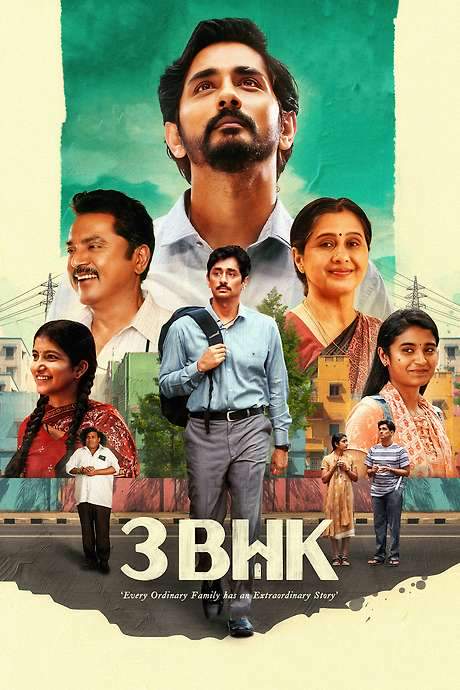
3BHK
2025

Comeback Season
2006

Suryavamsha
1999

Ek Rishtaa: The Bond of Love
2001

Dolphin Island
2021

All Is Well
2019

Little Zizou
2008

Like Father Like Son
2005

The Great Indian Family
2023

Madea’s Family Reunion
2006

Four Sisters Before the Wedding
2020
Narrative Summary
The narrative typically begins with a stable family environment disrupted by a major conflict, often involving a headstrong patriarch or matriarch and their children. A central character, sometimes an outsider like a new daughter-in-law, acts as a mediator. The plot follows the steps toward mending relationships, facing practical obstacles and emotional resistance, before reaching a cathartic and happy reunion.
Why These Movies?
These movies are grouped together because they share a specific emotional arc: from domestic tension to hopeful resolution. They balance dramatic, relatable conflicts with a fundamentally optimistic tone, creating a heartwarming experience centered on the resilience of familial love.
Steady-Paced Domestic Sagas similar to Samsaram Adhu Minsaram
Character-driven stories that unfold the layered complexities of home life.For viewers who appreciated the steady, realistic unfolding of family life in Samsaram Adhu Minsaram, this section gathers movies with a similar pace and setting. Explore stories that delve into the joys and struggles of joint families, marriage, and cultural traditions with a grounded, observational feel.

Samsaram Oka Chadarangam
1987

Missing Home
2022
The Family Star
2024

Padamati Sandhya Ragam
1987

Maach Mishti & More
2013

Ghar Ghar Ki Kahani
1988

Polish Wedding
1998

Saajan Bakery Since 1962
2021

Ghar Ho To Aisa
1990

The Land of Steady Habits
2018

My Family
1995
Samsaram Adhu Minsaram
1986

This Happy Breed
1944

Fireflies in the Garden
2011

Tanging Yaman
2000
Narrative Summary
These stories often follow a linear structure, introducing subplots and character arcs that interconnect to paint a full picture of a family's ecosystem. The pacing is not rushed; it allows conflicts to simmer and relationships to develop naturally. The drama arises from relatable issues like financial strain, generational gaps, and the adjustment of new members into the family fold.
Why These Movies?
Movies in this thread share a coherent mix of steady pacing, medium intensity, and a realistic portrayal of domestic life. They offer a deeply immersive experience, prioritizing character development and the intricate web of family relationships over fast-paced plot twists.
Unlock the Full Story of Samsaram Adhu Minsaram
Don't stop at just watching - explore Samsaram Adhu Minsaram in full detail. From the complete plot summary and scene-by-scene timeline to character breakdowns, thematic analysis, and a deep dive into the ending - every page helps you truly understand what Samsaram Adhu Minsaram is all about. Plus, discover what's next after the movie.
Samsaram Adhu Minsaram Summary
Read a complete plot summary of Samsaram Adhu Minsaram, including all key story points, character arcs, and turning points. This in-depth recap is ideal for understanding the narrative structure or reviewing what happened in the movie.

Characters, Settings & Themes in Samsaram Adhu Minsaram
Discover the characters, locations, and core themes that shape Samsaram Adhu Minsaram. Get insights into symbolic elements, setting significance, and deeper narrative meaning - ideal for thematic analysis and movie breakdowns.


