Year: 1987
Runtime: 156 mins
Language: Telugu
Director: S. P. Muthuraman
When her joint family breaks apart, daughter-in-law Uma solves everyone’s problems and unites the family again.
Warning: spoilers below!
Haven’t seen Samsaram Oka Chadarangam yet? This summary contains major spoilers. Bookmark the page, watch the movie, and come back for the full breakdown. If you're ready, scroll on and relive the story!
Read the complete plot breakdown of Samsaram Oka Chadarangam (1987), including all key story events, major twists, and the ending explained in detail. Discover what really happened, and what it all means.
Set in a comfortable bourgeois household, the story follows Appala Narsayya, Gollapudi Maruti Rao, a modest clerk who shares his life with his devoted wife Godavari, Annapoorna, and their four children: Prakash, Sarath Babu; Raghava, Rajendra Prasad; Sarojini, Ilavarasi; and Kalidasu, Master Haja Sheriff. Close to them is the brave maid Chilakamma, Sowcar Janaki. Prakash is calculative & tight-fisted, counting every penny, while Uma, Suhasini Maniratnam, the generous wife, earns affection from all.
A marriage broker Neelakantham, Juttu Narasimham, arranges Sarojini’s match with a garment shop owner’s son. He comes with his son Eeswar Rao and daughter Vasantha, but Sarojini rejects it due to her conceit, making the bridegroom party walk away. The next day, Appala Narsayya visits Jaganatham to apologize, and Jaganatham signals that Raghava & Vasantha could be of interest, awakening a spark in Appala Narsayya who places some faith in Raghava. Upon returning home, Sarojini reveals she prefers Peter Samuel, a Catholic, a plan that shocks Appala Narsayya and Godavari. Yet Appala Narsayya agrees to give it a try after Edmund Samuel, Peter’s father, lends his consent. Prakash, however, objects to the expense, but Uma smooths things over, and both weddings proceed.
Uma becomes pregnant and, meanwhile, Kalidasu finds his first infatuation with a girl named Meena who has just arrived from Bombay, teasing him as a silly boy. A rift grows between Raghava and Vasantha because she tutors Kalidasu, hindering their married life. Sarojini continues to belittle her father-in-law, and Peter rebukes her for her behavior. The couple eventually leaves the in-laws’ apartment when Jaganatham demands they fulfill their conjugal duties. Raghava vows to repair the relationship, and Vasantha accompanies him.
Then a crisis erupts: Prakash’s withdrawal of his financial support creates a split in the family. Appala Narasayya insists Prakash must leave and, in the process, takes early retirement and works day and night to cover debts, though Raghava resists offering help. Uma, however, returns with their newborn and, moved by the hardship, joins forces with Chilakamma and Godavari to heal the rift and restore balance. She visits Edmund Samuel, who confronts Chilakamma and even drafts divorce papers, only to be swayed by Uma’s plea. He eventually reveals that Peter and his father deserve understanding and pardons them.
Uma also tries to bring back harmony between Raghava and Vasantha, prompting him to be more attentive to his wife. When Vasantha falls ill with smallpox, Kalidasu resolves to celebrate his exam success and goes to propose to Meena, who sadly returns to Bombay, leaving him distraught. Uma’s mixed feelings reflect both progress and ongoing tensions: though the family’s quarrels lessen, the house still bears the marks of unresolved strife. Godavari steps in to shield Uma, and Appala Narasayya, in a moment of strain, momentarily declares Uma dead and asks others not to speak with him. That night, he drinks in his grief. Uma then takes the lead again, spending beyond the limit to heal the rift and reminding him that a joint family can be a source of strength.
In time, Appala Narasayya remits the funds and asks Prakash’s family to quit, but Uma argues that true unity lies beyond force. He hesitates, and Chilakamma reminds him that the family is all he has and that he should consider his legacy, not his adversaries. At last, Appala Narasayya welcomes Prakash back, but Uma stops him at the threshold, declaring that broken souls never truly reunite. She explains that her plan was to knit people together rather than press them into a single household. The aim is harmony and mutual care, not coercion. The family agrees to live with warmth and occasional visits, moving forward with cordial relations rather than forcibly reuniting under one roof. In the end, Prakash and Uma begin living separately while continuing to visit Appala Narsayya’s home on weekends, and the film closes on a hopeful note, affirming a renewed sense of family and belonging.
Last updated: October 09, 2025 at 14:21
Explore frequently asked questions about Samsaram Oka Chadarangam (1987) with spoiler-rich answers covering the full plot summary, major story beats, character motivations, hidden details, and ending meaning. This movie summary FAQ helps explain confusing scenes, plot twists, and narrative decisions in clear, searchable detail.
Sarojini rejected the broker's proposal because of her conceit, she considered herself above the match offered. Later, she revealed she preferred Peter Samuel, a Catholic, which shocked her traditional parents. The unconventional choice was accepted after Edmund Samuel, Peter's father, gave his consent, and Uma convinced Appala Narsayya to allow the marriage.
Prakash, being calculative and tight-fisted, reduced his monthly contribution to the household expenses. This withdrawal created a financial crisis. Appala Narsayya responded by publicly disowning Prakash and forcing him to leave until loans were repaid, causing a deep fracture in the joint family.
Uma returned with her newborn and, despite the family's hardship, joined forces with Chilakamma and Godavari to heal the rift. She visited Edmund Samuel to plead for Sarojini, successfully persuading him to pardon Peter and his father. She also worked to reconcile Raghava and Vasantha, encouraging Raghava to be more attentive to his wife. Ultimately, she advocated for a new arrangement where family members live separately but stay connected through weekend visits.
A rift developed between Raghava and Vasantha when she began tutoring Kalidasu for his education. This responsibility took her time and attention away from their married life, creating tension. The situation was further complicated by Kalidasu's infatuation with Meena, which added to the strain in their relationship.
Appala Narsayya grew frustrated as the family remained divided and resisted Uma's influence. In a moment of strain, he declared Uma dead and forbade anyone from speaking with her. He drank in grief over the family breakdown. Uma responded by spending beyond the family's means to heal the rifts, insisting that a joint family should be a source of strength, not forced unity.
After Kalidasu cleared his examinations and celebrated his success, he went to propose to Meena. However, Meena, who had arrived from Bombay earlier, sadly decided to return to Bombay, leaving Kalidasu heartbroken. This departure marked a brief moment of joy followed by emotional loss for the youngest son.
The family did not reunite under one roof as a traditional joint family. Instead, Uma proposed a new model where each unit lives separately but maintains warm relations and visits each other on weekends. Prakash and Uma began living apart while continuing to visit Appala Narsayya's home regularly. The ending is bittersweet, harmony is achieved, but through separate living rather than强制 reunion。
After Uma successfully reconciled Raghava and Vasantha, planning a honeymoon, Vasantha fell ill with smallpox. This sudden health crisis forced them to reassess their married life and responsibilities, interrupting their plans for reconciliation and causing further emotional strain on the family.
Chilakamma was the brave maid who moved freely among the family and became a trusted member of the household. She played a crucial role in supporting Uma during the family's crisis, helping pressure Sarojini to sign divorce papers and later reminding Appala Narsayya that family is his legacy. Her presence symbolized the emotional core that held the household together.
Sarojini continued to belittle her father-in-law Jaganatham, creating tension in the household. When Jaganatham demanded that Sarojini and Peter fulfill their conjugal duties, the couple decided to move out of the in-laws' apartment. Peter's father eventually rebuked Sarojini for her behavior, leading to further family conflict.
Uma became pregnant during the period of family tensions. When she returned with her newborn after the family had split, she was deeply moved by the hardship Appala Narsayya faced, working day and night to cover debts after Prakash left. Her return with the newborn became a catalyst for her efforts to heal the rift and restore balance in the family.
Uma's plan differed from forced reunion. When Appala Narsayya prepared to welcome Prakash back, Uma stopped him at the threshold, declaring that broken souls never truly reunite. She explained her plan was to knit people together through harmony and mutual care, not by pressing them into a single household. This philosophy led to the new model of separate living with warm, cordial relations.
Discover curated groups of movies connected by mood, themes, and story style. Browse collections built around emotion, atmosphere, and narrative focus to easily find films that match what you feel like watching right now.
Stories where a central figure heals a fractured family through empathy and understanding.If you enjoyed watching Uma mend her family in Samsaram Oka Chadarangam, you'll appreciate these movies about characters who bridge divides. These films explore domestic drama and generational conflicts with a steady, hopeful pacing and a focus on emotional reconciliation.
The narrative typically follows a linear progression of domestic conflicts—misunderstandings, generational clashes, betrayals—that culminate in a separation. A central, often female, character then employs patience and wisdom to address each individual's grievances, leading to a bittersweet but hopeful reunion that acknowledges past difficulties.
These movies are grouped together for their shared focus on resolving family conflict through dialogue and care. They offer a comforting, warm viewing experience with a medium emotional weight and a ultimately hopeful, if realistic, resolution to domestic strife.
Heartwarming domestic stories where realism and hope balance relational struggles.Fans of the hopeful and soothing tone of Samsaram Oka Chadarangam will find more movies here that blend domestic drama with uplifting resolutions. These stories feature medium intensity conflict balanced by a warm, reassuring vibe and a focus on unity.
Stories in this thread unfold with a steady, deliberate pace, allowing characters and their domestic tensions to develop naturally. The central conflict is serious enough to create emotional stakes, but the narrative consistently emphasizes solutions, understanding, and the possibility of healing, resulting in a conclusion that feels earned and reassuring.
Movies in this thread share a specific emotional mix: they acknowledge sadness and strain but are ultimately defined by their uplifting and hopeful outlook. The pacing is steady, the intensity is medium, and the overall vibe is warm and domestic, providing a comforting viewing experience.
Don't stop at just watching - explore Samsaram Oka Chadarangam in full detail. From the complete plot summary and scene-by-scene timeline to character breakdowns, thematic analysis, and a deep dive into the ending - every page helps you truly understand what Samsaram Oka Chadarangam is all about. Plus, discover what's next after the movie.
Track the full timeline of Samsaram Oka Chadarangam with every major event arranged chronologically. Perfect for decoding non-linear storytelling, flashbacks, or parallel narratives with a clear scene-by-scene breakdown.
Discover the characters, locations, and core themes that shape Samsaram Oka Chadarangam. Get insights into symbolic elements, setting significance, and deeper narrative meaning - ideal for thematic analysis and movie breakdowns.
Discover movies like Samsaram Oka Chadarangam that share similar genres, themes, and storytelling elements. Whether you’re drawn to the atmosphere, character arcs, or plot structure, these curated recommendations will help you explore more films you’ll love.
Samsaram Oka Chadarangam (1987) Scene-by-Scene Movie Timeline
Samsaram Oka Chadarangam (1987) Movie Characters, Themes & Settings
Samsaram Oka Chadarangam (1987) Spoiler-Free Summary & Key Flow
Movies Like Samsaram Oka Chadarangam – Similar Titles You’ll Enjoy
Sammohanam (2018) Detailed Story Recap
Kalisundam Raa (2000) Full Movie Breakdown
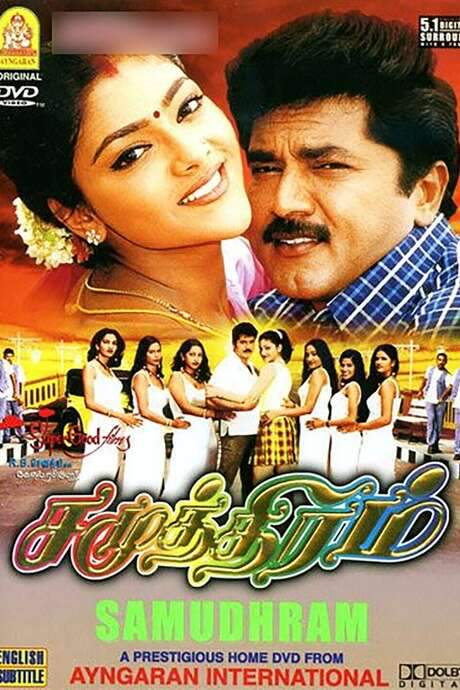
Samuthiram (2001) Full Movie Breakdown
Amaram (1991) Detailed Story Recap
Koduku Diddina Kapuram (1989) Movie Recap & Themes
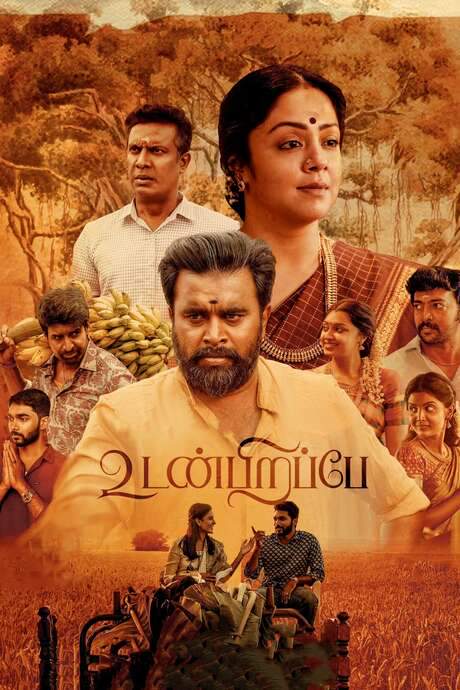
Udanpirappe (2021) Spoiler-Packed Plot Recap
Karumegangal Kalaiginrana (2023) Plot Summary & Ending Explained
Samooham (1993) Plot Summary & Ending Explained
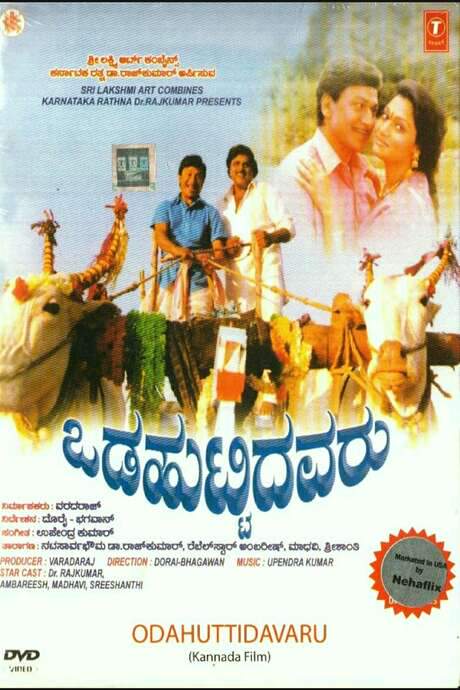
Odahuttidavaru (1994) Full Summary & Key Details
Suryavamsam (1997) Detailed Story Recap
Suyamvaram (1999) Complete Plot Breakdown
Veendum Chila Veettukaryangal (1999) Movie Recap & Themes
Santhosham (2023) Plot Summary & Ending Explained
Achchamundu Achchamundu (2009) Film Overview & Timeline
Samajavaragamana (2023) Full Summary & Key Details