Plot Explained Spoilers guaranteed!
Plot Explained

Browse by genre

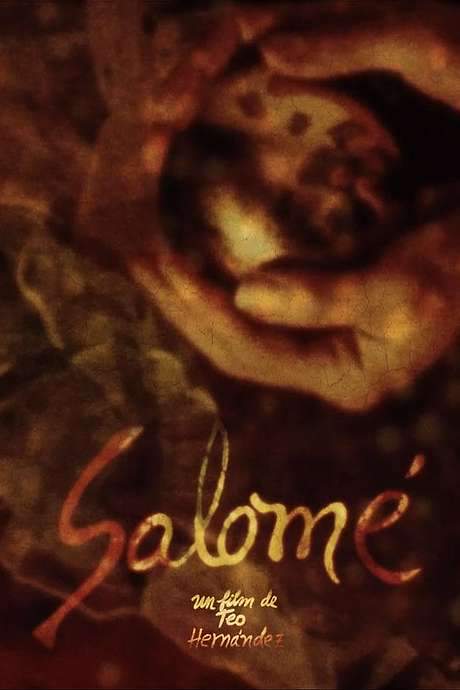
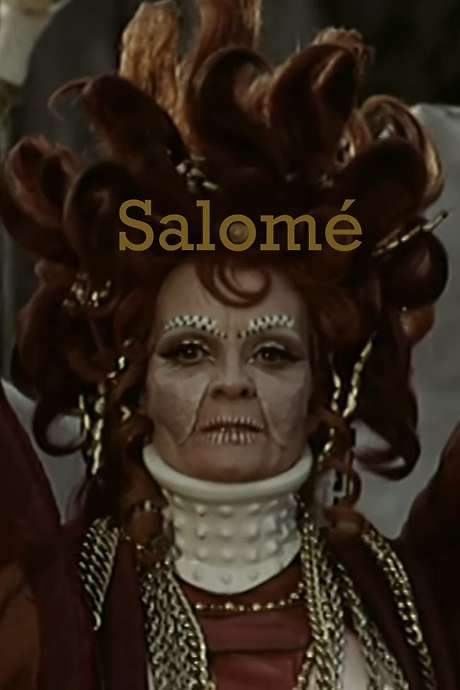
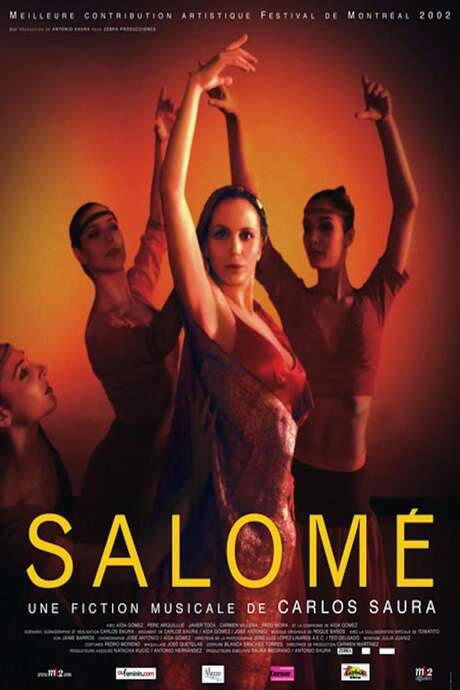
Salomé (2002) movie poster

Timeline

Salomé (2002) Timeline Explained – Every Event in Order

Release, runtime and language
2002 · 85 mins · Spanish
Loading streaming availability…
Directed by
Carlos Saura
Starring
Pere Arquillué, Paco Mora, Carmen Villena, Aída Gómez, Javier Toca, Aloña Alonso

Salomé’s story interpreted by a director and a troupe of flamenco dancers.

On this page (6)
  1. 1 Where to watch
  2. 2 Events in order (12)
  3. 3 Timeline questions answered
  4. 4 Movie threads
  5. 5 Movies like Salomé
  6. 6 Every angle
Loading streaming availability…

12 events in order · contains spoilers

Salomé Timeline: Events in Chronological Order

Every key event of Salomé (2002) in order, scene by scene, with when and where it takes place. Use it to untangle flashbacks, time jumps and parallel storylines, to refresh your memory before the sequel or to find the exact scene you are thinking of.

  1. Documentary framing and pre-production

    The film opens as a documentary, with the director outlining the scope of the project and how the show will be built from the ground up. He summarizes Salome's story and explains his purpose: to explore Salomé's attraction to John the Baptist and the revenge that follows. We see early planning sessions and an intent to film the working process.

    When
    Pre-production
    Where
    studio
  2. Creative team assembled and begin collaboration

    We meet the core crew—the musician, the score composer, the set designer, the choreographer, and the costume designer—who begin to shape the production. The film follows their creative conversations, sketching ideas, and testing movements. The troupe's cohesion and shared vision start to take form.

    When
    Pre-production
    Where
    studio
  3. Principals introduced and backstories shared

    Salomé, King Herod Antipas, John the Baptist, and Herodias are introduced as the central dancers and narrators. Each recounts their beginnings as dancers in childhood, including Salomé's battle with scoliosis and her rise to director of the Spanish National Ballet. John speaks of emigrating from Cuba, while Herod and Herodias confront parental resistance to their careers.

    When
    Early
    Where
    interview space
  4. Rehearsals begin and the process intensifies

    The troupe starts rehearsing the stage adaptation, translating biblical drama into ballet gesture and movement. The camera follows dancers through routines, cues, and small tensions that surface in performance. The director monitors progress, pushing for precision and emotional clarity.

    When
    During rehearsals
    Where
    rehearsal space
  5. Design and staging come together

    The team finalizes costumes, lighting, and the spare stage layout, balancing lush color with simplicity. Set pieces and outfits are tested, and dancers practice with props and cues. The union of design and choreography begins to give the production its visual identity.

    When
    Pre-performance
    Where
    costume shop / stage workshop
  6. Troupe rehearsals inform the plot's rhythm

    We watch rehearsal sequences that trace Salomé's growing longing for John and Herod's conflicting desires. The performers embody the emotional beats of the story, shaping timing and intensity. The process reveals how the 'Salomé' stage version translates a biblical narrative into dance.

    When
    During rehearsals
    Where
    stage rehearsal room
  7. Stage version sets up the birthday scene

    On the stage set, Herod marries Herodias and becomes enthralled with Salomé, who initially resists the request to dance. Herodias influences her daughter, pushing Salomé toward the provocative performance. The tension between power, desire, and duty begins to mount.

    When
    During the performance arc
    Where
    palace set
  8. Salomé performs the Dance of the Seven Veils

    Salomé finally agrees to dance for the king, and the choreography unfolds in a sensual, frenzied sequence. The king promises anything she asks, surrendering to the spell of the performance. The scene marks a turning point, blending artistic triumph with ominous undertones.

    When
    Climax of the dance
    Where
    stage
  9. Salomé's demand for John the Baptist's head

    In defiance, Salomé requests the head of John the Baptist, shocking the king who is torn between desire and prohibitions. He reluctantly agrees, yielding to her demand. The act reveals the deadly consequences of manipulation and ambition.

    When
    Climactic moment
    Where
    palace stage
  10. The head on a tray and Salomé's heartbreak

    John the Baptist's head is presented to Salomé on a tray, fulfilling the dangerous bargain. Yet Salomé realizes she still loves him, and the moment exposes the hollowness of power and manipulation. The emotional disintegration in the room is palpable.

    When
    After the demand
    Where
    palace
  11. Salomé's suicide

    Grief consumes Salomé and she hangs herself, bringing the violent arc to its end. The narrative intention shifts from spectacle to tragedy, underscoring the cost of desire and ambition. The production's personal cost is laid bare as the dancer pays the ultimate price.

    When
    Ending
    Where
    palace
  12. Film closes with meditation on art and tragedy

    The documentary frame lingers on the performers transforming through roles and back to themselves. The film invites reflection on how art, identity, and sacrifice intersect in the rehearsal room and on stage. The concluding moments tie the rehearsal’s intimacy to the audience's understanding of the story.

    When
    Post-production
    Where
    studio / stage

Last updated: October 09, 2025 at 15:23

Was this helpful?

Timeline questions answered

Salomé Timeline Explained: Your Questions Answered

When does it happen, and why in that order? The questions people ask about the chronology of Salomé (2002): time jumps, flashbacks, cause and effect between scenes and the correct order of events, each answered with spoilers.

Q1

Why does Salomé ask for John the Baptist's head if she loves him?

Salomé demands John's head as a strategic act of defiance and manipulation rather than from hatred. Throughout the performance, Herod has been pressuring her to dance, and John has rejected her feelings. By requesting something she knows will destroy Herod's integrity and trap him in his own promise, she weaponizes the king's desire against him. However, when the head is presented, she realizes her love for John remains, and the realization that she has become complicit in his murder, combined with the emptiness of her victory, drives her to suicide.

Foreshadowing: Earlier rehearsals show Salomé's growing frustration as John rebuffs her advances, hinting at how her rejected love could transform into a desire for revenge.

  • salome john the baptist head demand love revenge suicide
Q2

Why does Herodias push Salomé to perform the dance?

Herodias manipulates Salomé into dancing for multiple reasons rooted in her own power dynamics. As Herod's wife, she is trapped in a court where her husband obsesses over her stepdaughter, which undermines her own position. By urging Salomé to dance, she either hopes to redirect Herod's attention or believes Salomé will bring shame upon herself. Additionally, Herodias may view the dance as an opportunity to expose Salomé to the dangerous consequences of Herod'slust, using her daughter as a pawn in the courtly rivalry.

Foreshadowing: The early scenes establish Herodias as a competitive presence, and her interview segments reveal her understanding of the ruthless nature of their profession.

  • herodias salome dance manipulation power court herod
Q3

What is the significance of the Dance of the Seven Veils in the story?

The Dance of the Seven Veils represents the turning point where Salomé's sensuality becomes a weapon. As she performs, the choreography shifts from elegant to feverish, visually escalating the erotic tension that has been building. This dance is what finally breaks Herod's restraint, causing him to promise Salomé anything she desires. The dance thus marks the moment where the narrative shifts from buildup to consequence, it is the catalyst that makes Salomé's deadly request possible.

Foreshadowing: Rehearsal scenes leading up to this moment focus on building the emotional intensity and the gradual escalation of Salomé's movements.

  • seven veils dance salome herod promise climax performance
Q4

Why does Salomé kill herself after getting John's head?

Salomé's suicide occurs because receiving the head forces her to confront the reality of what she has done. In the heat of defiance, she asked for John's head believing it would give her power or satisfaction, but when presented with his severed head, she is overwhelmed by the realization that her love for him was never extinguished. The act of violence has not healed her emotional wound, it has only deepened it. The combination of grief, guilt, and the hollowness of her supposed victory becomes unbearable, leading her to end her own life.

Foreshadowing: Rehearsal moments show Salomé's emotional fragility and the director pushing for emotional authenticity in portraying unrequited love.

  • salome suicide john head grief guilt tragedy ending
Q5

Why does King Herod agree to execute John the Baptist?

Herod agrees to behead John because he is trapped by his own promise. During the Dance of the Seven Veils, Herod is so consumed by desire and the spell of the performance that he publicly declares he will grant Salomé anything she asks, regardless of what it costs him. When Salomé demands John's head, Herod is torn between his desire for Salomé and his awareness that John is a prophet with followers. However, refusing would expose his inability to control his own court and would make his public promise meaningless, so he reluctantly orders the execution to preserve his honor and authority.

Foreshadowing: Earlier scenes establish Herod's conflicted nature, his fascination with Salomé battles with his awareness of political consequences.

  • herod john beheading promise execution honor king
Q6

How does the documentary part connect to the stage performance?

The documentary footage of the dancers preparing and rehearsing serves as a frame that contextualizes the stage performance within the real lives of the performers. By showing Aída Gómez discussing her struggle with scoliosis and her journey leading the Spanish National Ballet, the film humanizes the actors before they transform into their biblical characters. This creates a layered effect: the audience watches dancers become their roles, making the eventual tragedy on stage feel more intimate and personally costly to the performers.

Foreshadowing: The opening scenes establish the director's intent to explore Salomé's attraction to John and the revenge that follows, framing the entire production.

  • documentary rehearsal stage performance dancers preparation frame
Q7

Why does Salomé initially refuse to dance for Herod?

Salomé's initial refusal to dance demonstrates her dignity and awareness of the dangerous dynamics at play. She recognizes that performing for Herod would feed his obsession and place her in a vulnerable position. However, Herodias's pressure pushes her toward compliance. Her eventual agreement to dance becomes a pivotal character moment, it shifts her from a position of resistance to one of active participation in the tragic events, making her subsequent demand for John's head feel like a deliberate act of defiance rather than mere coercion.

Foreshadowing: Early interviews with Salomé emphasize her strength and independence as a dancer and director, making her屈服 more significant.

  • salome refusal dance herod resistance dignity herodias pressure
Q8

How does Salomé's scoliosis factor into the story?

Salomé's scoliosis is presented as a defining aspect of her real-life identity as Aída Gómez, highlighting her journey from physical adversity to becoming director of the Spanish National Ballet. In the documentary segments, her triumph over this condition symbolizes her strength and determination. This background adds depth to her character on stage, her ability to overcome physical limitations mirrors the emotional struggles she faces as Salomé, reinforcing the theme of personal sacrifice and the cost of artistic ambition.

Foreshadowing: The early interview segments prominently feature her scoliosis story, establishing it as a key part of her identity before the performance begins.

  • scoliosis aida gomez salome dancer overcoming struggle background
Q9

What motivates King Herod's obsession with Salomé?

Herod's obsession with Salomé stems from a combination of desire and power dynamics inherent in his court. As king, Herod is accustomed to having anything he wants, and Salomé's beauty and mystery represent something he cannot simply command. His fascination is intensified by the forbidden nature of his desire, Salomé is his stepdaughter, making his longing taboo. The film suggests his obsession is less about genuine love and more about conquest and the thrill of pursuing something unattainable, which makes his willingness to promise anything during her dance more believable.

Foreshadowing: Scenes in the palace set establish Herod's restless energy and the tension between himself and Salomé from early interactions.

  • herod obsession desire stepdaughter court power forbidden
Q10

What does the film's ending suggest about art and sacrifice?

The film's closing meditation suggests that artistic creation can be deeply intertwined with personal sacrifice and transformation. By showing the dancers revert from their biblical roles back to themselves, the documentary emphasizes how performers pour their real struggles into their art. Salomé's suicide on stage becomes a metaphor for the emotional toll of creative expression, the character and performer converge, suggesting that true art sometimes requires devastating honesty. The ending invites viewers to consider the cost of transforming personal pain into performance.

Foreshadowing: The director's opening statement about exploring Salomé's attraction and revenge establishes the intent to make the production emotionally真实的.

  • art sacrifice tragedy ending performance transformation dancers

Movie threads

More Movies Like Salomé, by Mood & Story

Curated lists built around what makes Salomé tick: the same mood, the same kind of story or the same emotional payoff. Each list explains why these movies belong together.

Movies about the cost of art like Salomé

Stories where the creation of a masterpiece mirrors the creator's personal tragedy. Explore stories where the creation of art mirrors deep personal struggles. If you liked the intense, behind-the-scenes drama and tragic culmination of Salomé, you'll find other movies about obsessive artists, dramatic rehearsals, and the heavy emotional weight of performance.

  • dramatic
  • introspective
  • collaborative
  • tragic
  • melancholic
  • feverish
  • Tone: dramatic, melancholic, introspective
  • Pacing: variable, building to a climax
Why these movies?

The story pattern: Narratives in this thread typically follow a dual structure, juxtaposing the real-world challenges and psychological drama of the creators with the heightened, dramatic world of their art. The climax often involves the performance or completion of the art piece, which serves as a cathartic, but frequently tragic, resolution to the personal conflicts.

Why they belong together: Movies are grouped here because they share a deep focus on the collaborative and often feverish process of artistic creation, a melancholic tone, and the thematic exploration of how personal sacrifice and psychological drama fuel great art, leading to emotionally resonant and dramatic conclusions.

Dark sensual tragedies like Salomé

Dark tales where uncontrollable desire leads to a fatal, dramatic conclusion. Discover movies with the dark, sensual vibe and tragic endings of Salomé. If you were captivated by the themes of obsessive desire, power dynamics, and fatal consequences, this thread collects similar dramatic stories of tragic love and psychological drama.

  • sensual
  • dramatic
  • tragic
  • feverish
  • melancholic
  • psychological
  • Tone: dark, sensual, tragic
  • Pacing: steady to fast, dramatic build
Why these movies?

The story pattern: The narrative pattern follows a character driven by a powerful, all-consuming desire—often for an unattainable object of affection. This obsession inevitably corrupts, leading to a dramatic abuse of power, a climactic act of revenge or sacrifice, and a conclusion that is deeply sad or bleak, emphasizing the tragic cost of their passion.

Why they belong together: These films are linked by their shared dark tone, heavy emotional weight, and focus on the dangerous intersection of sensual desire and power. They deliver a consistently intense, dramatic experience centered on tragic character arcs and psychologically complex motivations.

If you liked this

Movies Like Salomé

Similar movies to Salomé: the same genre, themes or kind of story. Each one comes with its own plot summary, timeline and ending explained.

Browse all movie summaries

Every angle

Salomé (2002) Explained: Plot, Timeline & Characters

Everything about Salomé in one place: what happens in the plot summary, the timeline in chronological order, the characters and meaning and a spoiler-free summary. What's After the Movie adds the cast, box office and post-credit scenes.

Coming soon on iOS and Android

The Plot Explained Movie Summary App

Plot summaries, endings explained and timelines on your phone. Catch up on any movie in minutes, save your favorites and never miss a twist again.

Be the first to know when we launch. Your email stays private, always.

Learn more about the app