Plot Explained Spoilers guaranteed!
Plot Explained

Browse by genre

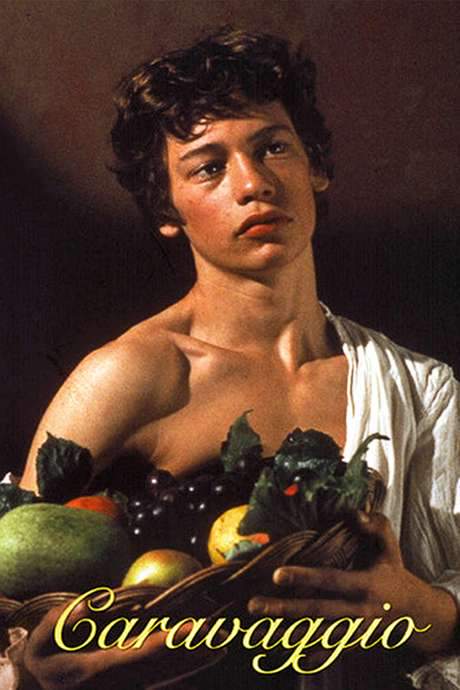
Caravaggio (1986) movie poster

Plot Summary

Caravaggio (1986) Plot Summary Explained

Release, runtime and language
1986 · 93 mins · English
Loading streaming availability…
Starring
Tilda Swinton, Robbie Coltrane, Sean Bean, Garry Cooper, Dexter Fletcher, Nigel Davenport

His passion came with a price. The film retells the turbulent life of 17th‑century Baroque master Michelangelo Merisi da Caravaggio, tracing how his revolutionary, almost blasphemous canvases—marked by stark chiaroscuro and raw humanity—mirrored his reckless entanglements with the criminal underworld, leading to violence, exile, and a lasting artistic legacy.

On this page (6)
  1. 1 Where to watch
  2. 2 What happens: full plot
  3. 3 Plot questions answered
  4. 4 Movie threads
  5. 5 Movies like Caravaggio
  6. 6 Every angle
Loading streaming availability…

Full plot summary · contains spoilers

What Happens in Caravaggio: Full Plot Summary

The whole story of Caravaggio (1986) explained, from the opening scene to the final frame: every key event, every twist and what it all adds up to. Read it as a quick recap before the sequel, to check a scene you missed, or to finally understand what really happened.

Caravaggio Nigel Terry dies from lead poisoning while in exile, accompanied by his long-time, mute companion Jerusaleme Spencer Leigh, who was given by his family to the artist as a boy. Caravaggio thinks back to his life as a teenage street ruffian who hustles and paints. While taken ill and in the care of priests, the young Caravaggio catches the eye of Cardinal Francesco Maria del Monte [Michael Gough], who nurtures his artistic and intellectual development but seems to molest him.

As an adult, Caravaggio still lives under the roof of, and paints with the funding of, del Monte. He employs street people, drunks and prostitutes as models for his intense, usually religious paintings. He is depicted as frequently brawling, gambling, getting drunk and is implied to sleep with both male and female models. In the art world, Caravaggio is regarded as vulgar and entitled for his Vatican connections.

One day, Ranuccio [Sean Bean] introduces Caravaggio to his girlfriend Lena [Tilda Swinton], who also becomes a model to the artist. When both Ranuccio and Lena are separately caught kissing Caravaggio, each displays jealousy over the artist's attentions. Lena announces she is pregnant without stating who the father is and will become a mistress to the wealthy Scipione Borghese [Robbie Coltrane]. Soon, she is found murdered by drowning. Ranuccio weeps as Caravaggio and Jerusaleme clean Lena's body. Caravaggio is shown painting Lena after she dies and mournfully writhing with her body. Ranuccio is arrested for Lena's murder, but he claims to be innocent. Caravaggio pulls strings and goes to the pope [Jack Birkett] to free Ranuccio. When Ranuccio is freed, he tells Caravaggio he killed Lena so they could be together. In response, Caravaggio cuts Ranuccio's throat, killing him. Back on his deathbed, Caravaggio is shown having visions of himself as a boy and trying to refuse the last rites offered him by the priests.

Last updated: October 09, 2025 at 14:40

Was this helpful?

Plot questions answered

Caravaggio Plot Explained: Your Questions Answered

The questions people ask most about Caravaggio (1986): what happens in the confusing scenes, why the characters do what they do, the twists, hidden details and what the ending means. Each answer contains spoilers.

Q1

Why does Caravaggio kill Ranuccio after learning the truth about Lena?

Caravaggio kills Ranuccio because Ranuccio confesses that he drowned Lena so they could be together. This revelation shatters Caravaggio, he had used his connections to free Ranuccio from prison, believing in his innocence. The betrayal and possessiveness (both Ranuccio's and his own) drive Caravaggio to cut Ranuccio's throat in a fit of jealous rage, marking the violent culmination of the love triangle.

Foreshadowing: Earlier, both Ranuccio and Lena show jealousy when they catch Caravaggio kissing the other, establishing the volatile dynamics that later explode into murder.

  • Ranuccio
  • Caravaggio murder
  • Lena death
  • jealousy
  • confession
Q2

Who killed Lena in the film?

Ranuccio claims responsibility for Lena's murder after being freed from prison. He tells Caravaggio that he killed her so they could be together, implying he drowned her. However, the film leaves some ambiguity, Lena was found drowned, but no explicit murder scene is shown, and the truth ultimately leads to Ranuccio's own death at Caravaggio's hands.

Foreshadowing: Lena's announcement that she is pregnant and will become mistress to the wealthy Scipione Borghese creates the motive that drives Ranuccio to desperate action.

  • Lena murder
  • Ranuccio
  • drowning
  • confession
Q3

What is the nature of Caravaggio's relationship with Cardinal del Monte?

Cardinal del Monte is Caravaggio's patron who takes the young artist into his home, nurturing his artistic and intellectual development. However, the film depicts the relationship as exploitative, the young Caravaggio was taken ill and in the care of priests when the Cardinal noticed him, and the narrative implies the Cardinal molests the teenager. As an adult, Caravaggio continues living under del Monte's roof and funding, creating a lifelong dynamic of dependency and abuse.

Foreshadowing: The opening scenes establish how Caravaggio was brought into del Monte's household as a vulnerable young man, setting up the power imbalance that defines their relationship.

  • Cardinal del Monte
  • patronage
  • exploitation
  • abuse
  • Caravaggio mentor
Q4

Why does Lena become pregnant and who is the father?

Lena announces she is pregnant but refuses to name the father, creating ambiguity around whether the child belongs to Caravaggio, Ranuccio, or another man entirely (possibly Scipione Borghese, whom she plans to become a mistress to). This pregnancy escalates the tension in the love triangle and directly leads to her decision to seek a wealthier protector, which in turn motivates Ranuccio's crime.

Foreshadowing: Both Ranuccio and Lena are separately caught kissing Caravaggio, suggesting all three were sexually involved, which makes the paternity question unresolved but crucial to the story's dynamics.

  • Lena pregnancy
  • paternity
  • Ranuccio
  • love triangle
Q5

Why does Caravaggio refuse last rites at the end?

On his deathbed, Caravaggio experiences visions of himself as a boy and refuses the last rites offered by priests. This act represents his lifelong defiance of institutional authority and the Catholic Church that both patronized and persecuted him. Despite relying on religious commissions for his livelihood, he rejects the Church's final offering, maintaining his rebellious nature to the end.

Foreshadowing: Throughout his life, Caravaggio's art challenges religious conventions with raw, controversial depictions, establishing his contentious relationship with Church authority.

  • last rites
  • deathbed
  • Caravaggio death
  • rejection
  • priests
Q6

What role does Jerusaleme play in the film?

Jerusaleme is Caravaggio's long-time mute companion who was given to the artist by his family as a boy. He remains silently devoted to Caravaggio throughout his life, accompanying him through his turbulent career. He witnesses key events including cleaning Lena's body after her death and being present when Caravaggio kills Ranuccio. He stays with Caravaggio until the artist's death in exile, representing unwavering, silent loyalty.

Foreshadowing: Jerusaleme is introduced in Caravaggio's teenage years, establishing his constant presence throughout the artist's life.

  • Jerusaleme
  • mute companion
  • loyal servant
  • Caravaggio life
Q7

How does Caravaggio die in the film?

Caravaggio dies from lead poisoning while in exile, accompanied only by his faithful companion Palestrina. The film frames his death at the opening and returns to it at the end, showing him on his deathbed with visions of his childhood. His final moments are marked by defiance as he refuses last rites from priests, and he dies in exile having been rejected by the Church and patrons who once supported him.

Foreshadowing: The film opens with his deathbed scene, establishing the tragic end that frames the entire narrative.

  • Caravaggio death
  • lead poisoning
  • exile
  • deathbed
Q8

Why does Caravaggio paint Lena after her death?

After Lena is found drowned, Caravaggio and Palestrina clean her body. Caravaggio then paints her posthumously, depicted mournfully writhing with her corpse. This act reflects his controversial artistic practice of using real models, including dead ones, and transforms his personal grief and obsession into art, blurring the line between beauty and death that defines his work.

Foreshadowing: Caravaggio's art consistently uses real people from his life as models, including street people, drunks, and prostitutes, establishing his method of transcribing life directly into painting.

  • Caravaggio painting
  • Lena death
  • art
  • posthumous portrait
Q9

Why is Ranuccio arrested for Lena's murder?

Ranuccio is arrested on suspicion of murdering Lena because he had the clearest motive, he was her boyfriend and knew she was planning to become mistress to the wealthy Scipione Borghese, which would have ended their relationship. While maintaining his innocence initially, he is later freed when Caravaggio pulls strings with the Pope, only to then confess to the crime.

Foreshadowing: Lena's announcement about becoming Borghese's mistress creates the immediate motive that places Ranuccio under suspicion.

  • Ranuccio arrest
  • Lena murder
  • police
  • Pope intervention
Q10

Why is Caravaggio controversial in the art world?

Caravaggio is considered vulgar and entitled in the art world because he uses unconventional models, street people, drunks, and prostitutes, for his intense religious paintings. Despite his controversial reputation and frequent brawling, gambling, and drinking, his Vatican connections grant him access and patronage that other painters lack. His revolutionary chiaroscuro technique and raw, human depiction of religious subjects shock conservative audiences while influencing generations of artists.

Foreshadowing: Under Cardinal del Monte's patronage, Caravaggio gains access to religious commissions despite his scandalous behavior and unorthodox methods.

  • Caravaggio art
  • controversy
  • Vatican
  • chiaroscuro
  • painting style

Movie threads

More Movies Like Caravaggio, by Mood & Story

Curated lists built around what makes Caravaggio tick: the same mood, the same kind of story or the same emotional payoff. Each list explains why these movies belong together.

Movies about artistic genius and self-destruction like Caravaggio

Biographies where immense creative vision is fueled by a dark and reckless life. If you liked the intense portrayal of Caravaggio's tumultuous life, you'll find similar stories here. This collection features movies about famous artists and creators whose revolutionary work is intrinsically linked to their self-destructive behaviors, volatile relationships, and dark personal struggles.

  • biographical
  • turbulent
  • tragic
  • passionate
  • gritty
  • melancholic
  • Tone: dark, tragic, intense
  • Pacing: steady, character-driven
Why these movies?

The story pattern: These narratives typically follow a biographical or quasi-biographical arc, charting the rise of a unique talent alongside their descent into hedonism, violence, or mental turmoil. The central conflict is often between the purity of the art and the messiness of the artist's life, leading to tragic consequences.

Why they belong together: This thread groups films that share a fascination with the connection between genius and madness. They are united by a dark tone, a heavy emotional weight, and a focus on the personal cost of great art, offering a raw and unvarnished look at creative passion.
Bleak period dramas of passion and crime like Caravaggio

Historical stories where illicit love and criminal desires lead to moral decay. For viewers who enjoyed the gritty, sensual, and violent world of Caravaggio, this thread gathers similar historical dramas. These movies explore the dark side of history, featuring complex LGBTQ+ relationships, criminal underworlds, and passionate characters whose actions lead to downfall.

  • homoerotic
  • violent
  • melancholic
  • turbulent
  • sensual
  • gritty
  • Tone: dark, sensual, violent
  • Pacing: steady, deliberate
Why these movies?

The story pattern: The plot often revolves around a central, morally compromised character navigating a world of strict social codes. Their illicit passions—often homosexual or otherwise taboo—clash with the power structures of their time, sparking a chain of events involving crime, jealousy, and violence that culminates in a bleak resolution.

Why they belong together: Movies in this thread are connected by their dark, sensual atmosphere, their exploration of taboo relationships in historical settings, and their unflinching portrayal of how passion can corrupt and destroy. They share a high degree of intensity and a consistently somber mood.

If you liked this

Movies Like Caravaggio

Similar movies to Caravaggio: the same genre, themes or kind of story. Each one comes with its own plot summary, timeline and ending explained.

Browse all movie summaries

Every angle

Caravaggio (1986) Explained: Plot, Timeline & Characters

Everything about Caravaggio in one place: what happens in the plot summary, the timeline in chronological order, the characters and meaning and a spoiler-free summary. What's After the Movie adds the cast, box office and post-credit scenes.

Coming soon on iOS and Android

The Plot Explained Movie Summary App

Plot summaries, endings explained and timelines on your phone. Catch up on any movie in minutes, save your favorites and never miss a twist again.

Be the first to know when we launch. Your email stays private, always.

Learn more about the app