Plot Explained Spoilers guaranteed!
Plot Explained

Browse by genre

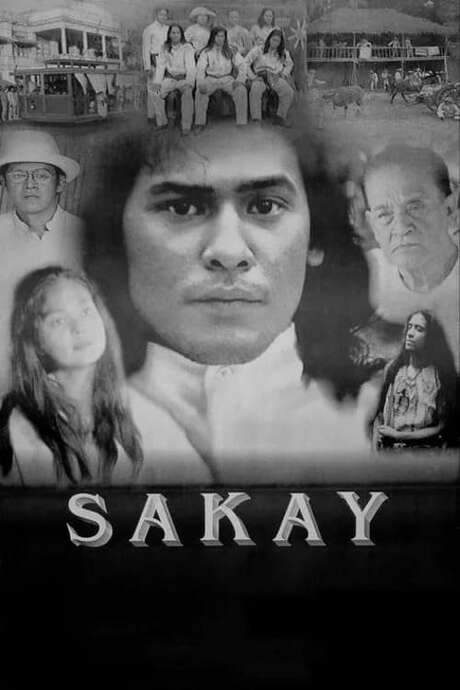
Sakay (1993) movie poster

Timeline

Sakay (1993) Timeline Explained – Every Event in Order

Release, runtime and language
1993 · 90 mins · Tagalog
Loading streaming availability…
Directed by
Raymond Red
Starring
Jake Macapagal, Tetchie Agbayani, Allan Paule, Ermie Concepcion, Nanding Josef, Cherry Pie Picache

The film chronicles the life of Filipino patriot Macario Sakay, portraying his decision to keep armed resistance alive after the so‑called end of the Philippine Insurrection. Declared an outlaw by the United States, Sakay’s guerrilla campaign, his bid for a Tagalog Republic, and his eventual capture and trial are depicted, underscoring his legacy.

On this page (6)
  1. 1 Where to watch
  2. 2 Events in order (12)
  3. 3 Timeline questions answered
  4. 4 Movie threads
  5. 5 Movies like Sakay
  6. 6 Every angle
Loading streaming availability…

12 events in order · contains spoilers

Sakay Timeline: Events in Chronological Order

Every key event of Sakay (1993) in order, scene by scene, with when and where it takes place. Use it to untangle flashbacks, time jumps and parallel storylines, to refresh your memory before the sequel or to find the exact scene you are thinking of.

  1. Joins Katipunan and begins revolutionary activity

    Macario Sakay, a carriage factory worker and stage actor from Tondo, Manila, joins the Katipunan and becomes part of the revolutionary movement. He fights against Spanish forces during the Philippine Revolution and later participates in the Philippine–American War. This marks the start of his long involvement in organized resistance.

    Where
    Tondo, Manila
  2. Fights across the Revolution and the Philippine–American War

    Sakay wages combat against colonial forces across multiple fronts in the Philippines. He remains an active participant in the broader struggle as the conflict shifts from Spanish to American rule. The timeline underscores his commitment to continuing resistance.

  3. Stays in the field after Aguinaldo's capture

    Even after the capture of President Emilio Aguinaldo and the fall of the First Philippine Republic, Sakay refuses to surrender. He keeps operating in the field, maintaining pressure on occupying forces. His continued presence signals a broader rebellion beyond the formal republic.

  4. Retreat to mountains and revival of Katipunan

    Sakay moves to mountain strongholds to restart the Katipunan's organizational network. He gathers fellow leaders such as Carreon, Montalan, and Felizardo to rebuild the rebellion. The move marks a shift from conventional warfare to guerrilla operations.

    Where
    Mountain strongholds in the Philippines
  5. Proclaims himself General and President of Tagalog Republic

    From the mountain base, Sakay declares himself General and President of the Tagalog Republic, signaling a formal rejection of colonial governance. He seeks to organize resistance under a national banner. This proclamation solidifies his role as a leading rebel figure.

  6. Guerrilla warfare against US Army and Philippine Constabulary

    Sakay engages the United States Army and the Philippine Constabulary in ongoing guerrilla warfare. The campaign relies on hit-and-run tactics, mobility, and the terrain of the mountains. The strategy aims to sustain resistance despite superior force.

  7. Aid from talisman-wearing cultist warriors

    At times he is aided by talisman-wearing cultist warriors, adding a supernatural dimension to the campaign. Their presence boosts morale and complicates enemy operations. These episodes contribute to the mythic aura around Sakay's rebellion.

  8. Convinced to surrender by Dr. Dominador Gomez

    Filipino labor leader Dr. Dominador Gomez persuades Sakay to consider surrender by arguing that a Philippine National Assembly could advance independence. He outlines a path that could win amnesty or a political settlement. The dialogue reflects a strategic pivot away from long-term armed resistance.

  9. Down from the mountains with amnesty understanding

    Following Gomez's argument, Sakay and his officers descend from the mountains with the understanding that the American government offers amnesty. The departure signals a potential political settlement rather than ongoing fighting. It sets the stage for the subsequent trap.

  10. Ruse invitation to Cavite and arrest

    As part of a trap, Sakay and his officers are invited to a reception in Cavite and are arrested. The invitation is presented as a peaceful gathering, but it serves to capture the rebel leaders. The capture interrupts the planned transition to a political settlement.

    Where
    Cavite, Philippines
  11. Trial and conviction for brigandage

    Sakay and his fellow leaders are tried and convicted for brigandage. The trial marks the formal end of the rebellion in legal terms, with heavy sentences and public condemnation. It demonstrates the resolve of the new government to suppress the rebellion.

    Where
    Cavite
  12. Execution of Sakay and de Vega; life imprisonment for others

    Sakay and Colonel Lucio de Vega are hanged, while Montalan and others receive life imprisonment. The executions seal the fate of the movement's leadership. The event closes a chapter in the struggle for independence and catalyzes reflection on the means and ends of resistance.

Last updated: February 17, 2026 at 19:58

Was this helpful?

Timeline questions answered

Sakay Timeline Explained: Your Questions Answered

When does it happen, and why in that order? The questions people ask about the chronology of Sakay (1993): time jumps, flashbacks, cause and effect between scenes and the correct order of events, each answered with spoilers.

Q1

Why did Macario Sakay continue fighting after President Emilio Aguinaldo was captured?

Sakay refused to surrender even after Aguinaldo's capture because he believed the revolutionary cause extended beyond any single leader or the formal First Philippine Republic. He viewed the resistance as a broader popular movement rather than a centralized military structure, and he maintained that armed struggle was necessary to achieve true independence from American colonial rule.

Foreshadowing: Early in the film, Sakay's commitment to the Katipunan's ideals is shown through his participation in secret society meetings, establishing his deep personal investment in the cause.

  • aguinaldo capture
  • first philippine republic
  • continued resistance
  • katipunan ideals
Q2

Why did Sakay proclaim himself General and President of the Tagalog Republic?

Sakay declared himself General and President of the Tagalog Republic to establish a formal alternative to American colonial governance. By creating a recognized rebel government, he aimed to maintain political legitimacy, organize resistance under a national banner, and signal to both his followers and the enemy that the independence movement persisted as an organized entity despite the fall of the First Republic.

Foreshadowing: His earlier role in the Katipunan, which sought to establish a sovereign Filipino nation, foreshadows his drive to create a formal rebel government.

  • tagalog republic
  • rebel government
  • independence movement
  • katipunan revival
Q3

What argument convinced Sakay to surrender to the Americans?

Labor leader Dr. Dominador Gomez persuaded Sakay that pursuing independence through a Philippine National Assembly, a elected Filipino legislative body, was more effective than continued armed resistance. Gomez argued that political participation could achieve what military action could not, potentially securing amnesty and a path to self-governance. Sakay decided to pursue this diplomatic route despite years of guerrilla warfare.

Foreshadowing: The prolonged guerrilla campaign had drainSakay's forces over years, making the promise of a political solution appear strategically appealing.

  • dominador gomez
  • philippine national assembly
  • surrender
  • political resistance
  • amnesty
Q4

Why was the Cavite invitation a trap for Sakay and his officers?

The Americans invited Sakay and his fellow rebel leaders to a reception in Cavite under the pretense of negotiating amnesty and a political settlement. However, the invitation was a ruse designed to capture the rebel leadership in one coordinated operation. Once Sakay and his officers arrived expecting peace talks, they were arrested by American forces.

Foreshadowing: Gomez's argument that the Americans offered genuine amnesty establishes the false sense of security that makes the betrayal possible.

  • cavite trap
  • fake amnesty
  • arrest
  • american deception
  • surrender
Q5

Why was Sakay convicted of brigandage rather than treason or rebellion?

The American colonial authorities convicted Sakay for brigandage, a charge typically used for criminal banditry, rather than political rebellion. This legal strategy denied his movement political legitimacy and framed his armed resistance as mere criminal activity. The conviction allowed the Americans to execute him without acknowledging he was a prisoner of war or political combatant fighting for independence.

Foreshadowing: The film shows Sakay's guerrilla warfare as disciplined resistance, contrasting sharply with the brigandage charge that portrays him as a common criminal.

  • brigandage conviction
  • legal charges
  • execution
  • american colonial courts
  • political legitimacy
Q6

Who were the talisman-wearing cultist warriors that aided Sakay?

The talisman-wearing cultist warriors were supernatural or mystical fighters who joined Sakay's guerrilla campaign, wearing protective amulets and talismans. Their involvement added a supernatural dimension to the resistance, boosting rebel morale and creating fear among enemy forces. These figures reflect the mythic quality surrounding Sakay's rebellion in Philippine historical memory.

Foreshadowing: Earlier scenes showing the Katipunan's use of secret rituals and spiritual practices establish the blend of mysticism and resistance that the cultist warriors represent.

  • cultist warriors
  • talismans
  • supernatural
  • guerrilla warfare
  • mystical fighters
Q7

Why was Sakay executed while other rebel leaders received life imprisonment?

Sakay and Colonel Lucio de Vega were sentenced to death and hanged because they were viewed as the primary architects and leaders of the Tagalog Republic rebellion. As the self-declared President of the rebel government, Sakay represented the greatest threat to American authority and was therefore made an example of. Lower-ranking commanders like Julian Montalan received life imprisonment, as their roles were considered less significant to the overall movement.

Foreshadowing: Sakay's proclamation of himself as President directly identified him as the leader to be eliminated to crush the rebellion.

  • sakay execution
  • lucio de vega
  • death sentence
  • life imprisonment
  • montalan
Q8

What happened to the Tagalog Republic after Sakay's capture?

With Sakay's capture, trial, and execution, the Tagalog Republic ceased to exist as an organized rebel government. The hanging of Sakay and de Vega eliminated the movement's leadership, while surviving commanders like Montalan were imprisoned for life. This marked the effective end of the armed resistance in the region, though the broader struggle for Philippine independence continued through political means.

Foreshadowing: The ruse invitation in Cavite was specifically designed to capture the entire leadership at once, ensuring the movement would collapse without its heads.

  • tagalog republic end
  • capture aftermath
  • rebel movement collapse
  • philippine independence struggle
Q9

Why did the Americans offer amnesty to Sakay and his fighters?

The Americans offered amnesty as a strategic approach to end the costly guerrilla resistance. After years of fighting Sakay's forces in mountainous terrain, the Americans recognized that prolonged warfare was expensive and counterproductive to their goal of establishing stable colonial rule. Amnesty offered a way to dismantle the rebellion without continued military expense, though the offer was weaponized as a trap rather than genuinely offered.

Foreshadowing: The prolonged guerrilla warfare described in the timeline shows the significant drain on American resources, explaining their willingness to use diplomatic tactics.

  • american amnesty strategy
  • guerrilla warfare costs
  • colonial rule
  • political settlement

Movie threads

More Movies Like Sakay, by Mood & Story

Curated lists built around what makes Sakay tick: the same mood, the same kind of story or the same emotional payoff. Each list explains why these movies belong together.

Tragic Revolutionary Epics like Sakay

Sobering stories of doomed rebellions and fallen heroes. Find more movies that capture the grim determination and heavy emotional weight of revolutionary stories like Sakay. These films follow similar arcs of doomed resistance and political martyrdom for viewers who appreciate sobering historical dramas.

  • grim
  • patriotic
  • tragic
  • oppressive
  • hopeless
  • resolute
  • Tone: bleak, tragic, somber
  • Pacing: steady, chronological
Why these movies?

The story pattern: The narrative follows a linear, historically-inspired arc where a determined leader fights an uphill battle against a powerful oppressor. The story builds steadily towards an unavoidable tragic conclusion, emphasizing the protagonist's resolute spirit in the face of a bleak and crushing outcome.

Why they belong together: Movies in this thread are united by their focus on revolutionary figures whose noble struggles end in personal tragedy. They share a bleak tone, high emotional intensity, and a straightforward narrative structure that highlights the grim reality of historical resistance.

Bleak Historical Biographies similar to Sakay

Sobering character studies of real figures facing immense hardship. Explore movies like Sakay that offer a grim look at historical figures. If you were captivated by the steady pacing and heavy emotional weight of Sakay's true story, this thread features other somber biographical dramas.

  • grim
  • tragic
  • oppressive
  • somber
  • historical
  • determined
  • Tone: somber, bleak, oppressive
  • Pacing: steady, deliberate
Why these movies?

The story pattern: These films typically follow a straightforward chronological structure, tracing the life of a historical figure from a point of conviction or action through to their downfall or martyrdom. The narrative builds a palpable sense of oppression and inevitable tragedy.

Why they belong together: They share a commitment to historical authenticity, a somber and grim mood, and a focus on the emotional toll of real-life struggles. The combination of a steady pace and heavy emotional weight creates a cohesive, sobering viewing experience.

If you liked this

Movies Like Sakay

Similar movies to Sakay: the same genre, themes or kind of story. Each one comes with its own plot summary, timeline and ending explained.

Browse all movie summaries

Every angle

Sakay (1993) Explained: Plot, Timeline & Characters

Everything about Sakay in one place: what happens in the plot summary, the timeline in chronological order, the characters and meaning and a spoiler-free summary. What's After the Movie adds the cast, box office and post-credit scenes.

Coming soon on iOS and Android

The Plot Explained Movie Summary App

Plot summaries, endings explained and timelines on your phone. Catch up on any movie in minutes, save your favorites and never miss a twist again.

Be the first to know when we launch. Your email stays private, always.

Learn more about the app