Plot Explained Spoilers guaranteed!
Plot Explained

Browse by genre

Rosie Jones: Am I A R*tard? (2023) movie poster

Timeline

Rosie Jones: Am I A R*tard? (2023) Timeline Explained – Every Event in Order

Release, runtime and language
2023 · 47 mins · English
Loading streaming availability…
Directed by
Tom Levinge
Starring
Rosie Jones, Nikki Fox

Comedian Rosie Jones confronts the relentless online trolling she experiences due to her cerebral palsy. The film explores the prevalence of disability-related abuse in the UK and the lack of accountability for those responsible. Through her own experiences, Jones seeks to understand the motivations behind this behavior and issues a call to action, encouraging viewers to challenge and end the suffering inflicted upon those with disabilities.

On this page (5)
  1. 1 Where to watch
  2. 2 Events in order (15)
  3. 3 Timeline questions answered
  4. 4 Movie threads
  5. 5 Every angle
Loading streaming availability…

15 events in order · contains spoilers

Rosie Jones: Am I A R*tard? Timeline: Events in Chronological Order

Every key event of Rosie Jones: Am I A R*tard? (2023) in order, scene by scene, with when and where it takes place. Use it to untangle flashbacks, time jumps and parallel storylines, to refresh your memory before the sequel or to find the exact scene you are thinking of.

  1. Rosie Jones Opens the Documentary

    Rosie Jones begins the documentary by explaining why the title uses 'the R-word' and the serious harm the slur causes. She establishes that the film will explore the abuse she and other disabled people face online and in everyday life.

  2. Wearing Headphones in Public

    Jones reveals that she wears headphones whenever she goes out in public. She does this specifically to avoid hearing the harassing comments that strangers shout at her on the street.

  3. Early Television Appearances and the Backlash

    The documentary looks back at Jones' early television appearances, which quickly attracted abusive social media posts. The cruel comments in response to her work began piling up as her public profile grew.

  4. Nearly Quitting Comedy

    Jones explains that the abusive messages she received almost drove her to give up comedy altogether. The emotional toll of the harassment made her question whether continuing in the public eye was worth the pain.

  5. Hiring Arwen to Filter Abuse

    To cope with the constant stream of hateful messages, Jones hired a company called Arwen to filter out abusive content. The service intercepts harmful messages before they reach her, shielding her from seeing them directly.

  6. Visiting Arwen's Offices

    Jones visits the Arwen company to see some of the blocked messages for herself. With one of the employees, she discusses hate speech and the emotional effect these comments have on the people who receive them.

    Where
    Arwen company offices
  7. Questioning Twitter's Content Rules

    Jones questions why hateful content is still allowed on Twitter despite the platform's rules. She highlights the issue by reporting one abusive message herself, only to find the platform fails to act adequately.

  8. Delivering a Cookie to Twitter Headquarters

    At Twitter's headquarters, Jones delivers a cookie with the words 'Am I retarded?' written in icing. The provocative gesture is designed to confront the platform directly with the very hate speech it allows to circulate.

    Where
    Twitter headquarters
  9. The Tweet Is Deleted

    After Jones' stunt, the tweet is finally deleted by the platform. She then learns from a social media expert that the initial response to her earlier report was automated, explaining why meaningful action was so slow to come.

    Where
    Twitter headquarters
  10. Visiting the Grieving Parents

    Jones visits the parents of a child who was born with a rare genetic disorder. Hearing their story shows her how online cruelty extends far beyond public figures to ordinary families in desperate circumstances.

  11. Cruelty During Crowdfunding

    The parents describe how, when they tried to crowdfund money for their daughter's medical treatment, they received horrifying responses. Some commenters even suggested that they should kill their daughter, and the child tragically died at the age of four.

  12. Trying to Reach Her Harassers

    Jones attempts to contact the people who have sent her harassing messages, hoping to have genuine discussions with them. The effort is part of her search to understand what drives strangers to attack someone they have never met.

  13. Conversation with Nikki Fox

    Jones sits down with Nikki Fox, a disabled broadcaster, to talk about the negative comments they both receive. Their conversation reveals how widespread and similar the abuse is across the disabled community in the public eye.

  14. The Science of Hate Explained

    Matthew Williams, author of The Science of Hate, offers Jones insight into why people write such cruel comments online. His research sheds light on the psychological and social mechanisms behind online hate speech.

  15. Interview with an Imprisoned Harasser

    Jones speaks to a man who was imprisoned for internet harassment about what motivated his behaviour. He explains the personal issues he was dealing with in his own life at the time, adding another layer of understanding to the documentary.

Last updated: October 18, 2026 at 17:34

Was this helpful?

Timeline questions answered

Rosie Jones: Am I A R*tard? Timeline Explained: Your Questions Answered

When does it happen, and why in that order? The questions people ask about the chronology of Rosie Jones: Am I A R*tard? (2023): time jumps, flashbacks, cause and effect between scenes and the correct order of events, each answered with spoilers.

Q1

Why did Rosie Jones use the R-word in the documentary's title?

Rosie Jones deliberately uses the slur in the title to confront viewers with the exact language being weaponized against disabled people online. By reclaiming and exposing the term head-on, she forces a direct conversation about the profound harm it causes and the normalization of its use in everyday abuse.

  • rosie jones
  • r-word
  • documentary title
  • slur
  • disability slur
  • cerebral palsy
Q2

Why does Rosie Jones wear headphones in public?

Jones wears headphones as a personal coping mechanism to shield herself from the verbal harassment strangers frequently shout at her on the street. They create an auditory barrier that allows her to move through public spaces without constantly absorbing the abuse that follows her in everyday life.

  • headphones
  • public spaces
  • verbal abuse
  • coping mechanism
  • rosie jones
Q3

Why did Rosie Jones almost give up comedy?

After her early television appearances, Jones was inundated with abusive social media posts targeting her cerebral palsy. The sheer volume and cruelty of the comments became so overwhelming that she seriously questioned whether continuing a career in the public eye was worth the emotional toll.

Foreshadowing: The deluge of abusive posts in response to her first TV appearances foreshadows the scale of harassment that later drives her to hire a moderation service.

  • give up comedy
  • abusive comments
  • social media
  • early career
  • rosie jones
Q4

What is Arwen and how does it help Rosie Jones cope with online abuse?

Arwen is a company that specializes in filtering abusive and hateful messages before they reach Jones. She hired the service to protect her mental well-being, and during a visit to their offices she reviewed some of the intercepted messages while discussing the emotional damage that hate speech causes its recipients.

  • arwen
  • filtering service
  • hate speech
  • online abuse
  • moderation
Q7

Why does the documentary include the story of the child who died?

The film expands beyond Jones's personal experience by featuring the parents of a child born with a rare genetic disorder who died at age four. Their story illustrates that online cruelty toward disabled people extends far beyond public figures, striking even vulnerable families simply trying to crowdfund medical treatment.

  • child death
  • genetic disorder
  • crowdfunding
  • disability abuse
  • grieving parents
Q8

Why did the family's crowdfunding campaign attract such horrific abuse?

When the parents turned to crowdfunding to fund their daughter's medical treatment, they were met with responses so cruel that some commenters even suggested they should kill their child. The documentary uses this case to show how online abuse often targets the most vulnerable, transforming pleas for help into targets for vitriol.

  • crowdfunding abuse
  • gofundme
  • disability trolling
  • online hate
  • medical fundraising
Q9

Why did Rosie Jones try to contact the people who harassed her?

Jones reached out to some of her harassers hoping to engage in genuine conversation rather than simply blocking or filtering them. The effort is part of her search to understand what drives strangers to attack someone they have never met and to push the documentary toward causes rather than just symptoms.

  • contact harassers
  • understanding trolls
  • motivations
  • rosie jones
Q10

What does The Science of Hate reveal about why people post abuse online?

Matthew Williams, author of The Science of Hate, explains that online abuse often stems from online disinhibition, anonymity, and the harasser's own unresolved frustrations. His research suggests that much of the cruelty directed at disabled people is less about the target and more about the psychological state of the person typing.

  • science of hate
  • matthew williams
  • online disinhibition
  • psychology of hate
  • troll behavior
Q11

What did the imprisoned internet harasser say about his motivations?

The man interviewed in the documentary, who served time for internet harassment, reflects on the personal struggles he was dealing with at the time of his offenses. His conversation with Jones suggests that online abuse is often rooted in the harasser's own unresolved issues rather than any genuine grievance with the target.

  • imprisoned harasser
  • internet harassment
  • troll motivations
  • personal struggles
Q12

Why did Rosie Jones sit down with Nikki Fox?

Jones spoke with Nikki Fox, another disabled broadcaster, to compare the negative comments they each receive. Their conversation reveals that the abuse they face is widespread and strikingly similar across disabled public figures, showing a shared pattern of harassment rather than isolated incidents.

  • nikki fox
  • disabled broadcasters
  • shared abuse
  • negative comments
Q13

How does the documentary argue that platform accountability is failing?

The film argues that platforms like Twitter are failing to protect disabled users by leaning on automated moderation that does not catch nuanced or slur-based abuse. The slow response to Jones's report and the need for a public stunt to remove a single tweet highlight a clear gap between stated policies and actual enforcement.

  • platform accountability
  • twitter moderation
  • content policy
  • automated systems
  • disability protection

Movie threads

More Movies Like Rosie Jones: Am I A R*tard?, by Mood & Story

Curated lists built around what makes Rosie Jones: Am I A R*tard? tick: the same mood, the same kind of story or the same emotional payoff. Each list explains why these movies belong together.

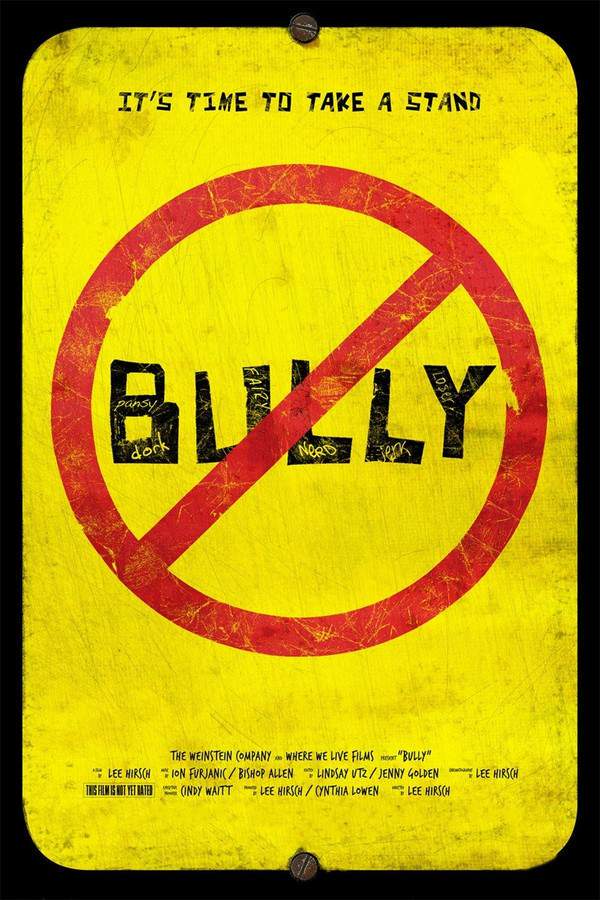
Comedian-led activism documentaries like Rosie Jones: Am I A R*tard?

Comedians who trade punchlines for protest signs to confront systemic wrongs. Movies like Rosie Jones: Am I A R*tard? where comedians and public figures use humor as a tool to confront systemic injustice. These documentaries blend sharp satire with raw personal testimony to expose uncomfortable truths, demanding change from viewers. Perfect for fans of fearless comedian-led activism.

  • provocative
  • satirical
  • confrontational
  • determined
  • raw
  • reflective
  • Tone: dark, provocative
  • Pacing: steady, conversational
Why these movies?

The story pattern: A charismatic host sets out on a personal mission to expose a societal ill that has touched their own life. Along the way they gather victims' stories, infiltrate institutions, and confront the people responsible, all while using wit and satire as both shield and weapon. The narrative builds through interviews, on-the-ground reporting, and pointed confrontations, arriving at a call to action that often feels hopeful yet unresolved.

Why they belong together: They share a distinctive blend of dark humor and heavy emotional weight, anchored by a charismatic host who refuses to look away. Pacing is steady enough to let testimony breathe, while tone remains confrontational and provocative. Viewers come for the personality and stay for the systemic truth-telling.

Documentaries exposing online hate and platform failure like Rosie Jones: Am I A R*tard?

Documentaries that follow online cruelty into the real lives it destroys. Movies like Rosie Jones: Am I A R*tard? that investigate online harassment, hate speech, and platform accountability. These documentaries follow victims and advocates into the dark corners of the internet, exposing the real human cost of digital cruelty and demanding consequences. If you liked this unflinching look at cyberbullying, you'll find your next watch here.

  • unsettling
  • somber
  • confrontational
  • distressing
  • determined
  • raw
  • Tone: dark, unsettling
  • Pacing: steady investigative
Why these movies?

The story pattern: A victim or advocate steps forward to investigate the abuse aimed at them or their community, often with the help of journalists or activists. The story travels from the comment section into the real homes of those affected, into the offices of the platforms that host the abuse, and sometimes face-to-face with the trolls themselves. Some perpetrators apologize, others refuse, but the systemic problem is never fully solved.

Why they belong together: They share an unflinching commitment to naming the specific people, platforms, and slurs responsible for online harm. The tone is dark and somber, the pacing methodical, and the emotional weight heavy with testimony from real victims. Each film ends with a call to action rather than easy answers.

Every angle

Rosie Jones: Am I A R*tard? (2023) Explained: Plot, Timeline & Characters

Everything about Rosie Jones: Am I A R*tard? in one place: what happens in the plot summary, the timeline in chronological order, the characters and meaning and a spoiler-free summary. What's After the Movie adds the cast, box office and post-credit scenes.

Coming soon on iOS and Android

The Plot Explained Movie Summary App

Plot summaries, endings explained and timelines on your phone. Catch up on any movie in minutes, save your favorites and never miss a twist again.

Be the first to know when we launch. Your email stays private, always.

Learn more about the app