Plot Explained Spoilers guaranteed!
Plot Explained

Browse by genre

Nobody Speak: Trials of the Free Press (2017) movie poster

Plot Summary

Nobody Speak: Trials of the Free Press (2017) Plot Summary Explained

Release, runtime and language
2017 · 95 min · English
Echo score 58
Loading streaming availability…
Directed by
Brian Knappenberger
Starring
Donald Trump, Hulk Hogan, Nick Denton

This documentary explores a high-profile legal battle between Hulk Hogan and Gawker Media, examining the complex relationship between privacy and press freedom. The trial raises significant questions about the power of wealth to influence the media and the responsibility of journalism in a society marked by inequality. Through the unfolding events, the film investigates the potential consequences of silencing the press and the broader implications for the pursuit of truth.

On this page (6)
  1. 1 Where to watch
  2. 2 What happens: full plot
  3. 3 Plot questions answered
  4. 4 Movie threads
  5. 5 Movies like Nobody Speak: Trials of the Free Press
  6. 6 Every angle
Loading streaming availability…

Full plot summary · contains spoilers

What Happens in Nobody Speak: Trials of the Free Press: Full Plot Summary

The whole story of Nobody Speak: Trials of the Free Press (2017) explained, from the opening scene to the final frame: every key event, every twist and what it all adds up to. Read it as a quick recap before the sequel, to check a scene you missed, or to finally understand what really happened.

The narrative begins by detailing the intense legal battle involving the world-famous professional wrestler Hulk Hogan. The core of the conflict centers on the lawsuit Bollea v. Gawker, in which Hulk Hogan sought a staggering $100 million in damages from Gawker Media. This legal action was triggered after the media outlet released a private sex tape featuring him and Heather Clem. While the lawsuit appeared to be a standard privacy dispute, it was revealed that the billionaire Peter Thiel provided the necessary financial backing to sustain the litigation. Thiel's motivation was deeply personal; he sought to dismantle Gawker Media as retribution for an article published nine years prior that had publicly outed him as gay. As a direct consequence of this targeted legal onslaught, Gawker Media was forced to file for Chapter 11 bankruptcy.

The film then shifts its focus to a separate but equally controversial incident involving the influential casino mogul Sheldon Adelson. Adelson acquired the Las Vegas Review-Journal, but he went to extreme lengths to ensure his identity as the buyer remained a complete secret. This secrecy extended even to the professional journalists employed by the organization. The company's management refused to disclose the identity of the new owner to their staff and explicitly denied any involvement from the Adelson family when questioned. To further protect this anonymity, Adelson himself denied ownership during an interview with CNN.

Driven by journalistic integrity, a few reporters at the publication decided to launch their own independent investigation. By leveraging their professional contacts and digging through available data, they eventually uncovered the truth: Sheldon Adelson was indeed the secret owner of the paper. However, the victory of uncovering the truth was short-lived. After they published the article revealing the truth to the public, the journalists involved were forced to step down from their positions.

Last updated: October 15, 2026 at 23:42

Was this helpful?

Plot questions answered

Nobody Speak: Trials of the Free Press Plot Explained: Your Questions Answered

The questions people ask most about Nobody Speak: Trials of the Free Press (2017): what happens in the confusing scenes, why the characters do what they do, the twists, hidden details and what the ending means. Each answer contains spoilers.

Q1

Why did Peter Thiel secretly fund Hulk Hogan's lawsuit against Gawker?

Peter Thiel funded the lawsuit because Gawker had outed him as gay in an article nine years earlier, and he wanted revenge. He saw the Hulk Hogan privacy case as a way to financially cripple Gawker Media without appearing to act on a personal grudge. By staying in the background, Thiel was able to sustain the expensive litigation until the media company was forced into bankruptcy.

  • peter thiel
  • hulk hogan
  • gawker
  • revenge
  • secretly funded
Q2

Who secretly bought the Las Vegas Review-Journal?

Casino mogul Sheldon Adelson secretly purchased the Las Vegas Review-Journal while keeping his identity hidden from both the public and the newspaper's own staff. Management denied any connection to the Adelson family when questioned, and Adelson himself denied ownership during a CNN interview. The concealment shielded his involvement from public scrutiny for an extended period.

  • sheldon adelson
  • las vegas review-journal
  • secret purchase
  • newspaper ownership
Q3

What caused Gawker Media to file for bankruptcy?

Gawker Media filed for Chapter 11 bankruptcy after losing the Bollea v. Gawker lawsuit and being hit with a $100 million damages award. The sustained legal pressure, backed financially by billionaire Peter Thiel, drained the company's resources over the course of the trial. The combination of the massive judgment and ongoing legal costs made it impossible for Gawker to continue operating.

  • gawker bankruptcy
  • chapter 11
  • bollea v gawker
  • $100 million damages
Q4

Why were the journalists forced to step down after exposing Adelson?

After publishing their investigation revealing Adelson as the secret owner, the journalists were pressured to resign from their positions at the Las Vegas Review-Journal. The new ownership did not tolerate internal challenges to its authority, and their reporting directly threatened the carefully maintained secrecy around Adelson's role. Their departure became a stark example in the documentary of the consequences journalists face when they confront powerful owners.

  • journalists resign
  • press freedom
  • consequences
  • sheldon adelson
Q5

Why did Sheldon Adelson want to keep his purchase of the Las Vegas Review-Journal secret?

Adelson kept the purchase secret because his extensive casino, political, and business interests in Las Vegas could create conflicts of interest that might draw criticism if made public. By hiding his ownership, he could influence the paper's editorial direction without being held accountable. The secrecy allowed him to shape political coverage while protecting his reputation from scrutiny.

  • sheldon adelson
  • secret ownership
  • conflicts of interest
  • editorial control
Q6

How did the Review-Journal journalists uncover Sheldon Adelson as the secret owner?

A small group of Review-Journal journalists began investigating the mystery buyer on their own initiative, using their professional contacts and source networks. They cross-referenced documents and reached out to insiders until they confirmed Adelson's involvement in the purchase. Their findings directly contradicted the denials issued by both management and Adelson himself during his CNN interview.

  • investigative journalism
  • las vegas review-journal
  • uncovering ownership
  • sources
Q7

What is the connection between the Hulk Hogan case and the Adelson case?

Both cases illustrate how extremely wealthy individuals can use their resources to suppress or control media outlets that challenge their interests. Peter Thiel weaponized the legal system to bankrupt Gawker, while Adelson used hidden ownership to control the Las Vegas Review-Journal's editorial direction. The documentary uses these parallel case studies to show how concentrated wealth threatens independent journalism in different but equally damaging ways.

  • hulk hogan case
  • sheldon adelson case
  • press freedom
  • wealth and media
Q8

Why did Hulk Hogan file a $100 million lawsuit against Gawker Media?

Hulk Hogan filed the lawsuit after Gawker published a private sex tape featuring him and Heather Clem without his consent. He argued that the release violated his privacy and sought $100 million in damages for the personal and professional harm caused by the footage. The lawsuit became the legal vehicle Peter Thiel later exploited to bring down Gawker entirely.

  • hulk hogan
  • gawker
  • sex tape
  • privacy lawsuit
  • heather clem
Q9

What is the documentary's main argument about billionaires and the free press?

Nobody Speak argues that wealthy individuals can systematically suppress or control journalism by exploiting legal systems and hiding ownership of news outlets. The Hulk Hogan-Gawker case shows how billionaire-backed lawsuits can bankrupt media companies over old grudges, while the Las Vegas Review-Journal story reveals how secret ownership allows moguls to shape coverage without accountability. Together, the two cases make the case that concentrated wealth poses an existential threat to a free press and democratic accountability.

  • press freedom
  • billionaires
  • journalism threats
  • documentary message

Movie threads

More Movies Like Nobody Speak: Trials of the Free Press, by Mood & Story

Curated lists built around what makes Nobody Speak: Trials of the Free Press tick: the same mood, the same kind of story or the same emotional payoff. Each list explains why these movies belong together.

Movies like Nobody Speak: Trials of the Free Press about wealth weaponized against the press

Stories where immense fortune is wielded to crush accountability and silence those who challenge power. Looking for movies like Nobody Speak: Trials of the Free Press? These documentaries and dramas explore how billionaires and powerful corporations use lawsuits, secrecy, and influence to silence journalists and bury the truth. If you were disturbed by Nobody Speak, these similar stories about press suppression and abuse of power will hit the same nerve.

  • investigative
  • oppressive
  • foreboding
  • cerebral
  • unsettling
  • serious
  • Tone: dark, foreboding, unsettling
  • Pacing: steady, methodical build
Why these movies?

The story pattern: Stories in this thread usually begin with a public clash between a powerful figure or corporation and a journalist, outlet, or whistleblower. What follows is a methodical escalation: quiet threats give way to aggressive legal action, financial pressure, or coordinated reputational attacks. The underdog side — typically the press or the truth-teller — slowly gets ground down by resources they cannot match, and the conclusion often leaves the question of accountability unanswered or actively overturned. The emotional arc moves from outrage to unease to a bleak recognition that systems built to protect truth can be purchased.

Why they belong together: These films share a focus on the asymmetry of power: individuals or institutions with near-limitless resources deliberately targeting smaller voices in media, activism, or whistleblowing. They are united by investigative rigor, an unflinching look at how legal and financial tools become instruments of revenge, and endings that rarely offer clean victories for transparency. The viewer experience is cerebral and uncomfortable, rewarding patient attention with a deeper understanding of how press freedom can erode in plain sight.
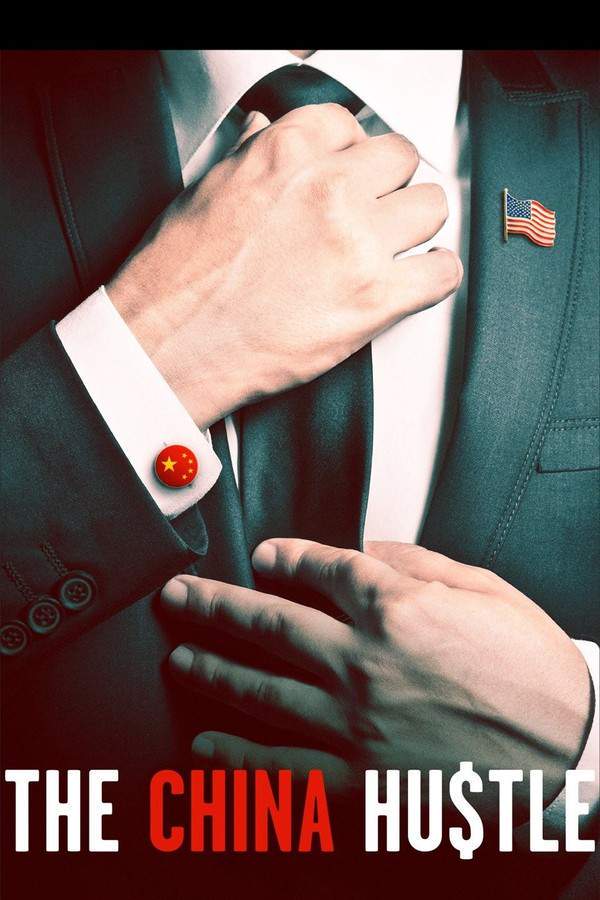
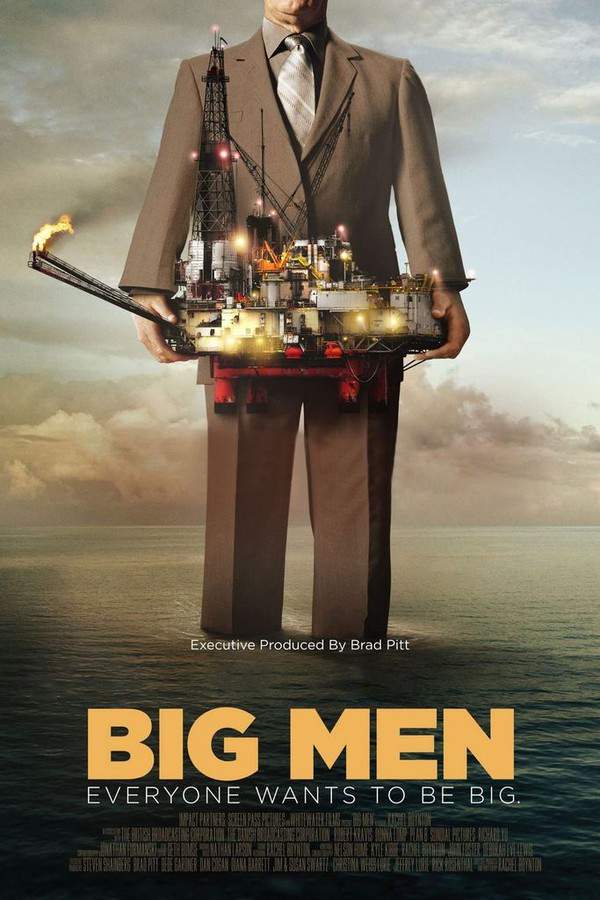
Dark investigative documentaries like Nobody Speak: Trials of the Free Press

Methodically built exposés that leave you disturbed about the systems shaping the world around you. If documentaries like Nobody Speak: Trials of the Free Press left you unsettled, these similar films deliver the same heavy, methodical investigative style. Expect sober reporting on power, corruption, and institutional failure, paired with bleak conclusions that challenge viewers to question the systems around them. Perfect for fans of cerebral, disturbing real-world cinema.

  • somber
  • investigative
  • cerebral
  • disturbing
  • serious
  • heavy
  • Tone: somber, foreboding, cerebral
  • Pacing: steady and methodical
Why these movies?

The story pattern: Films in this thread tend to open with a single provocative case or event that quickly reveals itself to be the visible edge of something much larger. As the investigation unfolds, the audience is walked through evidence, testimony, and historical context that builds a picture of structural rot — in media, government, finance, or law. Characters rarely transform or triumph; instead, the narrative arc moves from curiosity to outrage to a quieter, more durable kind of horror. The emotional payoff is not catharsis but awareness, and the final scenes typically drive home that the problem persists long after the credits roll.

Why they belong together: These films are grouped together because they share a commitment to patient, evidence-driven storytelling and a willingness to sit in discomfort rather than resolve it. They lean on steady pacing, heavy emotional weight, and a dark or bleak tonal register, and they tend to attract viewers who want substance over spectacle. Whether the subject is press freedom, corporate malfeasance, or political corruption, the unifying thread is a sobering, almost forensic gaze at power — and the unsettling feeling that the audience comes away with more questions than reassurances.

If you liked this

Movies Like Nobody Speak: Trials of the Free Press

Similar movies to Nobody Speak: Trials of the Free Press: the same genre, themes or kind of story. Each one comes with its own plot summary, timeline and ending explained.

Browse all movie summaries

Every angle

Nobody Speak: Trials of the Free Press (2017) Explained: Plot, Timeline & Characters

Everything about Nobody Speak: Trials of the Free Press in one place: what happens in the plot summary, the timeline in chronological order, the characters and meaning and a spoiler-free summary. What's After the Movie adds the cast, box office and post-credit scenes.

Coming soon on iOS and Android

The Plot Explained Movie Summary App

Plot summaries, endings explained and timelines on your phone. Catch up on any movie in minutes, save your favorites and never miss a twist again.

Be the first to know when we launch. Your email stays private, always.

Learn more about the app