Plot Explained Spoilers guaranteed!
Plot Explained

Browse by genre

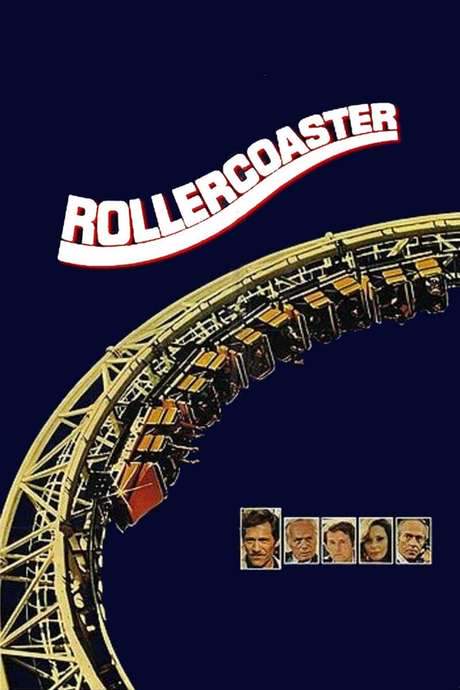
Rollercoaster (1977) movie poster

Plot Summary

Rollercoaster (1977) Plot Summary Explained

Release, runtime and language
1977 · 119 mins · English
Directed by
James Goldstone
Starring
Steve Guttenberg, Timothy Bottoms, George Segal, Henry Fonda, Dorothy Tristan, Helen Hunt

A hidden killer lurks among the thrill‑seekers, turning joy into terror. A young terrorist plants homemade explosives on a Norfolk roller coaster track, killing and injuring patrons, then repeats the attack in Pittsburgh. He records the carnage and sends a tape to a Chicago meeting of amusement‑park executives, demanding one million dollars to stop his rampage.

On this page (5)
  1. 1 What happens: full plot
  2. 2 Plot questions answered
  3. 3 Movie threads
  4. 4 Movies like Rollercoaster
  5. 5 Every angle

Full plot summary · contains spoilers

What Happens in Rollercoaster: Full Plot Summary

The whole story of Rollercoaster (1977) explained, from the opening scene to the final frame: every key event, every twist and what it all adds up to. Read it as a quick recap before the sequel, to check a scene you missed, or to finally understand what really happened.

An unnamed man sneaks into Ocean View Amusement Park and plants a small radio-controlled bomb on the tracks of the park’s wooden roller coaster, The Rocket. The blast derails the train, injuring or killing riders, and safety inspector Harry Calder George Segal is called to investigate. A park worker recalls seeing a maintenance man on the tracks earlier in the day, but there’s no record of anyone being assigned there, hinting at a deliberate, organized crime behind the tragedy.

The bomber’s trail continues with a fire at a dark ride in Pittsburgh, and Calder begins to suspect a connection between the incidents. His fishing for links leads him to Chicago, where executives from the nation’s largest amusement-park chains are gathered for a meeting. Calder breaches the gathering and a tape from the bomber is played, revealing a demand for $1 million to halt the attacks.

Back home, FBI Agent Hoyt [Richard Widmark] arrives to explain the practical side of the case: the extortion money is to be delivered at Kings Dominion. Calder is ordered to wait at a public telephone there. The bomber phones in, warns that there’s a bomb in the park, and sends Calder a two-way radio to keep in contact. He directs Calder to ride several attractions, including the Rebel Yell roller coaster, and to use the radio as a means of control. While Calder rides the Skyway, the bomber reveals the bomb is hidden inside the radio and cautions him not to discard it, or it will explode on impact on the park’s crowded paths. He instructs Calder to feign a delivery and then leave the money on a bench. Calder complies, and later Hoyt admits he marked the money, violating the bomber’s instructions. Calder asks to be sent home and leaves the radio with the bomb squad.

The bomber returns with another threat, blaming Calder for the marked money and promising another attack. Calder, piecing together clues, deduces that the next target will be Revolution at Magic Mountain. Although the FBI initially resists his theory, they decide to investigate since the ride is set to debut on the Fourth of July, when crowds will surge. Agents disguised as park maintenance workers locate and disarm a bomb attached to the tracks.

The bomber then heads back to his car and secures a new bomb just as Revolution is about to open. To gain admission, he pays a guest $100 for a “Gold Ticket,” enabling him to be among the first passengers, and places the device under his seat in the rear of the train. After the inaugural ride, Calder recognizes the bomber’s voice during an on-site interview with a reporter and gives chase, warning the agents that something might be hidden in the coaster train.

The bomber is cornered and threatens to explode the ride, clutching the detonator as agents attempt to jam the signal. Calder accepts a firearm from an agent and begins to hand it to the bomber; the agents succeed in jamming the detonator, and Calder, in the process, accidentally shoots the bomber. He bolts, climbs onto the track, and, confronted by Calder, is struck and killed by the coaster train. In the aftermath, Revolution resumes operation once the danger has passed.
Last updated: October 09, 2025 at 10:46

Was this helpful?

Plot questions answered

Rollercoaster Plot Explained: Your Questions Answered

The questions people ask most about Rollercoaster (1977): what happens in the confusing scenes, why the characters do what they do, the twists, hidden details and what the ending means. Each answer contains spoilers.

Q1

Why did the bomber target roller coasters specifically?

The bomber chose roller coasters to maximize casualties and chaos at popular amusement parks, creating maximum pressure on park executives. His demand for $1 million suggests financial motivation combined with a desire to cause widespread terror. The roller coaster attacks would generate massive media attention and force the industry to take his demands seriously.

  • roller coaster bombing
  • motivation
  • terrorist
  • extortion
Q2

How did the bomber plant the bomb at Ocean View without detection?

The bomber disguised himself as a maintenance man, allowing him access to the restricted roller coaster tracks. A park worker reported seeing someone who appeared to be maintenance personnel on the tracks earlier that day, but there was no official work order or record of anyone assigned to that task. This disguise provided the cover he needed to plant the radio-controlled bomb undetected.

  • bomb planting
  • maintenance disguise
  • Ocean View Park
Q3

How did Calder figure out Magic Mountain's Revolution was the next target?

After the bomber blamed Calder for the marked money and threatened another attack, Calder pieced together clues from the previous incidents and the bomber's patterns. He deduced the next target would be the Revolution roller coaster at Magic Mountain, which was set to debut on the Fourth of July, a date that would draw enormous crowds. The FBI initially resisted his theory but agreed to investigate because of the massive potential for casualties.

  • Magic Mountain
  • Revolution
  • deduction
  • July 4th opening
Q4

Why did the bomber give Calder a radio containing the bomb?

The bomber used Calder as an unwilling courier to keep the bomb in play without carrying it himself. By giving Calder the two-way radio that contained the bomb's detonation mechanism, the bomber could control the situation remotely while keeping himself at a safe distance. He warned Calder not to discard the radio because it would explode on impact with the ground, effectively holding Calder hostage to the device.

  • two-way radio
  • bomb mechanism
  • hostage
  • detonator
Q5

Why did marking the money enrage the bomber and trigger another attack?

FBI Agent Hoyt violated the bomber's instructions by marking the ransom money, which would allow the authorities to trace the bills. When the bomber discovered the money had been tampered with, he blamed Calder directly and announced another attack. This breaking of trust escalated the situation and directly led to the bomber targeting Revolution at Magic Mountain.

  • marked money
  • FBI
  • ransom
  • trust violation
Q6

Why did the bomber pay $100 for a Gold Ticket to ride Revolution?

The bomber purchased a Gold Ticket to gain early access to the roller coaster during its inaugural run without raising suspicion. By paying a park guest $100 for the ticket, he could board the first ride and position his bomb in the rear car of the train. This approach allowed him to plant the device while appearing as an ordinary excited guest attending the opening day.

  • Gold Ticket
  • Magic Mountain
  • first ride
  • disguise
Q7

How did Calder recognize the bomber's voice during the interview?

After the first Revolution ride, Calder conducted an exit interview with riders and heard the bomber's voice. Having been in direct contact with the bomber throughout the extortion scheme, speaking to him via the two-way radio and receiving his threats, Calder had become intimately familiar with his voice. This allowed him to identify the bomber among the exiting passengers and initiate the pursuit.

  • voice identification
  • pursuit
  • interview
  • recognition
Q8

How did the agents jam the bomber's detonator signal?

During the confrontation on Revolution, the FBI agents successfully jammed the radio signal used by the bomber to detonate the bomb. This technical countermeasure prevented the bomber from remotely triggering the explosive device, neutralizing the immediate threat while Calder attempted to disarm the situation.

  • signal jamming
  • detonator
  • FBI
  • countermeasure
Q9

How did the bomber die, was it intentional or accidental?

The bomber was killed when he fled onto the roller coaster track during the confrontation with Calder. As he attempted to escape while clutching the detonator, the coaster train struck him. His death was a result of his own desperate escape attempt rather than a deliberate action by Calder or the authorities.

  • death
  • roller coaster train
  • confrontation
  • accident
Q10

What was the Revolution roller coaster and why was it significant?

The Revolution was a newly opened roller coaster at Magic Mountain scheduled for its inaugural run on the Fourth of July. Its opening was a major event expected to draw huge crowds, making it an ideal target for the bomber's maximum-casualty strategy. The ride's debut represented the climax of the bomber's campaign of terror.

  • Revolution
  • Magic Mountain
  • opening day
  • new coaster
Q11

Why was Calder chosen to deliver the ransom money?

Calder was selected because he was already deeply involved in the investigation as the safety inspector who had cleared the first coaster. His proximity to the case made him a logical choice for the sting operation, though the bomber's direct communication with him also made him a central figure in the cat-and-mouse game throughout the film.

  • Harry Calder
  • safety inspector
  • ransom delivery
  • FBI
Q12

What happened to the radio bomb after Calder gave it to the bomb squad?

After Calder completed the sting operation at Kings Dominion, he left the radio with the bomb squad to safely dispose of the device. The bomb squad took possession of the two-way radio that contained the explosive mechanism, removing it from public circulation and allowing Calder to leave the park safely.

  • bomb disposal
  • bomb squad
  • radio
  • Kings Dominion

Movie threads

More Movies Like Rollercoaster, by Mood & Story

Curated lists built around what makes Rollercoaster tick: the same mood, the same kind of story or the same emotional payoff. Each list explains why these movies belong together.

Public safety thrillers like Rollercoaster

Thrillers where a hidden threat puts innocent crowds in imminent danger. If you liked the tense cat-and-mouse game in Rollercoaster, you'll enjoy these movies. This list features similar high-stakes thrillers where a hidden terrorist or criminal threatens public safety, forcing a desperate investigation to avert disaster.

  • tense
  • suspenseful
  • dangerous
  • cat-and-mouse
  • urgent
  • paranoid
  • Tone: tense, suspenseful
  • Pacing: fast, urgent
Why these movies?

The story pattern: These narratives typically follow a procedural structure: a public attack establishes the threat, an investigation begins, a tense negotiation or cat-and-mouse game unfolds, culminating in a final confrontation to neutralize the danger and restore order.

Why they belong together: They are grouped by the shared high-tension mood driven by the threat of mass casualties, the fast pacing of a race against time, and the central conflict between a methodical antagonist and a dedicated protector of public safety.

Fast-paced procedural thrillers like Rollercoaster

Fast-paced stories following the step-by-step pursuit of a elusive criminal. Fans of the relentless chase in Rollercoaster will find more to love here. These films feature a similar straightforward narrative focused on the step-by-step investigation and final pursuit of a villain, delivering consistent tension and action.

  • fast-paced
  • tense
  • procedural
  • investigation
  • pursuit
  • anxious
  • Tone: tense, anxious
  • Pacing: fast, driving
Why these movies?

The story pattern: The narrative pattern is a clear, linear progression: crime, investigation, escalation, confrontation. Character arcs are often functional to the plot, with protagonists defined by their professional dedication to stopping the threat, leading to a conclusive and action-packed resolution.

Why they belong together: They share a coherent mix of fast pacing, straightforward complexity, a tense tone, and high intensity. The similarity lies in the feel of the viewing experience—an efficient, anxiety-driven thriller built around a central pursuit.

If you liked this

Movies Like Rollercoaster

Similar movies to Rollercoaster: the same genre, themes or kind of story. Each one comes with its own plot summary, timeline and ending explained.

Browse all movie summaries

Every angle

Rollercoaster (1977) Explained: Plot, Timeline & Characters

Everything about Rollercoaster in one place: what happens in the plot summary, the timeline in chronological order, the characters and meaning and a spoiler-free summary. What's After the Movie adds the cast, box office and post-credit scenes.

Coming soon on iOS and Android

The Plot Explained Movie Summary App

Plot summaries, endings explained and timelines on your phone. Catch up on any movie in minutes, save your favorites and never miss a twist again.

Be the first to know when we launch. Your email stays private, always.

Learn more about the app