

Plot Explained Spoilers guaranteed!
Plot Explained

Browse by genre

Rocky Road to Dublin (1968) movie poster

Timeline

Rocky Road to Dublin (1968) Timeline Explained – Every Event in Order

Release, runtime and language
1968 · 67 mins · English
Starring
John Huston, Jim Fitzgerald, Sean O’Faoláin, Peter Lennon, Luke Kelly, Phyllis Hamilton

Journalist Peter Lennon, born in Ireland, travels the country in 1967 to assess its post‑revolution condition, asking, “What do you do with your revolution once you’ve got it?” He argues that the Republic remains mired in cultural isolation, Gaelic nationalism and a strong clerical conservatism that shape everyday life.

On this page (6)
  1. 1 Where to watch
  2. 2 Events in order (12)
  3. 3 Timeline questions answered
  4. 4 Movie threads
  5. 5 Movies like Rocky Road to Dublin
  6. 6 Every angle

Where to watch

Where to Watch Rocky Road to Dublin (1968)

Where can you watch Rocky Road to Dublin? Stream, rent or buy it in the US, including on OVID and Amazon Video: current JustWatch availability with up-to-date prices.

Streaming availability powered by JustWatch

12 events in order · contains spoilers

Rocky Road to Dublin Timeline: Events in Chronological Order

Every key event of Rocky Road to Dublin (1968) in order, scene by scene, with when and where it takes place. Use it to untangle flashbacks, time jumps and parallel storylines, to refresh your memory before the sequel or to find the exact scene you are thinking of.

  1. Aftermath of Easter Rising

    The film opens with a brisk sketch of Irish history since the Easter Rising of 1916, showing how the revolutionary founders' dream of a republican Ireland was dashed in the following decades. It frames political disappointment as a central through-line for the state’s development.

    When
    1916-1920s
    Where
    Ireland
  2. Aristocratic influence in society

    Scenes of hunting and equestrian events illustrate the continued dominance of the Anglo-Irish aristocracy in post-independence Ireland. The film contrasts these upper-class pursuits with calls for reform and a more equal social order.

    When
    mid-20th century
    Where
    Irish countryside
  3. Ireland and American policy

    The film notes Ireland's lack of independence from American foreign policy, highlighting its posture at the United Nations since 1957. Conor Cruise O'Brien criticizes following Washington's line, proposing a more independent path and hinting at Sweden as a model.

    When
    since 1957
    Where
    New York, United Nations General Assembly
  4. Contraception debate in The Irish Times

    Douglas Gageby, editor of The Irish Times, is shown arguing for open debate over the contraceptive pill in the paper's correspondence columns. The segment reflects tensions around censorship, noting that older generations resist change while younger people embrace new ideas.

    When
    1960s–1970s
    Where
    Dublin, The Irish Times
  5. GAA ban and its eventual repeal

    The film discusses the Gaelic Athletic Association's policy of suspending members who watched or participated in English sports, a controversy that was finally dropped in 1971. The piece highlights the clash between national identity and foreign influences in sport.

    When
    1971
    Where
    Ireland
  6. Censorship and the export of writers

    A roll call of native and international writers whose works were banned is accompanied by church bells rung as at a funeral. A censorship appeal board member is interviewed, illustrating the ongoing tension between state censorship and artistic freedom.

    When
    mid-20th century
    Where
    Ireland
  7. Britain and moral values

    Professor Liam Ó Briain contrasts Ireland with Britain, noting Britain's perceived loss of faith and moral values. He recounts anecdotes about film censor Jimmy Montgomery and the early challenges of censoring sound before cinema audio was available.

    When
    mid-20th century
    Where
    Ireland and Britain
  8. Clergy influence in education

    The hold of the clergy on education is highlighted, with a Christian Brothers school where boys recite catechism on original sin. The film contrasts this with newer social spaces like tennis club dance halls that offered more contact between sexes.

    When
    mid-20th century
    Where
    Irish schools
  9. Pre-Vatican II orthodoxy in politics

    The close involvement of clergy with politics is described as a bad habit rather than a conspiracy, with little room for reform before the Second Vatican Council. The film suggests that relaxation would follow the Council's changes.

    When
    before 1962–1965
    Where
    Ireland
  10. Father Michael Cleary and secular connection

    Father Michael Cleary appears in a women's hospital ward singing a secular song and participates in a wedding reception, presenting himself as relatable to the young. He defends a flexible stance toward culture, arguing that being on their wavelength helps reach people.

    When
    1960s–1970s
    Where
    Hospital ward and wedding reception
  11. Contraception and family life under clergy

    An anonymous young married woman recounts life under clerical instruction, using coitus interruptus to space children. In confession, the priest urges separate sleep from her husband, and the couple stops contraception, but the wife later experiences a miscarriage.

    When
    mid-20th century
    Where
    Ireland
  12. Towards change and the final frame

    The documentary suggests that clerical and political orthodoxy is on the cusp of change, with censor Ó Briain hoping for a new tradition. It ends on a freeze frame of two boys in a boat, one looking straight at the camera, signaling a cautious gaze toward the future.

    When
    end of film
    Where
    Ireland

Last updated: October 09, 2025 at 12:36

Was this helpful?

Timeline questions answered

Rocky Road to Dublin Timeline Explained: Your Questions Answered

When does it happen, and why in that order? The questions people ask about the chronology of Rocky Road to Dublin (1968): time jumps, flashbacks, cause and effect between scenes and the correct order of events, each answered with spoilers.

Q1

Why did Ireland's revolutionary ideals not fully materialize after independence?

The documentary argues that after the 1916 Easter Rising and the founding of the Irish Free State, the promised republican transformation never took hold. The film traces how the old Anglo-Irish aristocratic order persisted through hunting scenes and genteel traditions, while the new republic remained culturally isolated, dominated by Gaelic nationalism and clerical conservatism. Seán Ó Faoláin narrates this disappointment as the central theme, showing how political revolution was absorbed into traditional power structures rather than replacing them.

  • Irish revolution
  • easter rising
  • republican ideals
  • anglo-irish aristocracy
  • political disappointment
Q2

What was the GAA ban and when did it end?

The Gaelic Athletic Association maintained a policy of suspending its 500,000 members who played or watched foreign sports, particularly soccer and hurling from England. This ban was rooted in nationalism and cultural protectionism. The documentary notes the policy was finally dropped in 1971, marking a significant shift in how Ireland related to British cultural influences and allowing members to engage with international sports without penalty.

  • GAA ban
  • gaelic athletic association
  • foreign sports
  • cultural nationalism
  • suspension policy
Q3

How did Catholic teaching affect family planning for Irish couples?

The film profiles a young married woman who describes navigating contraception within Catholic teaching. She and her husband initially used coitus interruptus to space their children, but in confession, a priest ordered them to stop contraception entirely and sleep in separate beds. They complied, but the wife later suffered a miscarriage. This personal story illustrates how clerical authority directly shaped intimate family decisions, leaving the woman仍然保持天主教信仰 despite her difficult experience.

  • contraception
  • catholic church
  • family planning
  • coitus interruptus
  • clerical authority
  • miscarriage
Q4

Why was Ireland's foreign policy tied to American interests?

Conor Cruise O'Brien critiques Ireland's lack of independent foreign policy, noting the country's alignment with Washington at the United Nations since 1957. He argues Ireland could chart a more autonomous course, suggesting Sweden as a potential model for maintaining independence while engaging internationally. The documentary presents this as one example of how post-revolution Ireland remained culturally and politically dependent on external powers.

  • american foreign policy
  • conor cruise o'brien
  • united nations
  • ireland independence
  • sweden comparison
Q5

What books were banned under Irish censorship?

The documentary presents a roll call of Irish and international writers whose works were banned in Ireland, displayed alongside tolling church bells, suggesting a funeral for literature. A censorship appeals board member discusses the ongoing tension between faith, art, and free expression. This system forced many prominent Irish writers to emigrate, contributing to the country's reputation for exporting talent.

  • censorship
  • banned books
  • irish writers
  • emigration
  • artistic freedom
  • censorship board
Q6

How did the Catholic Church control Irish education?

The film examines clergy influence in schools through a Christian Brothers classroom where boys recite catechism on original sin. It contrasts this with newer social spaces like tennis club dance halls that offered more contact between the sexes. The documentary suggests that single-sex schooling controlled by religious orders shaped how young people interacted and formed the backbone of middle-class social life.

  • catholic education
  • christian brothers
  • clergy influence
  • schooling
  • catechism
  • original sin
Q7

Who was Father Michael Cleary and why was he significant?

Father Michael Cleary appears in the film singing a secular song in a women's hospital ward and later at a wedding reception, presenting himself as relatable to young people. He defends a flexible approach to culture, arguing that being on young people's wavelength helps the church reach them. His appearance illustrates how some clergy were beginning to adapt to modern life, though the film presents this as a gradual and limited shift within the broader institution.

  • father michael cleary
  • clergy adaptation
  • modern church
  • youth culture
  • secular music
Q8

What does the ending with the two boys in a boat mean?

The documentary ends on a freeze-frame of two boys in a boat, with one gazing directly at the camera. This ambiguous final image is meant to suggest possibility and uncertainty about Ireland's future identity. Rather than providing resolution, the film leaves viewers with a quiet, reflective sense, the younger generation looking forward with a mix of hope and unknowing, symbolizing Ireland's cusp of change.

  • ending
  • freeze frame
  • boat
  • future generation
  • ireland identity
  • ambiguous conclusion
Q9

What was the relationship between politics and the Catholic Church in Ireland?

The film depicts the close relationship between political leaders and clergy not as a conspiracy but as a longstanding habit. Before the Second Vatican Council (1962-1965), there was little room for reform. The documentary notes that the clergy were portrayed as guardians of simple faith while the hierarchy maintained conservative control. After Vatican II, some relaxation became possible, though the film suggests change came slowly.

  • politics
  • clergy
  • catholic church
  • vatican ii
  • conservatism
  • church state relationship
Q10

What was The Irish Times editor's stance on contraception?

Douglas Gageby, editor of The Irish Times, is shown advocating for open debate over contraception in the newspaper's correspondence columns. He notes the tension between censorship and free expression, observing that older generations cling to established norms while younger people push for change. He also mentions that students at Trinity College Dublin were openly critical of Irish media, including his own newspaper.

  • douglas gageby
  • the irish times
  • contraception debate
  • censorship
  • free expression
  • trinity college

Movie threads

More Movies Like Rocky Road to Dublin, by Mood & Story

Curated lists built around what makes Rocky Road to Dublin tick: the same mood, the same kind of story or the same emotional payoff. Each list explains why these movies belong together.

Reflective cultural critiques like Rocky Road to Dublin

Observant films that examine the soul of a nation and its societal struggles. Explore movies like Rocky Road to Dublin that offer thoughtful, melancholic examinations of a nation's character. If you liked the film's intellectual critique of Irish society, you'll find similar documentaries and dramas that unpack the complexities of culture and identity.

  • reflective
  • critical
  • observational
  • thoughtful
  • melancholic
  • sociopolitical
  • Tone: melancholic, critical, reflective
  • Pacing: steady, essayistic
Why these movies?

The story pattern: Films in this thread follow a journalistic or essayistic structure, where a central question about a society's condition guides the narrative. The journey is one of discovery and analysis, weaving together interviews, observations, and historical context to build a cohesive, often bittersweet, argument about the state of a people.

Why they belong together: These films are grouped together because they share a meditative, critical perspective on societal structures. They prioritize intellectual inquiry over plot-driven action, using a steady, observational pace to create a thoughtful and often melancholic mood that encourages the viewer to reflect long after the film ends.
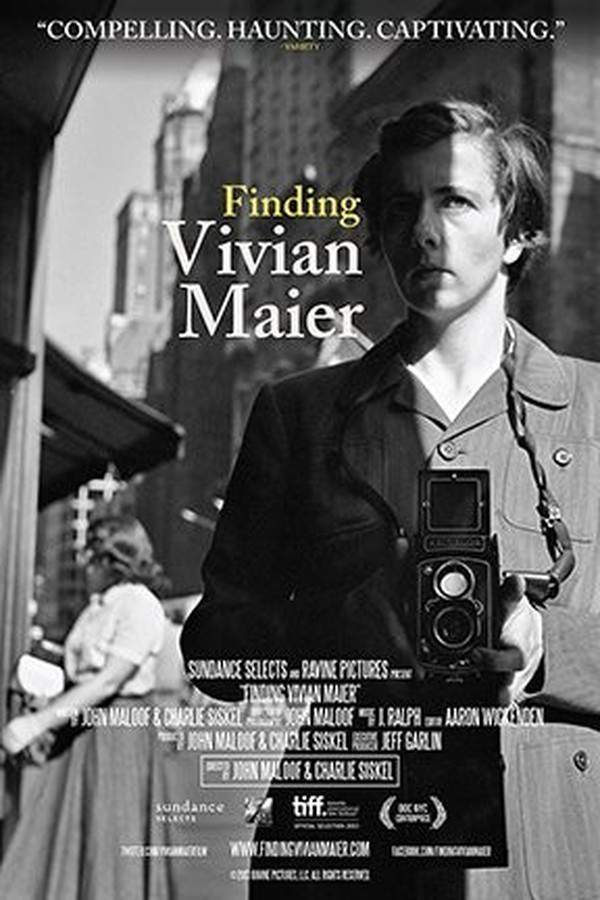
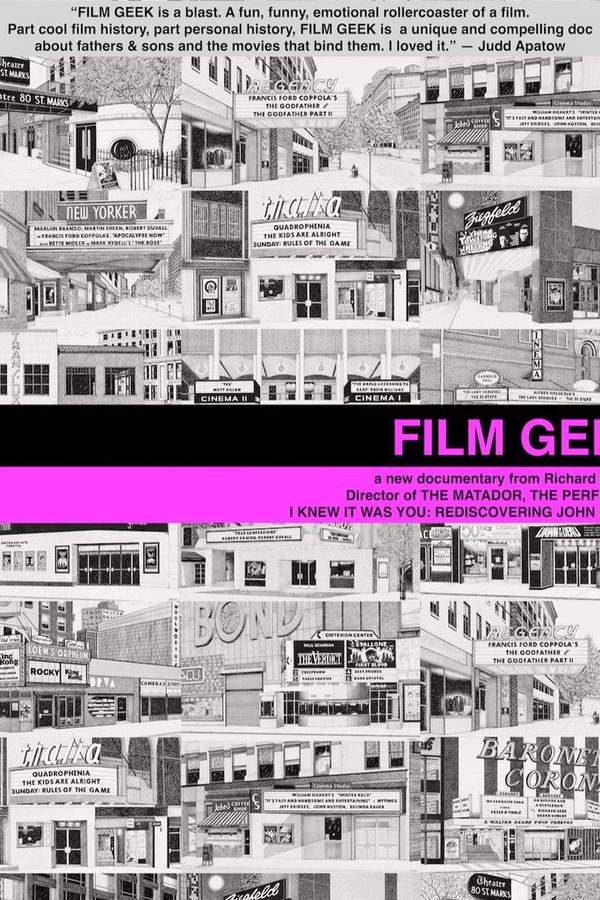
Ambiguous journeys of national soul-searching like in Rocky Road to Dublin

Unresolved explorations of a country's past, present, and uncertain future. Discover movies similar to Rocky Road to Dublin that explore national identity and end on an ambiguous, thought-provoking note. These films ask big questions about a country's path and leave you with a sense of uncertainty, perfect for viewers who enjoy open-ended cultural analysis.

  • thoughtful
  • ambiguous
  • nostalgic
  • critical
  • observational
  • unresolved
  • Tone: reflective, melancholic, ambiguous
  • Pacing: steady, contemplative
Why these movies?

The story pattern: The narrative pattern involves a search for a country's true essence, contrasting its ideals with its reality. Characters or the camera itself act as explorers, uncovering layers of history and social norms. The conflict is often between tradition and progress, and the ending deliberately avoids a tidy resolution, mirroring the ongoing nature of a nation's story.

Why they belong together: These movies share a specific mix of a reflective, critical mood with a steady pacing and an ambiguous conclusion. The experience is defined by this combination: a thoughtful examination of weighty themes that doesn't provide closure, instead inviting continued reflection on the subject matter.

If you liked this

Movies Like Rocky Road to Dublin

Similar movies to Rocky Road to Dublin: the same genre, themes or kind of story. Each one comes with its own plot summary, timeline and ending explained.

Browse all movie summaries

Every angle

Rocky Road to Dublin (1968) Explained: Plot, Timeline & Characters

Everything about Rocky Road to Dublin in one place: what happens in the plot summary, the timeline in chronological order, the characters and meaning and a spoiler-free summary. What's After the Movie adds the cast, box office and post-credit scenes.

Coming soon on iOS and Android

The Plot Explained Movie Summary App

Plot summaries, endings explained and timelines on your phone. Catch up on any movie in minutes, save your favorites and never miss a twist again.

Be the first to know when we launch. Your email stays private, always.

Learn more about the app