Plot Explained Spoilers guaranteed!
Plot Explained

Browse by genre

Rocky Road to Dublin (1968) movie poster

Characters & Themes

Rocky Road to Dublin (1968) Characters, Setting & Themes Explained

Release, runtime and language
1968 · 67 mins · English
Loading streaming availability…
Starring
John Huston, Jim Fitzgerald, Sean O’Faoláin, Peter Lennon, Luke Kelly, Phyllis Hamilton

Journalist Peter Lennon, born in Ireland, travels the country in 1967 to assess its post‑revolution condition, asking, “What do you do with your revolution once you’ve got it?” He argues that the Republic remains mired in cultural isolation, Gaelic nationalism and a strong clerical conservatism that shape everyday life.

On this page (8)
  1. 1 Where to watch
  2. 2 Characters explained (4)
  3. 3 Where & when it takes place
  4. 4 Themes & meaning (4)
  5. 5 Character & meaning questions
  6. 6 Movie threads
  7. 7 Movies like Rocky Road to Dublin
  8. 8 Every angle
Loading streaming availability…

4 main characters · contains spoilers

Rocky Road to Dublin Characters Explained: Who Is Who

The main characters of Rocky Road to Dublin (1968), heroes and villains: what drives them, how they change over the course of the story and what each of them reveals about the film's bigger ideas.

  • Seán Ó Faoláin

    played by Sean O’Faoláin

    Irish writer and commentator who analyzes the post-1916 era, offering a nuanced view that questions revolutionary myths and maps Ireland’s paths forward. He foregrounds critical discourse on national identity and political evolution.

    • 🖊️ Writer
    • 🗣️ Commentator
  • Conor Cruise O’Brien

    A critical voice on Ireland’s foreign policy, urging a more independent stance rather than automatic alignment with American policy. He advocates evaluating Ireland’s choices against broader models of autonomy.

    • 🗳️ Politician
    • 🗣️ Commentator
  • Douglas Gageby

    Editor of The Irish Times who champions open debate, including discussions on contraception, while reflecting on the pressures of censorship and generational change. He embodies a push toward freer public discourse.

    • 📰 Editor
    • 💬 Debates
  • Liam Ó Briain

    played by Liam O’Briain

    Professor who critiques clerical influence in education and contrasts Irish norms with Britain, while acknowledging the tension between faith and scientific progress.

    • 🏛️ Academic
    • ✝️ Religion

Last updated: October 04, 2025 at 14:54

Was this helpful?

Setting

Where and When Does Rocky Road to Dublin Take Place?

The setting of Rocky Road to Dublin (1968): the year and time period, the places and locations, and how they shape the characters, the mood and the tension of the story.

Time period

1916-1971

The film surveys the post‑Rising era up to the early 1970s, highlighting the Irish Free State’s development, debates over independence, and shifting social norms. It covers censorship, media debates, religious influence, and calls for reform across several decades. The timeline culminates in the early 1970s, when old structures faced renewed challenges.

Location

Ireland, Dublin

The documentary unfolds across Ireland with a focus on Dublin’s institutional landscape, including media, education, and public life. It traces the country’s social and political evolution from the Easter Rising through mid-20th century reforms. The visuals hinge on Ireland’s cultural hubs—universities, newspapers, and public forums—that shape national discourse.

  • 🇮🇪 Ireland
  • 🏛️ History
  • 📚 Culture
  • 🗳️ Politics

Last updated: October 04, 2025 at 14:54

Was this helpful?

4 major themes

Rocky Road to Dublin Meaning: Themes & Message Explained

What is Rocky Road to Dublin (1968) really about? The emotional, social and philosophical themes the film keeps returning to, its symbolism and the message beneath the surface.

  • Tradition vs Modernity

    The film juxtaposes the enduring power of the Anglo-Irish aristocracy and the Catholic Church with the rise of liberal ideas and social change. Old rituals and hierarchies sit alongside discussions of independence, media openness, and changing moral codes. This tension helps frame Ireland’s evolving national identity.

  • Censorship and Debate

    Open debate is contrasted with censorship as journalists and intellectuals advocate for freer discussion on contraception and other contentious topics. The narrative examines how censorship shaped writers, editors, and public discourse. It tracks the shift from rigid orthodoxy to more diverse voices.

  • Identity in Politics

    Ireland's posture toward American influence and its own independence debates are explored in political forums and international settings. The film probes competing visions for Ireland’s role on the world stage and within the UN. It captures the friction between tradition and the push for sovereignty.

  • Writers and Emigration

    The documentary frames emigration as a notable consequence of censorship and cultural control, highlighting the displacement of Irish writers. A roll call of authors demonstrates how artistic freedom and political orthodoxy intersect. Writing emerges as both a casualty and a catalyst of Ireland’s self-definition.

Last updated: October 04, 2025 at 14:54

Was this helpful?

Character & theme questions

Rocky Road to Dublin Characters & Meaning: Your Questions Answered

The questions people ask about Rocky Road to Dublin (1968): who the characters really are, their relationships, what the symbols mean, where it takes place and what the movie is really about. Each answer contains spoilers.

Q1

Where does the documentary take place?

The documentary unfolds across Ireland with a primary focus on Dublin, examining the city's institutional landscape including media, education, and public life. Dublin serves as the central hub where the film's interviews and analysis are concentrated, though the broader Irish context informs the discussion.

  • ireland
  • dublin
  • setting
  • locations
Q2

What time period does the documentary cover?

The film surveys Ireland from 1916 through the early 1970s, beginning with the aftermath of the Easter Rising and tracking the Irish Free State's development. It examines the post-revolutionary era up to approximately 1971, showing how old structures faced renewed challenges as social norms shifted over several decades.

  • time period
  • 1916
  • 1970s
  • history
  • era
Q3

What is the tradition vs modernity theme about?

The film juxtaposes the enduring power of the Anglo-Irish aristocracy and the Catholic Church with the rise of liberal ideas and social change. Old rituals and hierarchies sit alongside discussions of independence, media openness, and changing moral codes, helping frame Ireland's evolving national identity.

  • tradition
  • modernity
  • catholic church
  • aristocracy
  • identity
Q4

How does the documentary address censorship?

The film examines how censorship shaped writers, editors, and public discourse in Ireland, particularly around contentious topics like contraception. It contrasts open debate with censorship, tracking the shift from rigid orthodoxy to more diverse voices in Irish society.

  • censorship
  • debate
  • contraception
  • media
  • free speech
Q5

Why is emigration linked to censorship in the documentary?

The documentary frames emigration as a notable consequence of censorship and cultural control, highlighting the displacement of Irish writers. A roll call of authors demonstrates how artistic freedom and political orthodoxy intersect, with writing emerging as both a casualty and catalyst of Ireland's self-definition.

  • emigration
  • writers
  • censorship
  • artistic freedom
  • authors
Q6

Who is Seán Ó Faoláin and what is his role?

Seán Ó Faoláin is an Irish writer and commentator who analyzes the post-1916 era in the documentary. He offers a nuanced view that questions revolutionary myths and maps Ireland's paths forward, foregrounding critical discourse on national identity and political evolution.

  • sean ofaolain
  • writer
  • commentator
  • revolutionary myths
  • identity
Q7

What is Conor Cruise O'Brien's perspective on Ireland's politics?

Conor Cruise O'Brien serves as a critical voice on Ireland's foreign policy, urging a more independent stance rather than automatic alignment with American policy. He advocates evaluating Ireland's choices against broader models of autonomy and sovereignty.

  • conor cruise obrien
  • foreign policy
  • independence
  • america
  • sovereignty
Q8

What is Douglas Gageby's stance on free debate?

Douglas Gageby was editor of The Irish Times and champions open debate, including discussions on contraception. He reflects on the pressures of censorship and generational change, embodying the push toward freer public discourse in Ireland.

  • douglas gageby
  • irish times
  • editor
  • free debate
  • contraception
Q9

How does Liam Ó Briain view clerical influence in education?

Liam Ó Briain is a professor who critiques clerical influence in education and contrasts Irish norms with Britain. He acknowledges the tension between faith and scientific progress, examining how religious institutions shape academic and cultural life.

  • liam obriain
  • professor
  • clergy
  • education
  • faith
  • science
Q10

What does the documentary say about Irish identity?

The film explores Ireland's posture toward American influence and its own independence debates, probing competing visions for Ireland's role on the world stage and within the UN. It captures the friction between tradition and the push for sovereignty in shaping national identity.

  • irish identity
  • politics
  • sovereignty
  • united nations
  • america
Q11

What is the tone and mood of the documentary?

The documentary carries a melancholic tone, assessing lost revolutionary ideals and the constraints of conservative tradition. It maintains a steady, essay-like pacing typical of historical documentaries, dealing with serious themes like personal sacrifice and institutional power from an intellectual and observational distance.

  • tone
  • mood
  • melancholy
  • documentary style
  • atmosphere

Movie threads

More Movies Like Rocky Road to Dublin, by Mood & Story

Curated lists built around what makes Rocky Road to Dublin tick: the same mood, the same kind of story or the same emotional payoff. Each list explains why these movies belong together.

Reflective cultural critiques like Rocky Road to Dublin

Observant films that examine the soul of a nation and its societal struggles. Explore movies like Rocky Road to Dublin that offer thoughtful, melancholic examinations of a nation's character. If you liked the film's intellectual critique of Irish society, you'll find similar documentaries and dramas that unpack the complexities of culture and identity.

  • reflective
  • critical
  • observational
  • thoughtful
  • melancholic
  • sociopolitical
  • Tone: melancholic, critical, reflective
  • Pacing: steady, essayistic
Why these movies?

The story pattern: Films in this thread follow a journalistic or essayistic structure, where a central question about a society's condition guides the narrative. The journey is one of discovery and analysis, weaving together interviews, observations, and historical context to build a cohesive, often bittersweet, argument about the state of a people.

Why they belong together: These films are grouped together because they share a meditative, critical perspective on societal structures. They prioritize intellectual inquiry over plot-driven action, using a steady, observational pace to create a thoughtful and often melancholic mood that encourages the viewer to reflect long after the film ends.
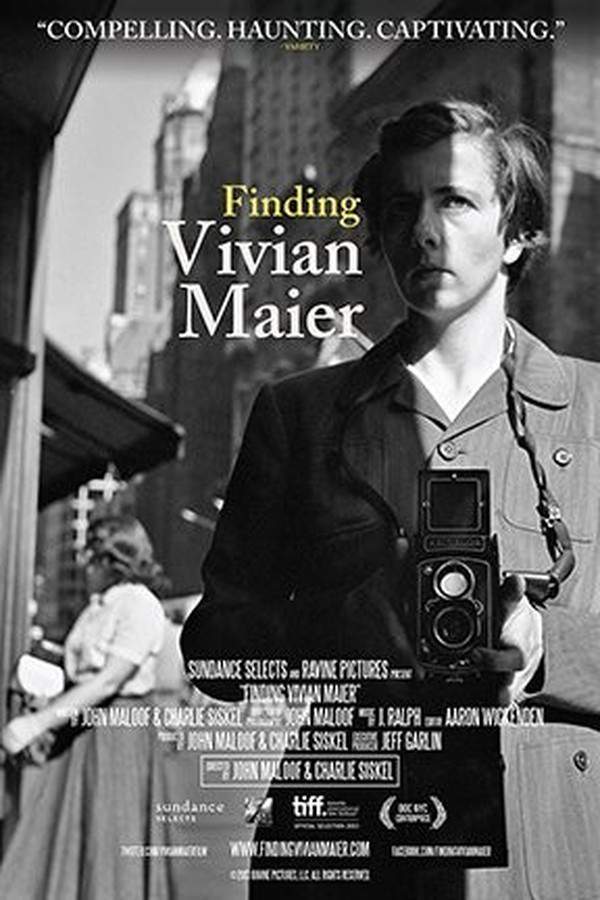
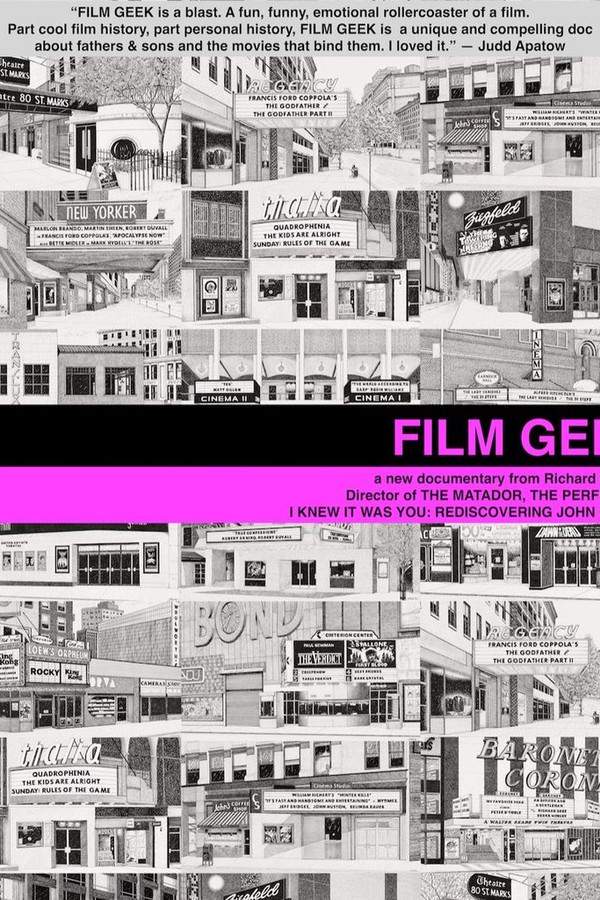
Ambiguous journeys of national soul-searching like in Rocky Road to Dublin

Unresolved explorations of a country's past, present, and uncertain future. Discover movies similar to Rocky Road to Dublin that explore national identity and end on an ambiguous, thought-provoking note. These films ask big questions about a country's path and leave you with a sense of uncertainty, perfect for viewers who enjoy open-ended cultural analysis.

  • thoughtful
  • ambiguous
  • nostalgic
  • critical
  • observational
  • unresolved
  • Tone: reflective, melancholic, ambiguous
  • Pacing: steady, contemplative
Why these movies?

The story pattern: The narrative pattern involves a search for a country's true essence, contrasting its ideals with its reality. Characters or the camera itself act as explorers, uncovering layers of history and social norms. The conflict is often between tradition and progress, and the ending deliberately avoids a tidy resolution, mirroring the ongoing nature of a nation's story.

Why they belong together: These movies share a specific mix of a reflective, critical mood with a steady pacing and an ambiguous conclusion. The experience is defined by this combination: a thoughtful examination of weighty themes that doesn't provide closure, instead inviting continued reflection on the subject matter.

If you liked this

Movies Like Rocky Road to Dublin

Similar movies to Rocky Road to Dublin: the same genre, themes or kind of story. Each one comes with its own plot summary, timeline and ending explained.

Browse all movie summaries

Every angle

Rocky Road to Dublin (1968) Explained: Plot, Timeline & Characters

Everything about Rocky Road to Dublin in one place: what happens in the plot summary, the timeline in chronological order, the characters and meaning and a spoiler-free summary. What's After the Movie adds the cast, box office and post-credit scenes.

Coming soon on iOS and Android

The Plot Explained Movie Summary App

Plot summaries, endings explained and timelines on your phone. Catch up on any movie in minutes, save your favorites and never miss a twist again.

Be the first to know when we launch. Your email stays private, always.

Learn more about the app