
Road to Sangam
Year: 2010
Runtime: 135 mins
Language: Hindi
Director: Amit Rai
Hasmat, a devout Muslim mechanic, is summoned to repair the vehicle that carries Mahatma Gandhi’s ashes. As he works, the fragile peace of his neighborhood unravels, and rising communal violence forces him to confront the growing tensions that threaten his community.
Where to Watch Road to Sangam?
Find where to stream, rent, or buy Road to Sangam (2010) in the US with current JustWatch availability, up-to-date pricing, and platform listings for subscription, rental, and digital purchase options.

Streaming availability powered by 
Warning: spoilers below!
Haven’t seen Road to Sangam yet? This summary contains major spoilers. Bookmark the page, watch the movie, and come back for the full breakdown. If you're ready, scroll on and relive the story!
Timeline & Setting – Road to Sangam (2010)
Explore the full timeline and setting of Road to Sangam (2010). Follow every major event in chronological order and see how the environment shapes the story, characters, and dramatic tension.
Last updated: October 03, 2025 at 10:11
Main Characters – Road to Sangam (2010)
Meet the key characters of Road to Sangam (2010), with detailed profiles, motivations, and roles in the plot. Understand their emotional journeys and what they reveal about the film’s deeper themes.
Last updated: October 03, 2025 at 10:11
Major Themes – Road to Sangam (2010)
Explore the central themes of Road to Sangam (2010), from psychological, social, and emotional dimensions to philosophical messages. Understand what the film is really saying beneath the surface.
Last updated: October 03, 2025 at 10:11
Road to Sangam (2010) Character & Theme Questions Answered – Info FAQ
Browse frequently asked questions about Road to Sangam (2010) focused on characters, relationships, themes, symbols, setting, and story context. This movie info FAQ gives spoiler-aware explanations for character arcs, world details, and thematic interpretation so readers can better understand what the film is really about.
Where is Road to Sangam set?
The film is primarily set in Allahabad, Uttar Pradesh, India, where a mosque, a mechanic's shop, and national memory intersect. Some scenes also take place in Orissa (Odisha), where Gandhi's ashes resurface at the Orissa State Bank, linking a local community to a larger national memory.
What time period does the story cover?
The narrative spans from the late 1940s, around Gandhi's assassination and the dispersal of his ashes, to contemporary times when a petition in the Orissa High Court renews interest in Gandhi's memory. This timeframe juxtaposes post-Partition trauma with current debates over memory, faith, and national identity.
What is the main theme of Road to Sangam?
The film explores three interconnected themes: Memory and Identity, where Gandhi's ashes serve as a catalyst for how people see themselves in the nation; Nonviolence as a practical daily discipline rather than a slogan; and Conflict and Reconciliation, showing how tradition and reform collide while emphasizing patient dialogue and small acts of trust as paths to healing.
Who is Hasmat Ullah in the film?
Hasmat Ullah is a devout Muslim mechanic in Allahabad played by Paresh Rawal. His everyday labor becomes a conduit to a larger history when he is summoned to repair the vehicle carrying Gandhi's ashes. He embodies Gandhian values, choosing nonviolent action and dialogue over immediate allegiance when faced with pressure from mosque leadership and political authorities.
Who is Nawab Mohammad Ali Kasuri?
Nawab Mohammad Ali Kasuri, played by Om Puri, is the chairman of the Mosque Committee and represents old-world authority within the Muslim community. His position and passion for tradition intensify the conflict when a Bandh is proposed after deadly protest outcomes. The death of his nephew during clashes deepens his anger and his insistence on order, embodying the tension between lineage, power, and the call for nonviolent reconciliation.
What do Gandhi's ashes represent in the story?
Gandhi's ashes, dispersed in 1948 and later rediscovered, act as a catalyst for how people see themselves in the nation. The film presents memory as a field of negotiation rather than a fixed fact. Through Hasmat's journey, memory becomes a tool for dialogue across religious and social divides, linking personal faith with a larger national story.
How does the film portray nonviolence?
Nonviolence is presented as a practical daily discipline rather than a slogan. Hasmat adopts Gandhian ethics to navigate threats and intimidation, choosing dialogue over retaliation. The engine repair becomes a symbol of restoring life without violence. The narrative frames nonviolence as a social practice that can bridge communities when fear runs high.
What role does the Masjid-e-Azam play in the film?
Masjid-e-Azam sits at the heart of the Muslim community in Allahabad and becomes a central location where the film's crisis unfolds. It represents both spiritual authority and political pressure as the community navigates fear, loyalty, and change during the communal tensions that arise surrounding the Gandhi ashes controversy.
Who is Maulana Qureshi in the story?
Maulana Qureshi, played by Pavan Malhotra, is a leading religious figure who directs the mosque's leadership and shapes responses to the crisis. He participates in the political action around the Bandh and represents the religious establishment's perspective, testifying to the tension between spiritual authority and social reform within the community.
What is the conflict between tradition and reform in the film?
The film dramatizes the fault lines between power and faith as authority figures defend the status quo while reformers push for empathy and unity. The Bandh and police action highlight these tensions. Yet the narrative emphasizes patient dialogue and small acts of trust as paths to reconciliation, showing how shared memory can heal divides rather than inflame them.
What does the mechanic shop represent in Road to Sangam?
The mechanic's shop serves as a microcosm where everyday labor intersects with national history. It is where Hasmat carries out his work and where the repair of Gandhi's ashes' vehicle becomes a symbolic act of restoring life without violence. The shop anchors the everyday life of the community amid bigger historical forces.
How does the film address communal tensions?
The film shows how the fragile peace of the neighborhood unravels as rising communal violence forces Hasmat to confront growing tensions that threaten his community. The story explores how political pressures and religious authority interact with ordinary citizens, depicting the threat of violence while ultimately promoting dialogue and understanding as pathways to resolution.

Explore Movie Threads
Discover curated groups of movies connected by mood, themes, and story style. Browse collections built around emotion, atmosphere, and narrative focus to easily find films that match what you feel like watching right now.
Movies about moral conscience like Road to Sangam
Ordinary individuals face profound ethical choices as their communities fracture.If you were captivated by the ethical weight of Road to Sangam, explore more films where individuals face profound moral tests. These movies like Road to Sangam focus on quiet, personal decisions that carry heavy consequences, often set against a backdrop of societal unrest or historical tension.

Crisis Negotiators
2024

Edge of Doom
1950

Conspiracy of the Doomed
1950
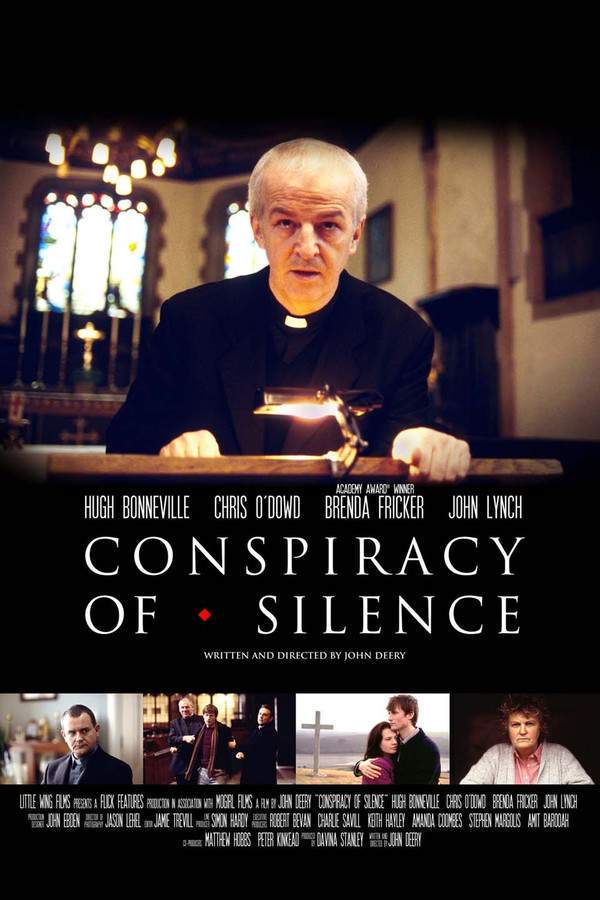
Conspiracy of Silence
2004

Our Brand Is Crisis
2006

Diplomacy
2014

Two Prosecutors
2025

The Dinner
2017

Good Night, and Good Luck
2025

An Act of Murder
1948

Monsters and Men
2018

A Hero
2022

Doing Time on Maple Drive
1992

Two Days, One Night
2014

Courage Under Fire
1996
Narrative Summary
The narrative typically follows a steady progression where a character's deep-seated values are challenged by rising conflict. The climax hinges not on action, but on a defining moral choice that resolves the personal and often the larger societal tension, frequently leading to a hopeful or bittersweet resolution.
Why These Movies?
Movies are grouped here by their shared focus on a heavy, internal ethical dilemma. They feature a similar emotional journey—from uncertainty to principled resolve—and a tone that is both contemplative and tense, driven by character rather than plot twists.
Movies about Gandhian philosophy like Road to Sangam
Films that explore the power and complexity of nonviolent resistance and truth.For viewers who appreciated the Gandhian themes in Road to Sangam, this section highlights similar films exploring nonviolent resistance. Discover more movies like Road to Sangam that delve into the practical and philosophical challenges of achieving change through peace and moral courage.
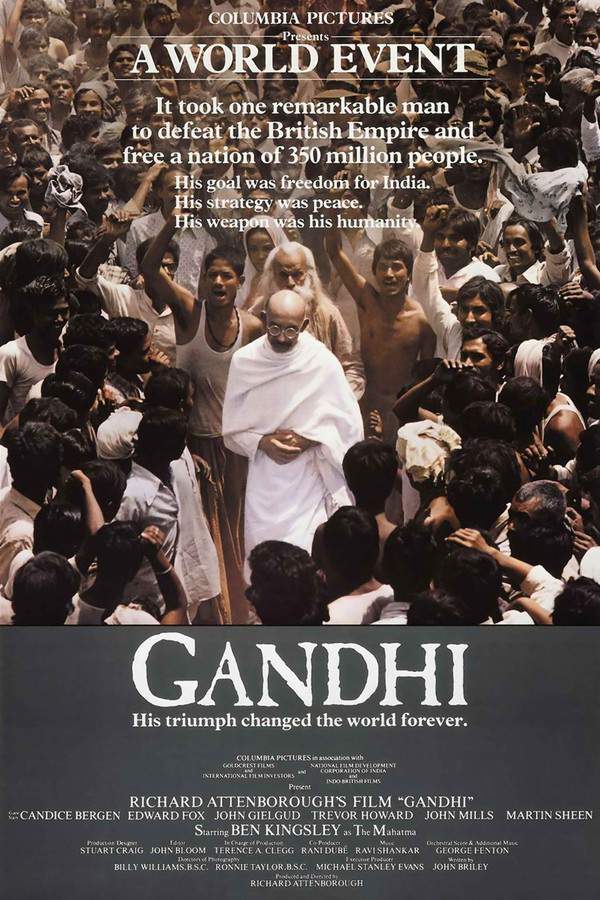
Gandhi
1983
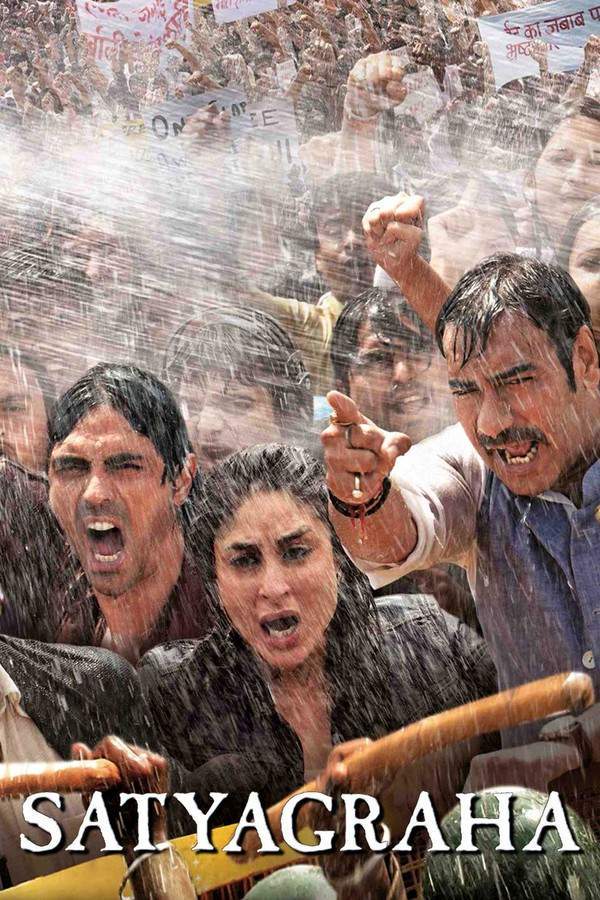
Satyagraha
2013
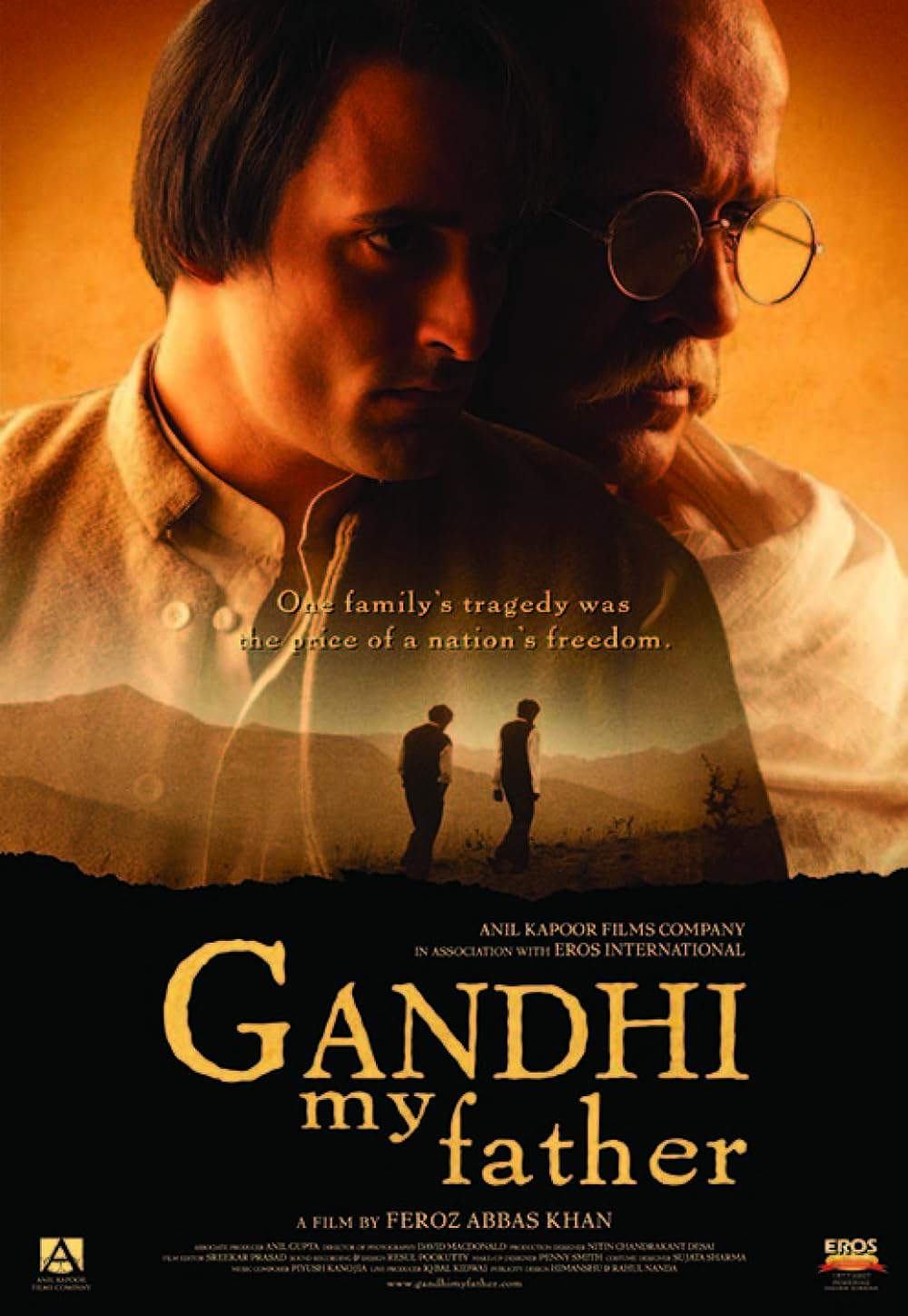
Gandhi, My Father
2007

The Legend of Bhagat Singh
2002
Road to Sangam
2010

Mangal Pandey - The Rising
2005
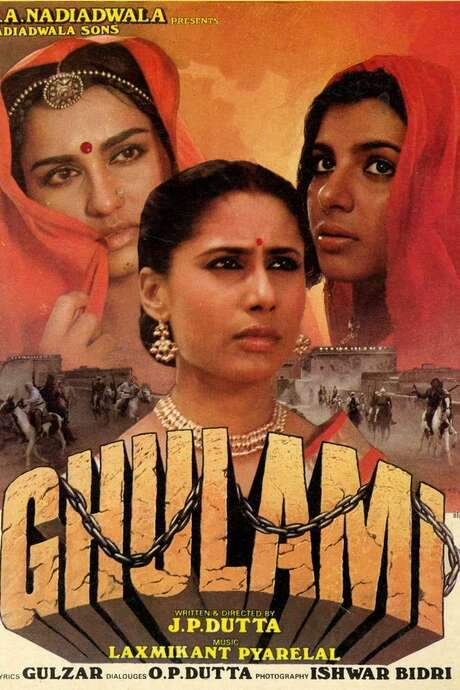
Ghulami
1985

Gadar: Ek Prem Katha
2001
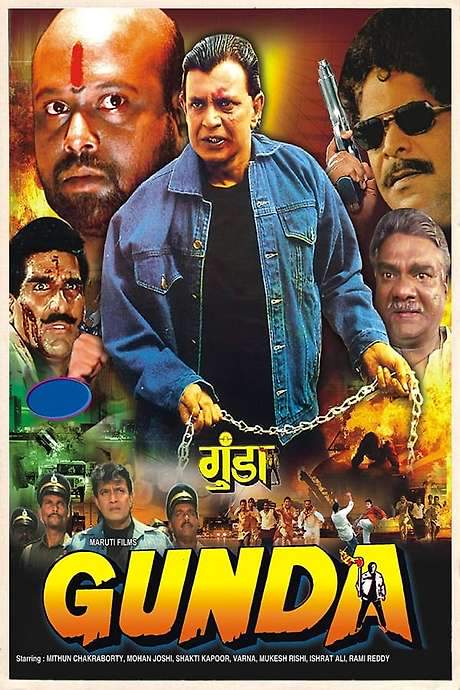
Gunda
1998

Gunga Jumna
1961

Dr. Babasaheb Ambedkar
2000

Rang De Basanti
2006

Guide
1965

Lion of the Desert
1980

Singh Saab the Great
2013
Narrative Summary
Stories in this thread often involve a character or community learning to apply Gandhian principles to a contemporary or historical conflict. The plot revolves around the clash between violent and nonviolent solutions, culminating in a demonstration of the power of peaceful protest and personal conviction.
Why These Movies?
These films are united by their direct engagement with the themes of Gandhian philosophy as a narrative engine. They share a thoughtful, urgent mood and often a heavy emotional weight, focusing on the ideological and personal battles inherent in choosing a path of nonviolence.
Unlock the Full Story of Road to Sangam
Don't stop at just watching - explore Road to Sangam in full detail. From the complete plot summary and scene-by-scene timeline to character breakdowns, thematic analysis, and a deep dive into the ending - every page helps you truly understand what Road to Sangam is all about. Plus, discover what's next after the movie.
Road to Sangam Summary
Read a complete plot summary of Road to Sangam, including all key story points, character arcs, and turning points. This in-depth recap is ideal for understanding the narrative structure or reviewing what happened in the movie.

Road to Sangam Timeline
Track the full timeline of Road to Sangam with every major event arranged chronologically. Perfect for decoding non-linear storytelling, flashbacks, or parallel narratives with a clear scene-by-scene breakdown.


