
Road to Sangam
Year: 2010
Runtime: 135 mins
Language: Hindi
Director: Amit Rai
Hasmat, a devout Muslim mechanic, is summoned to repair the vehicle that carries Mahatma Gandhi’s ashes. As he works, the fragile peace of his neighborhood unravels, and rising communal violence forces him to confront the growing tensions that threaten his community.
Where to Watch Road to Sangam?
Find where to stream, rent, or buy Road to Sangam (2010) in the US with current JustWatch availability, up-to-date pricing, and platform listings for subscription, rental, and digital purchase options.

Streaming availability powered by 
Warning: spoilers below!
Haven’t seen Road to Sangam yet? This summary contains major spoilers. Bookmark the page, watch the movie, and come back for the full breakdown. If you're ready, scroll on and relive the story!
Road to Sangam (2010) – Full Plot Summary & Ending Explained
Read the complete plot breakdown of Road to Sangam (2010), including all key story events, major twists, and the ending explained in detail. Discover what really happened, and what it all means.
Hasmat Ullah is a god-fearing, devout Muslim mechanic in Allahabad, Uttar Pradesh, whose everyday work becomes a doorway to a much larger history. He is called to repair an old Ford V8 lorry engine, a machine whose past he does not yet fully grasp: it once carried the ashes of Mahatma Gandhi after Gandhi’s assassination in 1948. Those ashes were divided into twenty portions, sent to different provinces of India, brought back home, and then dispersed again in the sacred waters of the Triveni Sangam. The very engine he is entrusted to fix is tethered to a national memory, a symbol that transcends a simple mechanical task.
One of Gandhi’s ashes resurfaces years later in a dusty corner of the Orissa State Bank, setting off a diplomatic and legal ripple. Gandhi’s grandson initiates a petition in the Orissa High Court for the ashes’ return, and the government responds by honoring Gandhi with a ceremonial reenactment of the 1948 procession. The revived interest brings attention to the old lorry, and a news crew arrives to document the revival of a piece of history. It is in this moment that Hasmat Ullah begins to understand the extraordinary significance of the engine he is asked to repair, and he finds his own life drawn into a widening conversation about memory, faith, and national identity.
Meanwhile, a wave of violence—an explosion in three UP courthouses in Lucknow, Varanasi, and Faizabad—provokes a brutal response from authorities. Suspects with links to Hizb-ul-Mujahideen are rounded up, and the local Muslim neighborhood around Allahabad feels the pressure of suspicion and reprisal. Hashmat is the General Secretary of the Managing Committee of the city’s main mosque, Masjid-e-Azam, and his role places him at the center of a tense clash between politics, religion, and communal loyalties. The Mosque Committee protests the arrests, and the court becomes a stage for confrontation, with police using force to push back crowds as protestors breach barriers.
In this volatile atmosphere, tragedy strikes when a Muslim protester dies while attempting to scale the boundary wall. He is the nephew of Nawab Kasuri, the Chairman of the Mosque Committee, whose anger is amplified by the Maulana who leads the mosque. The pair call for a Bandh, a general shutdown, amplifying the sense that authority and tradition are aligned against any impulse to challenge the status quo. Hashmat faces a stark dilemma: should he stand with the Bandh and the community’s anger, or complete the repair and return to the fixed Ford lorry, a choice that would align him with the government’s symbolic project and Gandhi’s memory?
Hashmat’s decision to seek permission from the mosque leadership to continue the repair frames Gandhi’s legacy as a living force. He argues that Gandhi’s life was about protecting the vulnerable during Partition, and he insists that his work on the engine serves a Gandhian cause—a cause that could unify rather than split his community. The Mosque Committee’s rebuke is swift, and his family and friends turn away in fear and anger. He endures insults and threats, yet his resolve deepens. Through patient persistence and a steadfast commitment to nonviolent methods, Hashmat slowly wins the trust of some of his neighbors, demonstrating that Gandhian values can transcend religious and social divides even in the face of intimidation.
The film from which this tale unfolds is described as probing the inner tensions within Indian Muslim communities, using symbolic scenes to provoke thought rather than simple judgment. In an early sequence, some Muslims are shown praising Pakistan’s cricket stars, a nod to the complex political loyalties that coexist with everyday life, while Hashmat himself praises Sachin Tendulkar, signaling a nuanced middle path between adoration for national heroes and personal devotion to a broader ideal. Another recurring motif casts aristocracy in a stern light, with Nawab Kasuri portrayed as a powerful figure whose grip on the Mosque Committee is challenged by Hashmat’s determination to pursue Gandhi’s message. The tension between tradition and reform—between fear and hope, between lineage and conscience—frames Hashmat’s journey as he navigates a community that must cope with external threats and internal doubts.
Throughout the narrative, Hashmat’s vision of Gandhi becomes a personal moral compass. He comes to see Gandhi not merely as a distant Hindu leader, but as someone who could belong to him and his people—an idea that reframes his work on the engine as both a memorial act and a living commitment to unity. The story uses the engine as a vessel for dialogue, memory, and the possibility of reconciliation in a society marked by division. By the end, the character’s steadfast adherence to Gandhian principles—nonviolence, dialogue, and perseverance in the face of pressure—seeks to demonstrate that a shared public history can help heal divides that seem insurmountable.
In tone and purpose, the film invites reflection rather than certainty. It presents a portrait of a community under stress, a man who refuses to abandon his convictions, and a nation negotiating the legacy of its freedom struggle with every choice it makes in the present. The result is a thoughtful, challenging meditation on faith, citizenship, and the enduring relevance of Gandhian ethics in a world where memory and identity are often contested terrain.
Last updated: October 09, 2025 at 16:58
Road to Sangam (2010) Plot Questions Answered – Summary FAQ
Explore frequently asked questions about Road to Sangam (2010) with spoiler-rich answers covering the full plot summary, major story beats, character motivations, hidden details, and ending meaning. This movie summary FAQ helps explain confusing scenes, plot twists, and narrative decisions in clear, searchable detail.
Why does Hasmat Ullah want to repair the Gandhi lorry despite opposition from his community?
Hasmat believes repairing the lorry engine is a Gandhian act that can unify rather than divide. He argues that Gandhi's legacy was about protecting the vulnerable during Partition, and completing the repair honors that memory. He sees it as serving a cause bigger than religious division, a way to demonstrate that Gandhian values can transcend communal boundaries.
Earlier, some Muslims in the neighborhood praise Pakistan's cricket stars, while Hasmat praises Sachin Tendulkar, showing his belief in a nuanced middle path.
What is the significance of the Ford V8 lorry engine that Hasmat repairs?
The engine once carried Mahatma Gandhi's ashes after his assassination in 1948. Those ashes were divided into twenty portions and sent across India, eventually dispersed at the Triveni Sangam. The lorry became a symbol of national memory and unity, making the repair job far more than a mechanical task, it becomes an act of honoring India's history.
The film establishes early that the engine carries a 'national memory' that transcends simple machinery.
Why does the Mosque Committee oppose Hasmat's decision to repair the lorry?
The Mosque Committee sees Hasmat's decision to work on the Gandhi engine, especially during a time of communal tension and after a Muslim protester's death, as aligning with the government rather than his community. They view it as a betrayal of solidarity during a crisis, particularly since police had cracked down on Muslim neighborhoods following the courthouse explosions.
The protests at the mosque and police clashes set the context for why the Committee sees Hasmat's choice as disloyal.
What triggers the communal violence in the film?
The violence begins with explosions in three UP courthouses in Lucknow, Varanasi, and Faizabad. Suspects with links to Hizb-ul-Mujahideen are arrested, provoking a brutal police response against Muslim neighborhoods. This creates suspicion and reprisal against the local Muslim community in Allahabad, setting the stage for the protest and subsequent tragedy.
The timeline shows the explosions directly leading to arrests and community unrest.
Why does a protester die during the mosque protests?
A Muslim protester dies while attempting to scale a boundary wall during clashes with police. His death, being the nephew of Nawab Kasuri (Chairman of the Mosque Committee), intensifies anger and provides the Maulana and Kasuri justification to call for a Bandh, a general shutdown of the city, escalating the confrontation.
The timeline shows the death occurs at the peak of protests after police use force to push back crowds.
Why does Hasmat see Gandhi as relevant to Muslims when the community opposes him?
Hasmat reframes Gandhi not as a distant Hindu leader but as someone whose values protect all vulnerable people, including Muslims. He argues Gandhi's life was about unity during Partition, and working on the lorry serves that same principle of bringing communities together. This personal interpretation of Gandhi allows Hasmat to see his action as genuinely inclusive rather than a concession to majority interests.
The film shows Hasmat praising Sachin Tendulkar while others praise Pakistan's cricket stars, indicating his middle path between national identity and personal conscience.
What is the outcome of Hasmat's decision to continue the repair despite threats?
Hasmat endures insults, threats, and isolation from family and friends, but through patient nonviolent persistence, he gradually wins the trust of some neighbors. His steadfast adherence to Gandhian principles, nonviolence, dialogue, and perseverance, demonstrates that reconciliation is possible even in a climate of division and fear.
The narrative arc shows his resolve deepening as he faces rebuke, suggesting his eventual success is built on consistent moral conviction.
What does the Bandh called by Nawab Kasuri and the Maulana represent in the film?
The Bandh represents a collective act of defiance, a general shutdown demonstrating that traditional authority and community anger are aligned against what they perceive as state oppression. It signals the Mosque Committee's grip on power and their challenge to any individual who would cooperate with government projects during a time of crisis.
Nawab Kasuri is portrayed as a powerful figure whose control over the Mosque Committee is challenged by Hasmat's independent stance.
What role does Nawab Kasuri play in the conflict?
Nawab Kasuri is the Chairman of Masjid-e-Azam's Mosque Committee and represents traditional authority within the Muslim community. His nephew's death in the protest hardens his stance against Hasmat's decision. The film portrays him as a powerful figure whose grip on the Committee is challenged by Hasmat's determination to pursue Gandhi's message of unity, highlighting the tension between tradition and reform.
The conflict between Kasuri's traditional leadership and Hasmat's reformist approach drives much of the film's tension.
What is the film's message about using Gandhi's legacy for reconciliation?
The film suggests that shared public history, like the memory of Gandhi's ashes carried by the lorry, can serve as a vessel for dialogue and healing across religious divides. Hasmat's steadfast adherence to Gandhian ethics demonstrates that nonviolence and dialogue offer a hopeful path toward reconciliation in a society marked by division and communal suspicion.
The engine repair becomes a catalyst for dialogue, symbolizing how historical memory can bridge divides.

Explore Movie Threads
Discover curated groups of movies connected by mood, themes, and story style. Browse collections built around emotion, atmosphere, and narrative focus to easily find films that match what you feel like watching right now.
Movies about moral conscience like Road to Sangam
Ordinary individuals face profound ethical choices as their communities fracture.If you were captivated by the ethical weight of Road to Sangam, explore more films where individuals face profound moral tests. These movies like Road to Sangam focus on quiet, personal decisions that carry heavy consequences, often set against a backdrop of societal unrest or historical tension.

Crisis Negotiators
2024

Edge of Doom
1950

Conspiracy of the Doomed
1950
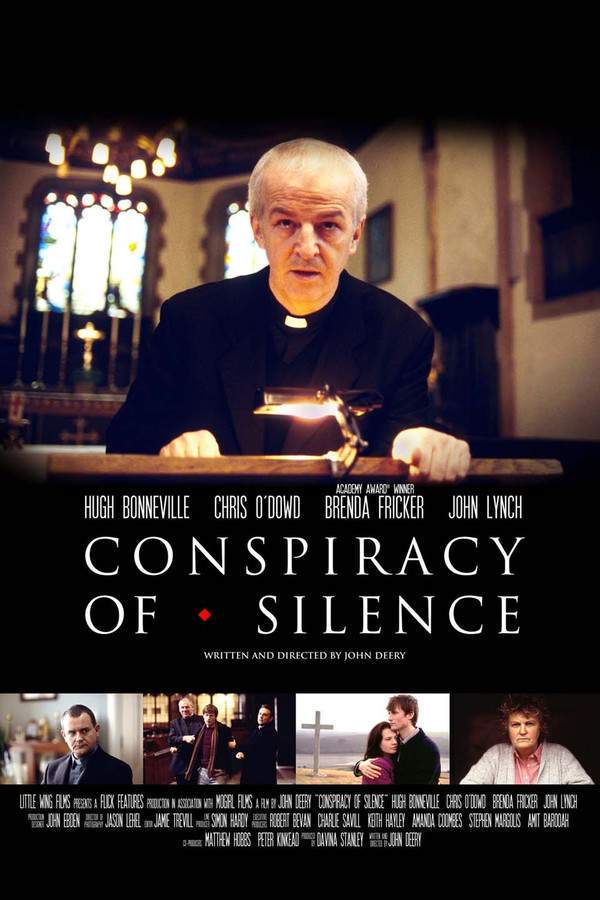
Conspiracy of Silence
2004

Our Brand Is Crisis
2006
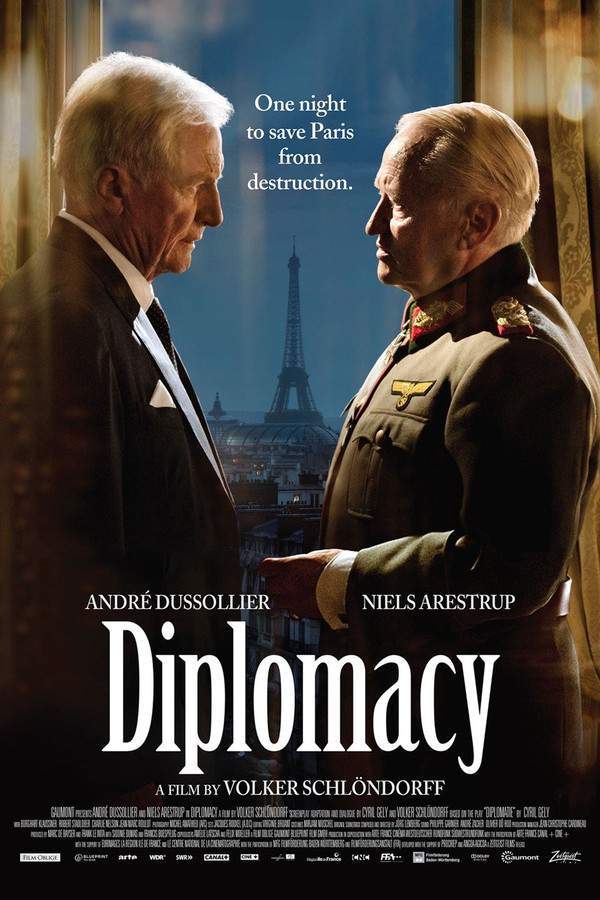
Diplomacy
2014

Two Prosecutors
2025

The Dinner
2017

Good Night, and Good Luck
2025

An Act of Murder
1948

Monsters and Men
2018

A Hero
2022

Doing Time on Maple Drive
1992

Two Days, One Night
2014

Courage Under Fire
1996
Narrative Summary
The narrative typically follows a steady progression where a character's deep-seated values are challenged by rising conflict. The climax hinges not on action, but on a defining moral choice that resolves the personal and often the larger societal tension, frequently leading to a hopeful or bittersweet resolution.
Why These Movies?
Movies are grouped here by their shared focus on a heavy, internal ethical dilemma. They feature a similar emotional journey—from uncertainty to principled resolve—and a tone that is both contemplative and tense, driven by character rather than plot twists.
Movies about Gandhian philosophy like Road to Sangam
Films that explore the power and complexity of nonviolent resistance and truth.For viewers who appreciated the Gandhian themes in Road to Sangam, this section highlights similar films exploring nonviolent resistance. Discover more movies like Road to Sangam that delve into the practical and philosophical challenges of achieving change through peace and moral courage.
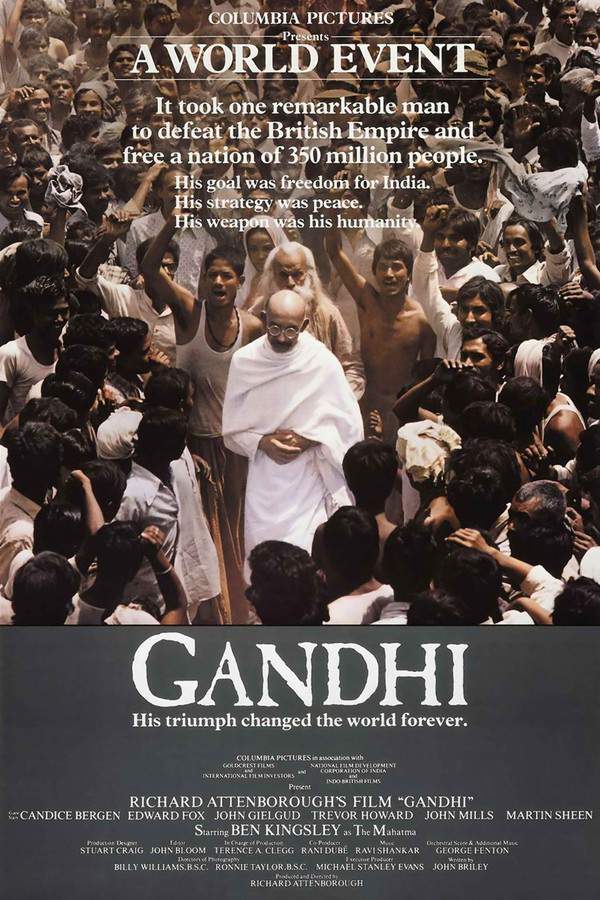
Gandhi
1983
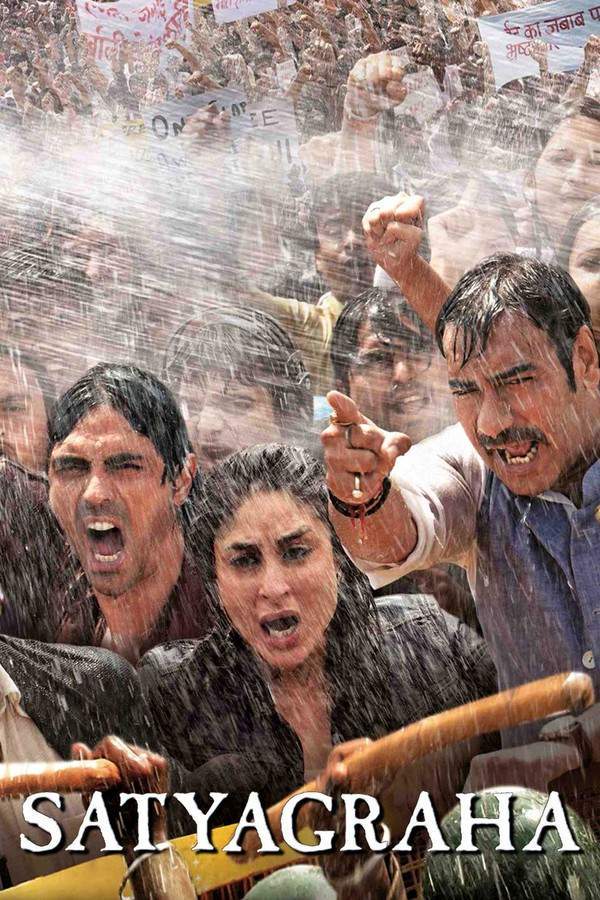
Satyagraha
2013
Gandhi, My Father
2007

The Legend of Bhagat Singh
2002
Road to Sangam
2010

Mangal Pandey - The Rising
2005
Ghulami
1985

Gadar: Ek Prem Katha
2001
Gunda
1998

Gunga Jumna
1961

Dr. Babasaheb Ambedkar
2000

Rang De Basanti
2006
Guide
1965

Lion of the Desert
1980

Singh Saab the Great
2013
Narrative Summary
Stories in this thread often involve a character or community learning to apply Gandhian principles to a contemporary or historical conflict. The plot revolves around the clash between violent and nonviolent solutions, culminating in a demonstration of the power of peaceful protest and personal conviction.
Why These Movies?
These films are united by their direct engagement with the themes of Gandhian philosophy as a narrative engine. They share a thoughtful, urgent mood and often a heavy emotional weight, focusing on the ideological and personal battles inherent in choosing a path of nonviolence.
Unlock the Full Story of Road to Sangam
Don't stop at just watching - explore Road to Sangam in full detail. From the complete plot summary and scene-by-scene timeline to character breakdowns, thematic analysis, and a deep dive into the ending - every page helps you truly understand what Road to Sangam is all about. Plus, discover what's next after the movie.
Road to Sangam Timeline
Track the full timeline of Road to Sangam with every major event arranged chronologically. Perfect for decoding non-linear storytelling, flashbacks, or parallel narratives with a clear scene-by-scene breakdown.

Characters, Settings & Themes in Road to Sangam
Discover the characters, locations, and core themes that shape Road to Sangam. Get insights into symbolic elements, setting significance, and deeper narrative meaning - ideal for thematic analysis and movie breakdowns.


