



















Plot Explained Spoilers guaranteed!
Plot Explained

Browse by genre

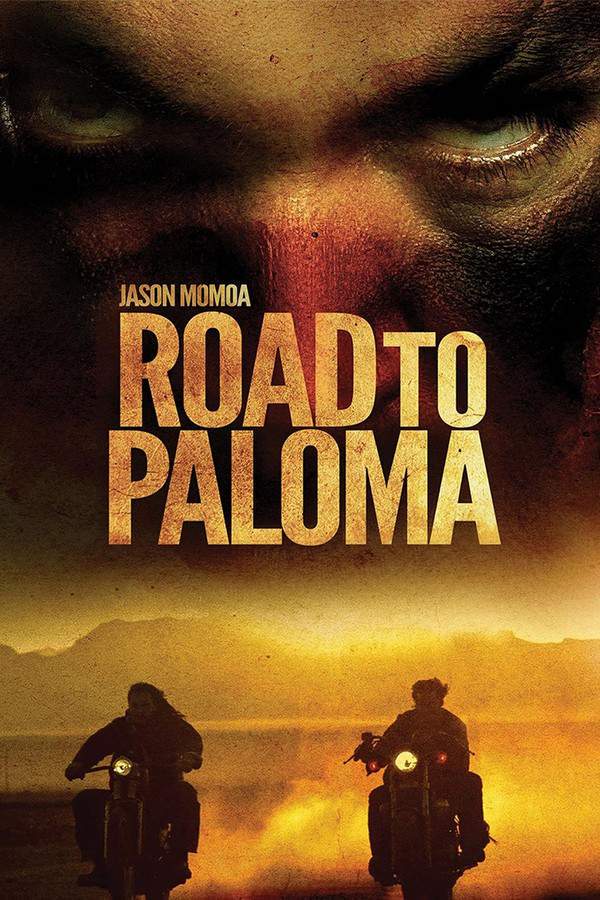
Road to Paloma (2014) movie poster

Characters & Themes

Road to Paloma (2014) Characters, Setting & Themes Explained

Release, runtime and language
2014 · 91 min · English
JustWatch #15,662 8
Starring
Jason Momoa, Michael Raymond-James, Timothy V. Murphy, Chris Browning, Lisa Bonet, Robert Homer Mollohan

Haunted by his mother's murder, a man sets out on a dangerous journey across the American West. Seeking redemption, he intends to scatter her ashes while confronting the demons of his past. Along the way, he encounters a cast of memorable characters and must face both external threats and his own inner turmoil.

On this page (8)
  1. 1 Where to watch
  2. 2 Characters explained (4)
  3. 3 Where & when it takes place
  4. 4 Themes & meaning (3)
  5. 5 Character & meaning questions
  6. 6 Movie threads
  7. 7 Movies like Road to Paloma
  8. 8 Every angle

Where to watch

Where to Watch Road to Paloma (2014)

Where can you watch Road to Paloma? Stream, rent or buy it in the US, including on Amazon Prime Video, Lionsgate+ Amazon Channels and Philo: current JustWatch availability with up-to-date prices.

Streaming availability powered by JustWatch

4 main characters · contains spoilers

Road to Paloma Characters Explained: Who Is Who

The main characters of Road to Paloma (2014), heroes and villains: what drives them, how they change over the course of the story and what each of them reveals about the film's bigger ideas.

  • Wolf (Jason Momoa)

    Wolf is a deeply troubled yet strong Native American man driven by grief and a sense of justice for his mother's death. He has committed a grave act to avenge her, showcasing his internal struggle between right and wrong. His character is marked by loyalty and a profound connection to his family and heritage.

    • 🪶 Hero
    • ⚔️ Avenger
    • 💔 Grieving
  • Cash (Michael Raymond-James)

    Cash is a drifter who becomes Wolf's companion on his journey. He represents the everyday person caught in extraordinary circumstances, offering support and camaraderie. His character brings a sense of humanity and compassion, often questioning Wolf's choices while remaining steadfast in friendship.

    • 🤝 Companion
    • 👣 Wanderer
    • 🧭 Guide
  • Irish (Timothy V. Murphy)

    Irish is Wolf's brother-in-law who provides assistance during their perilous journey. His character embodies a sense of familial loyalty and sacrifice, trying to protect his loved ones while navigating the dangers presented by the law. His actions depict the difficult choices families must make under duress.

    • 👨‍👧‍👦 Protector
    • ⚓ Family
    • 💔 Sacrifice
  • Eva (Lisa Bonet)

    Eva is Wolf's sister who grapples with the pain of losing their mother and the impact of Wolf's actions on their family. Her character serves as a grounding influence, reflecting the emotional turmoil that the family endures. She represents the struggle to maintain hope amid tragedy.

    • 👩‍👦 Supporter
    • 🕊️ Mourner
    • 💖 Family

Last updated: September 22, 2026 at 18:33

Was this helpful?

Setting

Where and When Does Road to Paloma Take Place?

The setting of Road to Paloma (2014): the year and time period, the places and locations, and how they shape the characters, the mood and the tension of the story.

Time period

Although no specific year is mentioned, the events of the film suggest a contemporary setting. The challenges faced by Wolf, including issues of justice and law enforcement, reflect ongoing socio-economic struggles relevant to Native American communities in modern society.

Location

Mountains, Desert

The movie primarily takes place in the rugged and desolate landscapes of mountains and desert areas. These settings are known for their breathtaking views and the sense of isolation they provide. The mountains serve as a refuge and a final resting place for Wolf's mother, embodying both beauty and danger.

  • 🏞️ Nature
  • 🌄 Wilderness

Last updated: September 22, 2026 at 18:33

Was this helpful?

3 major themes

Road to Paloma Meaning: Themes & Message Explained

What is Road to Paloma (2014) really about? The emotional, social and philosophical themes the film keeps returning to, its symbolism and the message beneath the surface.

  • Justice

    The theme of justice permeates the narrative as Wolf takes the law into his own hands after the legal system fails his family. His personal quest highlights the complexities of justice within marginalized communities and explores questions of morality and retribution. The film grapples with the ramifications of vengeance and the cost of seeking personal justice.

  • Grief

    Grief is a central theme as Wolf mourns his mother and seeks to honor her memory by spreading her ashes. Throughout the journey, the impact of loss is depicted in his interactions and the emotional weight he carries. The film delves into how grief can drive individuals to extreme actions and the quest for closure.

  • Survival

    Survival is a prevalent theme as Wolf and Cash navigate through perilous situations both from the law and nature. Their journey is not merely physical but also emblematic of their fight against overwhelming odds. The characters illustrate resilience and determination in the face of adversity.

Last updated: September 22, 2026 at 18:33

Was this helpful?

Character & theme questions

Road to Paloma Characters & Meaning: Your Questions Answered

The questions people ask about Road to Paloma (2014): who the characters really are, their relationships, what the symbols mean, where it takes place and what the movie is really about. Each answer contains spoilers.

Q1

Where does the story take place?

Road to Paloma unfolds across the rugged mountains and desert landscapes of the American West. These desolate, isolated environments define the film's tone and atmosphere, serving as both a place of refuge and a symbol of the physical and emotional challenges the characters face.

  • american west
  • mountains
  • desert
  • wilderness
  • setting
  • location
Q2

What time period is the film set in?

The film is set in a contemporary, modern-day America rather than a specific historical era. The story reflects ongoing socio-economic struggles faced by Native American communities, including issues around justice and law enforcement, grounding the narrative in present-day realities.

  • contemporary
  • modern
  • time period
  • native american
  • present day
Q3

Who is Wolf and what drives him?

Wolf is a Native American protagonist driven by grief over his mother's death and a personal sense of justice after the legal system fails his family. His character embodies loyalty, heritage, and a deep internal struggle between right and wrong as he confronts the consequences of his choices.

  • wolf
  • jason momoa
  • native american
  • protagonist
  • grief
  • justice
Q4

What role does Cash play in Wolf's journey?

Cash is a drifter who becomes Wolf's road companion, representing the everyday person caught in extraordinary circumstances. He offers camaraderie, compassion, and grounding humanity, often questioning Wolf's choices while remaining loyal through every danger they face together.

  • cash
  • drifter
  • companion
  • journey
  • friendship
Q5

Who is Eva and what does she represent?

Eva is Wolf's sister, who shares in the family's grief over their mother's death while dealing with the fallout of Wolf's actions. She serves as an emotional anchor in the story, representing the struggle to hold onto hope and family unity amid tragedy.

  • eva
  • lisa bonet
  • sister
  • family
  • grief
  • hope
Q6

What does the film say about justice?

Road to Paloma explores justice as a deeply personal and morally complex issue, particularly within marginalized Native American communities. It examines what happens when institutional law fails a family, questioning whether vigilante retribution can ever bring true closure or only deepens the cycle of harm.

  • justice
  • vengeance
  • vigilante
  • marginalized
  • morality
Q7

How does grief shape the story?

Grief is the emotional engine of the film, driving Wolf's entire journey as he seeks to honor his mother's memory. The weight of loss influences his decisions, his relationships, and the extreme actions he takes, making the story as much about inner healing as the physical road traveled.

  • grief
  • loss
  • mourning
  • mother
  • closure
  • healing
Q8

Why is the wilderness setting important to the story?

The mountains and desert are far more than a backdrop; they embody both beauty and danger, mirroring the characters' emotional landscape. The isolation of the wilderness forces Wolf and Cash to confront their inner turmoil, while also symbolizing the freedom and refuge the open road offers from a world that has wronged them.

  • wilderness
  • mountains
  • desert
  • isolation
  • symbolism
Q9

What perspective does the film offer on Native American experiences?

The film presents a Native American viewpoint on justice, family, and identity, highlighting the systemic failures that affect tribal communities. Through Wolf's story, it sheds light on how marginalized groups navigate questions of law, loyalty, and cultural heritage in modern America.

  • native american
  • tribal
  • federal
  • cultural perspective
  • identity
Q10

What is the overall tone of the movie?

Road to Paloma carries a dark, somber, and emotionally heavy tone that reflects both the grief at the center of the story and the weight of Wolf's fugitive status. Brief moments of brotherhood and quiet reflection provide relief against the otherwise tense and oppressive atmosphere.

  • tone
  • atmosphere
  • dark
  • somber
  • emotional
  • mood

Movie threads

More Movies Like Road to Paloma, by Mood & Story

Curated lists built around what makes Road to Paloma tick: the same mood, the same kind of story or the same emotional payoff. Each list explains why these movies belong together.

Haunted road dramas like Road to Paloma

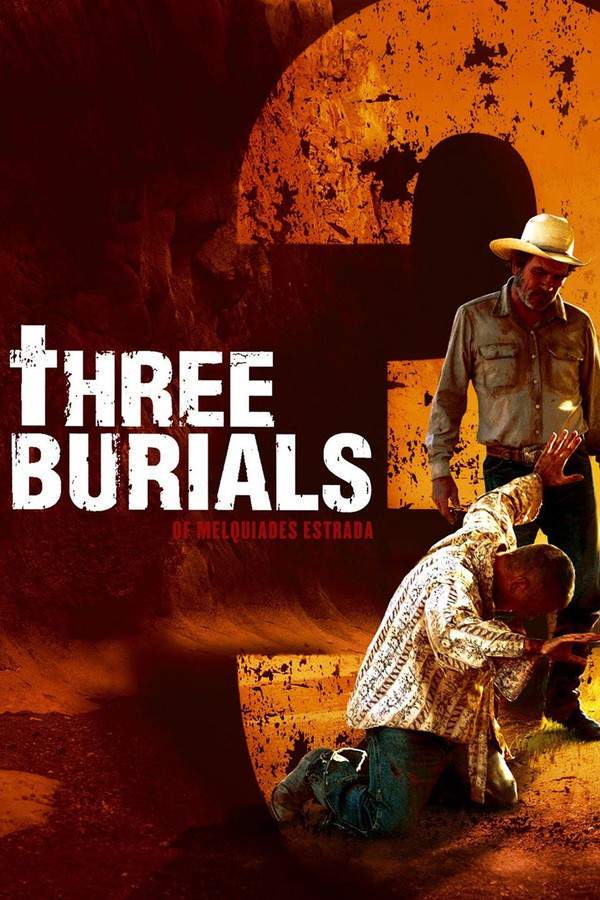
Wounded travelers cross vast landscapes seeking closure that grief cannot promise. Movies like Road to Paloma that follow wounded, fugitive characters on soul-searching journeys across the American West. These heavy, meditative road dramas blend grief, brotherhood, ritual, and quiet spiritual searching, delivering bittersweet endings where peace is earned but never clean. Perfect for fans searching for soulful, somber road movies with Native American themes.

  • haunted
  • road-worn
  • meditative
  • grief-stricken
  • bittersweet
  • spiritually charged
  • Tone: somber, dark, spiritually charged
  • Pacing: steady, contemplative road pace
Why these movies?

The story pattern: Stories in this thread usually begin with a protagonist already broken by loss or crime, already in motion across a stark landscape. The road itself becomes the narrative spine, with chance encounters, brief bonds, and moments of ritual or ceremony replacing conventional plot beats. Internal reckoning competes with external pursuit, and the climax tends to grant the character a form of closure, but only at great personal cost, ending in a quiet, bittersweet note rather than triumph.

Why they belong together: These films share a melancholy, sun-scorched atmosphere, steady pacing, and heavy emotional weight rooted in grief and moral injury. They lean on landscape as emotional mirror, mix quiet reflective passages with bursts of violence, and end bittersweet rather than triumphant. The presence of cultural or spiritual ritual, brotherhood between two travelers, and the theme of laying someone, or something, to rest ties them together.
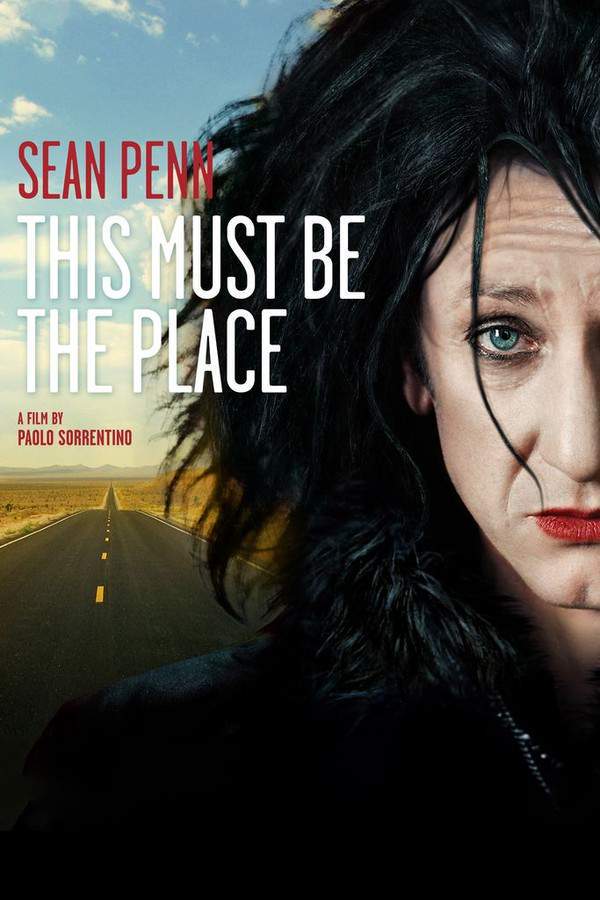
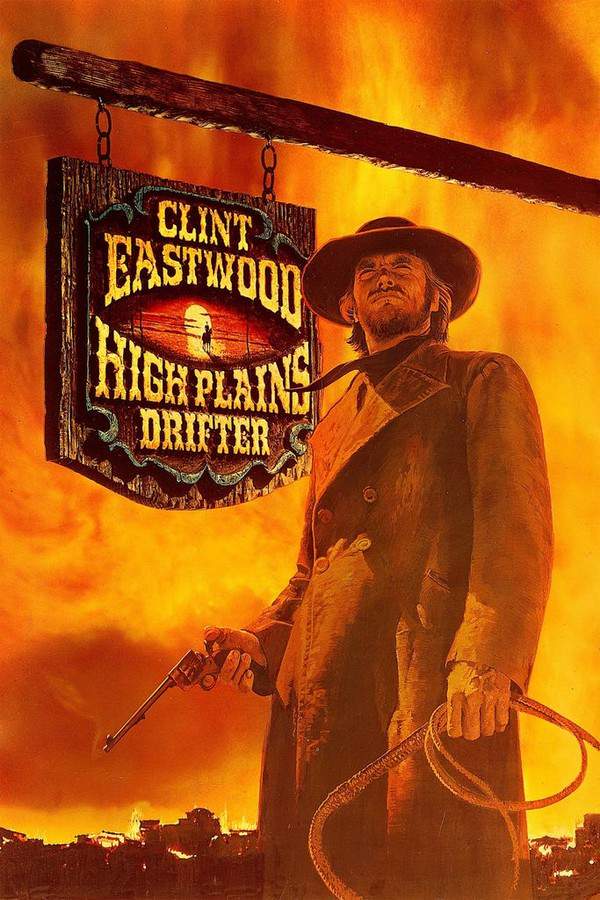
Vigilante justice stories like Road to Paloma

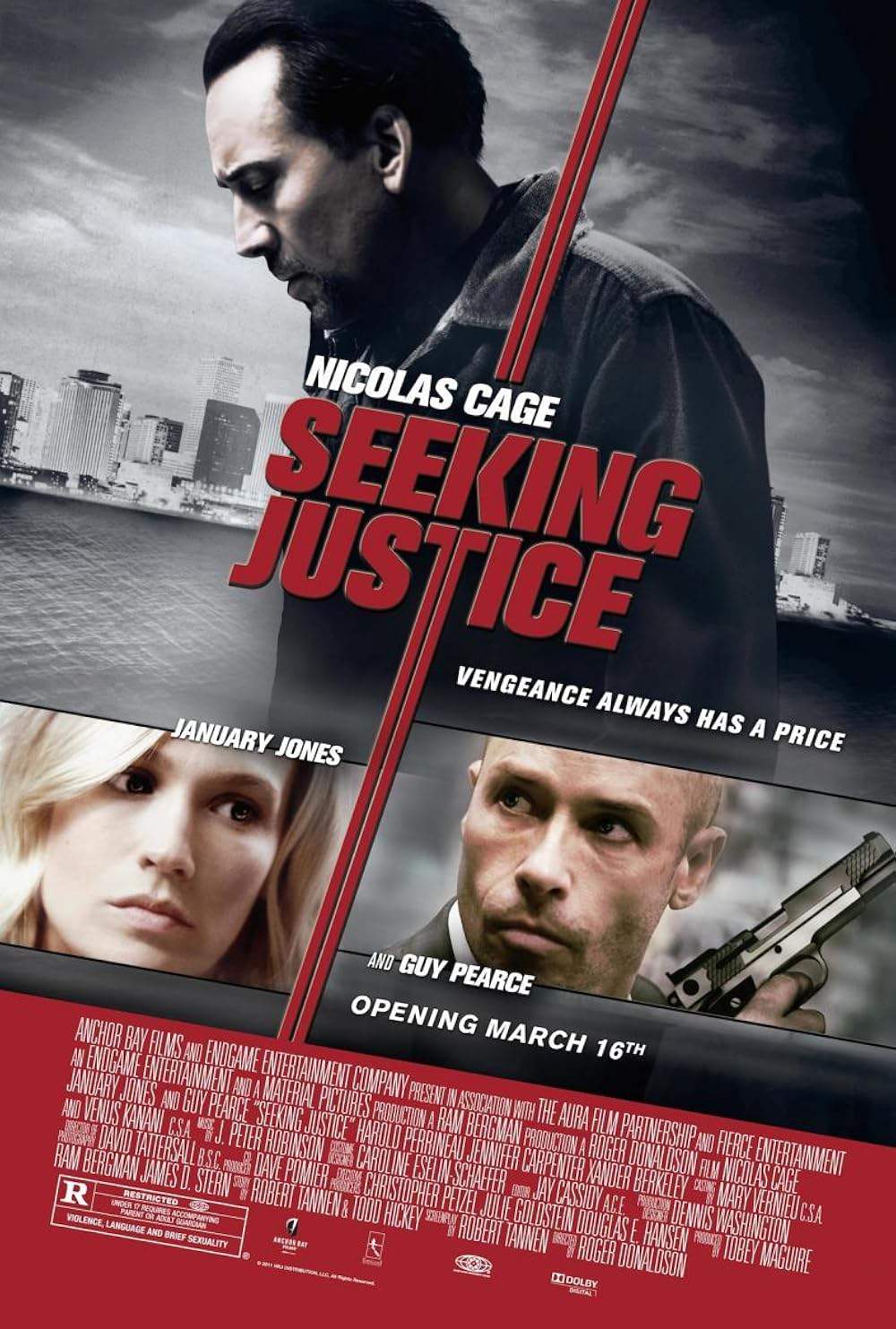
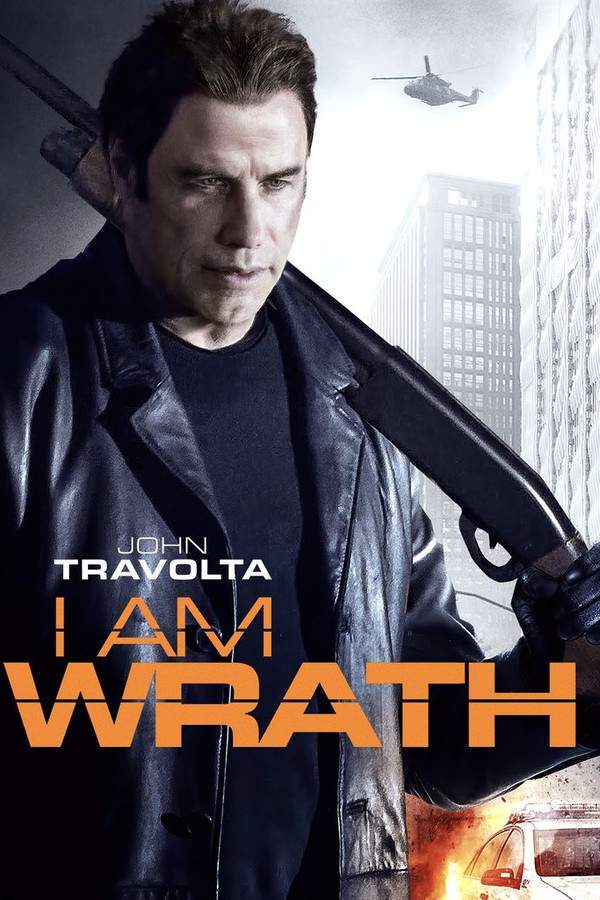
Outcasts take the law into their own hands when institutions fail them. If you liked Road to Paloma, these dark dramas and thrillers explore similar ground: wounded protagonists who take justice into their own hands after the system fails victims of sexual violence or murder. Expect heavy themes of vengeance, institutional betrayal, and grim moral choices, with high intensity and disturbing content throughout. Ideal searches for grim vigilante dramas and broken-system revenge stories.

  • vengeful
  • wounded
  • dark
  • justice-driven
  • brooding
  • unflinching
  • Tone: dark, vengeful, grim
  • Pacing: steady build to confrontation
Why these movies?

The story pattern: These stories typically open with a profound injustice, often sexual violence or murder, where authorities have failed or are complicit. The protagonist, already marked by trauma, refuses to wait for a system they have lost faith in. The narrative follows their descent into vengeance, building tension as federal agents, police, or powerful figures close in. The climax forces a final moral choice, often ending in the protagonist's death, capture, or spiritual surrender, leaving justice feeling personal, costly, and unresolved.

Why they belong together: They are bound together by a dark, vengeful tone, heavy emotional weight, and themes of institutional failure around violence against vulnerable people. Pacing is steady but relentless, intensity is high, and disturbing content is not shied away from. They share a moral seriousness, a wounded protagonist operating outside the law, and a resolution that is more bittersweet than triumphant, often at the cost of the hero's life or freedom.

If you liked this

Movies Like Road to Paloma

Similar movies to Road to Paloma: the same genre, themes or kind of story. Each one comes with its own plot summary, timeline and ending explained.

Browse all movie summaries

Every angle

Road to Paloma (2014) Explained: Plot, Timeline & Characters

Everything about Road to Paloma in one place: what happens in the plot summary, the timeline in chronological order, the characters and meaning and a spoiler-free summary. What's After the Movie adds the cast, box office and post-credit scenes.

Coming soon on iOS and Android

The Plot Explained Movie Summary App

Plot summaries, endings explained and timelines on your phone. Catch up on any movie in minutes, save your favorites and never miss a twist again.

Be the first to know when we launch. Your email stays private, always.

Learn more about the app