















Plot Explained Spoilers guaranteed!
Plot Explained

Browse by genre

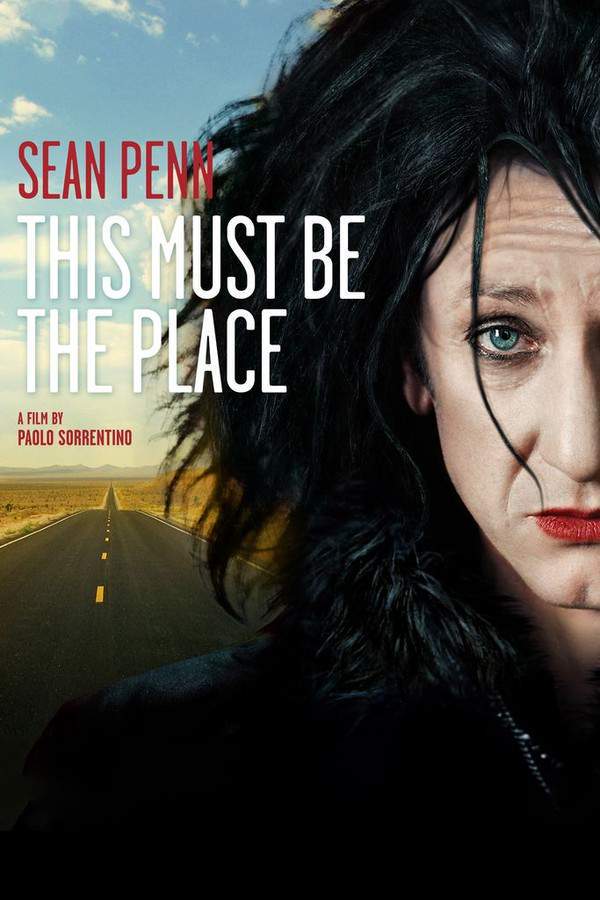
This Must Be the Place (2012) movie poster

Plot Summary

This Must Be the Place (2012) Plot Summary Explained

Release, runtime and language
2012 · 118 min · English
JustWatch #3,281 7
Directed by
Paolo Sorrentino
Starring
Judd Hirsch, Frances McDormand, Sean Penn, Kerry Condon, Eve Hewson

Following the death of his estranged father, a retired rock star named Cheyenne sets out on a cross-country road trip. Seeking closure and harboring a desire for revenge related to a past grievance, he retraces his father's steps, encountering a diverse cast of characters along the way. The journey becomes a poignant exploration of family, loss, and the search for understanding.

On this page (6)
  1. 1 Where to watch
  2. 2 What happens: full plot
  3. 3 Plot questions answered
  4. 4 Movie threads
  5. 5 Movies like This Must Be the Place
  6. 6 Every angle

Where to watch

Where to Watch This Must Be the Place (2012)

Where can you watch This Must Be the Place? Stream, rent or buy it in the US, including on Amazon Prime Video, Kanopy and Amazon MX Player: current JustWatch availability with up-to-date prices.

Streaming availability powered by JustWatch

Full plot summary · contains spoilers

What Happens in This Must Be the Place: Full Plot Summary

The whole story of This Must Be the Place (2012) explained, from the opening scene to the final frame: every key event, every twist and what it all adds up to. Read it as a quick recap before the sequel, to check a scene you missed, or to finally understand what really happened.

Cheyenne, a wealthy former rock star, finds himself feeling bored and disillusioned after a two-decade hiatus in Dublin. His retirement followed the tragic suicides of two teenage fans, which left him in a state of deep reflection. He embarks on a journey to New York with the aim of reconciling with his estranged father during his father's final moments, only to arrive after it's too late. The reason Cheyenne provides for their thirty-year silence is rooted in his father's rejection when he chose to wear goth make-up at the age of 15.

Upon discovering his father's diary, Cheyenne learns about the harrowing experiences his father endured while imprisoned in Auschwitz, particularly at the hands of the former SS officer, Alois Lange. In search of closure, he consults Mordecai Midler, a professional Nazi hunter, who tells him that Lange is inconsequential compared to other historical figures.

Determined to confront his father's past, Cheyenne sets off on a cross-country quest to locate Lange. Along the way, he encounters Lange's wife, granddaughter, and a businessman. His journey leads him to a gun shop where he purchases a powerful weapon. It is here that a bystander delivers a poignant soliloquy about a particular pistol that allows individuals to "kill with impunity." He reflects that this power transforms people into monsters, stating, > "if we’re licensed to be monsters we end up having just one desire – to truly be monsters."

Eventually, with Mordecai's assistance, Cheyenne tracks down Lange, who is now blinded by time. In their encounter, Lange reveals that he had received letters from Cheyenne's father for many years. He recounts the humiliating moment that fueled Cheyenne's father's obsession, suggesting that while it was traumatic, it pales in comparison to the horrors of Auschwitz. Despite viewing this as a "minor incident," Lange admits to respecting the man's relentless commitment to his own misery.

In a haunting moment, Cheyenne takes a photograph of Lange and whispers that it was an injustice for his father to pass away before Lange. In a chilling act of retribution, Cheyenne forces the frail, blind Lange to walk out into the harsh salt flats, vulnerable and exposed like a Holocaust victim. Soon after, Cheyenne and Mordecai drive away, leaving Lange in his isolation.

On his return flight—overcoming his previous fear of flying—Cheyenne undergoes a profound transformation. He cuts his long rock-star hair, abandons his goth make-up, jewelry, and flamboyant outfits, signaling a new chapter in his life.

Last updated: November 15, 2024 at 17:47

Was this helpful?

Plot questions answered

This Must Be the Place Plot Explained: Your Questions Answered

The questions people ask most about This Must Be the Place (2012): what happens in the confusing scenes, why the characters do what they do, the twists, hidden details and what the ending means. Each answer contains spoilers.

Q1

Why was Cheyenne estranged from his father for 30 years?

Cheyenne and his father had been estranged for three decades because his father rejected him when he chose to wear goth make-up at age 15. This childhood rejection created a deep rift between them, leading to decades of silence despite Cheyenne's later success as a rock star.

Foreshadowing: The film's opening establishes Cheyenne's goth appearance, which hints at the origins of his conflict with his father.

  • cheyenne
  • father
  • estrangement
  • goth
  • rejection
Q2

Why did Cheyenne quit being a rock star?

Cheyenne retired from music after two teenage fans committed suicide. This tragic event left him deeply traumatized and contributed to his general disillusionment with life, leading him to retreat from the spotlight for twenty years.

Foreshadowing: The opening scenes show Cheyenne living in boredom and reflection, hinting at the emotional weight he carries.

  • cheyenne
  • rock star
  • suicide
  • fans
  • retirement
Q3

Why does Cheyenne want to confront Alois Lange?

After reading his father's diary, Cheyenne learns that Alois Lange was the SS officer who tormented his father during imprisonment at Auschwitz. Seeking closure for his father's suffering and his own unresolved grief, Cheyenne embarks on a cross-country quest to find and confront the elderly Lange.

Foreshadowing: Cheyenne's discovery of the diary reveals the connection between Lange and his father's trauma.

  • cheyenne
  • alois lange
  • revenge
  • auschwitz
  • father
Q4

What happens when Cheyenne confronts Lange?

Cheyenne finds the blind, elderly Lange and forces him to walk out onto harsh salt flats, mimicking the suffering of Holocaust victims. He photographs Lange and leaves him exposed in this vulnerable state, viewing it as retribution for what his father endured.

Foreshadowing: Earlier scenes establish Cheyenne's growing obsession with his father's diary and the details of his Auschwitz suffering.

  • cheyenne
  • alois lange
  • salt flats
  • retribution
  • confrontation
Q5

Why does Cheyenne cut his hair and change at the end?

After confronting Lange and leaving him on the salt flats, Cheyenne undergoes a transformation on his return flight. He cuts his long hair, removes his goth make-up and jewelry, and abandons his flamboyant rock-star identity. This represents his decision to let go of the past and embrace a new chapter in life.

Foreshadowing: The gun shop bystander's soliloquy about becoming a monster seems to trigger Cheyenne's reflection on his own path.

  • cheyenne
  • transformation
  • hair
  • goth
  • new beginning
Q6

What does Lange reveal about the letters from Cheyenne's father?

During their encounter, Lange reveals that Cheyenne's father had been writing to him for many years. While Cheyenne's father viewed their exchanges as a form of confrontation, Lange describes the incidents as minor compared to the horrors of Auschwitz, though he respected the man's relentless commitment to his own misery.

Foreshadowing: The father's diary hints at his ongoing obsession with confronting his past tormentors.

  • alois lange
  • letters
  • father
  • confrontation
Q7

What is the significance of the gun shop scene?

At the gun shop, a bystander delivers a philosophical monologue about a pistol that allows people to kill with impunity. He suggests that having such power transforms individuals into monsters, stating that if we are licensed to be monsters, we will become them. This scene deepens the film's exploration of revenge and moral corruption.

Foreshadowing: This moment foreshadows Cheyenne's own transformation as he contemplates violence.

  • gun shop
  • soliloquy
  • monster
  • power
  • revenge
Q8

Why was Cheyenne afraid of flying and how does he overcome it?

Cheyenne had a fear of flying, which he conquers on his return journey after confronting Lange. This overcoming symbolizes his broader transformation and willingness to move forward in life, leaving behind the emotional baggage that has held him captive for years.

Foreshadowing: Earlier scenes reference his reluctance to travel by air.

  • cheyenne
  • flying
  • fear
  • transformation
  • journey
Q9

Why didn't Cheyenne's father ever tell him about Auschwitz?

Cheyenne's father kept his Holocaust experiences hidden throughout their estrangement. The diary he left behind reveals these traumatic memories only after his death, suggesting the father either could not or chose not to share this painful chapter with his son.

Foreshadowing: The estrangement over goth make-up appears to have created a wall between father and son that prevented such personal revelations.

  • father
  • auschwitz
  • diary
  • secrets
  • holocaust
Q10

Why does Mordecai Midler help Cheyenne find Lange?

Mordecai Midler, a professional Nazi hunter, assists Cheyenne in locating Alois Lange. While Mordecai tells Cheyenne that Lange is relatively insignificant compared to other war criminals, he still helps facilitate the confrontation, driven by a shared desire to address unfinished business from the Holocaust.

Foreshadowing: Mordecai's profession as a Nazi hunter establishes his willingness to pursue former SS officers.

  • mordecai midler
  • nazi hunter
  • help
  • alois lange
Q11

Is the ending of the movie meant to be hopeful or tragic?

The ending is deliberately bittersweet and morally ambiguous. While Cheyenne appears to find peace through his transformation, he has just left a blind, elderly man to die on the salt flats. The film suggests he has let go of his personal pain but may have become the very monster the gun shop stranger warned about.

Foreshadowing: The gun shop soliloquy about monsters directly foreshadows the moral complexity of Cheyenne's final act.

  • ending
  • bittersweet
  • hopeful
  • tragic
  • moral ambiguity

Movie threads

More Movies Like This Must Be the Place, by Mood & Story

Curated lists built around what makes This Must Be the Place tick: the same mood, the same kind of story or the same emotional payoff. Each list explains why these movies belong together.

Solemn Road Trip Movies Like This Must Be the Place

Lonely travels where the destination is an overdue confrontation with the past. If you liked the melancholic, cross-country quest in This Must Be the Place, explore more movies where a road trip becomes a vehicle for personal reckoning. These films use travel to explore themes of grief, legacy, and confronting difficult histories, often with a heavy, reflective mood.

  • melancholic
  • reflective
  • sorrowful
  • redemptive
  • quest
  • solitude
  • Tone: melancholic, reflective, dark
  • Pacing: steady, purposeful
Why these movies?

The story pattern: The narrative pattern centers on a protagonist compelled to travel, either by an external event like a death or an internal need for answers. The journey is linear but punctuated by encounters that force introspection. The primary conflict is internal, wrestling with the past, and the story builds toward a final, often morally complex, confrontation that defines the character's transformation.

Why they belong together: These movies are grouped by their shared use of a physical journey as a metaphor for an emotional one. They have a steady, deliberate pacing that allows for deep character study, a tone that balances melancholy with moments of redemptive insight, and a profound emotional weight centered on themes of loss and identity.

Movies About Late-Life Reckoning Like This Must Be the Place

Protagonists facing moral ambiguity to find a fractured peace in their later years. For viewers who appreciated the complex, bittersweet resolution in This Must Be the Place, this collection features films about protagonists making heavy moral choices later in life. These stories explore the difficult path to self-acceptance after actions that are necessary but emotionally costly.

  • morally ambiguous
  • bittersweet
  • cathartic
  • tense
  • sorrowful
  • redemptive
  • Tone: dark, bittersweet, morally complex
  • Pacing: steady, character-driven
Why these movies?

The story pattern: The journey revolves around a protagonist confronting a long-avoided problem, leading to a climax where they must enact a solution that exists in a moral grey area. The ending is not celebratory but cathartic, acknowledging the pain of the action while allowing for a fragile new beginning. The character arc is about accepting the complexity of their own nature and the world.

Why they belong together: These films share a specific emotional trajectory: starting from a place of stagnation or grief, building tension through a quest for justice or understanding, and culminating in a resolution that is deeply bittersweet. The tone is dark and heavy, the emotional weight is significant, and the endings feel earned but complicated.

If you liked this

Movies Like This Must Be the Place

Similar movies to This Must Be the Place: the same genre, themes or kind of story. Each one comes with its own plot summary, timeline and ending explained.

Browse all movie summaries

Every angle

This Must Be the Place (2012) Explained: Plot, Timeline & Characters

Everything about This Must Be the Place in one place: what happens in the plot summary, the timeline in chronological order, the characters and meaning and a spoiler-free summary. What's After the Movie adds the cast, box office and post-credit scenes.

Coming soon on iOS and Android

The Plot Explained Movie Summary App

Plot summaries, endings explained and timelines on your phone. Catch up on any movie in minutes, save your favorites and never miss a twist again.

Be the first to know when we launch. Your email stays private, always.

Learn more about the app