Plot Explained Spoilers guaranteed!
Plot Explained

Browse by genre

Richard Pryor: Live on the Sunset Strip (1982) movie poster

Timeline

Richard Pryor: Live on the Sunset Strip (1982) Timeline Explained – Every Event in Order

Release, runtime and language
1982 · 82 mins · English
Directed by
Joe Layton
Starring
Jesse Jackson, Richard Pryor, Julie Hampton, Gene Cross

Richard Pryor’s stand-up act includes his frank discussion about his freebasing addiction, as well as the infamous night on June 9, 1980 that he caught on fire.

On this page (6)
  1. 1 Where to watch
  2. 2 Events in order (12)
  3. 3 Timeline questions answered
  4. 4 Movie threads
  5. 5 Movies like Richard Pryor: Live on the Sunset Strip
  6. 6 Every angle

Where to watch

Where to Watch Richard Pryor: Live on the Sunset Strip (1982)

Where can you watch Richard Pryor: Live on the Sunset Strip? Stream, rent or buy it in the US, including on Tubi TV, Amazon Video and Apple TV Store: current JustWatch availability with up-to-date prices.

Streaming availability powered by JustWatch

12 events in order · contains spoilers

Richard Pryor: Live on the Sunset Strip Timeline: Events in Chronological Order

Every key event of Richard Pryor: Live on the Sunset Strip (1982) in order, scene by scene, with when and where it takes place. Use it to untangle flashbacks, time jumps and parallel storylines, to refresh your memory before the sequel or to find the exact scene you are thinking of.

  1. Pryor returns to the stage after his 1980 accident

    The film opens with Pryor addressing his return to performing after the near-fatal 1980 fire incident. He frames the show as a way to recount his life and test how trauma can be transformed into comedy. The audience watches a comedian who has endured pain and is ready to turn it into material.

    When
    Post-1980 accident
  2. Childhood in Peoria with grandmother's brothel

    Pryor recounts growing up in Peoria, Illinois, living with his grandmother who ran a brothel. He uses these memories to illustrate the rough, funny roots of his worldview. The segment anchors his voice in resilience amid hardship.

    When
    Childhood
    Where
    Peoria, Illinois
  3. Early career in Mafia-run nightclubs

    He describes performing in Mafia-run nightclubs, where danger and hustle shaped his early stage presence. The anecdotes reveal the grit behind his rise and his instinct for improvisation. This period lays the groundwork for his fearless, boundary-pushing style.

    When
    1960s-1970s
  4. Tumultuous romantic relationships

    Pryor touches on several tumultuous romantic relationships that influenced his jokes and his personal life. He uses humor to work through heartbreak and the limits of love. The material shows how his private life fed the humor that would define his career.

    When
    Various years
  5. Transformative trip to Africa

    A significant portion of the set covers Pryor’s transformative journey to Africa. He uses travel as a catalyst for broadening his perspective and sharpening his comedy. The segment blends adventure with social insight.

    When
    During Africa trip
    Where
    Africa
  6. Impressions of African wildlife

    Pryor performs impressions of African wildlife as part of his physical comedy, energizing the audience with rhythm and timing. The routine showcases his versatility while hinting at deeper reflections on culture and power. It stands as a vivid highlight of the Africa segment.

    When
    During Africa trip
    Where
    Africa
  7. Empowerment and commitment to changing his language

    As he reflects, Pryor describes being surrounded by Black people in positions of influence for the first time. He announces his decision to stop using the N-word in his act, marking a turning point in his artistic and personal philosophy. The moment signals a shift toward more measured, reflective comedy.

    When
    During Africa trip
    Where
    Africa
  8. Audience asks for Mudbone; Pryor vows final public appearance

    An audience member requests Mudbone, the elderly storyteller, and Pryor agrees to give Mudbone what would be his final public appearance. The moment builds anticipation about legacy and change. The scene foreshadows a climactic improvisational moment that follows.

    When
    During filming
    Where
    Stage
  9. Mudbone’s final appearance, improvised on the spot

    Mudbone’s final appearance unfolds as an entirely improvised routine filmed in the moment. Pryor channels a lifetime of storytelling into a raw, spontaneous performance. The segment’s improvisation is celebrated as a defining showcase of his genius under pressure.

    When
    During filming
    Where
    Stage
  10. Extended routine about drug addiction and the crack pipe persona

    The performance culminates with an extended routine about Pryor’s drug addiction, including the infamous crack pipe as a seductive character. He dramatizes his internal battle with substance abuse with brutal honesty and dark humor. The sequence pushes boundaries while revealing the vulnerabilities behind the jokes.

    When
    Late in the set
  11. Freebasing accident, hospitalization, and recovery

    The final segment recounts the freebasing accident itself, followed by Pryor’s hospitalization and arduous recovery. He blends harrowing detail with dark humor to confront trauma without surrendering his voice. The material functions as a reckoning that closes the emotional arc of the show.

    When
    1980s
  12. Closing reflections on recovery and future performances

    The film closes with Pryor’s reflections on his recovery and ongoing return to performance. He emphasizes resilience, honesty, and the commitment to stay true to his voice. The ending leaves the audience with a hopeful sense of continued creative redemption.

    When
    Post-recovery

Last updated: February 18, 2026 at 23:45

Was this helpful?

Timeline questions answered

Richard Pryor: Live on the Sunset Strip Timeline Explained: Your Questions Answered

When does it happen, and why in that order? The questions people ask about the chronology of Richard Pryor: Live on the Sunset Strip (1982): time jumps, flashbacks, cause and effect between scenes and the correct order of events, each answered with spoilers.

Q1

Why did Richard Pryor decide to stop using the N-word in his comedy?

During his transformative trip to Africa, Pryor found himself surrounded by Black people in positions of power and authority for the first time. This experience of seeing Black leadership and empowerment firsthand prompted him to make a conscious decision to stop using the N-word in his performances, marking a significant shift in his artistic and personal philosophy regarding race and self-representation.

Foreshadowing: Earlier in the set, Pryor reflects on traveling abroad for the first time and how it broadened his perspective on Black identity.

  • n-word
  • africa
  • language
  • transformation
  • racism
Q2

What happened to Richard Pryor on June 9, 1980?

On June 9, 1980, Richard Pryor suffered a near-fatal accident while freebasing cocaine. He caught on fire and sustained severe burns over much of his body, requiring extensive hospitalization and a long, difficult recovery. The incident became infamous and nearly ended his career, making his return to stand-up years later profoundly significant.

Foreshadowing: Earlier in the performance, Pryor jokes about his crack pipe as a seductive, manipulative character, hinting at the dangerous relationship with cocaine that led to the accident.

  • fire
  • accident
  • burns
  • june 1980
  • freebasing
  • injury
Q3

How did Richard Pryor's trip to Africa influence his comedy?

Pryor describes his journey to Africa as a transformative experience that broadened his perspective and served as a catalyst for both personal growth and artistic risk-taking. Being surrounded by Black people in positions of power for the first time provided him with a new sense of validation and identity, which informed his evolving comedic voice and approach to discussing race on stage.

Foreshadowing: The Africa segment comes after stories of his early career in predominantly white Mafia-run nightclubs, showing a contrast between his past environments and this new experience.

  • africa
  • travel
  • growth
  • perspective
  • black power
Q4

What is the Mudbone character and why did Pryor perform it?

Mudbone is an elderly storyteller character that Pryor created, known for his wise, down-home humor and personality. When an audience member requested Mudbone during the performance, Pryor agreed and framed it as Mudbone's final public appearance. The character emerged entirely improvised during filming, showcasing Pryor's legendary ability to generate rich, spontaneous character work in the moment.

Foreshadowing: The audience request for Mudbone builds anticipation about legacy and change, foreshadowing a climactic improvisational moment.

  • mudbone
  • character
  • improvisation
  • storyteller
Q5

Why did Richard Pryor personify his crack pipe as a character?

Pryor dramatized his crack pipe as a seductive, manipulative character to illustrate the psychological grip of addiction. By giving the pipe human traits, seduction, manipulation, and emotional manipulation, he externalized his internal struggle, making the abstract pull of substance abuse tangible and relatable while still maintaining his dark comedic sensibility.

Foreshadowing: This routine precedes the detailed recounting of the 1980 accident, showing how his addiction directly led to the life-threatening event.

  • crack pipe
  • addiction
  • drugs
  • personification
  • cocaine
Q6

How did growing up in his grandmother's brothel shape Richard Pryor's comedy?

Pryor recounts growing up in Peoria, Illinois, where his grandmother ran a brothel. These early experiences in an environment filled with adult humor, survival, and resilience became foundational to his comedic voice. He uses these memories to illustrate the rough, unfiltered roots of his worldview, showing how humor became a coping mechanism amid hardship.

Foreshadowing: This childhood segment establishes the resilience and boundary-pushing style that would define his later career in dangerous comedy clubs.

  • grandmother
  • childhood
  • peoria
  • brothel
  • upbringing
Q7

Why was Richard Pryor's return to performing after the accident meaningful?

Pryor's return to the stage after his near-fatal 1980 fire incident represented a profound act of resilience and artistic reinvention. He frames the show as a way to recount his life and test whether trauma can be transformed into comedy. The performance became a form of healing, allowing him to process his experience through his craft while demonstrating that he could survive such a devastating event and still command the stage.

Foreshadowing: The opening directly addresses his return after the accident, setting a reflective tone that frames the entire performance as a personal reckoning and rebirth.

  • return
  • recovery
  • stage
  • resilience
  • comeback
Q8

Why did Richard Pryor perform in Mafia-run nightclubs early in his career?

In the 1960s and 1970s, Pryor describes performing in Mafia-run nightclubs where danger and hustle shaped his early stage presence. These venues demanded quick wit and fearlessness, forcing him to develop an improvisational style andthick skin. The grit of this period laid the groundwork for his boundary-pushing comedy and his instinct for tackling controversial material.

Foreshadowing: These dangerous early experiences foreshadow the fearless approach he would later bring to discussing personal and social topics on stage.

  • mafia
  • nightclubs
  • early career
  • danger
  • improvisation
Q9

What caused Richard Pryor's freebasing accident?

The accident occurred while Pryor was freebasing cocaine, a method of smoking the drug that involves heating it and inhaling the vapor. The combination of the highly flammable chemicals used in freebasing and Pryor's impaired state led to the fire that severely burned him. The routine leading up to this section dramatizes his addiction as a personified force, showing how the substance had taken control of his life.

Foreshadowing: The extended crack pipe persona routine directly precedes this section, illustrating the internal battle that preceded the physical disaster.

  • freebasing
  • cocaine
  • cause
  • fire
  • addiction
Q10

How did Richard Pryor use humor to process his trauma?

Pryor blended dark humor with candid storytelling to process his near-fatal accident, severe addiction, and recovery. He treated his crack pipe as a comedic character, recounted the harrowing accident with dark humor, and framed his return to the stage as a test of whether trauma could be transformed into comedy. This approach allowed him to confront painful experiences while maintaining his identity as a comedian, using humor as a coping and healing mechanism.

Foreshadowing: The entire performance arc moves from reflection to confession to healing, with humor serving as the connective thread throughout.

  • humor
  • trauma
  • healing
  • dark humor
  • recovery

Movie threads

More Movies Like Richard Pryor: Live on the Sunset Strip, by Mood & Story

Curated lists built around what makes Richard Pryor: Live on the Sunset Strip tick: the same mood, the same kind of story or the same emotional payoff. Each list explains why these movies belong together.

Cathartic Confessional Performances like Richard Pryor: Live on the Sunset Strip

Artists turning personal trauma into powerful, hilarious stage revelations. If you liked the raw honesty of Richard Pryor: Live on the Sunset Strip, explore more movies featuring powerful live performances where comedians and artists turn personal trauma into cathartic comedy.

  • raw
  • confessional
  • cathartic
  • energetic
  • intimate
  • darkly humorous
  • Tone: dark, confessional, hopeful
  • Pacing: fast, energetic, performance-driven
Why these movies?

The story pattern: These narratives follow a performer sharing a traumatic or deeply personal story directly with an audience. The act of performance becomes an essential part of the healing process, structuring pain into a story with a beginning, a dark middle, and a hopeful resolution.

Why they belong together: These films are grouped together because they share a unique energy: the raw vulnerability of confession combined with the electric release of live performance. They prioritize emotional honesty over polished narratives, creating a powerful, intimate connection with the viewer.
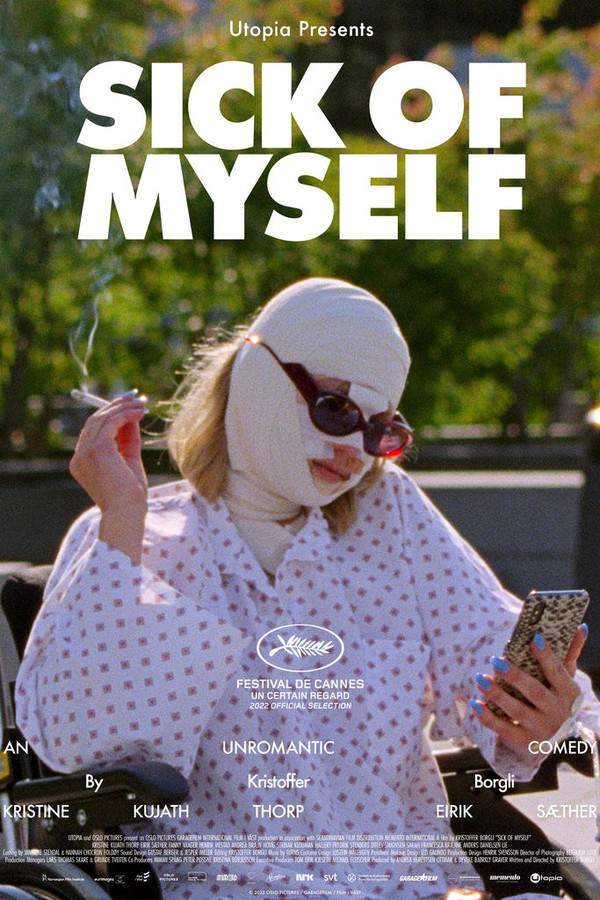
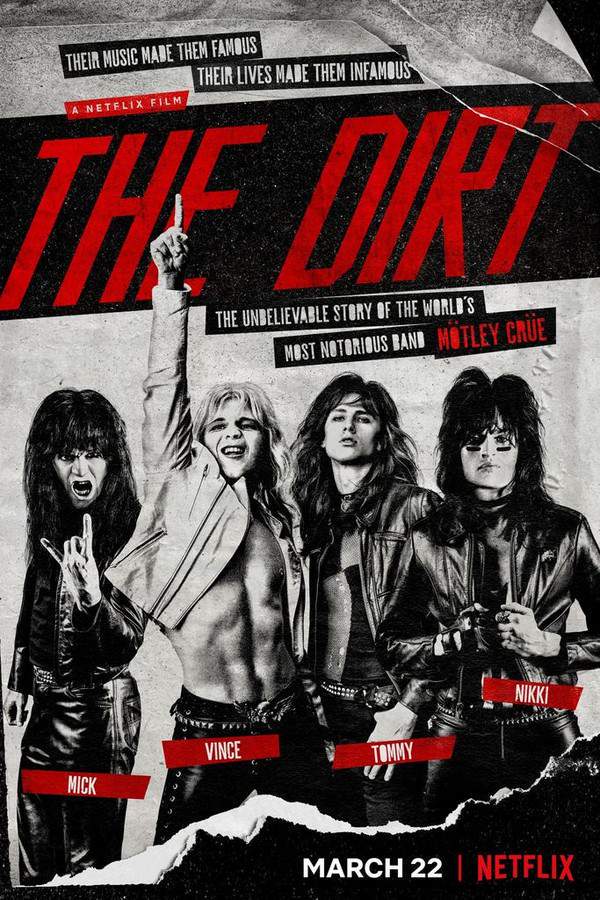
Movies Using Dark Humor for Survival like Richard Pryor: Live on the Sunset Strip

Characters weathering life's darkest storms with wit and sarcasm. Find more movies like Richard Pryor: Live on the Sunset Strip where characters face heavy themes with dark humor. These stories explore how comedy can be a powerful coping mechanism for trauma and recovery.

  • darkly humorous
  • provocative
  • cathartic
  • emotional
  • unflinching
  • thought-provoking
  • Tone: darkly humorous, heavy, hopeful
  • Pacing: variable, but often fast-paced and dialogue-driven
Why these movies?

The story pattern: The narrative follows a character confronting a profound personal crisis. Instead of succumbing to despair, they use a sharp, often self-deprecating sense of humor to dissect their situation. This comedic lens doesn't diminish the seriousness of the subject but provides the emotional distance needed to endure and eventually overcome it.

Why they belong together: These films are linked by their specific tonal alchemy: they balance heavy, serious themes with a consistently dark comedic voice. The humor is not just for laughs; it's integral to the character's psychological journey, making the emotional resolution feel earned and cathartic.

If you liked this

Movies Like Richard Pryor: Live on the Sunset Strip

Similar movies to Richard Pryor: Live on the Sunset Strip: the same genre, themes or kind of story. Each one comes with its own plot summary, timeline and ending explained.

Browse all movie summaries

Every angle

Richard Pryor: Live on the Sunset Strip (1982) Explained: Plot, Timeline & Characters

Everything about Richard Pryor: Live on the Sunset Strip in one place: what happens in the plot summary, the timeline in chronological order, the characters and meaning and a spoiler-free summary. What's After the Movie adds the cast, box office and post-credit scenes.

Coming soon on iOS and Android

The Plot Explained Movie Summary App

Plot summaries, endings explained and timelines on your phone. Catch up on any movie in minutes, save your favorites and never miss a twist again.

Be the first to know when we launch. Your email stays private, always.

Learn more about the app