
Remainder
Year: 2015
Runtime: 97 mins
Language: English
Director: Omer Fast
A London man who loses his memory when he’s struck by a falling object develops a way to reconstruct his past.
Warning: spoilers below!
Haven’t seen Remainder yet? This summary contains major spoilers. Bookmark the page, watch the movie, and come back for the full breakdown. If you're ready, scroll on and relive the story!
Timeline & Setting – Remainder (2015)
Explore the full timeline and setting of Remainder (2015). Follow every major event in chronological order and see how the environment shapes the story, characters, and dramatic tension.
Last updated: February 20, 2026 at 00:15
Main Characters – Remainder (2015)
Meet the key characters of Remainder (2015), with detailed profiles, motivations, and roles in the plot. Understand their emotional journeys and what they reveal about the film’s deeper themes.
Last updated: February 20, 2026 at 00:15
Major Themes – Remainder (2015)
Explore the central themes of Remainder (2015), from psychological, social, and emotional dimensions to philosophical messages. Understand what the film is really saying beneath the surface.
Last updated: February 20, 2026 at 00:15
Remainder (2015) Character & Theme Questions Answered – Info FAQ
Browse frequently asked questions about Remainder (2015) focused on characters, relationships, themes, symbols, setting, and story context. This movie info FAQ gives spoiler-aware explanations for character arcs, world details, and thematic interpretation so readers can better understand what the film is really about.
Where is the movie set?
The film takes place in a contemporary urban setting, primarily in London. Key locations include a residential flat stairwell where memories are first revived, a bank that becomes the target of a staged heist, and various social venues like parties and phone booths where conversations trigger reenactments. The settings are characterized by clinical precision and surveillance, reflecting the cold, methodical nature of Tom's memory-driven world.
What time period is the film set in?
The movie is set in the present day, contemporary times. The memory-reconstruction premise is framed as a current frontier in human experience, with Tom using his wealth to access and replay memories. Everyday locations become stages for extraordinary experiments, creating a sense of immediacy and plausibility that anchors the story in modern reality.
What are the main themes?
The film explores three major themes: Memory Obsession, where Tom treats memories as something to engineer and control, pushing beyond normal recollection; Moral Consequences, examining the ethical limits of memory technology and how wealth enables dangerous experiments that disregard human life; and Reality vs Illusion, where the distinction between memory and actuality dissolves as re-enactments bleed into real events.
Who is the main character Tom?
Tom Sturridge is a wealthy man whose memory loss from a falling object triggers an all-consuming obsession with recreating past experiences. He treats memory as a tool to perfect his reality, and his meticulous nature escalates into dangerous actions that threaten others and his own sanity. His fixation on recreating exact sensory details reveals how memory can become a means of control.
Who is Naz and what is his role?
Naz (played by Arsher Ali) is Tom's assistant who coordinates the memory reenactments. He is compliant in helping Tom reconstruct the past but recognizes the moral risks involved. Naz often acts as a reluctant mediator as the project spirals beyond control, serving as the voice of caution while still participating in the increasingly dangerous reenactments.
Who is Catherine in the movie?
Catherine (played by Cush Jumbo) is Tom's close friend whose conflict with him exposes the personal costs of his memory project. Her relationship with Tom deteriorates as his obsession deepens, representing the human toll of his obsessive pursuit to reconstruct and control his past through dangerous reenactments.
What does Memory Obsession theme represent?
The Memory Obsession theme represents Tom's dangerous fixation on recreating exact sensory details from his past. He treats memories as something to be engineered rather than simply remembered, pushing beyond normal recollection. His perfectionism drives him to riskier, more dangerous reenactments as the project spirals out of control, revealing how memory can become a tool for control rather than a record of experience.
What does the Reality vs Illusion theme mean?
The Reality vs Illusion theme explores how re-enactments gradually bleed into real events, dissolving the distinction between memory and actuality. The mind becomes both stage and audience, with people around Tom becoming unknowing participants in his reconstructed experiences. The film questions whether a life built from memories can ever be authentic, asking what remains of a person who rewrites their own past.
What does the Moral Consequences theme explore?
The Moral Consequences theme probes the ethical limits of memory technology and obsessive creativity. Wealth enables Tom to conduct dangerous experiments that disregard the value of human life. Warnings from Naz and the violent events that unfold emphasize that attempting to rewrite reality can corrupt the person performing it. Violence and harm become the inevitable price of Tom's pursuit.
Who is Christopher in the story?
Christopher is an ex-convict recruited by Tom for a bank robbery reenactment. His involvement highlights the danger of staging real violence for simulated outcomes, as he becomes a casualty in Tom's escalating plan. His character serves as a tragic example of how Tom's pursuit of memory perfection directly harms innocent people.
Who is DI Merril?
DI Merril (played by Shaun Prendergast) is a detective who pursues the irregular deaths and investigates the bank incident. He represents law and skepticism in the face of Tom's manipulated reality, serving as the investigative force that uncovers the truth behind the increasingly dangerous reenactments.
How does the urban setting influence the story?
The urban landscape emphasizes clinical precision and surveillance, reinforcing the cold, methodical nature of Tom's memory-driven world. The residential flat stairwell serves as the personal anchor where memories are revived, while the bank and social venues become stages for increasingly dangerous experiments. The modern city settings make the extraordinary premise feel plausible and immediate.

Explore Movie Threads
Discover curated groups of movies connected by mood, themes, and story style. Browse collections built around emotion, atmosphere, and narrative focus to easily find films that match what you feel like watching right now.
Movies about obsessive reality reconstruction like Remainder
Protagonists meticulously rebuild the past, blurring the lines between memory and re-enactment.For viewers who liked the psychological unraveling in Remainder, this list features films where characters obsessively reconstruct the past. Find movies about memory, trauma, and the dangerous line between re-enactment and reality.
Remainder
2015

Exposed
2016

The Attic Expeditions
2001

Genealogies of a Crime
1997

Bougainvillea
2024

Exposed
2014
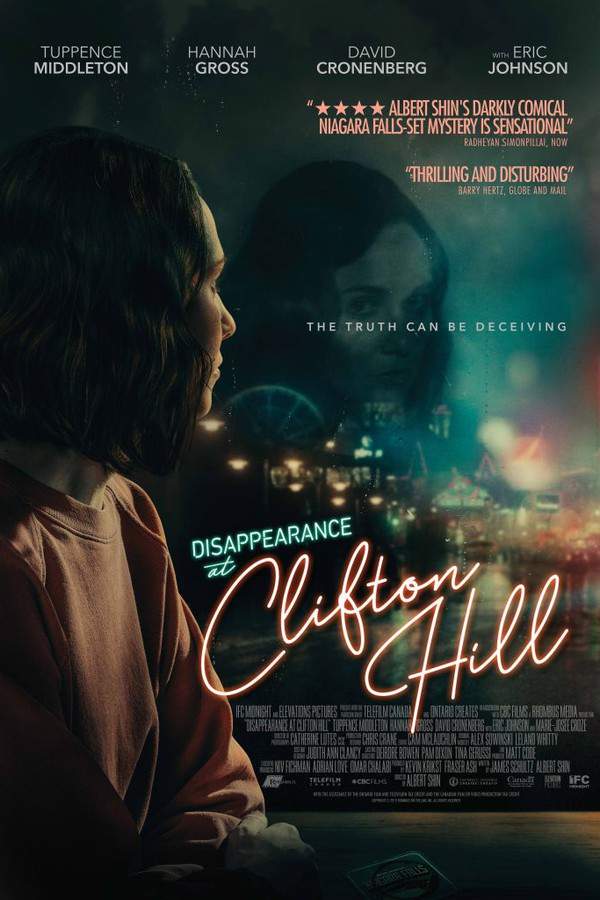
Disappearance at Clifton Hill
2020
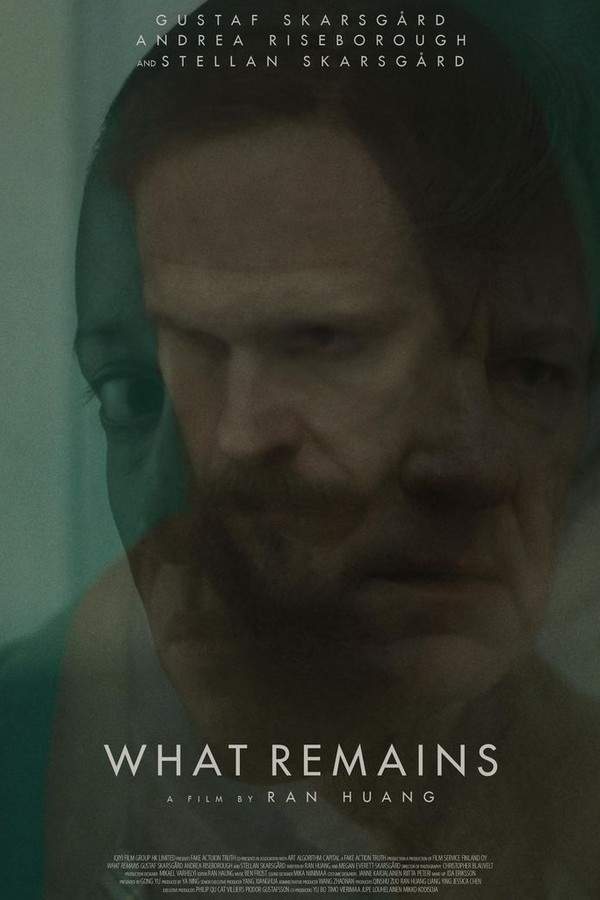
What Remains
2024

Shattered
1991

Psychosis
2010
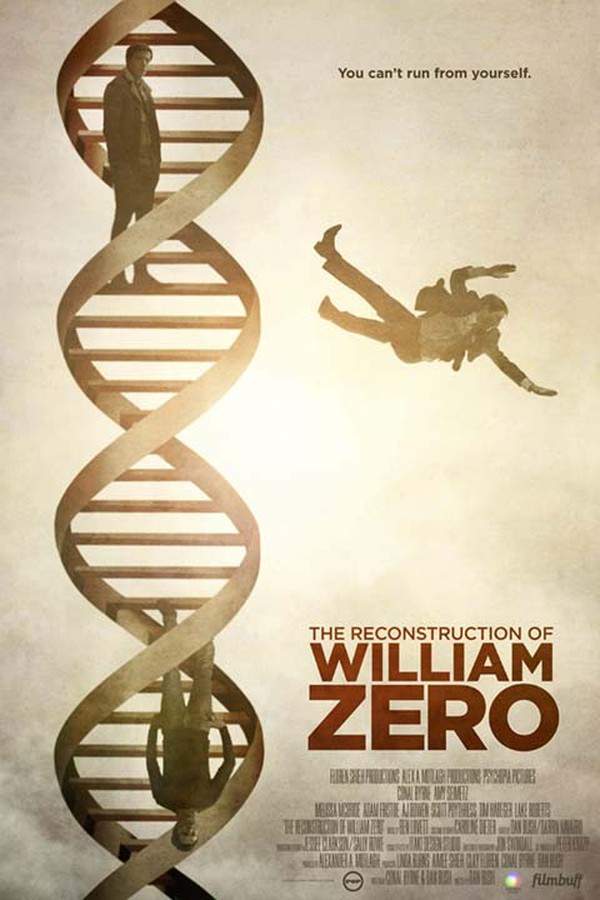
The Reconstruction of William Zero
2015
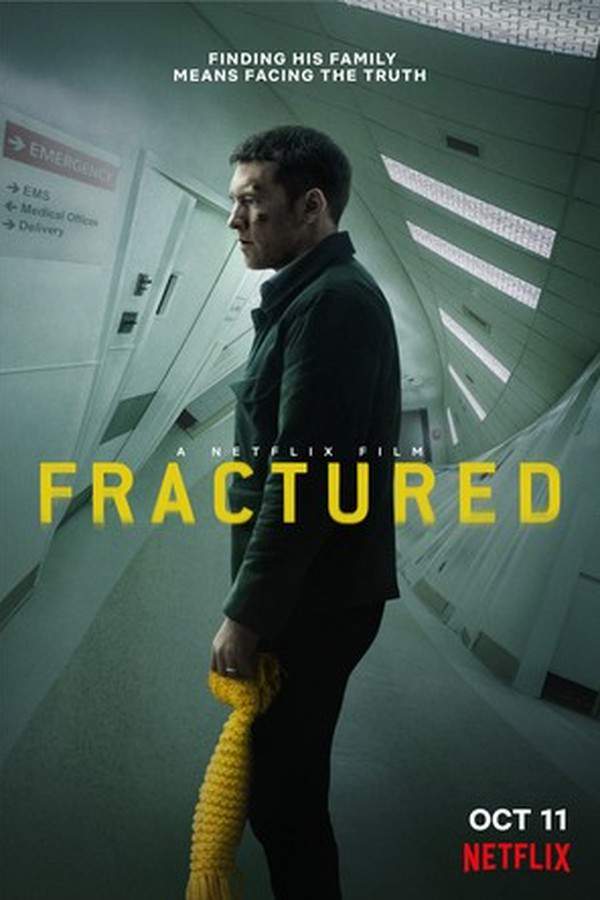
Fractured
2019

Retribution
2006

Shutter Island
2010

My Sweet Audrina
2016
Narrative Summary
The narrative follows a character, often recovering from a trauma or memory loss, who embarks on a meticulous, step-by-step process to rebuild a moment from their past. This obsession gradually consumes them, leading to escalating actions that challenge their grip on reality and the ethics of their pursuit.
Why These Movies?
These films are grouped by their central theme of a character's obsessive, clinical attempt to control the past through re-creation. They share a dark, unsettling tone, a steady pacing that mirrors the methodical process, and a heavy emotional weight stemming from trauma and psychological unraveling.
Movies with a psychological descent like Remainder
A slow, methodical unraveling of the mind under the weight of trauma.If you liked the dark and unsettling descent in Remainder, explore this list of films about psychological unraveling. These movies feature characters grappling with trauma, memory, and obsession, leading to a heavy, tense viewing experience.











Narrative Summary
The story follows a character's steady decline into psychological turmoil. Instead of sudden breaks, the unraveling is methodical, often triggered by a past trauma. The narrative blurs subjective perception with objective reality, leaving the audience—and sometimes the character—uncertain of what is real, culminating in an ambiguous or cyclical conclusion.
Why These Movies?
These movies share a core focus on a character's internal psychological collapse. They are united by a dark, unsettling tone, a steady pacing that builds dread, high intensity from the heavy subject matter, and a complex narrative structure that explores the fragility of the mind.
Unlock the Full Story of Remainder
Don't stop at just watching - explore Remainder in full detail. From the complete plot summary and scene-by-scene timeline to character breakdowns, thematic analysis, and a deep dive into the ending - every page helps you truly understand what Remainder is all about. Plus, discover what's next after the movie.
Remainder Summary
Read a complete plot summary of Remainder, including all key story points, character arcs, and turning points. This in-depth recap is ideal for understanding the narrative structure or reviewing what happened in the movie.

Remainder Timeline
Track the full timeline of Remainder with every major event arranged chronologically. Perfect for decoding non-linear storytelling, flashbacks, or parallel narratives with a clear scene-by-scene breakdown.


