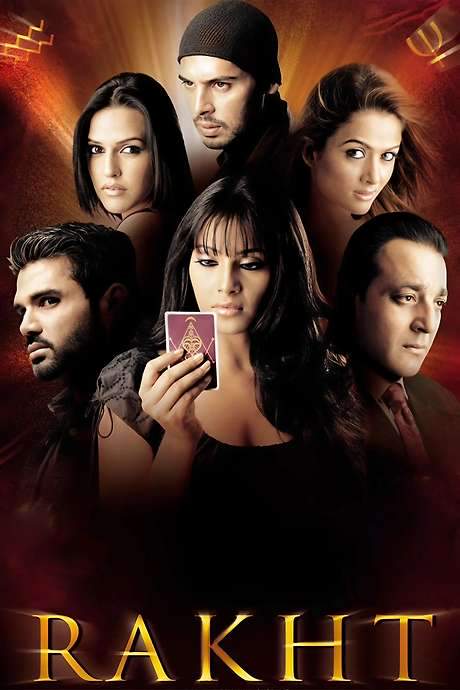
Rakht
Year: 2004
Runtime: 162 mins
Language: Hindi
Director: Mahesh Manjrekar
What if you can see the future? Drishti, a psychic tarot card reader becomes unwittingly mixed up in the disappearance and possible murder of a socialite.
Warning: spoilers below!
Haven’t seen Rakht yet? This summary contains major spoilers. Bookmark the page, watch the movie, and come back for the full breakdown. If you're ready, scroll on and relive the story!
Timeline & Setting – Rakht (2004)
Explore the full timeline and setting of Rakht (2004). Follow every major event in chronological order and see how the environment shapes the story, characters, and dramatic tension.
Last updated: October 04, 2025 at 12:03
Main Characters – Rakht (2004)
Meet the key characters of Rakht (2004), with detailed profiles, motivations, and roles in the plot. Understand their emotional journeys and what they reveal about the film’s deeper themes.
Last updated: October 04, 2025 at 12:03
Major Themes – Rakht (2004)
Explore the central themes of Rakht (2004), from psychological, social, and emotional dimensions to philosophical messages. Understand what the film is really saying beneath the surface.
Last updated: October 04, 2025 at 12:03
Rakht (2004) Character & Theme Questions Answered – Info FAQ
Browse frequently asked questions about Rakht (2004) focused on characters, relationships, themes, symbols, setting, and story context. This movie info FAQ gives spoiler-aware explanations for character arcs, world details, and thematic interpretation so readers can better understand what the film is really about.
Where is the story set?
The story takes place in a small, remote village cut off from major cities. A river runs nearby, with its bank serving as a backdrop for key events including the murder and investigation. The isolated setting creates a claustrophobic atmosphere filled with rumors and secrets.
When does the movie take place?
The movie is set in contemporary, modern times. Everyday life blends urban and rural elements, featuring present-day professions like car mechanics, school principals, and police. Themes of domestic abuse, political ambition, and the pursuit of justice anchor the story in a recognizable present-day context.
Who is Drishti Nair?
Drishti Nair is a young widow with the psychic ability to see into the future. She uses Tarot cards to read locals and help them, but her abilities attract danger and skepticism. Her visions guide the course of events, placing her at the center of a murder investigation while she tries to protect those she cares about.
Who is Mohit and what is his role?
Mohit is an eccentric car mechanic with a history of abuse in his past. He forms an uneasy bond with Drishti and becomes instrumental in confronting the antagonist Sunny. His trauma shapes his protective instincts and volatility, embodying the film's exploration of trauma and resilience.
Who is Rhea Trehan?
Rhea Trehan is a young woman trapped in an abusive marriage who seeks Drishti's help. Her plea for assistance exposes the danger of domestic violence and becomes the catalyst that drives the investigation into Natasha's death. Her vulnerability and resolve shape key decisions in the narrative.
Who is Rahul and what is his role?
Rahul is the fiancé of Natasha Singh and the school principal. He appears as a grieving partner but is actually the murderer, driven by revenge for his father's defeat in the mayoral race. His calm exterior masks a ruthless motive, and he ultimately attempts to kill Drishti to hide his crimes.
Who is Sunny?
Sunny is the menacing husband who harasses Drishti's son and menaces her household. His actions escalate the central conflict, and his arrest follows Natasha's death as the truth about violence and control comes to light. He represents the threat of domestic violence in the story.
What is the Gift theme about?
Drishti's psychic ability is central to the plot, allowing her to read potential futures through Tarot cards. The gift is both a blessing and a burden, drawing danger from those who doubt or fear it. It complicates her relationships and choices, blurring lines between fate and free will.
What is the Investigation theme about?
Drishti's visions influence the investigation into Natasha's death, but skeptical police scrutiny complicates matters. Personal vendettas and power dynamics interfere with the case, testing whether truth can emerge through supernatural visions as well as conventional evidence. The investigation ultimately reveals a shocking truth.
How does the Trauma theme feature in the story?
Mohit's past abuse shapes his actions and responses to danger throughout the film. His trauma drives certain motivations and creates tension between characters, affecting trust and protection. The story uses psychological scars to explain behavior rather than justify violence, exploring how past trauma impacts present choices.
What is the significance of the river in the story?
The river bank serves as a crucial backdrop for key events in the film, including the murder and its investigation. Its proximity to the remote village contributes to the claustrophobic atmosphere, creating a sense of isolation where secrets cannot easily escape.
Who is Mayor Raja Bahadur Singh?
Mayor Raja Bahadur Singh is a powerful political figure whose ambitions loom over the murder case. His position complicates the investigation and raises the stakes for outcomes that could affect his career and family. His daughter's disappearance exposes the intersections of power, influence, and crime in the town.

Explore Movie Threads
Discover curated groups of movies connected by mood, themes, and story style. Browse collections built around emotion, atmosphere, and narrative focus to easily find films that match what you feel like watching right now.
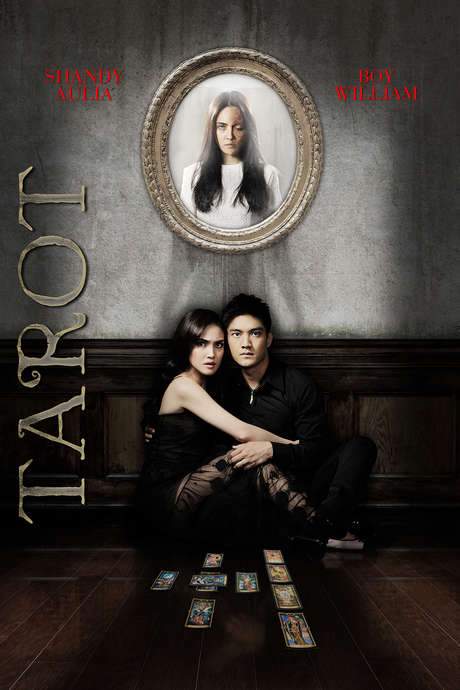
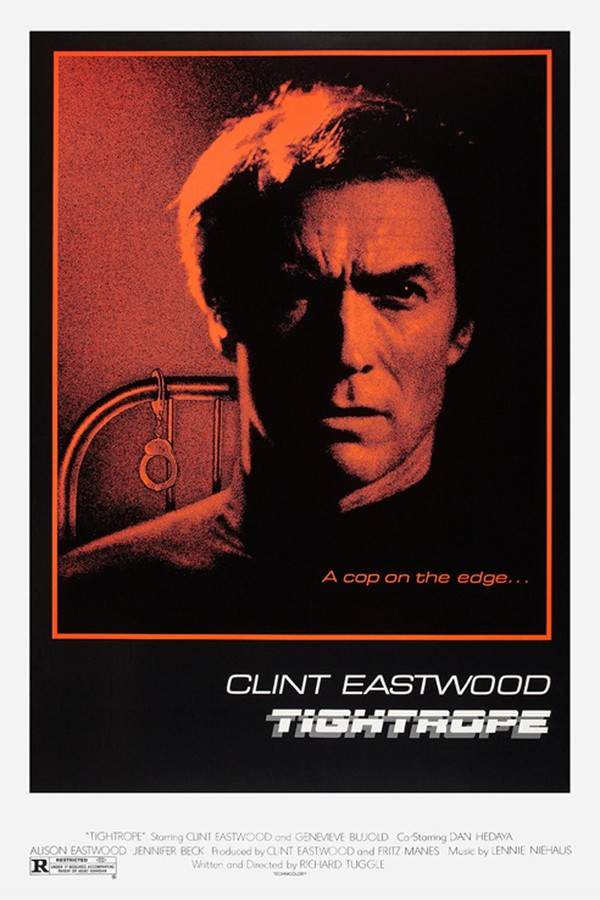
Thrillers with psychic investigators like in Rakht
Characters with supernatural insight become entangled in dangerous, real-world crimes.If you liked the premise of Rakht, where a tarot reader gets involved in a murder case, you'll find more movies like it here. These films feature protagonists with psychic abilities thrust into criminal investigations, blending supernatural insight with gritty, real-world danger and creating a uniquely suspenseful viewing experience.









Narrative Summary
Stories in this thread typically begin with a protagonist whose psychic gift is either a burden or a secluded profession. A violent crime pulls them into a world they tried to avoid, forcing them to interpret their visions or readings to uncover the truth. The central conflict often involves their struggle to be believed by skeptical authorities while the killer may be aware of their unique threat.
Why These Movies?
These movies are grouped together because they share a core narrative device: a supernatural ability applied to a procedural investigation. This creates a specific blend of mystery, tension, and a slight fantastical element within a dark, grounded reality. The emotional journey revolves around the protagonist's vulnerability and the weight of knowing things others cannot see.
Thrillers about small-town secrets like Rakht
Tight-knit communities hide layers of corruption, violence, and buried trauma.For viewers who enjoyed the remote village setting and hidden corruption in Rakht, this collection highlights movies with similar vibes. These stories explore how close-knit communities can conceal dark truths, leading to tense investigations where everyone is a suspect and trust is a luxury.

Terribly Happy
2008
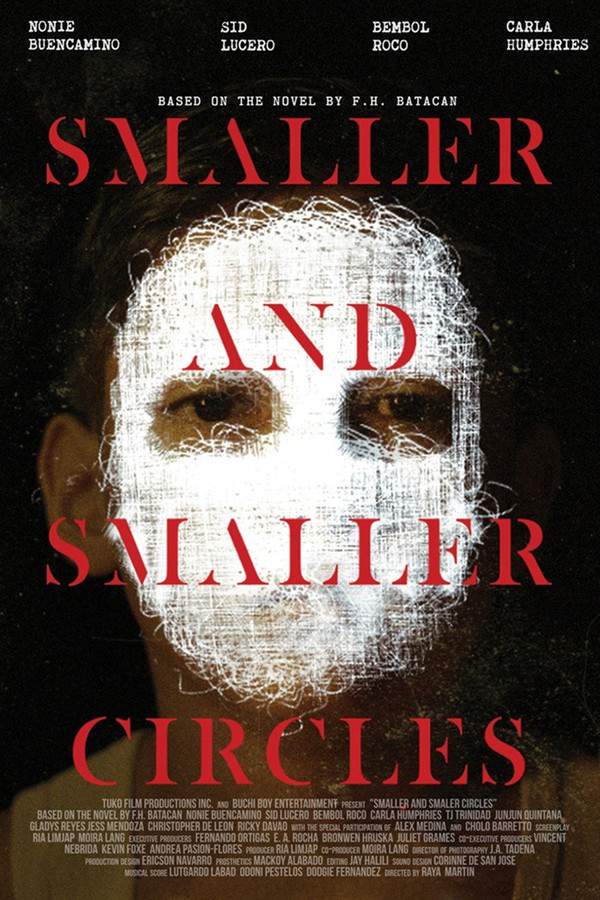
Smaller and Smaller Circles
2019

Death in Small Doses
1995
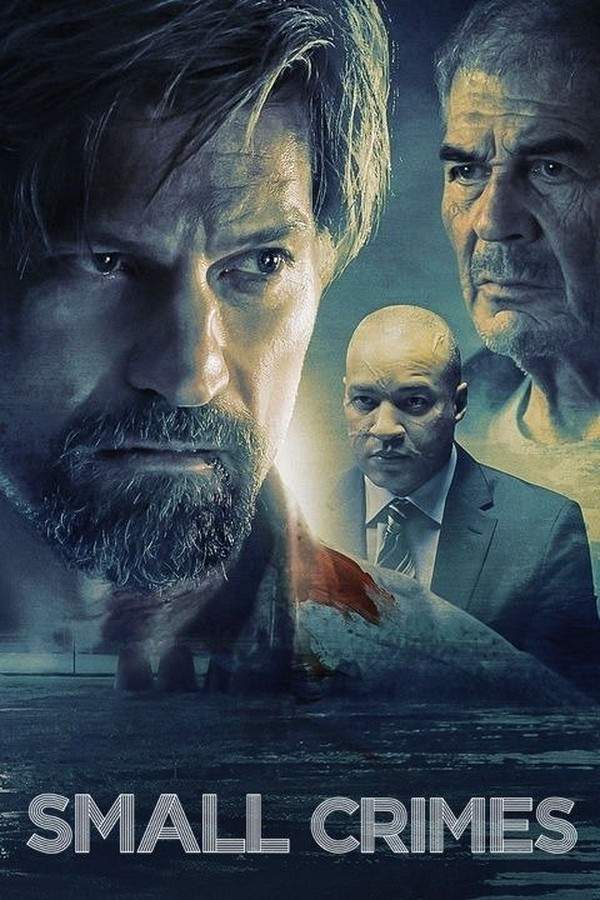
Small Crimes
2017
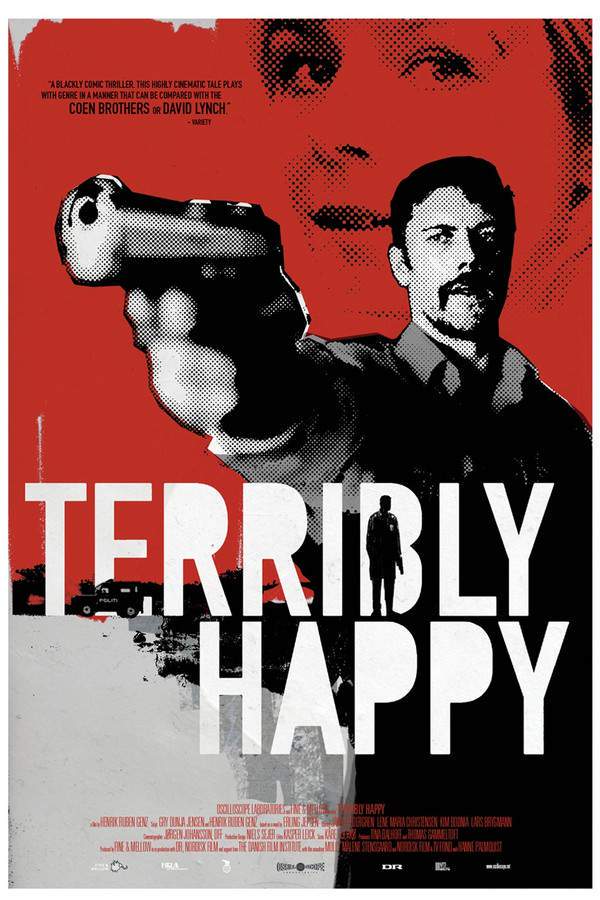
Terribly Happy
2010
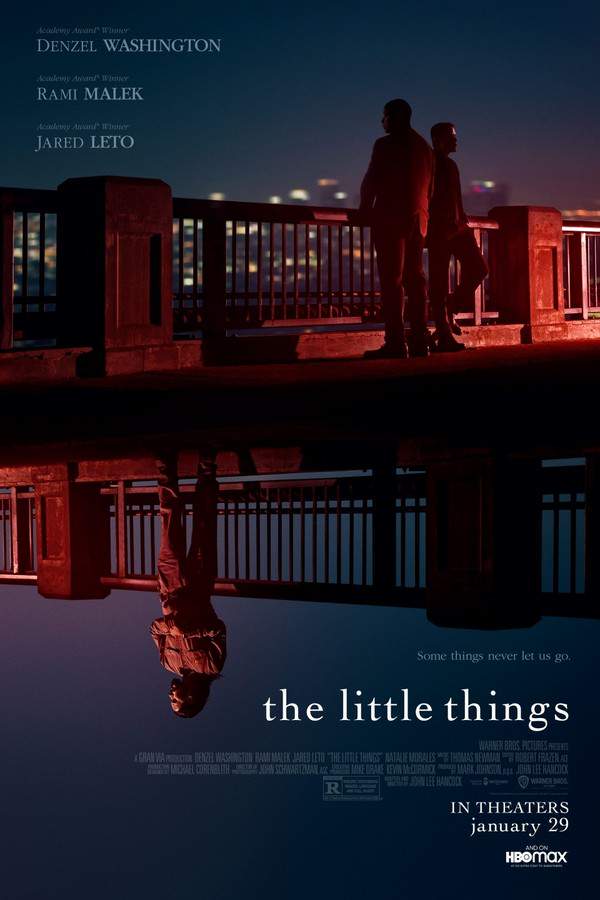
The Little Things
2021

The Stoneman Murders
2009

City of Tiny Lights
2016

The Secret Village
2013
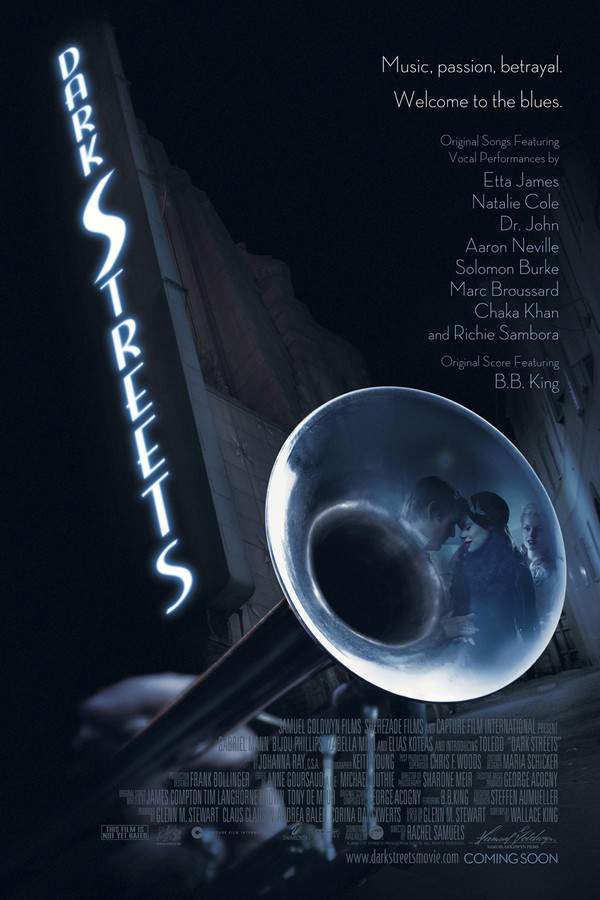
Dark Streets
2008

The Tall Man
2012

The Buckingham Murders
2023
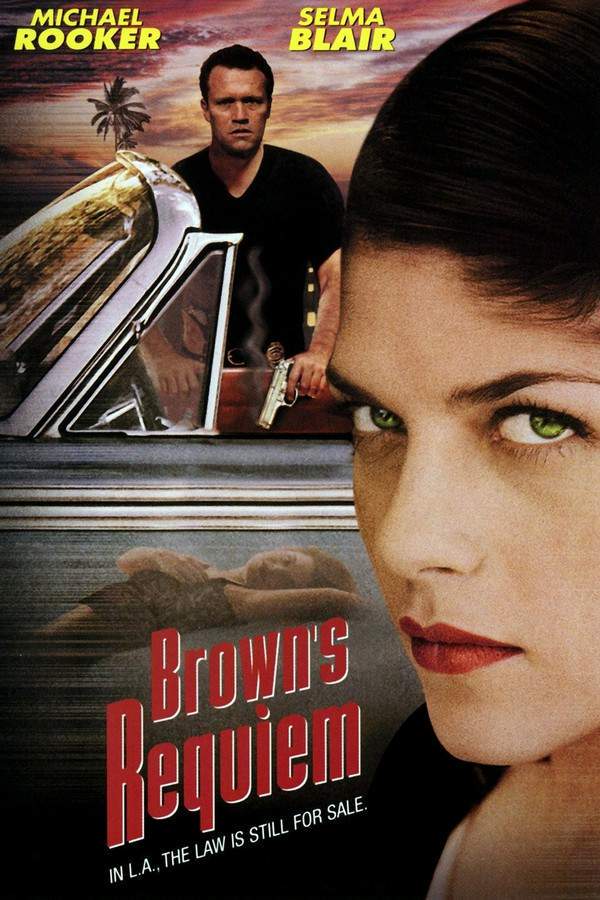
Brown's Requiem
2000

Black Coal, Thin Ice
2014
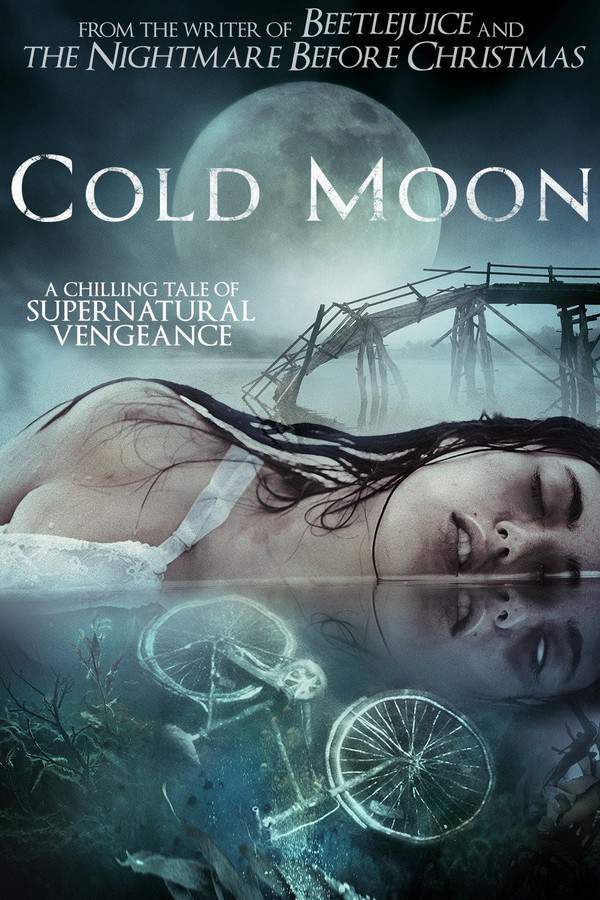
Cold Moon
2017
Narrative Summary
The narrative pattern involves an outsider or a returning native uncovering a crime that exposes the rotten core of their community. The investigation is complicated by the fact that antagonists are often neighbors, local figures, or even family, creating a personal and dangerous conflict. The plot revolves around peeling back the layers of respectability to reveal the violence and betrayal underneath.
Why These Movies?
These films are united by their use of setting as a key character. The small-town or isolated village environment creates a specific mood of brooding unease and claustrophobia. The shared themes of uncovering systemic corruption, dealing with collective trauma, and the struggle for justice against entrenched local powers make for a coherent and gripping experience.
Unlock the Full Story of Rakht
Don't stop at just watching - explore Rakht in full detail. From the complete plot summary and scene-by-scene timeline to character breakdowns, thematic analysis, and a deep dive into the ending - every page helps you truly understand what Rakht is all about. Plus, discover what's next after the movie.
Rakht Summary
Read a complete plot summary of Rakht, including all key story points, character arcs, and turning points. This in-depth recap is ideal for understanding the narrative structure or reviewing what happened in the movie.

Rakht Timeline
Track the full timeline of Rakht with every major event arranged chronologically. Perfect for decoding non-linear storytelling, flashbacks, or parallel narratives with a clear scene-by-scene breakdown.


