
Pure Japanese
Year: 2022
Runtime: 88 mins
Language: Japanese
Director: Daishi Matsunaga
Action star Tateishi Daisuke grapples with loneliness and trauma stemming from a film set accident. He intervenes when a high school girl, Ayumi, is repeatedly harassed by Chinese brokers and the local yakuza. While initially motivated to protect her, he increasingly views violence as a path to acceptance and validation, leading him down a dangerous and extreme path.
Warning: spoilers below!
Haven’t seen Pure Japanese yet? This summary contains major spoilers. Bookmark the page, watch the movie, and come back for the full breakdown. If you're ready, scroll on and relive the story!
Timeline & Setting – Pure Japanese (2022)
Explore the full timeline and setting of Pure Japanese (2022). Follow every major event in chronological order and see how the environment shapes the story, characters, and dramatic tension.
Last updated: October 01, 2025 at 10:06
Main Characters – Pure Japanese (2022)
Meet the key characters of Pure Japanese (2022), with detailed profiles, motivations, and roles in the plot. Understand their emotional journeys and what they reveal about the film’s deeper themes.
Last updated: October 01, 2025 at 10:06
Major Themes – Pure Japanese (2022)
Explore the central themes of Pure Japanese (2022), from psychological, social, and emotional dimensions to philosophical messages. Understand what the film is really saying beneath the surface.
Last updated: October 01, 2025 at 10:06
Pure Japanese (2022) Character & Theme Questions Answered – Info FAQ
Browse frequently asked questions about Pure Japanese (2022) focused on characters, relationships, themes, symbols, setting, and story context. This movie info FAQ gives spoiler-aware explanations for character arcs, world details, and thematic interpretation so readers can better understand what the film is really about.
Where is Pure Japanese set?
The film takes place at Nikko Oedomura, a theme park in Japan that blends traditional Japanese culture with ninja-themed performances. The park's snack bar, where Ayumi works, serves as a key location where tensions between Tateishi, the yakuza, and other characters unfold.
What time period does Pure Japanese take place in?
The movie is set in contemporary, present-day Japan. The setting includes modern elements like a theme park, local politics, and criminal activity, with police inquiries and media scrutiny anchoring the story in a recognizable current-world context.
Who is Tateishi Daisuke in Pure Japanese?
Tateishi Daisuke is the protagonist, portrayed by Dean Fujioka. He is a physically gifted but socially isolated man who trains at a Shinto shrine and embraces Japanese cultural rituals. Traumatized by a past film-set accident, he suppresses violence and pursues disciplined self-control, though he struggles to translate this restraint into action during the ninja show.
Who is Ayumi in Pure Japanese?
Ayumi is a high school girl played by Aju Makita who lies about her age to get hired at the theme park's snack bar. She lives with her grandfather Ryuzo and becomes entangled in a yakuza plot to seize her land. Her courage and determination drive the narrative's conflict and Tateishi's motivation to protect her.
What role does discipline play in Pure Japanese?
Discipline is a central theme reflected in Tateishi's shrine-side rituals and strict training at a Shinto shrine. These practices establish his deep commitment to Japanese culture and frame his initial suppression of violence. The theme illustrates how personal discipline can both protect and isolate a person from the world around them.
How does trauma influence Tateishi in Pure Japanese?
A past film-set accident haunts Tateishi, driving him to suppress violence while maintaining extraordinary physical ability. The narrative explores how trauma lingers and sometimes erupts when the stakes involve someone he cares about, examining the fine line between control and explosive release.
What is the yakuza plot in Pure Japanese?
A yakuza plot, allied with prefectural assembly member Kurosaki, centers on selling Ayumi's land to a Chinese broker. The scheme pits family safety and community stability against greed and political leverage, using money and influence to reveal how corruption threatens ordinary lives.
What does Pure Japanese say about vigilantism?
Tateishi's outburst in Kurosaki's office marks a moral pivot from restraint to protective violence. Ayumi's uneasy approval of his actions gives him a rare sense of justified power. The film frames vigilantism as both necessary defense and potential danger, leaving the morality of his choices ambiguous.
Who is Ryuzo in Pure Japanese?
Ryuzo is Ayumi's grandfather who lives with her. His harassment and subsequent injury at the hands of yakuza members catalyze the central conflict over his granddaughter's land. His vulnerability highlights the personal stakes in the land dispute and motivates Tateishi's intervention.
Who are the antagonists in Pure Japanese?
The antagonists include Jinnai's Subordinate, a yakuza member who operates within the Nagayama-gumi network and participates in the land-seizure scheme. Saeki is another associate who pressures Ayumi using intimidation tactics. Kurosaki, a prefectural assembly member, aligns with criminals to monetize political power.
What does Power & Corruption mean in Pure Japanese?
Power & Corruption is a central theme showing how a yakuza plot, allied with a prefectural assembly member, centers on selling Ayumi's land to a Chinese broker. The story uses money and influence to reveal how corruption threatens ordinary lives, with political power being leveraged for criminal gain.
What genre is Pure Japanese?
Pure Japanese is categorized as a Drama with Action elements. The film combines a dark, emotionally heavy narrative focused on trauma, corruption, and a protagonist's psychological transformation with intense sequences of physical confrontation against organized crime.

Explore Movie Threads
Discover curated groups of movies connected by mood, themes, and story style. Browse collections built around emotion, atmosphere, and narrative focus to easily find films that match what you feel like watching right now.
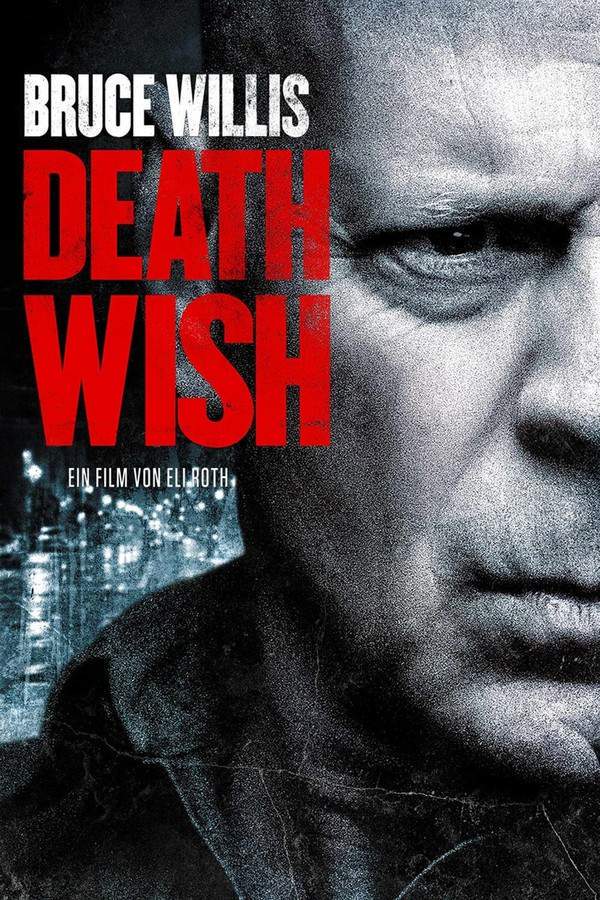
Bleak Vigilante Stories like Pure Japanese
Traumatized protagonists spiral into violence as their only form of validation.If you liked the moral collapse and violent spiral in Pure Japanese, explore these movies about traumatized individuals becoming vigilantes. This selection features dark, intense dramas with heavy emotional weight and ambiguous endings, focusing on protagonists who find validation in violence while confronting urban corruption and crime.














Narrative Summary
Stories in this thread follow a linear, straightforward escalation from a personal catalyst into a violent crusade. The protagonist's initial motive, often protection or justice, becomes corrupted by their own trauma and need for purpose, leading to a climactic confrontation that leaves their fate uncertain.
Why These Movies?
Movies are grouped here for their shared focus on a dark, morally murky tone, a steady pacing that builds towards explosive violence, and a heavy emotional weight driven by trauma. They feature protagonists on a self-destructive path, creating a cohesive experience of bleak, character-driven crime dramas.
Movies about Urban Isolation like Pure Japanese
Solitary figures confront systemic corruption in gritty, oppressive cityscapes.Fans of Pure Japanese's themes of loneliness and urban conflict will find similar stories here. These movies feature solitary protagonists in gritty city settings, grappling with trauma while confronting powerful corrupt forces. They share a dark tone, steady pacing, and a heavy, unsettling atmosphere.

The Hoodlum
1951

Cry of the City
1948

Clean
2022
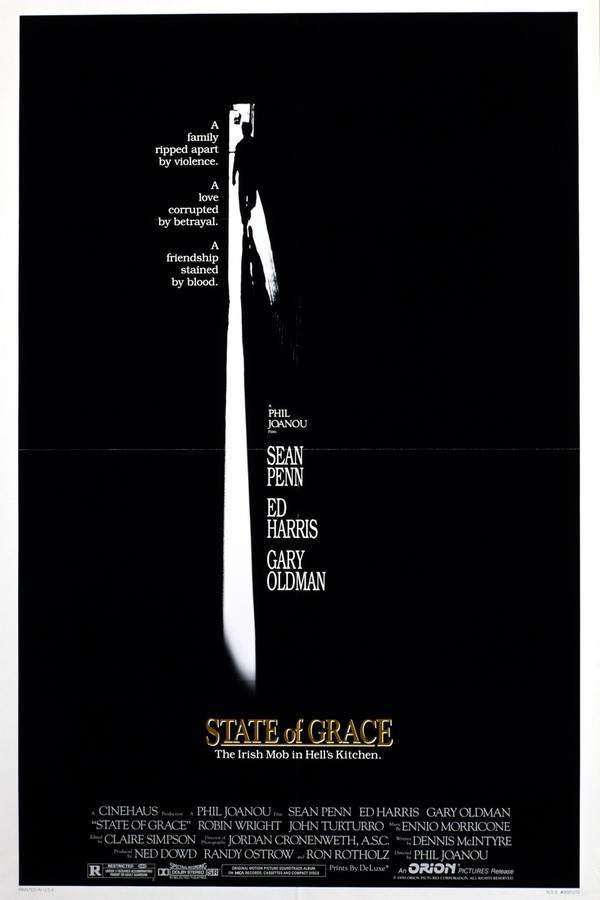
State of Grace
1990

City of Lies
2018

Chicago Overcoat
2009

Dragged Across Concrete
2019

The Stoneman Murders
2009

Brown's Requiem
2000
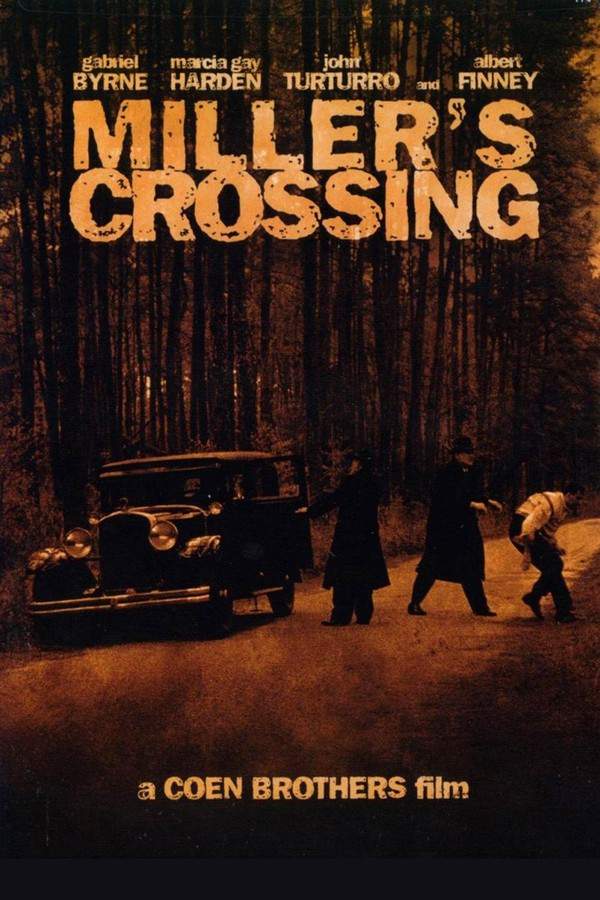
Miller's Crossing
1990

Gomorrah
2009

Sun and Concrete
2023

The Worst of Evil
1000
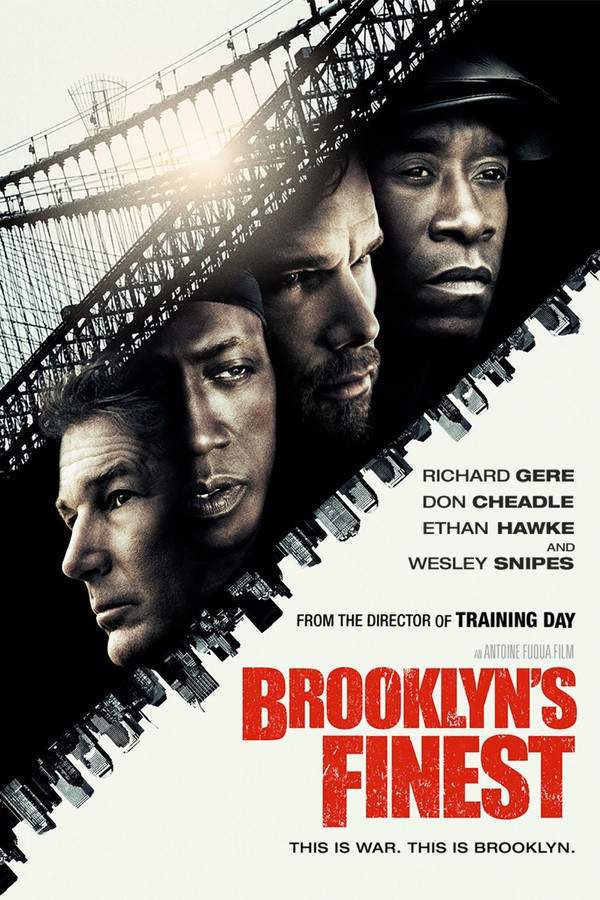
Brooklyn's Finest
2010

Clockers
1995
Narrative Summary
The narrative pattern involves a lonely protagonist, often living a disciplined or isolated life, whose world is disrupted by witnessing urban exploitation. Their intervention pulls them into a direct conflict with organized crime or corruption, forcing them to confront their own identity and isolation through extreme actions.
Why These Movies?
These movies are connected by their oppressive mood, focus on themes of loneliness and urban conflict, and a dark, steady-paced narrative. They create a cohesive vibe through their depiction of solitary figures in gritty settings and the heavy emotional weight of their confrontations with systemic evil.
Unlock the Full Story of Pure Japanese
Don't stop at just watching - explore Pure Japanese in full detail. From the complete plot summary and scene-by-scene timeline to character breakdowns, thematic analysis, and a deep dive into the ending - every page helps you truly understand what Pure Japanese is all about. Plus, discover what's next after the movie.
Pure Japanese Summary
Read a complete plot summary of Pure Japanese, including all key story points, character arcs, and turning points. This in-depth recap is ideal for understanding the narrative structure or reviewing what happened in the movie.

Pure Japanese Timeline
Track the full timeline of Pure Japanese with every major event arranged chronologically. Perfect for decoding non-linear storytelling, flashbacks, or parallel narratives with a clear scene-by-scene breakdown.


