
Pure Japanese
Year: 2022
Runtime: 88 mins
Language: Japanese
Director: Daishi Matsunaga
Action star Tateishi Daisuke grapples with loneliness and trauma stemming from a film set accident. He intervenes when a high school girl, Ayumi, is repeatedly harassed by Chinese brokers and the local yakuza. While initially motivated to protect her, he increasingly views violence as a path to acceptance and validation, leading him down a dangerous and extreme path.
Warning: spoilers below!
Haven’t seen Pure Japanese yet? This summary contains major spoilers. Bookmark the page, watch the movie, and come back for the full breakdown. If you're ready, scroll on and relive the story!
Pure Japanese (2022) – Full Plot Summary & Ending Explained
Read the complete plot breakdown of Pure Japanese (2022), including all key story events, major twists, and the ending explained in detail. Discover what really happened, and what it all means.
Dean Fujioka, who plays Daisuke Tateishi, is introduced as an employee at the Nikko Oedomura theme park, where he secretly dedicates his days to a strict routine of physical conditioning and spiritual discipline at a Shinto shrine. Tateishi comes across as an eccentric, socially distant figure, deeply rooted in a reverence for Japanese culture that keeps others at arm’s length. Even though he possesses outstanding physical gifts, his official work centers on handling sound effects for ninja shows rather than performing the action sequences himself, a choice born of a lingering trauma from a past accident on a film set.
At a farewell party in a snack bar, Ayumi, a high school girl who lied about her age to get hired, is part of the scene. Aju Makita plays Ayumi. The gathering brings together Jinnai, Saeki, and other members of the local yakuza group Nagayama-gumi, who are secretly colluding with Kurosaki, a prefectural assembly member, in a scheme to sell the land where Ayumi lives with her grandfather Ryuzo to a Chinese broker. The yakuza press Ayumi to help persuade Ryuzo, setting a tense, morally murky frame for the story’s stakes.
The tension intensifies when Saeki tries to use the “P(ure) J(apanese) kit” to gauge the purity of Japanese people. The device delivers a mediocre result of 50%, prompting Saeki to force the nearby ninja actors to take the test as well, though Tateishi refuses. Later, Tateishi comes to Ayumi’s aid when she becomes entangled in Saeki’s machinations, and she hands him a PJ kit. When he uses it at home, the number shoots up to 100%, marking a bizarre, unsettling moment that hints at his hidden strength and the complexities of purity and identity within the story.
Tateishi is called to participate in the ninja show as a replacement for a former colleague, but he falters under the weight of his trauma, unable to perform violence as freely as before. Ayumi’s presence in the audience underscores his struggle and his longing to protect, even as his self-imposed limits keep him from fully embracing the action that once defined him.
The conflict surrounding Ayumi’s home escalates, and Ryuzo is injured and hospitalized. Tateishi confesses to Ayumi that Kurosaki is behind the harassment, and together they confront Kurosaki in his office. He pretends to be innocent, but Tateishi’s anger erupts in a furious destruction of the office, an act that Ayumi publicly affirms as a legitimate expression of violence for the first time.
As authorities arrive to question Tateishi about the office’s destruction, rumors about his past spread to his boss, resulting in his dismissal. With Ryuzo’s death, the yakuza press harder to seize the land from Ayumi. She races to escape and enlists Tateishi’s help, as heavy machinery is brought onto her property and excavation work begins. In a climactic response, Tateishi unleashes the violent impulses he has long suppressed, storming the site to defend Ayumi and confront the mounting threat around them.
Last updated: October 01, 2025 at 10:24
Pure Japanese (2022) Plot Questions Answered – Summary FAQ
Explore frequently asked questions about Pure Japanese (2022) with spoiler-rich answers covering the full plot summary, major story beats, character motivations, hidden details, and ending meaning. This movie summary FAQ helps explain confusing scenes, plot twists, and narrative decisions in clear, searchable detail.
Why does Tateishi work in sound effects instead of performing action?
Tateishi works behind the scenes handling sound effects for ninja shows because he is haunted by a traumatic accident that occurred on a film set in the past. The memory of this incident resurfaces during tense moments and has made him fearful of performing violence himself, even though he possesses exceptional physical abilities.
His daily shrine training and strict physical discipline hint at abilities he keeps suppressed.
What is the PJ kit and what does it mean?
The PJ kit is a device that claims to measure the "purity" of Japanese people. Saeki uses it at the party to gauge people's Japanese heritage, getting a mediocre 50% result. When Tateishi later takes the test at home, he scores 100%, which is presented as a shocking moment that challenges his self-perception and his relationship with identity and Japanese culture.
The device appears early in the film as a comedic but unsettling plot device.
Why does Tateishi score 100% on the PJ kit?
The film presents Tateishi's 100% result as a bizarre and unsettling twist that raises questions about what the device actually measures and what it means to be "pure Japanese." The moment marks a psychological turning point for Tateishi, making him reconsider his own identity and his connection to Ayumi, though the film leaves the exact implications ambiguous.
Tateishi's strict adherence to Japanese cultural practices and shrine training foreshadows his high score.
Why does Tateishi fail to perform violence during the ninja show?
When Tateishi steps in as a replacement performer in the ninja show, he is unable to execute violent actions because his past trauma from the film set accident resurfaces, overwhelming him. His fear of repeating the violent incident from his past prevents him from performing, causing him to falter on stage in front of Ayumi, whom he wanted to impress.
His daily training at the shrine and his choice to work in sound effects establish his reluctance toward real violence.
Who is Kurosaki and why is he targeting Ayumi's land?
Kurosaki is a prefectural assembly member who secretly colludes with the Nagayama-gumi yakuza group and a Chinese broker in a scheme to sell the land where Ayumi lives with her grandfather Ryuzo. He orchestrates the harassment against Ayumi and her grandfather to force them off the property so the land can be sold for development.
The yakuza approach Ayumi at the party to enlist her help in persuading Ryuzo, establishing the political corruption behind the plot.
Why does Ayumi approve of Tateishi's violence against Kurosaki?
Ayumi affirms Tateishi's destruction of Kurosaki's office because she has witnessed the relentless harassment her grandfather suffered and the corruption behind it. For the first time, she sees his violence as a justified response to the unjust persecution they have endured, validating his actions as necessary rather than reprehensible.
Earlier interactions show Ayumi growing frustrated with the yakuza pressure and desperate to protect her grandfather.
What triggers Tateishi's final violent outburst at Ayumi's property?
Tateishi's final violent outburst is triggered by the combination of Ryuzo's death, the yakuza's intensified pressure to seize the land, and the arrival of heavy machinery to begin excavation on Ayumi's property. These escalating threats push him to finally unleash the violent impulses he has suppressed throughout the film, leading him to storm the site and confront the attackers.
His destruction of Kurosaki's office and subsequent dismissal show his breaking point approaching.
How does Ryuzo's death affect Tateishi's actions?
Ryuzo's death removes the last obstacle for the yakuza and intensifies their efforts to take Ayumi's land, leaving her vulnerable and desperate. The loss deepens Tateishi's emotional investment in protecting her and pushes him closer to his breaking point, as he can no longer contain his violent impulses in response to the escalating threat.
Ryuzo's injury and hospitalization already signal the growing danger before his death.
Why does Tateishi refuse to take the PJ test at the party?
Tateishi refuses to participate in the PJ kit test when Saeki forces others to take it at the party, likely because he views the device as arbitrary or offensive, or perhaps because he senses the uncomfortable implications of being judged by such a metric. His refusal distinguishes him from others who submit to the test, setting up the later revelation of his surprising 100% result.
His earlier distance from others and his serious, eccentric demeanor suggest he does not seek external validation.
What happens to Tateishi and Ayumi at the end?
The film ends with Tateishi unleashing violent confrontation against the yakuza and attackers on Ayumi's property to protect her, but the final outcome remains ambiguous. The summary describes this climactic surge of action without specifying whether Tateishi survives, is arrested, or what becomes of Ayumi after the confrontation, leaving their fates uncertain amid the destruction.
The steady escalation of violence throughout the film builds toward this ambiguous climactic moment.

Explore Movie Threads
Discover curated groups of movies connected by mood, themes, and story style. Browse collections built around emotion, atmosphere, and narrative focus to easily find films that match what you feel like watching right now.
Bleak Vigilante Stories like Pure Japanese
Traumatized protagonists spiral into violence as their only form of validation.If you liked the moral collapse and violent spiral in Pure Japanese, explore these movies about traumatized individuals becoming vigilantes. This selection features dark, intense dramas with heavy emotional weight and ambiguous endings, focusing on protagonists who find validation in violence while confronting urban corruption and crime.














Narrative Summary
Stories in this thread follow a linear, straightforward escalation from a personal catalyst into a violent crusade. The protagonist's initial motive, often protection or justice, becomes corrupted by their own trauma and need for purpose, leading to a climactic confrontation that leaves their fate uncertain.
Why These Movies?
Movies are grouped here for their shared focus on a dark, morally murky tone, a steady pacing that builds towards explosive violence, and a heavy emotional weight driven by trauma. They feature protagonists on a self-destructive path, creating a cohesive experience of bleak, character-driven crime dramas.
Movies about Urban Isolation like Pure Japanese
Solitary figures confront systemic corruption in gritty, oppressive cityscapes.Fans of Pure Japanese's themes of loneliness and urban conflict will find similar stories here. These movies feature solitary protagonists in gritty city settings, grappling with trauma while confronting powerful corrupt forces. They share a dark tone, steady pacing, and a heavy, unsettling atmosphere.

The Hoodlum
1951

Cry of the City
1948

Clean
2022
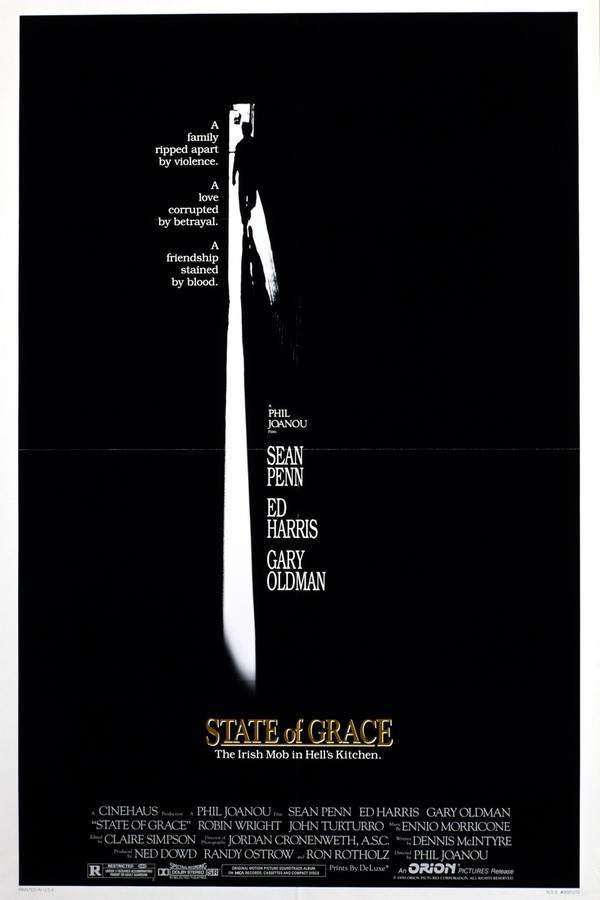
State of Grace
1990

City of Lies
2018

Chicago Overcoat
2009

Dragged Across Concrete
2019

The Stoneman Murders
2009

Brown's Requiem
2000
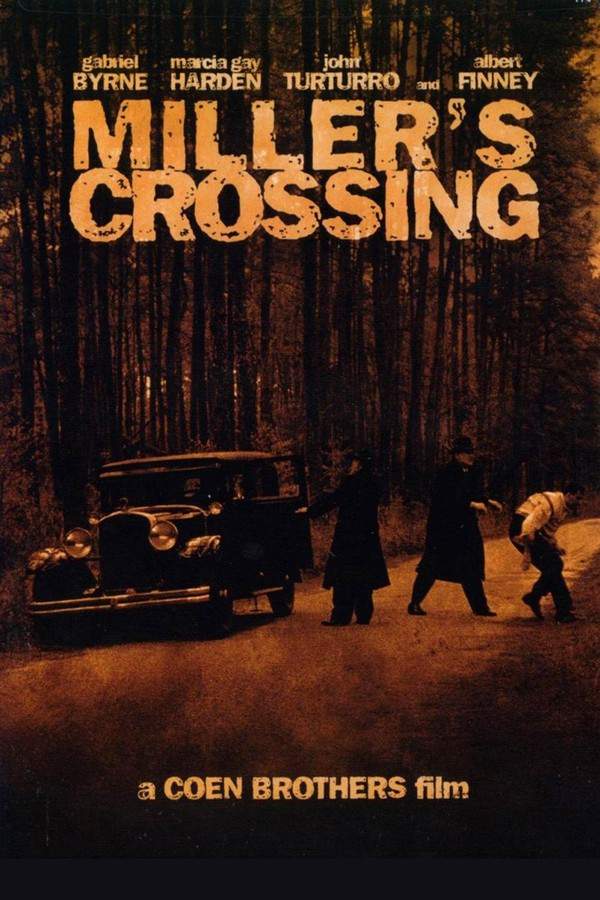
Miller's Crossing
1990

Gomorrah
2009

Sun and Concrete
2023

The Worst of Evil
1000

Brooklyn's Finest
2010

Clockers
1995
Narrative Summary
The narrative pattern involves a lonely protagonist, often living a disciplined or isolated life, whose world is disrupted by witnessing urban exploitation. Their intervention pulls them into a direct conflict with organized crime or corruption, forcing them to confront their own identity and isolation through extreme actions.
Why These Movies?
These movies are connected by their oppressive mood, focus on themes of loneliness and urban conflict, and a dark, steady-paced narrative. They create a cohesive vibe through their depiction of solitary figures in gritty settings and the heavy emotional weight of their confrontations with systemic evil.
Unlock the Full Story of Pure Japanese
Don't stop at just watching - explore Pure Japanese in full detail. From the complete plot summary and scene-by-scene timeline to character breakdowns, thematic analysis, and a deep dive into the ending - every page helps you truly understand what Pure Japanese is all about. Plus, discover what's next after the movie.
Pure Japanese Timeline
Track the full timeline of Pure Japanese with every major event arranged chronologically. Perfect for decoding non-linear storytelling, flashbacks, or parallel narratives with a clear scene-by-scene breakdown.

Characters, Settings & Themes in Pure Japanese
Discover the characters, locations, and core themes that shape Pure Japanese. Get insights into symbolic elements, setting significance, and deeper narrative meaning - ideal for thematic analysis and movie breakdowns.


