Year: 1972
Runtime: 95 mins
Language: English
Director: Mike Hodges
A disreputable author of cheap pulp novels is hired by an eccentric, reclusive former film star living in a crumbling house on Malta to ghost‑write the star’s memoirs. Their oddball partnership forces the writer to confront his own lowbrow instincts while navigating the island’s quirky atmosphere.
Warning: spoilers below!
Haven’t seen Pulp yet? This summary contains major spoilers. Bookmark the page, watch the movie, and come back for the full breakdown. If you're ready, scroll on and relive the story!
Read the complete plot breakdown of Pulp (1972), including all key story events, major twists, and the ending explained in detail. Discover what really happened—and what it all means.
Mickey King is a British writer living on the island of Malta, known for turning out violent, sexually charged pulp novels under a string of lewd pen names like “S. Odomy.” He is approached with an unusual offer: to ghostwrite the autobiography of a mystery celebrity. The publisher asks him to join a package tour, with the understanding that a representative for the celebrity will contact him during the trip. The setup promises intrigue, and King reluctantly accepts, his curiosity piqued by the chance to cash in on a life he’s never seen from the inside.
Miller enters the story abruptly, presenting himself as a college professor who claims to be the celebrity’s contact. King, focused on the opportunity, initially believes Miller is the one he’s waiting for. But a grim twist arrives soon after: Miller is found dead in his hotel bathtub, a consequence of a hotel room mix-up that leaves King shaken and suddenly flung into a far more dangerous mystery than he had bargained for.
The following day, Miller’s body inexplicably vanishes, and the true contact finally emerges: Liz Adams, a young woman who brings with her the actual subject of the ghostwritten memoir. Liz explains who the celebrity is and begins guiding King toward the truth. The subject is Preston Gilbert, a retired Hollywood star whose on-screen portrayals of gangsters are overshadowed by whispers of real-life mob connections. Gilbert’s life is told against a backdrop of opulence and notoriety, but there is a harsh turn beneath the glitter: Gilbert reveals a terminal cancer diagnosis and an earnest longing to have his story captured before the end.
As the two men and their entourage attend a lavish party, the atmosphere thickens with politics and old snows of scandal. Among the guests is Princess Betty Cippola, the wife of a politician who appears to have a link to Gilbert’s past. The party atmosphere is buoyant at first, and Gilbert uses humor and bravado to mask his fragility. Midway through the festivities, Miller reappears in disguise as a Catholic priest, a startling and unnerving turn that signals trouble. Sensing danger, King makes a desperate retreat as Miller steps forward and opens fire, killing Gilbert in front of stunned onlookers. The crowd, surprised and misled, treats the moment as merely another one of Gilbert’s pranks and even applauds as the star dies.
The funeral provides the turning point in the case. While the mourners gather, King begins to piece together a deeper network of complicity. He learns that Gilbert was connected to the death of a young woman many years prior and that more powerful people were involved, including Prince Frank Cippola. The revelation casts a long shadow over the past, implicating high-status figures in a cover-up designed to protect reputations and reputations alone.
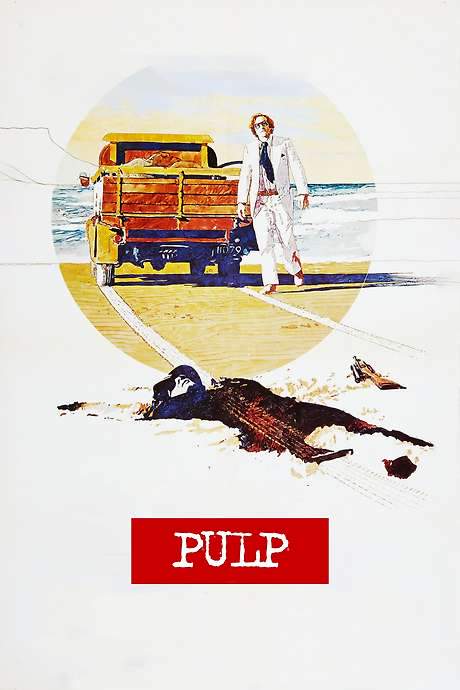
In the quiet hours at the gravesite, Miller reappears once more and begins shooting again, a murderous crescendo that ends with King facing danger and eventual reprisal. King fights back, and in a tense confrontation he kills Miller by running him down with a truck. The physical danger subsides as he recovers from his injuries, but a new, heavier burden settles in: the realization that Cippola tried to keep the entire scandal quiet by orchestrating Gilbert’s death—and by implication, King’s own fate as a witness. A final warning hangs over him, urging silence, for breaking it could bring murder charges on King for Miller’s death and unleash consequences that could reach far beyond the writer’s quiet life in Malta.
Last Updated: October 09, 2025 at 14:03
Discover curated groups of movies connected by mood, themes, and story style. Browse collections built around emotion, atmosphere, and narrative focus to easily find films that match what you feel like watching right now.
Cynical protagonists uncover dark truths in crumbling, atmospheric settings.If you enjoyed the tense, crumbling atmosphere of Pulp, you'll find more movies like it here. This collection features grim thrillers and neo-noir mysteries where cynical protagonists navigate corrupt systems and decaying settings to uncover dangerous truths.
Stories in this thread typically follow a world-weary outsider who accepts a dubious job or investigation, only to be pulled into a dangerous web of lies and violence. The journey is a descent, revealing that the rot runs far deeper than initially apparent, often leaving the protagonist compromised and scarred.
These movies are grouped by their shared mood of paranoid unease, their focus on decaying or isolating settings that become characters themselves, and their narratives of moral compromise in the face of pervasive corruption.
Protagonists escape physical danger but are left burdened by their complicity.For viewers who appreciated the complex ending of Pulp, this list highlights similar movies where survival comes with a price. Discover films like Pulp where characters make difficult compromises, leading to a bittersweet conclusion that emphasizes the weight of complicity over the relief of survival.
The narrative pattern involves a character becoming entangled in a situation beyond their control, forced to make increasingly difficult choices to ensure their own survival. The resolution avoids ultimate doom but delivers a pyrrhic victory, leaving the protagonist alive yet morally defeated, often silenced by the powerful forces they confronted.
These films are united by their emotionally heavy conclusions that prioritize thematic resonance over tidy endings. They share a focus on the psychological aftermath of survival, exploring the lingering trauma and moral ambiguity that define a 'bittersweet' victory.
Don't stop at just watching — explore Pulp in full detail. From the complete plot summary and scene-by-scene timeline to character breakdowns, thematic analysis, and a deep dive into the ending — every page helps you truly understand what Pulp is all about. Plus, discover what's next after the movie.
Track the full timeline of Pulp with every major event arranged chronologically. Perfect for decoding non-linear storytelling, flashbacks, or parallel narratives with a clear scene-by-scene breakdown.
Discover the characters, locations, and core themes that shape Pulp. Get insights into symbolic elements, setting significance, and deeper narrative meaning — ideal for thematic analysis and movie breakdowns.
Get a quick, spoiler-free overview of Pulp that covers the main plot points and key details without revealing any major twists or spoilers. Perfect for those who want to know what to expect before diving in.
Visit What's After the Movie to explore more about Pulp: box office results, cast and crew info, production details, post-credit scenes, and external links — all in one place for movie fans and researchers.
Discover movies like Pulp that share similar genres, themes, and storytelling elements. Whether you’re drawn to the atmosphere, character arcs, or plot structure, these curated recommendations will help you explore more films you’ll love.
Pulp (1972) Scene-by-Scene Movie Timeline
Pulp (1972) Movie Characters, Themes & Settings
Pulp (1972) Spoiler-Free Summary & Key Flow
Movies Like Pulp – Similar Titles You’ll Enjoy
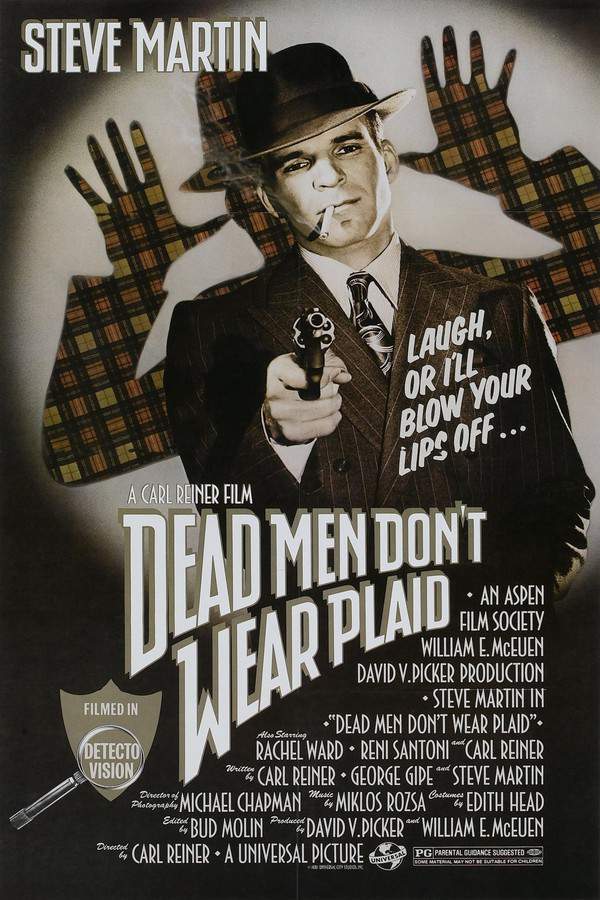
Dead Men Don't Wear Plaid (1982) Detailed Story Recap
Purgatory Flats (2003) Movie Recap & Themes
Under Suspicion (1991) Plot Summary & Ending Explained
Lowdown Dirty Criminals (2020) Detailed Story Recap
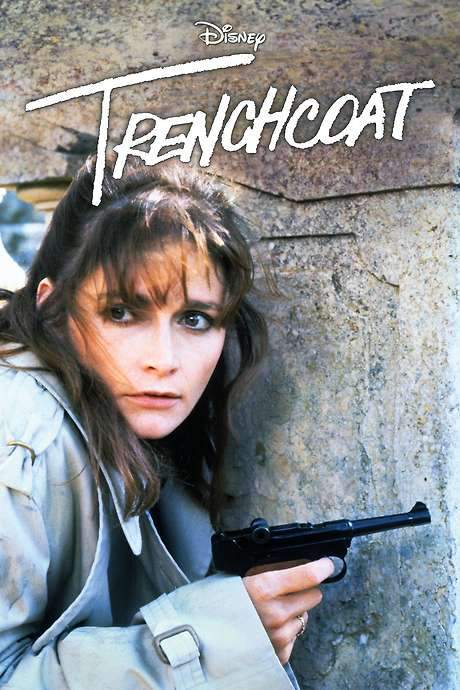
Trenchcoat (1983) Plot Summary & Ending Explained
Amuck! (1972) Ending Explained & Film Insights
Pitfall (1948) Plot Summary & Ending Explained
The Sinister Urge (1960) Complete Plot Breakdown
The Green Man (1956) Complete Plot Breakdown
Dirt Merchant (1999) Complete Plot Breakdown
Private Detective (1939) Detailed Story Recap
My Favorite Brunette (1947) Complete Plot Breakdown
Penthouse (1933) Full Movie Breakdown
Inner Sanctum (1948) Full Summary & Key Details
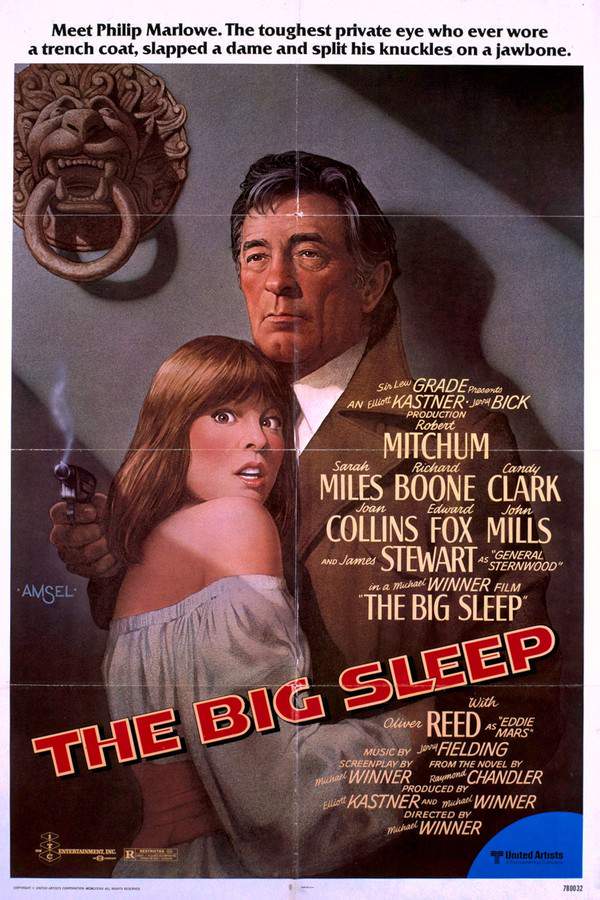
The Big Sleep (1978) Full Summary & Key Details