Plot Explained Spoilers guaranteed!
Plot Explained

Browse by genre

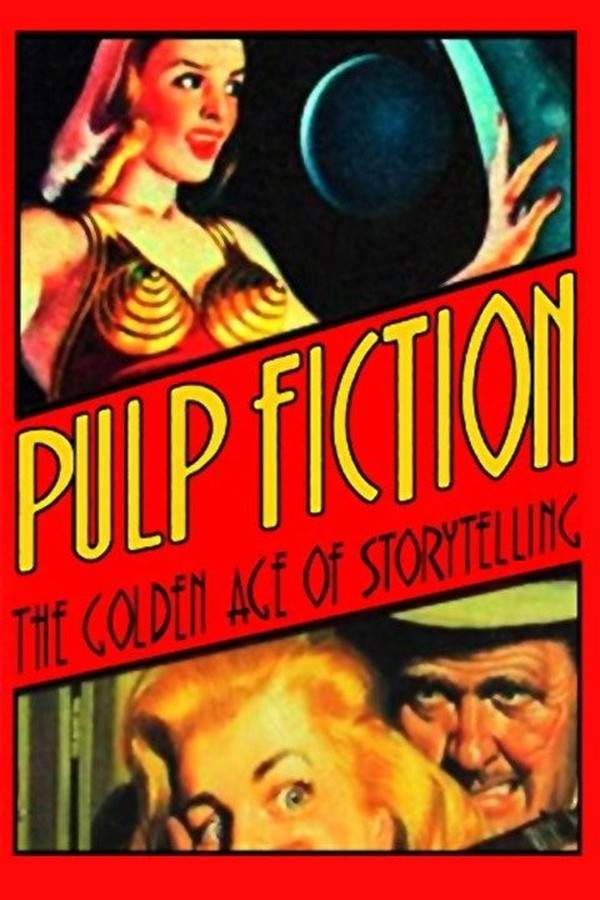
Pulp Fiction (1994) movie poster

Plot Summary

Pulp Fiction (1994) Plot Summary Explained

Release, runtime and language
1994 · 154 min · English
Loading streaming availability…
Directed by
Quentin Tarantino
Starring
Samuel L. Jackson, Bruce Willis, John Travolta
Budget
$8M

A sprawling crime saga, this film interweaves several stories of Los Angeles gangsters and their associates. The narrative explores themes of violence, redemption, and the absurdities of everyday life through a series of interconnected events. Featuring memorable characters and sharp dialogue, it offers a stylized and darkly humorous look at the criminal underworld. The film’s nonlinear structure and unique blend of genres create a captivating and unforgettable cinematic experience.

On this page (6)
  1. 1 Where to watch
  2. 2 What happens: full plot
  3. 3 Plot questions answered
  4. 4 Movie threads
  5. 5 Movies like Pulp Fiction
  6. 6 Every angle
Loading streaming availability…

Full plot summary · contains spoilers

What Happens in Pulp Fiction: Full Plot Summary

The whole story of Pulp Fiction (1994) explained, from the opening scene to the final frame: every key event, every twist and what it all adds up to. Read it as a quick recap before the sequel, to check a scene you missed, or to finally understand what really happened.

Pulp Fiction is a film structured in a non-linear narrative that weaves together three interlinked stories, each spotlighting a distinct protagonist: hitman Vincent Vega, boxer Butch Coolidge, and Jules Winnfield, Vincent's business partner.

The film opens with a dramatic diner hold-up orchestrated by a couple, but quickly transitions between various story arcs, culminating in a return to the diner for the conclusion. The narrative comprises seven sequences, each introduced by an intertitle:

1. Prologue - The Diner

2. Prelude to "Vincent Vega and Marsellus Wallace's Wife"

3. Vincent Vega and Marsellus Wallace's Wife

4. Prelude to "The Gold Watch" (a - flashback, b - present)

5. The Gold Watch

6. The Bonnie Situation

7. Epilogue - The Diner

If arranged chronologically, the sequences flow as follows: 4a, 2, 6, 1, 7, 3, 4b, 5. Notably, sequences 1 and 7 overlap, presenting events from varied perspectives, as do sequences 2 and 6.

The plot kicks off with hitmen Jules Winnfield](/actor/samuel-l-jackson) and Vincent Vega entering an apartment to collect a briefcase for their boss, the gangster [Marsellus Wallace](Ving Rhames), from a partner named Brett. After Vincent inspects the briefcase, Jules swiftly executes one of Brett's allies and dramatically recites a passage from the Bible before killing Brett for his attempted treachery. They eventually deliver the briefcase to Marsellus while he attempts to bribe Butch Coolidge to lose an upcoming fight.

The following day, Vincent buys heroin from his dealer, Lance (Eric Stoltz), and after taking the drug, he is tasked with watching over Marsellus's wife, Mia (Uma Thurman), while her husband is away. Mia, fresh off a pilot about female secret agents called "Fox Force Five," and Vincent enjoy a meal at Jack Rabbit Slim's—a nostalgic 1950s-themed diner—where they participate in a twist contest. During their time together, Vincent inquires if it's true that Marsellus threw Tony Ricky Horror out of a window for giving Mia a foot massage, but Mia insists that she never received such a treatment.

In a harrowing turn of events, while Vincent is momentarily absent, Mia mistakenly snorts his heroin, believing it to be cocaine, leading to a life-threatening overdose. Vincent rushes her to Lance's, where they manage to revive her with adrenaline. He gently drops Mia off, and they agree to keep the incident a secret from Marsellus.

Meanwhile, Butch recalls a poignant moment from his childhood involving Captain Koons (Christopher Walken), a Vietnam War veteran, who gifted him the family’s treasured gold watch—an heirloom that survived multiple wars. Butch ultimately defies Marsellus by betting against his own expected loss and winning the fight, but in a tragic twist, he inadvertently kills his opponent.

Realizing that Marsellus will seek vengeance, Butch plans to escape with his girlfriend, Fabienne (Maria De Medeiros), but must first retrieve his cherished gold watch, which he discovers is left behind. In a violent encounter, he finds Vincent in his apartment and shoots him before fleeing the scene.

The ensuing chaos continues as Marsellus is struck by Butch's vehicle at a traffic light, leading to a gruesome confrontation and a showdown in a pawn shop where Butch ultimately saves Marsellus from being assaulted. After this intense experience, Marsellus declares that they are even and instructs Butch to leave Los Angeles for good.

The story culminates in a diner where Jules contemplates retirement from his criminal life after what he perceives as a miraculous survival. However, the tranquility is shattered when a couple, Ringo "Pumpkin" (Tim Roth) and Yolanda "Honey Bunny" (Amanda Plummer), attempt their own robbery. Here, Jules deftly handles the situation, using a biblical passage to reflect on his life choices before allowing the robbers to escape with his cash, leaving the diner and the briefcase behind.
Last updated: November 03, 2024 at 21:07

Was this helpful?

Plot questions answered

Pulp Fiction Plot Explained: Your Questions Answered

The questions people ask most about Pulp Fiction (1994): what happens in the confusing scenes, why the characters do what they do, the twists, hidden details and what the ending means. Each answer contains spoilers.

Q1

What's in the briefcase that everyone is fighting over?

The briefcase's contents are never explicitly shown or revealed in the film. However, it contains something that glows golden when opened and appears to be highly valuable, as multiple characters risk their lives to obtain it for Marsellus Wallace. The glow is often interpreted as representing gold, diamonds, or something of immense sentimental value, though Tarantino has deliberately kept it ambiguous.

  • briefcase contents
  • marsellus
  • vincent vega
  • jules
  • winning briefcase
Q2

Why does Jules recite the Bible before killing people?

Jules recites Ezekiel 25:17 before executions as part of his personal philosophy and moral code. He views himself as executing divine judgment on criminals. After a near-death experience at the end of the film where he survives being shot multiple times, Jules sees this as a miraculous sign from God and decides to retire from his life of crime, no longer believing his killings are justified divine work.

  • jules winnfield
  • bible verse
  • ezekiel
  • murder
  • redemption
Q3

Why does Butch bet against himself in the fight?

Butch decides to bet on himself and win the fight, deliberately going against Marsellus Wallace's orders for him to throw the match. This act of defiance stems from Butch's desire to prove he can win on his own terms rather than being controlled by gangsters. However, his victory comes at a terrible cost when he accidentally kills his opponent in the ring, forcing him to flee from Marsellus's retaliation.

Foreshadowing: Earlier in the film, Marsellus bribes Butch to lose the fight, establishing the stakes of defying a powerful crime boss.

  • butch coolidge
  • boxing match
  • marsellus
  • defiance
  • fight outcome
Q4

What causes Mia Wallace's overdose?

Mia accidentally overdoses on Vincent's heroin when she mistakes it for cocaine. While Vincent is briefly out of the house, she finds the white powder in his jacket, snorts it believing it to be recreational drugs, and immediately falls into a life-threatening overdose. Vincent rushes her to his dealer Lance, where they administer an adrenaline shot directly to her heart to revive her.

Foreshadowing: Earlier at Jack Rabbit Slim's, Mia asks Vincent if he has any 'good dust,' hinting at her willingness to use drugs.

  • mia wallace
  • heroin overdose
  • vincent vega
  • lance
  • adrenaline shot
Q5

Why does Butch kill Vincent in his apartment?

Butch returns to his apartment specifically to retrieve the gold watch he left behind, which has been in his family for generations. When he enters, he finds Vincent waiting inside (Vincent was using the apartment as a hideout). In the confrontation that follows, Butch shoots and kills Vincent to escape, seeing it as necessary to get his watch and flee before Marsellus can exact revenge for defying him.

Foreshadowing: The extended flashback earlier shows Captain Koons explaining the watch's significance, establishing why Butch risks everything to retrieve it.

  • butch coolidge
  • vincent death
  • gold watch
  • murder
  • apartment
Q6

Why do Pumpkin and Honey Bunny decide to rob the diner?

Pumpkin and Honey Bunny are a small-time criminal couple who decide to rob the diner as a quick way to get money. Their hold-up at the beginning of the film actually occurs chronologically after most of the other events, though it appears first in the film. They specifically choose the diner because they view it as an easy target with minimal security.

  • pumpkin
  • honey bunny
  • diner robbery
  • robbin
  • amanda plummer
  • tim roth
Q7

Why does Jules let the robbers go at the end?

After surviving what he perceives as a miraculous shooting, Jules has undergone a spiritual transformation. When Pumpkin and Honey Bunny attempt to rob the diner, Jules uses the biblical passage he once recited before killing to reflect on his own life choices. Instead of violently confronting them like he would have before, he chooses to let them escape with his money, viewing this act of mercy as a form of redemption and walking away from his criminal life.

Foreshadowing: Jules's survival from multiple gunshots at the apartment earlier in the film triggers his spiritual crisis and change of heart.

  • jules winnfield
  • redemption
  • bible
  • diner scene
  • mercy
Q8

Why is the gold watch so important to Butch?

The gold watch is a family heirloom passed down through generations of Butch's family. Captain Koons, a Vietnam War veteran, explains in a flashback that the watch belonged to Butch's father, who kept it hidden inside his body during his captivity in a Vietnamese prisoner of war camp to preserve it. The watch represents his family's honor and legacy, making it irreplaceable to Butch despite the danger of returning for it.

Foreshadowing: The extended flashback with Captain Koons appears early in the film, establishing the watch's profound significance before Butch's later journey.

  • gold watch
  • butch coolidge
  • captain koons
  • family heirloom
  • vietnam
Q9

What happened between Marsellus and Tony Ricky Horror?

According to rumors mentioned in the film, Marsellus Wallace threw Tony Ricky Horror out of a fourth-story window for giving Mia Wallace a foot massage. When Vincent asks Mia about this, she denies that any such massage occurred and claims the story is exaggerated. This incident establishes Marsellus as extremely possessive and violent when it comes to perceived transgressions against his wife.

  • marsellus wallace
  • tony ricky horror
  • foot massage
  • mia wallace
Q10

Why does Butch save Marsellus in the pawn shop?

After accidentally hitting Marsellus with his car, Butch finds himself trapped in a pawn shop with Marsellus and two rednecks who proceed to assault Marsellus. Despite their conflict, Butch chooses to save Marsellus, using a samurai sword to defeat the attackers. This act of unexpected loyalty transforms their relationship from enemies to something resembling mutual respect, leading Marsellus to spare Butch's life and allow him to leave Los Angeles.

  • butch coolidge
  • marsellus
  • pawn shop
  • samurai sword
  • rescue
Q11

Why does Pulp Fiction tell its story out of order?

The non-linear narrative structure is a deliberate stylistic choice by Tarantino to create dramatic tension and force viewers to actively piece together the timeline. By starting with the diner robbery and jumping between different character's stories, the film reveals information out of order to maximize emotional impact. Key moments like Vincent's death gain more weight when we see Butch's perspective after the fact, and Jules's redemption lands harder because we witness his transformation over multiple timeline fragments.

  • non-linear narrative
  • tarantino
  • timeline
  • story structure
  • chronological order
Q12

Why does Marsellus want Butch to throw the fight?

Marsellus Wallace has placed a substantial bet on Butch losing the fight, which is part of his larger gambling operation. When he bribes Butch to intentionally lose, it's because he's already arranged for others to bet against Butch, making money from both sides of the wager. Butch's decision to win against Marsellus's wishes directly threatens this profit scheme and sets up the deadly conflict that follows.

Foreshadowing: Marsellus's bribe to Butch occurs immediately after Vincent and Jules deliver the briefcase, establishing his gambling interests early.

  • marsellus
  • butch
  • fight
  • rigged fight
  • gambling
  • bribe
Q13

Why does Vincent go to the apartment with Jules if he was supposed to be off the job?

In the chronological timeline, the apartment scene where Jules and Vincent collect the briefcase actually happens first, before the main events involving Mia and Butch. Vincent is called in for this job as Jules's partner. The non-linear structure makes it appear later, but chronologically this is where Vincent's involvement with Marsellus's criminal operations begins, setting up his subsequent tasks like watching Mia.

  • vincent vega
  • jules
  • apartment
  • chronology
  • brett
Q14

How do the diner scenes at the beginning and end connect?

The opening diner hold-up and the final diner scene are actually the same event, shown twice from different perspectives. The first showing focuses on Pumpkin and Honey Bunny's point of view during the robbery, while the later version reveals that Jules and Vincent are also inside the diner. The timeline places this event last in chronological order, after all the other storylines have concluded, creating a cyclic quality to the narrative.

  • diner scene
  • timeline overlap
  • pumpkin
  • honey bunny
  • jules vincent

Movie threads

More Movies Like Pulp Fiction, by Mood & Story

Curated lists built around what makes Pulp Fiction tick: the same mood, the same kind of story or the same emotional payoff. Each list explains why these movies belong together.

Stylish, Non-Linear Crime Epics like Pulp Fiction

Interconnected criminal stories told out of order, blending violence and wit. If you liked the fragmented storytelling and criminal vignettes of Pulp Fiction, you'll find more movies like it here. This collection features complex crime dramas with non-linear plots, stylish direction, and a mix of dark humor and violence, perfect for fans of interconnected narratives.

  • non-linear
  • stylish
  • gritty
  • biting
  • cool
  • anxious
  • Tone: dark, cool, biting
  • Pacing: variable, dialogue-driven
Why these movies?

The story pattern: These films dismantle traditional storytelling by presenting interlocking tales of crime and fate in a deliberately scrambled sequence. The narrative puzzle invites viewers to piece together the connections, while the structure often highlights themes of chance and consequence. Character arcs are fragmented and revisited, creating a sense of a sprawling, interconnected world where small actions have large, unexpected repercussions.

Why they belong together: Movies are grouped here based on their shared approach to narrative structure and tone. They all employ a non-linear plot to explore criminal enterprises, feature a distinctive visual style, and balance gritty violence with clever, often humorous dialogue. The experience is defined by this specific combination of complex storytelling and a cool, stylized aesthetic.

Darkly Comic Gangster Tales like Pulp Fiction

Gritty crime stories where sharp, intelligent humor cuts through the violence. For viewers who loved the sharp dialogue and ironic humor of Pulp Fiction, this list features similar movies that find comedy in the grim world of crime. Discover other films where hitmen, gangsters, and lowlifes engage in witty banter against a backdrop of violence and moral ambiguity.

  • biting
  • cool
  • gritty
  • witty
  • anxious
  • stylish
  • Tone: dark, humorous, biting
  • Pacing: variable, scene-focused
Why these movies?

The story pattern: The narratives often follow charismatic but morally questionable characters through a series of criminal mishaps and confrontations. The journey is less about a traditional plot and more about the memorable conversations and ironic situations that occur between violent set pieces. The humor arises from the contrast between the mundane (discussing burgers) and the extreme (murder), highlighting the absurdity of life on the edge.

Why they belong together: These films are united by their specific tonal blend: the seamless integration of witty, fast-paced dialogue into a violent crime setting. They share a focus on character-driven moments and existential conversations that provide comic relief while deepening the world, creating an experience that is simultaneously thrilling, funny, and thought-provoking.

If you liked this

Movies Like Pulp Fiction

Similar movies to Pulp Fiction: the same genre, themes or kind of story. Each one comes with its own plot summary, timeline and ending explained.

Browse all movie summaries

Every angle

Pulp Fiction (1994) Explained: Plot, Timeline & Characters

Everything about Pulp Fiction in one place: what happens in the plot summary, the timeline in chronological order, the characters and meaning and a spoiler-free summary. What's After the Movie adds the cast, box office and post-credit scenes.

Coming soon on iOS and Android

The Plot Explained Movie Summary App

Plot summaries, endings explained and timelines on your phone. Catch up on any movie in minutes, save your favorites and never miss a twist again.

Be the first to know when we launch. Your email stays private, always.

Learn more about the app