Plot Explained Spoilers guaranteed!
Plot Explained

Browse by genre

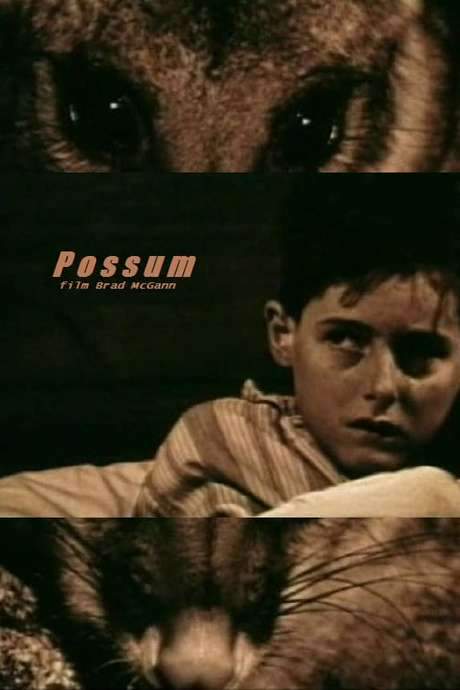
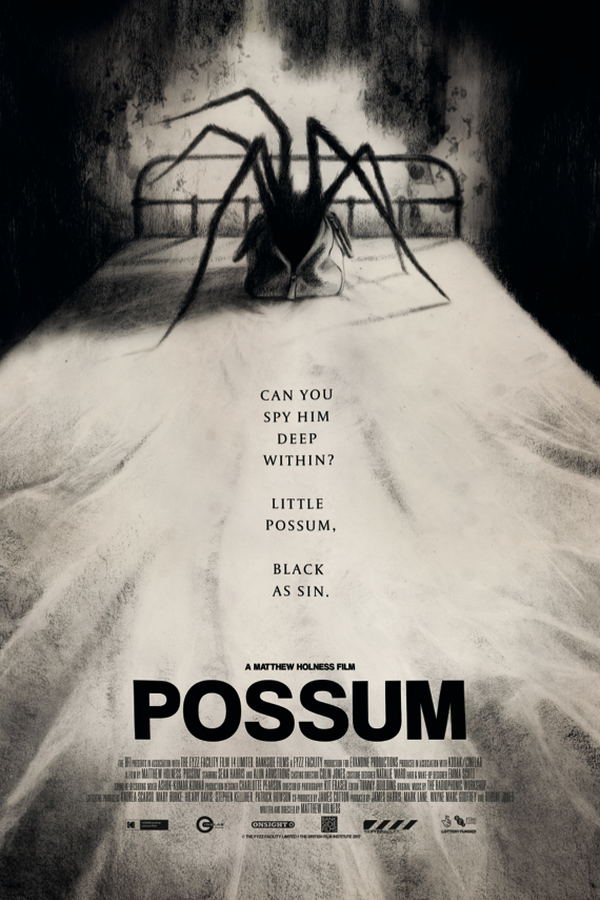
Possum (2018) movie poster

Plot Summary

Possum (2018) Plot Summary Explained

Release, runtime and language
2018 · 85 min · English
Echo score 72
Loading streaming availability…
Directed by
Matthew Holness
Starring
Sean Harris, Alun Armstrong, Andy Blithe, Charlie Eales, Joe Gallucci, Pamela Cook

A troubled puppeteer named Philip is forced to confront his cruel stepfather and the dark secrets he's carried throughout his life. As he grapples with his past, he must also contend with Possum, an unsettling marionette he transports in a box. Philip’s attempts to escape the influence of Possum prove to be increasingly difficult, forcing him to face buried traumas and unsettling truths about himself.

On this page (6)
  1. 1 Where to watch
  2. 2 What happens: full plot
  3. 3 Plot questions answered
  4. 4 Movie threads
  5. 5 Movies like Possum
  6. 6 Every angle
Loading streaming availability…

Full plot summary · contains spoilers

What Happens in Possum: Full Plot Summary

The whole story of Possum (2018) explained, from the opening scene to the final frame: every key event, every twist and what it all adds up to. Read it as a quick recap before the sequel, to check a scene you missed, or to finally understand what really happened.

Philip Connell, Sean Harris, is a disgraced children's puppeteer who is compelled to return to his childhood home in Norfolk. The once-family house, scarred by a long-ago blaze, sits in a state of disrepair and is now shared with his decrepit uncle Maurice, Alun Armstrong. The atmosphere is tense from the moment he steps inside, a quiet of abandonment that gnaws at him as much as any memory.

Within this crumbling setting, a spider-like marionette named Possum becomes an unsettling constant. Philip repeatedly tries to cast the puppet away, to burn or hide it, to sever the ties that bind him to the figure, but each time Possum returns, stubborn and insidious, as if the house itself keeps conjuring it back. The struggle with the puppet mirrors an internal battle—one that he cannot easily escape—pulling him back into a past he cannot outrun.

During his time in Norfolk, Philip uncovers a picture book he drew as a child. The pages tell a chilling origin for Possum, charting how it creeps toward orphaned children in their beds with a hungry, predatory intent. The book’s revelation deepens the sense that the puppetry legacy in Philip’s family is more than a mere craft; it feels like a dark inheritance that shadows everything he does. Alongside these discoveries, Philip is haunted by vivid visions and dreams of Possum edging closer to him in the dark, a creeping presence that blurs the line between imagination and menace.

Maurice’s presence looms large in every interaction, as he toys with Philip by reciting old wounds from Philip’s childhood. He reminds him of the moments that cost him his job and forces Philip to relive the bullying and betrayal he endured, hinting that puppetry runs in the family and that old sins never fully fade. Maurice’s coercive interruptions keep pressing Philip toward a closed room in the house; each time, Maurice asks if he plans to enter, and Philip, stubbornly, answers no, even as curiosity gnaws at him.

The drama expands when news reports surface about a missing local boy named Michael, whom Philip had encountered on the train to Norfolk. Authorities describe a man matching Philip’s description as a person of interest, a detail that tightens the net of suspicion around him. He returns to his childhood school, only to be met with wary staff and suspicious locals who seem to know more about his past than they let on. Maurice notes that there was once a similar case of a boy assaulted by a masked man, a reminder that old traumas can echo into the present. When Philip ventures into tears, Maurice offers a strange, if uneasy, comfort, underscoring the uneasy bond between them. As the search intensifies, Maurice tells him he will be away for a while and urges Philip to avoid drawing attention to himself or returning trouble to the house.

In a moment of desperation, Philip goes to the school to speak with his former form teacher, Mr. Grant. He explains that Grant knew all about what happened and promised to go to the police with him, but the secretary remains skeptical and keeps him waiting outside. From this cramped waiting room, Philip overhears the headmaster discussing the possibility of calling the police, and fear pushes him to flee. In his flight, Possum pursues him, the fear palpable as he seems to be overwhelmed and he slips into unconsciousness.

When he awakens, he returns to find Maurice has vanished, yet the visions sharpen into something more terrifying—Philip begins to fear he might become Possum himself. He returns to the closed room, discovering it is badly charred from the old fire. Inside, the trove of damaged items is laid bare as a masked man attacks him. The figure pulls back the mask to reveal Maurice, who taunts Philip about the deaths of his parents and insists that Philip always knew Maurice was the abusive figure who haunted him throughout childhood, a truth Philip has never spoken aloud.

A fierce struggle ensues, and Philip gains the upper hand, breaking Maurice’s neck. He then uncovers a locked chest and frees a terrified Michael, who scrambles away to safety. In the aftermath, as Philip sits outside the house, a numb stillness settles in. The final image is stark and brutal: Possum’s severed head rests in Philip’s lap, a grim symbol of the horrific legacy he has confronted and a future that may forever haunt him.

Last updated: February 25, 2026 at 08:10

Was this helpful?

Plot questions answered

Possum Plot Explained: Your Questions Answered

The questions people ask most about Possum (2018): what happens in the confusing scenes, why the characters do what they do, the twists, hidden details and what the ending means. Each answer contains spoilers.

Q1

Why does the Possum puppet keep returning to Philip's house?

Possum represents Philip's repressed trauma and guilt. The puppet physically returns because it symbolizes the abuse Philip suffered as a child that he has never addressed. As Maurice explains, Philip always knew Maurice was the abusive figure from his childhood, and the puppet's relentless presence reflects how that buried truth keeps forcing itself back into his consciousness.

Foreshadowing: The picture book Philip created as a child already establishes Possum as an inescapable predatory force that creeps toward orphaned children.

  • possum puppet
  • trauma
  • psychological horror
  • sean harris
Q2

What happened to Philip's parents in the fire?

The fire that destroyed the house occurred years ago, killing Philip's parents. Maurice reveals during the confrontation that he was responsible for the deaths, using this as another weapon in his psychological torture of Philip. The charred remains of the room where the fire occurred serve as the literal and symbolic site of this trauma.

Foreshadowing: The burnt room is repeatedly referenced throughout the film, with Maurice constantly asking if Philip will enter it.

  • parents death
  • fire
  • norfolk house
  • murder
Q3

Why was Philip fired from his puppeteer job?

Maurice taunts Philip by reminding him of the circumstances that cost him his job, referencing childhood bullying and betrayal that somehow led to his dismissal. The exact details are kept ambiguous, but the implication is that Philip's traumatic past and psychological state eventually caught up with his professional life, leaving him disgraced.

Foreshadowing: Maurice's recurring mentions of the job loss hint at events tied to Philip's childhood trauma.

  • disgraced
  • puppeteer
  • job
  • childhood bullying
Q4

What's behind the closed room that Maurice keeps asking about?

The closed room contains the charred remains of the old fire that killed Philip's parents. It also serves as Maurice's torture chamber where he keeps Michael captive in a locked chest. Maurice repeatedly asks Philip if he will enter because he knows the room holds the repressed truth about the abuse and the fire that Philip has spent his life avoiding.

Foreshadowing: Maurice asks throughout the film if Philip plans to enter the room, building anticipation for this revelation.

  • closed room
  • fire
  • michael
  • captive
Q5

Who is the masked man that attacks Philip in the burnt room?

The masked man is Philip's uncle Maurice. He reveals himself to confirm what Philip has always known but never spoken: Maurice was the abusive figure who tormented him throughout his childhood. Maurice attacked Philip in the burnt room to force him to confront this long-buried truth.

Foreshadowing: Maurice hints at a similar case of a boy assaulted by a masked man, foreshadowing his own role as the abuser.

  • masked man
  • maurice
  • abuse
  • reveal
Q6

Why does Maurice constantly taunt Philip about his past?

Maurice uses psychological manipulation to maintain power over Philip. By reminding him of the job loss, forcing him to recount childhood bullying, and referencing the family puppetry legacy, Maurice keeps Philip trapped in a victim mentality. His ultimate goal is to prevent Philip from speaking the truth about the abuse, keeping him silent and controllable.

Foreshadowing: Maurice's pattern of coercion builds toward his revelation as the childhood abuser.

  • maurice
  • psychological abuse
  • manipulation
  • uncle
Q7

What does the picture book Philip drew as a child reveal?

The picture book Philip created as a child depicts Possum as a predatory entity that creeps toward orphaned children in their beds with hungry intent. This reveals that Possum was Philip's way of processing the abuse he suffered, transforming his trauma into a story. The book also establishes that the puppet has always represented something dark and predatory in Philip's psyche.

Foreshadowing: The book's imagery of Possum approaching children directly parallels the present-day threat to Michael.

  • picture book
  • childhood
  • origin of possum
  • abuse symbolism
Q8

Is Possum real or just Philip's hallucination?

The film deliberately blurs the line between reality and hallucination. Possum physically exists as a marionette, but its impossible return after being destroyed suggests it also exists as a psychological manifestation of Philip's trauma. The creature's pursuit and Philip's fear of becoming Possum himself indicate the puppet represents his fractured mental state.

Foreshadowing: Philip's visions of Possum creeping closer blur with his waking reality throughout the film.

  • hallucination
  • psychological
  • reality vs fiction
  • possum
Q9

What happens to Michael at the end of the film?

Philip discovers Michael imprisoned in a locked chest within the burnt room. After Philip overpowers Maurice and kills him, Michael escapes from the chest and scrambles away to safety. While the film doesn't show his reunion with authorities, he is freed alive from Maurice's captivity.

Foreshadowing: The news reports about Michael's disappearance and the mention of a similar assault case foreshadow his role as Maurice's victim.

  • michael
  • rescued
  • child
  • captive
Q10

Why does Philip kill Maurice at the climax?

Philip kills Maurice in self-defense during a brutal confrontation where Maurice attacks him in the burnt room. After Maurice reveals himself as the childhood abuser and taunts Philip about his parents' deaths, Philip overpowers Maurice and breaks his neck. The killing represents Philip finally confronting and defeating the source of his trauma, though the act leaves him emotionally hollow.

Foreshadowing: Maurice's revelation as the abuser and the mention of his crimes build toward this violent confrontation.

  • maurice death
  • self defense
  • killing
  • confrontation
Q11

What does the ending image of Philip holding Possum's severed head mean?

The ending shows Philip sitting outside the house with Possum's severed head in his lap, staring blankly. This image suggests Philip has confronted his trauma but remains haunted by it. The severed head represents killing the symbolic source of his suffering, yet his vacant expression indicates the trauma is not truly resolved, only confronted. It leaves his future uncertain and bleak.

Foreshadowing: The entire film builds toward Philip facing Possum directly, culminating in this final haunting image.

  • ending
  • ambiguous
  • severed head
  • trauma resolution

Movie threads

More Movies Like Possum, by Mood & Story

Curated lists built around what makes Possum tick: the same mood, the same kind of story or the same emotional payoff. Each list explains why these movies belong together.

Slow-burn psychological dread like in Possum

Atmospheric films where psychological tension builds relentlessly towards trauma. Explore movies like Possum that feature slow-burning tension and atmospheric dread. If you liked the psychological descent and oppressive mood of Possum, these films deliver similar experiences of gradual, unsettling horror.

  • slow burn
  • psychological
  • atmospheric
  • dread-filled
  • unsettling
  • claustrophobic
  • Tone: dark, bleak, unsettling
  • Pacing: slow burn, deliberate
Why these movies?

The story pattern: The narrative typically follows a protagonist grappling with repressed trauma or a fractured psyche, often through ambiguous or hallucinatory sequences. The plot unfolds slowly, revealing layers of psychological distress and building towards a cathartic yet often bleak confrontation with the past.

Why they belong together: Movies are grouped here for their shared commitment to slow pacing, high psychological intensity, and an overwhelming atmosphere of dread. They prioritize mood over action, creating a deeply immersive and unsettling viewing experience centered on internal conflict.

Movies about confronting repressed trauma like Possum

Stories where characters are forced to face their buried past and darkest secrets. Discover films similar to Possum that explore themes of repressed childhood trauma and psychological abuse. If you appreciated the raw confrontation with the past in Possum, these movies delve into similarly difficult and emotionally heavy journeys.

  • psychological
  • trauma
  • despairing
  • melancholic
  • anxious
  • confrontational
  • Tone: dark, heavy, melancholic
  • Pacing: slow to steady, introspective
Why these movies?

The story pattern: The plot revolves around a character returning to a painful past, often triggered by a person, place, or object. Through flashbacks, dreams, or symbolic confrontations, the narrative pieces together fragmented memories, leading to a climactic and often ambiguous reckoning that may not offer full closure.

Why they belong together: These films are connected by their central theme of confronting and unearthing deep-seated psychological trauma. They share a heavy emotional weight, dark tone, and a focus on the cyclical nature of pain and the difficult path toward facing one's abusers or past actions.

If you liked this

Movies Like Possum

Similar movies to Possum: the same genre, themes or kind of story. Each one comes with its own plot summary, timeline and ending explained.

Browse all movie summaries

Every angle

Possum (2018) Explained: Plot, Timeline & Characters

Everything about Possum in one place: what happens in the plot summary, the timeline in chronological order, the characters and meaning and a spoiler-free summary. What's After the Movie adds the cast, box office and post-credit scenes.

Coming soon on iOS and Android

The Plot Explained Movie Summary App

Plot summaries, endings explained and timelines on your phone. Catch up on any movie in minutes, save your favorites and never miss a twist again.

Be the first to know when we launch. Your email stays private, always.

Learn more about the app