Year: 2020
Runtime: 103 mins
Language: English
Director: Brandon Cronenberg
Echo Score: 78Budget: $2.5M
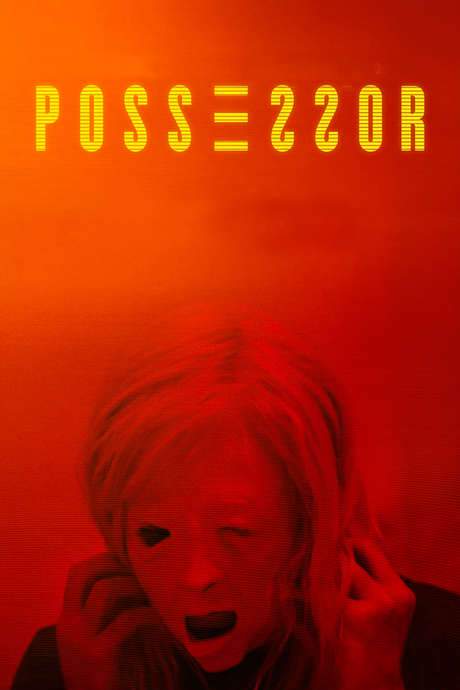
Tasya Vos is an elite corporate assassin who utilizes brain-implant technology to inhabit other people’s bodies, carrying out targeted assassinations. As she becomes increasingly immersed in a complex assignment, she finds herself trapped within a host mind, jeopardizing her own identity and threatening to consume her. The lines between assassin and host blur as she struggles to maintain control.
Find where to stream, rent, or buy Possessor (2020) in the US with current JustWatch availability, up-to-date pricing, and platform listings for subscription, rental, and digital purchase options.
Warning: spoilers below!
Haven’t seen Possessor yet? This summary contains major spoilers. Bookmark the page, watch the movie, and come back for the full breakdown. If you're ready, scroll on and relive the story!
Still thinking about how Possessor (2020) ended? Here’s a full breakdown of the ending, key final moments, major twists, and the deeper meaning behind the film’s conclusion.
The climax of Possessor unfolds in a surreal, subconscious plane where the assassin Tasya Vos and her host, Colin Tate, battle for dominance. Although Tasya is a seasoned professional, her psyche has been eroded by years of jumping into other people’s lives, leaving her emotionally hollow and weak. Conversely, Colin possesses a stronger, more intact sense of self, allowing him to overpower her. In a visceral metaphor for identity theft, Colin symbolically tears Tasya’s face from her subconscious body and wears it as his own, seizing her memories and gaining the upper hand. When Colin wakes up in the real world, he acts on his threat for revenge, murdering Tasya’s partner, Michael, seemingly in retaliation for Tasya’s indifference toward him.
The violence spirals further when Colin is abruptly stabbed in the throat by Ira, Tasya’s young son. In a shocking reveal, it turns out Ira is not acting of his own volition; he is being possessed by Girder, Tasya’s boss. As Colin shoots the boy in self-defense, the connection severs, and both women are pulled back to their respective bodies. This final twist underscores the ruthless nature of the corporation Tasya works for. Girder’s willingness to possess a child to tie up loose ends reveals that the company views its agents and their families as disposable assets.
By the film’s conclusion, Tasya is restored to her own body, but the cost is absolute. The traumatic possession and the loss of her family have stripped away the last vestiges of her humanity. She is left entirely void of empathy, a hollow vessel effectively owned by the corporation. The ending serves as a bleak cautionary tale about the loss of self in the face of advancing technology and corporate greed, suggesting that the act of taking control of others ultimately destroys the controller.
Last updated: March 30, 2026 at 18:14
Read frequently asked questions about the ending of Possessor (2020), including final-scene interpretation, twist explanations, character outcomes, and the deeper meaning behind the conclusion. This ending explained FAQ is designed for viewers searching for clear spoiler-heavy answers and ending breakdown insights.
Tasya's psyche has been eroded by years of jumping between bodies, leaving her emotionally hollow and weak. Colin, despite being a host, has a stronger, more intact sense of self. This allows him to symbolically tear Tasya's face from her subconscious body and seize her memories, gaining dominance over her.
Earlier jobs show Tasya struggling to maintain detachment, hinting at her deteriorating mental state.
Colin acts on his threat for revenge against Tasya. Throughout his possession, he experienced her indifference toward him and her partner Michael. When he gains control, he murders Michael as retaliation for Tasya's emotional coldness during the takeover.
Colin explicitly threatens revenge while trapped in his own body, warning Tasya that she will pay.
Ira is not acting of his own volition. He is being possessed by Girder, Tasya's boss from the corporation. Girder possesses the child to eliminate loose ends and ensure Tasya is extracted. When Colin shoots Ira in self-defense, the connection severs and both women return to their bodies.
Girder's earlier warnings about tying up loose ends暗示 the corporation would take extreme measures.
Girder's willingness to possess a child to control the situation reveals the corporation views its agents and their families as disposable assets. The company orchestrates the entire outcome, using Tasya's fake family as leverage and pawns to ensure their top assassin remains under their control.
The corporation's ruthless efficiency is established early through the violent assignments and dead hosts.
Tasya is restored to her own body, but the cost is absolute. The traumatic possession, the loss of her fake family, and the entire experience have stripped away the last vestiges of her humanity. She is left entirely void of empathy, a hollow vessel effectively owned by the corporation.
Early scenes show Tasya performing cold-blooded kills, establishing her gradual erosion of humanity.
The face-tearing is a visceral metaphor for identity theft. Colin literally takes Tasya's identity by wearing her face and seizing her memories. This represents how possession works both ways - the host can consume the assassin's identity, not just the other way around.
The entire film explores identity as fluid and stolen, with Tasya living in other people's lives.
Tasya's family was entirely fabricated by the corporation as a control mechanism. The final twist reveals her entire personal life - her husband and son - were constructed to keep her emotionally tethered and dependent on the company. Their annihilation represents the corporation severing all ties to her past.
Hints throughout the film suggest something hollow about Tasya's home life and emotional disconnect.
The ending serves as a bleak cautionary tale about the loss of self in the face of advancing technology and corporate greed. The act of taking control of others ultimately destroys the controller. Tasya achieves professional 'success' - she survives and returns to work - but as a completely hollow person with nothing left of her former self.
The opening establishes the dehumanizing nature of the corporation's work.
When Colin is stabbed by Ira, he acts reflexively in self-defense, shooting the boy. This severs the possession connection, allowing both women to be pulled back to their respective bodies. The shooting was not premeditated - it was a desperate response to being attacked by a child he didn't know was being controlled.
The chaos of the final confrontation shows how quickly control can be lost.
The final twist involves Girder possessing Tasya's young son Ira to intervene in the final confrontation. This reveals the corporation will go to any length to protect their asset - even possessing a child. The twist recontextualizes the entire finale as an orchestrated extraction rather than organic chaos.
Girder's cold demeanor and threats about loose ends foreshadow their willingness to intervene directly.
Discover curated groups of movies connected by mood, themes, and story style. Browse collections built around emotion, atmosphere, and narrative focus to easily find films that match what you feel like watching right now.
Stories where the self unravels and the body becomes a prison.Explore a collection of unsettling movies like Possessor where characters face the complete breakdown of their identity through advanced technology, psychological manipulation, or grotesque bodily transformations.
Narratives in this thread often chart an unstoppable descent into madness or the loss of self. A protagonist's mind or body is no longer their own, invaded by external forces leading to internal horror, blurring the lines between reality and nightmare, and culminating in a horrific transformation or annihilation.
These films are grouped by their shared focus on the horror of losing one's identity and bodily autonomy, often through a disturbing mix of psychological thriller elements with visceral, graphic body horror. The tone is relentlessly bleak, and the pacing often reflects a spiral into chaos.
Thrillers where shadowy corporations weaponize technology for control.Find tense sci-fi thrillers like Possessor that explore themes of corporate espionage, technological manipulation, and the high personal cost of being a pawn in a larger, brutal game.
The narrative arc typically follows a skilled operative who becomes entangled in an assignment far more complex and dangerous than anticipated. The lines between controller and controlled blur, forcing the protagonist to confront the horrifying reality of their situation, often leading to a violent confrontation or a bleak realization.
These films share a common backdrop of corporate or institutional power wielding advanced tech, creating a high-stakes world of espionage and assassination. They blend fast-paced action with deep psychological stakes, often featuring protagonists whose grip on reality or morality is tested.
Don't stop at just watching - explore Possessor in full detail. From the complete plot summary and scene-by-scene timeline to character breakdowns, thematic analysis, and a deep dive into the ending - every page helps you truly understand what Possessor is all about. Plus, discover what's next after the movie.
Read a complete plot summary of Possessor, including all key story points, character arcs, and turning points. This in-depth recap is ideal for understanding the narrative structure or reviewing what happened in the movie.
Track the full timeline of Possessor with every major event arranged chronologically. Perfect for decoding non-linear storytelling, flashbacks, or parallel narratives with a clear scene-by-scene breakdown.
Discover the characters, locations, and core themes that shape Possessor. Get insights into symbolic elements, setting significance, and deeper narrative meaning - ideal for thematic analysis and movie breakdowns.