Year: 1997
Runtime: 100 mins
Language: English
Director: René Daalder
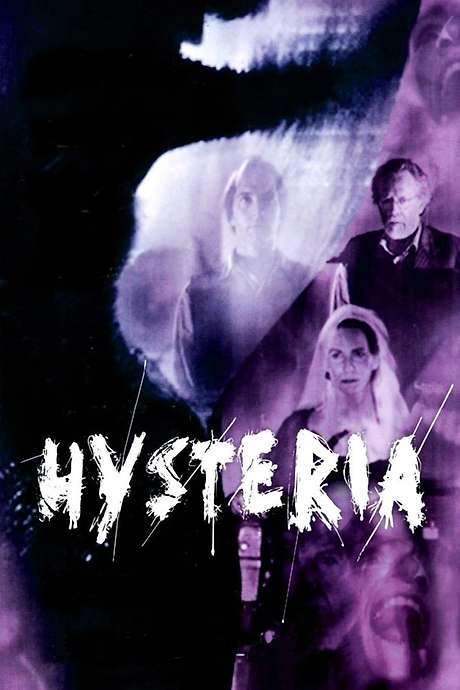
Patrick McGoohan reprises his role from The Prisoner, now as a psychiatrist who links asylum inmates into a mind, forcing them to share each other’s psychoses, dreams and sexuality. Director René Daalders mixes sci‑fi horror with grindhouse style, making the film a provocative look at individual vs group consciousness, power and freedom.
Warning: spoilers below!
Haven’t seen Hysteria yet? This summary contains major spoilers. Bookmark the page, watch the movie, and come back for the full breakdown. If you're ready, scroll on and relive the story!
Read the complete plot breakdown of Hysteria (1997), including all key story events, major twists, and the ending explained in detail. Discover what really happened—and what it all means.
The inmates of a psychiatric hospital are subjected to radical experiments: chips implanted to fuse their brains into a single, shared consciousness, with the aim of creating the perfect citizen. Dr. Harvey Langston leads this work, seeking to connect the minds of a group of patients and exploring the profound implications for the collective psyche. As the process unfolds, the spirit and soul of each person blend into a larger whole, allowing the patients to share each other’s psychoses, dreams, and even sexuality, while the pain of violence becomes a shared burden. Within this new unity, one voice stands above the rest: Myrna Malloy, a wheelchair-bound former dancer whose enduring passion for ballet anchors and sometimes destabilizes the group, bending the collective will toward her own fierce presence.
Meanwhile, Dr. Samuel Fry finds himself drawn to his patient, Veronica Bloom, a psychotic woman who lacks the medications needed for her treatment. With no pharmaceutical options available, the medical team cannot safely control her, and Fry faces a painful choice: release Veronica despite the danger, knowing she will likely become dependent on prescription drugs and exist in a diminished, “zombie” state. Fry escorts Veronica to Langston, hoping the renowned doctor can help, yet he remains unaware of how radical Langston’s methods have already become. As Fry uncovers the true workings of the asylum, a determined resolve to rescue Veronica forms—he must first locate Veronica’s spirit, which has detached itself from her body.
But the magnetic force of Myrna Malloy pulls Fry toward her, redirecting his affection away from his original motives. Fry’s reverence for Langston—who has chosen him as a successor—also erodes his resistance to Myrna’s influence. Over time, Fry slides toward complicity, a drift amplified by the unsettling truth that Langston has long since transferred his own consciousness into a younger colleague’s body. The implanted patients are released back into the wider community, and Langston’s plan expands: to turn more people into controlled automatons who must rely on one another to function in almost flawless harmony. Yet Langston’s test group grows into a monstrous mirror of his ambitions, willing to use any means—including violence—to ensure its own survival, threatening everything outside the asylum’s walls. The result is a tense meditation on power, identity, and the costs of a society that seeks to perfect itself by overriding the very humanity it aims to protect.
Last Updated: October 07, 2025 at 09:46
Discover curated groups of movies connected by mood, themes, and story style. Browse collections built around emotion, atmosphere, and narrative focus to easily find films that match what you feel like watching right now.
Stories where oppressive institutions strip away identity and autonomy.Explore more movies like Hysteria, where psychological horror meets dystopian science. These films often feature oppressive institutions, disturbing medical ethics, and themes of identity loss, creating a uniquely unsettling viewing experience for fans of complex, dark thrillers.
Narratives in this thread typically involve a protagonist confronting a powerful, amoral system that experiments on human consciousness or behavior. The central conflict revolves around the struggle for individual freedom against a force seeking to homogenize or control the mind, often leading to a bleak outcome where the system's power is validated or expanded.
These films are grouped by their shared focus on the horror of institutional control, a consistently dark and oppressive tone, and the thematic exploration of identity erosion. They create a specific kind of intellectual and emotional dread centered on the loss of personal autonomy.
Films where fused consciousness leads to terror and identity loss.If you liked the concept of fused consciousness in Hysteria, discover similar movies exploring hive minds and shared psychosis. These sci-fi horror and thriller films examine the dark side of collective identity, often with complex narratives and psychologically intense, bleak outcomes.
The narrative pattern follows the implementation and unraveling of an experiment or phenomenon that merges individual minds. The story explores the initial promise or curiosity giving way to paranoia, violence, and the complete dissolution of personal identity as the collective entity takes over, often portraying the group mind as a predatory or destructive force.
Movies here share a core fascination with the horror of losing individuality. They are united by high psychological intensity, complex themes about the self versus the collective, and a pervasive tone of dread. The pacing is often steady, building tension towards an inevitable, disturbing conclusion.
Don't stop at just watching — explore Hysteria in full detail. From the complete plot summary and scene-by-scene timeline to character breakdowns, thematic analysis, and a deep dive into the ending — every page helps you truly understand what Hysteria is all about. Plus, discover what's next after the movie.
Track the full timeline of Hysteria with every major event arranged chronologically. Perfect for decoding non-linear storytelling, flashbacks, or parallel narratives with a clear scene-by-scene breakdown.
Discover the characters, locations, and core themes that shape Hysteria. Get insights into symbolic elements, setting significance, and deeper narrative meaning — ideal for thematic analysis and movie breakdowns.
Get a quick, spoiler-free overview of Hysteria that covers the main plot points and key details without revealing any major twists or spoilers. Perfect for those who want to know what to expect before diving in.
Visit What's After the Movie to explore more about Hysteria: box office results, cast and crew info, production details, post-credit scenes, and external links — all in one place for movie fans and researchers.
Discover movies like Hysteria that share similar genres, themes, and storytelling elements. Whether you’re drawn to the atmosphere, character arcs, or plot structure, these curated recommendations will help you explore more films you’ll love.
Hysteria (1997) Scene-by-Scene Movie Timeline
Hysteria (1997) Movie Characters, Themes & Settings
Hysteria (1997) Spoiler-Free Summary & Key Flow
Movies Like Hysteria – Similar Titles You’ll Enjoy
Hysteria (2012) Detailed Story Recap
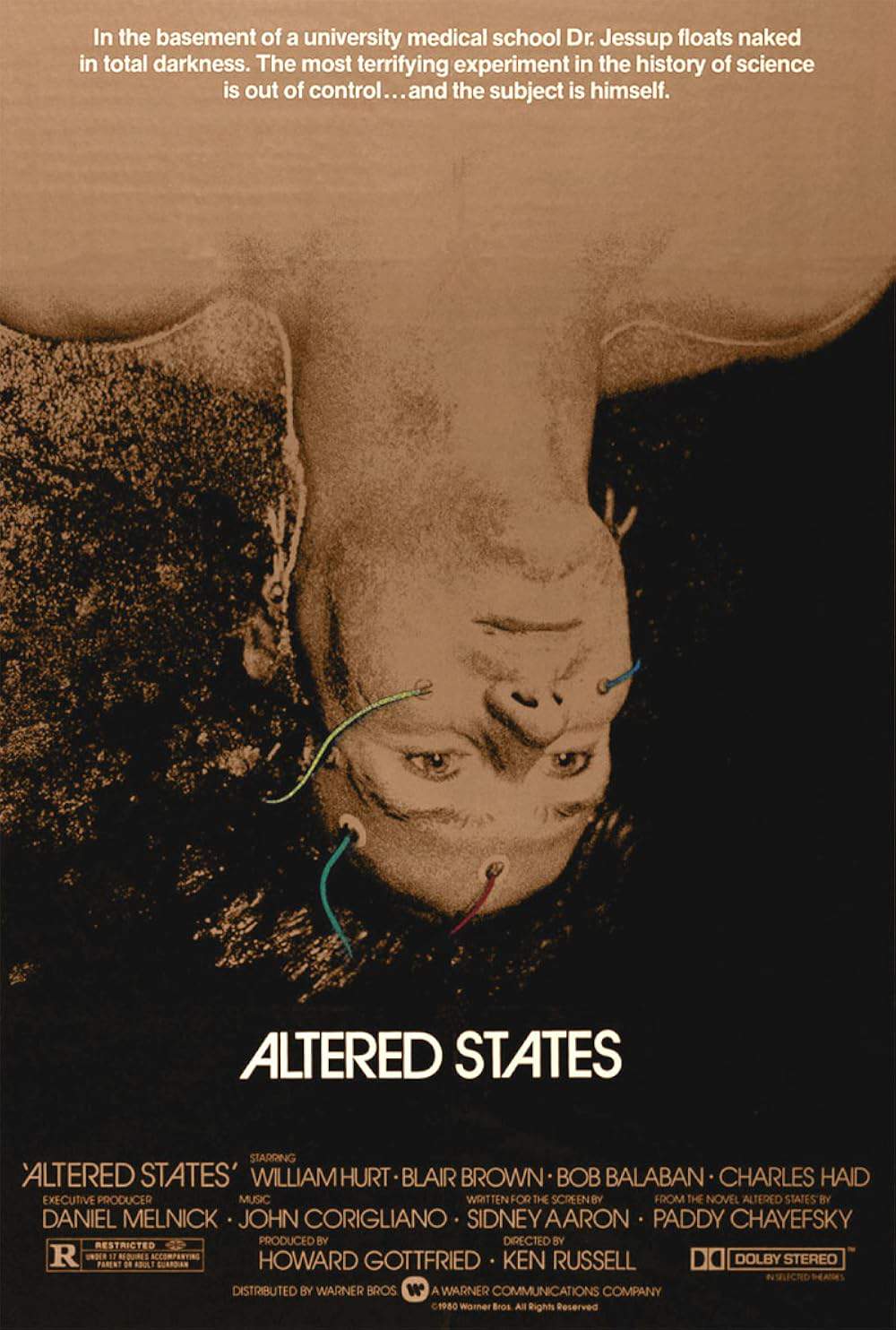
Altered States (1980) Spoiler-Packed Plot Recap
Psychopathia Sexualis (2006) Plot Summary & Ending Explained
Madhouse (1990) Plot Summary & Ending Explained
Sanitarium (2001) Ending Explained & Film Insights
Maniacal (2003) Movie Recap & Themes
Phobia (1980) Film Overview & Timeline
Disturbed (1990) Full Summary & Key Details
Psychophobia (1982) Ending Explained & Film Insights
Hysterical (1982) Full Summary & Key Details
A State of Madness (2020) Full Movie Breakdown
Horror Hospital (1973) Complete Plot Breakdown
Hysteria (1965) Movie Recap & Themes
Asylum (1997) Ending Explained & Film Insights
Schizo (1976) Complete Plot Breakdown