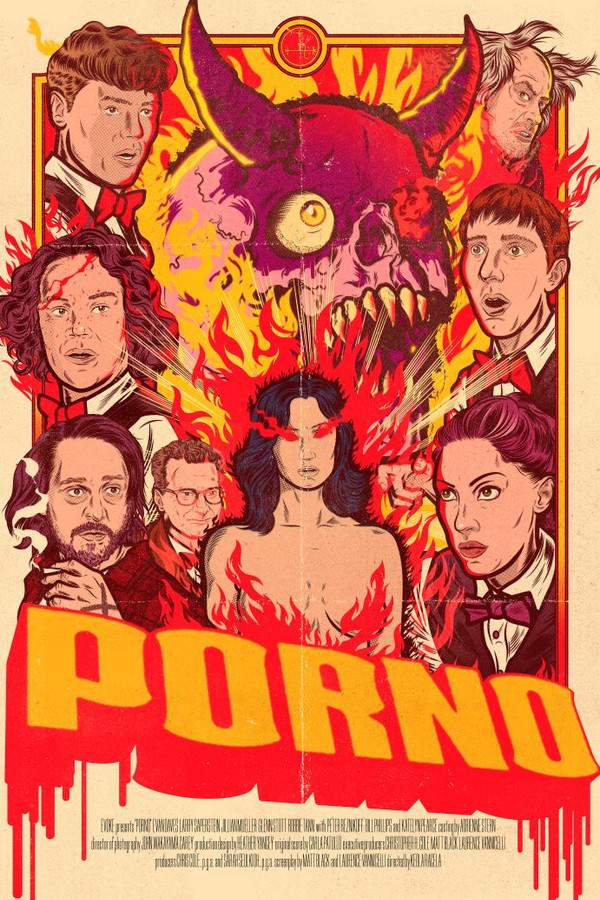
Set in the early 1990s, a tight-knit group of five teen employees from a small-town movie theater stumbles onto something that changes their after-hours routine. The day begins with two of the teens, Abe and Todd, standing outside a quiet suburban home and peering through a window to watch a couple share a private moment. When Todd worries they’ll get in trouble, the pair hops on their bikes and heads toward the theater where they work, hoping for a rare chance to unwind after a long shift.
Inside the theater, the mood shifts from casual camaraderie to a quieter, almost ritual moment. The group gathers in a makeshift prayer circle led by Mr. Pike, their boss, who reminds them they can have a movie night after they finish cleaning. The debate over what to watch lightens the tension: a light, nostalgic pick like A League of Their Own or a more offbeat choice like Encino Man. Their banter and banter-filled decision-making reveal the warmth and responsibility that comes with working late in a small town cinema.
A strange noise interrupts the routine. A frazzled, elderly man darts around near the screen, confusing the teens and raising a few alarm bells. He slips through a boarded-up opening in the lobby, which prompts the five to improvise a plan rather than immediately involve Mr. Pike. They descend together into a dim basement, where they uncover a room stacked with old tin cans of film reels—a forgotten cache hidden away from the bright marquee lights above.
Curiosity wins out when Abe retrieves one of the dusty reels and carries it back upstairs. The group, moved by a mix of curiosity and youthful bravado, votes to run the strange film for their late-night screening. One member, Heavy Metal Jeff, the projectionist, voices concern about the integrity of the aging projector, warning that the film might be too fragile to play. But his warning is overruled, and the projector hums to life as the film begins to roll.
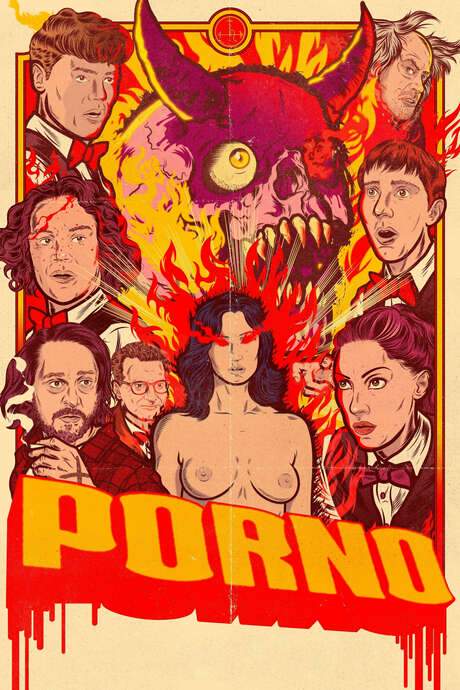
What unfolds is not a normal screening. The reel reveals a vintage, unsettling X-rated film that seems to awaken something dark and powerful. From the screen emerges a succubus, a figure named Lilith, who introduces an immediate and chilling challenge for the five teens as she begins to seduce each of them. The theater—quiet, familiar, and safe only moments before—suddenly becomes a maze of temptation and danger as they scramble to keep their wits about them and figure out a way to escape with their lives intact.
Lilith’s presence shifts the tone from mere mischief to a survival ordeal. Each encounter carries a mix of allure and menace, forcing the teens to confront their boundaries, trust, and the stubborn bond that kept them friends in the dim glow of the theater’s exit signs. The suspense builds as they move from one room to another within the faded, storage-filled backstage areas, trying to hold on to their sense of self while the supernatural threat looms closer.
Throughout the ordeal, the film’s eerie nostalgia sits alongside the practical concerns of the teens: keeping the theater from shutting down for the night, avoiding the eyes of the outside world, and navigating the complex dynamics of friendship when fear is in the air. The group’s resilience is tested as they confront the seductive danger and work together to outwit Lilith, seeking a way to close the night without losing themselves in the process.
In the end, what began as a casual late-night experiment turns into a tense fight for safety and autonomy. The five teens—each pushed to the edge by Lilith’s relentless pull—must decide how far they’re willing to go to sever the hold of the mysterious film and find their way back to the ordinary world beyond the theater doors. The story blends small-town warmth, teenage camaraderie, and a creeping dread that lingers long after the screen fades to black.