Year: 2009
Runtime: 100 mins
Language: Turkish
Director: Murat Saraçoğlu
The story of an exile man who came from Russia. He is the last descended of his family.
Warning: spoilers below!
Haven’t seen Piano Girl yet? This summary contains major spoilers. Bookmark the page, watch the movie, and come back for the full breakdown. If you're ready, scroll on and relive the story!
Read the complete plot breakdown of Piano Girl (2009), including all key story events, major twists, and the ending explained in detail. Discover what really happened, and what it all means.
In the wake of the Russo-Turkish War of 1877–1878, Russia extended its reach into eastern Anatolia, seizing part of the Kars Oblast. To quickly populate the newly controlled lands, Russians offered incentives to Spiritual Christians from Russia to resettle in the region. These settlers, known in Turkish as Malakan, formed a broad umbrella of Russian newcomers in the Caucasus and beyond.
Among the resettled families is Mişka, who runs the village’s water-powered grain mill after burying his brother. Now aging, he presides over the mill as the last in a line of old, steady operations, yet his livelihood is threatened by the rise of new electric mills that flood the market and undercut his traditional trade. In a bid to stay afloat, he even tries to sell apples to keep the household solvent, clinging to familiarity as economic pressures mount.
Opposing Mişka is the cranky old woman of the village, Popuç. She owns the store where Mişka owes money, and her resentment toward him is fierce. Flashbacks reveal a tender past between Mişka and Popuç, a youthful love that was thwarted by religious divisions when his Christian parents forbade an interfaith marriage. The film even uses a meta touch, showing the young versions of Mişka and Popuç performed by the actual children of the actors who play the older generation, underscoring the weight of history on present-day choices.
Şemistan, Popuç’s son, lives with his wife Figan and their three grandchildren, forming a bustling household that adds texture to the village’s dynamics. Yet it is Alma, the smallest and most wayward granddaughter, who stands out for her musical talent. Alma is warmly drawn to Mişka, who takes her under his wing, teaching her on his old piano and funding her education at the Kars music academy. Her gift for music becomes a bridge between generations, linking the old man’s past with the younger generations’ hopes, and setting the stage for revelations about long-held secrets.
The younger versions of the key figures appear in the backstory: Genç Popuç and Genç Mişka hint at what their lives could have been under different circumstances, while Esme adds another layer to the village’s tapestry with her own memory-filled presence. Another figure tied to the community is Mişka’nın Annesi, whose relationship to Mişka’s legacy is teased through emotion and memory.
As the story unfolds, Alma’s education and her music illuminate buried histories, encouraging two elderly people to confront their pasts and uncover hidden truths that have shaped the village for decades. When Mişka dies, Popuç experiences a shift in perspective, realizing that she is the only Muslim who knows how to properly bury a Christian Malakan, prompting a crucial, humane intervention that reframes her long-standing enmity.
Throughout the film, the bonds between generations are tested and renewed, with the older characters carrying the weight of history while younger ones carry the promise of reconciliation. The narrative weaves together the harsh realities of displacement, economic hardship, and cultural tension with intimate moments of music, memory, and care, painting a compassionate portrait of resilience. Alongside Mişka’s steadfast resolve and Popuç’s evolving heart, the village—its mill, its stores, and its schools—becomes a living archive where personal choices ripple outward, revealing how one community navigates a difficult past toward a more understanding future.
Last updated: February 17, 2026 at 19:56
Explore frequently asked questions about Piano Girl (2009) with spoiler-rich answers covering the full plot summary, major story beats, character motivations, hidden details, and ending meaning. This movie summary FAQ helps explain confusing scenes, plot twists, and narrative decisions in clear, searchable detail.
Popuç's hostility toward Mişka stems from their forbidden youth romance. Their families opposed the relationship due to religious differences, Mişka was Christian (Malakan) and Popuç was Muslim. This rejection in their youth hardened into decades of resentment, even though Mişka continued to love her. Her ownership of the village store where he owes money gives her power to express this long-held bitterness.
Flashbacks reveal that young Mişka and Popuç were deeply in love before their families tore them apart.
Mişka buried his brother, which is why he now runs the village's water-powered grain mill as the last person in his family line. The death of his brother left Mişka as the sole surviving heir of the Malakan family that settled in the region after the Russo-Turkish War.
The film opens with Mişka presiding over the mill after this loss, establishing his isolated status.
Mişka's water-powered grain mill faces extinction because new electric mills have opened in the area. These modern mills flood the market with cheaper grain processing, undercutting his traditional trade. To survive, he even tries selling apples, but the economic pressure represents the broader displacement of old ways of life in this changing frontier region.
The film establishes early that the mill's decline mirrors Mişka's fading influence and the village's shifting economic landscape.
Alma, the youngest and most wayward granddaughter of Popuç's son Şemistan, is drawn to Mişka because of her musical talent. He takes her under his wing, teaching her on his old piano and funding her education at the Kars music academy. This mentorship becomes a bridge between the elderly Mişka and the younger generation, eventually serving as the catalyst for uncovering buried secrets.
Alma's gift for music foreshadows her role as the conduit for reconciliation between the two old rivals.
After Mişka dies, Popuç undergoes a profound shift in perspective. She realizes she is the only Muslim in the village who knows how to properly bury a Christian Malakan according to their traditions. This act of performing the burial becomes her way of honoring their shared history and the love they once had, effectively closing the circle of division between their communities.
The revelation of their past romance and the weight of decades-long resentment make this act of compassion transformative.
The Malakan are Spiritual Christians from Russia who were invited to resettle in the Kars Oblast after the Russo-Turkish War of 1877–1878. Russia offered them incentives like land, military exemption, and tax relief to populate the newly seized eastern Anatolia territory. Mişka is a descendant of these settlers, making him part of a community that represents both cultural preservation and displacement.
The opening narration establishes this historical context as the foundation for the village's multicultural dynamics.
Alma's project to help two elderly villagers question their histories leads to revelations about Mişka and Popuç's past, their youthful romance, the family opposition due to religious differences, and how these events shaped their lifelong enmity. The uncovered truths give new weight to Alma's mentorship and challenge the accepted narratives of the village.
This revelation process is set in motion by Alma's musical investigation and her connection to both elders.
Mişka's water-powered grain mill represents the old way of life, tradition, heritage, and the fading Malakan presence in the region. Its decline due to modern electric mills mirrors Mişka's own mortality and the passing of an era. The mill is also a symbol of his stubborn pride and isolation as he clings to familiar ways despite overwhelming economic pressures.
The mill's struggles are established early, reinforcing the theme of displacement throughout the narrative.
The ending is bittersweet because Mişka's death is a genuine loss, he represents the last of his family line and a fading cultural heritage. However, his death becomes the catalyst for Popuç's emotional growth and her act of reconciliation by burying him properly. This transforms grief into a sense of peaceful closure, blending sadness with hope for understanding between divided communities.
Alma's role as a bridge between generations sets up this resolution from the beginning.
Discover curated groups of movies connected by mood, themes, and story style. Browse collections built around emotion, atmosphere, and narrative focus to easily find films that match what you feel like watching right now.
Stories where characters reconcile with the past across cultural divides.If you enjoyed the gentle, reflective mood of Piano Girl, you might like these movies exploring themes of exile, cultural differences, and quiet emotional healing. Discover similar stories where characters overcome past prejudices through meaningful connections.
Narratives in this thread typically follow a character, often an exile or outsider, who is burdened by a past secret or loss. Through a slow-burn connection with another character, they embark on a journey of reflection, uncovering buried memories and ultimately finding a path to reconciliation. The plot is driven by emotion and character development rather than high-stakes action.
These films are grouped together because they share a specific melancholic yet gentle tone, a slow, deliberate pacing that allows for reflection, and a core thematic focus on healing historical or cultural wounds. They offer a similar viewing experience of quiet emotional depth.
Where an unlikely bond helps uncover hidden pasts and heal old wounds.Fans of the mentorship dynamic in Piano Girl will appreciate these films about unlikely connections that reveal hidden pasts. Find similar stories of characters from different generations helping each other find closure and understanding.
The narrative pattern involves an aging character with a complex past and a younger character who enters their life. As their bond deepens, the younger character often helps the elder confront and unravel a secret or regret from their history. The story unfolds through quiet conversations and shared experiences, building towards a resolution that provides emotional closure, even if it's tinged with sadness.
These movies share a focus on the transformative power of intergenerational relationships. They combine a moderate narrative complexity, with secrets revealed through character interaction, with a medium emotional weight centered on themes of memory, regret, and the passage of time.
Don't stop at just watching - explore Piano Girl in full detail. From the complete plot summary and scene-by-scene timeline to character breakdowns, thematic analysis, and a deep dive into the ending - every page helps you truly understand what Piano Girl is all about. Plus, discover what's next after the movie.
Track the full timeline of Piano Girl with every major event arranged chronologically. Perfect for decoding non-linear storytelling, flashbacks, or parallel narratives with a clear scene-by-scene breakdown.
Discover the characters, locations, and core themes that shape Piano Girl. Get insights into symbolic elements, setting significance, and deeper narrative meaning - ideal for thematic analysis and movie breakdowns.
Discover movies like Piano Girl that share similar genres, themes, and storytelling elements. Whether you’re drawn to the atmosphere, character arcs, or plot structure, these curated recommendations will help you explore more films you’ll love.
Piano Girl (2009) Scene-by-Scene Movie Timeline
Piano Girl (2009) Movie Characters, Themes & Settings
Piano Girl (2009) Spoiler-Free Summary & Key Flow
Movies Like Piano Girl – Similar Titles You’ll Enjoy
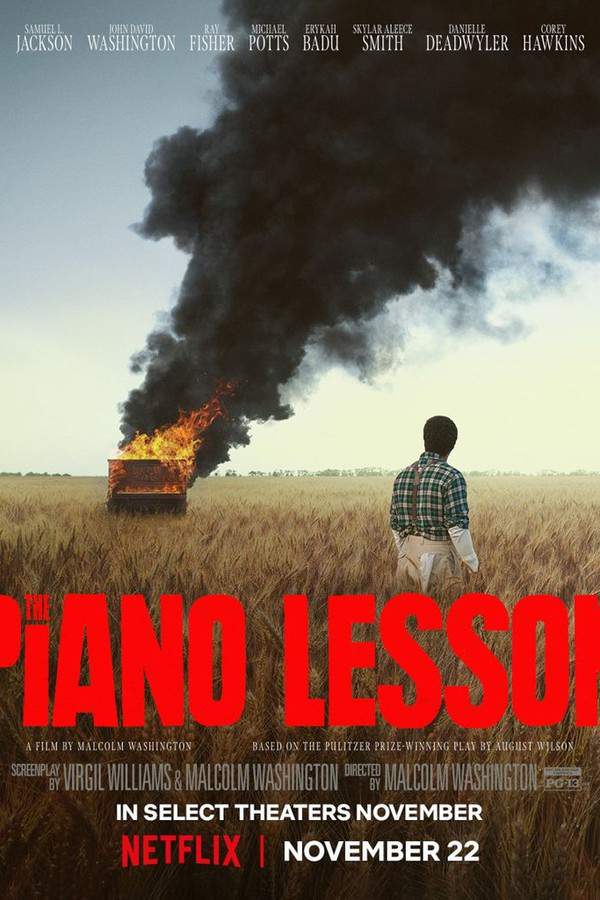
The Piano Lesson (2024) Plot Summary & Ending Explained
Hutsul Girl Ksenia (2019) Full Summary & Key Details
Jewboy (2005) Plot Summary & Ending Explained
Kuka (2007) Detailed Story Recap
Song of the Exile (1990) Plot Summary & Ending Explained
Piano Piano Kid (1991) Plot Summary & Ending Explained
Tale of the Siberian Land (1947) Detailed Story Recap
The Girl from Petrovka (1974) Detailed Story Recap
The Music Lovers (1971) Full Summary & Key Details
Other People’s Relatives (1956) Spoiler-Packed Plot Recap
An Unfinished Piece for Player Piano (1977) Full Summary & Key Details
Balalaika (1939) Movie Recap & Themes
Desire: The Tragedy of a Dancer (1921) Story Summary & Characters
Piano Piano (2022) Ending Explained & Film Insights
Melodies of a White Night (1976) Ending Explained & Film Insights