Pee Mak
Year: 2013
Runtime: 112 mins
Language: Thai
Director: Banjong Pisanthanakun
A celebrated love story unfolds between Mak and his wife, Nak, who happens to be a ghost. Mak’s friends are concerned for his well-being, but Nak is determined to overcome the barrier of her own passing and pursue a relationship with her beloved. This charming horror-comedy blends romance and supernatural elements in a unique and heartwarming tale.
Warning: spoilers below!
Haven’t seen Pee Mak yet? This summary contains major spoilers. Bookmark the page, watch the movie, and come back for the full breakdown. If you're ready, scroll on and relive the story!
Pee Mak (2013) – Full Plot Summary & Ending Explained
Read the complete plot breakdown of Pee Mak (2013), including all key story events, major twists, and the ending explained in detail. Discover what really happened—and what it all means.
In mid-19th-century Siam, under King Mongkut and the height of the Rattanakosin Dynasty, a soldier named Mak is drafted to war, leaving behind his pregnant wife Nak in the town of Phra Khanong, not far from central Bangkok. The conflict leaves Mak wounded and sent to a medical camp, where he befriends fellow soldiers Ter, Phuak, Shin, and Ae after he saves them from certain death. Back home, Nak faces a painful labor, calling out for help that never fully reaches her. Rumors swirl through the village that Nak has died in childbirth and returned as a formidable ghost, her lullabies haunting the house and terrifying the neighbors. The stage is set for a haunting misunderstanding that becomes the spine of the story.
When Mak and his comrades finally return at night, they find Phra Khanong eerily quiet, and Mak introduces Nak to his friends in the family home. With nightfall making travel impossible, the men decide to stay. The next day, they visit the village market and are met with fear and superstition—an ominous mood that threatens to eclipse reason. A local drunk loudly warns of danger, only to be hushed by his own son. Shin notices troubling details that others dismiss: the house is a dilapidated ruin, a baby cot rocks by itself, and Nak extends her arm to retrieve a dropped lime from beneath the house, a grotesque sign that chills him to the core. The next day, Ter discovers a decomposed corpse behind the house wearing the same ring Nak is said to have worn, and the drunk villager is found drowned as if in punishment from an unseen hand. The four friends grow convinced that Nak has become a ghost.
What follows is a tense test of belief. The group tries several tricks to shake Mak from his loyalty to Nak, including a game of charades that leaves them trembling and close to violence at Nak’s hands. Mak stubbornly defends his wife, and the others are pushed away as he declares their friendship is over. The thin fabric of trust strains to its breaking point as the lovers attempt a date in town—an outing that turns perilous when the past starts clawing its way back into the present. Their plan to pull Mak away from Nak nearly succeeds when the four friends kidnap him, only for Nak to notice and give chase. The moment of danger escalates when Mak’s wartime wound reopens, and Shin and Ter become convinced that Mak is the ghost.
A desperate chase across water further complicates the truth. In a tense escape on a boat, Mak accidentally sinks into a moment of near-drowning as cramps seize him, and the others realize that ghosts do not bleed or cry out in pain from holy rice. The group’s fear shifts when a ring identical to the one found behind the house is dropped by [Ae], exposing a grim twist: [Ae] was not a supernatural threat, but a man who had stolen the ring to fund his gambling. Nak appears to be the living threat to their fragile sense of reality, and a shocking revelation follows: the group has misread the signs, and Mak’s screams during the assault with holy rice reveal fear, not a ghostly transformation.
The truth comes into sharper focus as the living and the dead collide. The quartet, now stranded on the water without paddles, is guided by Nak—whose presence is both terrifying and undeniably real. The rescue is chaotic, and the river test seals the moment: a scene within a temple where the monks and their enchanted safety ring provide a temporary shield against Nak’s ghostly assault. The ring is eventually lost, the monk forced to flee, and Nak’s ghostly persona is clarified—not in the way the friends believed, but through Mak’s quiet courage. The moment of reckoning arrives when Mak reveals that he had suspected Nak’s true nature all along; a glance between them confirms his suspicions, but his fear of life without Nak is greater than any dread of the dead. The lovers’ tears and the friends’ resolve culminate in a heartfelt reconciliation, with a vow to remain loyal and never abandon one another again.
The film then folds in a poignant memory: Mak and Nak’s first meeting. This flashback deepens the emotional stakes and gives depth to their bond, illustrating a love built on shared hardship and unspoken trust. The conclusion carries a gentle, almost folkloric warmth. In the final scenes, the village breathes with a renewed sense of community: Mak and Nak live together with their four friends, and Nak uses her supernatural abilities in practical, benevolent ways. She helps with chores, participates playfully in charades to help Mak win, and even guards the town’s haunted house against those who would drive the newly unified family away. Their child, Dang, inherits some of Nak’s gifts, signaling that the family’s supernatural bond may endure through the next generation.
What makes this tale linger is its balance of fear and affection, superstition and love. The film crafts a slow-burn tension—part ghost story, part wartime romance—set against a richly textured backdrop of 19th-century Siam. The ensemble of Mak, Nak, and their friends—Ter, Phuak, Shin, and Ae—together navigate fear and loyalty, uncovering the truth about love, life, and what lingers when the living and the dead share a single home. The closing credits close on a hopeful note: a village that has learned to live with the past, a marriage strengthened by adversity, and a future in which supernatural gifts become tools for warmth and community rather than terror.
Last Updated: October 01, 2025 at 10:23

Explore Movie Threads
Discover curated groups of movies connected by mood, themes, and story style. Browse collections built around emotion, atmosphere, and narrative focus to easily find films that match what you feel like watching right now.
Supernatural Romances with a Heart like Pee Mak
Love stories where the biggest obstacle is the boundary between life and death.Discover movies like Pee Mak that explore unconventional love stories with supernatural elements. If you enjoyed the heartfelt romance between Mak and Nak, you'll find similar tales of love overcoming supernatural barriers in these films.






Narrative Summary
Stories in this thread follow a central romance where one or both lovers exist in a supernatural state, such as being a ghost or spirit. The narrative typically involves overcoming the challenges of this condition, testing the couple's devotion, and often finding a bittersweet but hopeful resolution that acknowledges the unusual nature of their bond.
Why These Movies?
Movies are grouped here for their core focus on a romance that defies natural laws. They share a unique tone that balances genuine warmth and affection with supernatural tension, creating an emotionally engaging experience that is both uplifting and wistful.
Stories of Loyalty Tested by Supernatural Suspense like Pee Mak
A group of friends must stick together when faced with an unsettling supernatural threat.Find more movies like Pee Mak where a group of friends grapple with fear and suspicion due to a supernatural presence. These films explore themes of loyalty, friendship, and the bonds that hold people together when faced with the unknown.

Ghost Team
2016

Keeping the Faith
2000
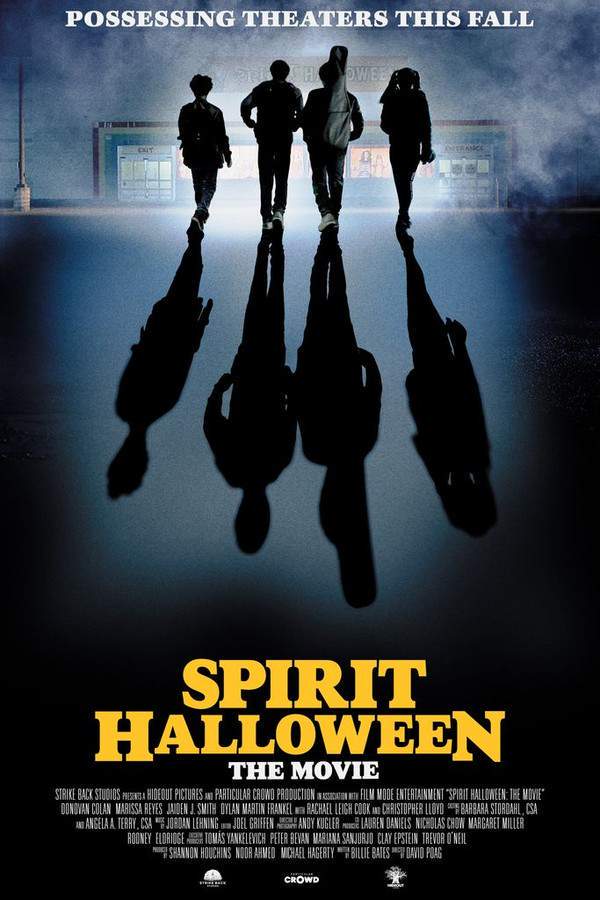
Spirit Halloween: The Movie
2022
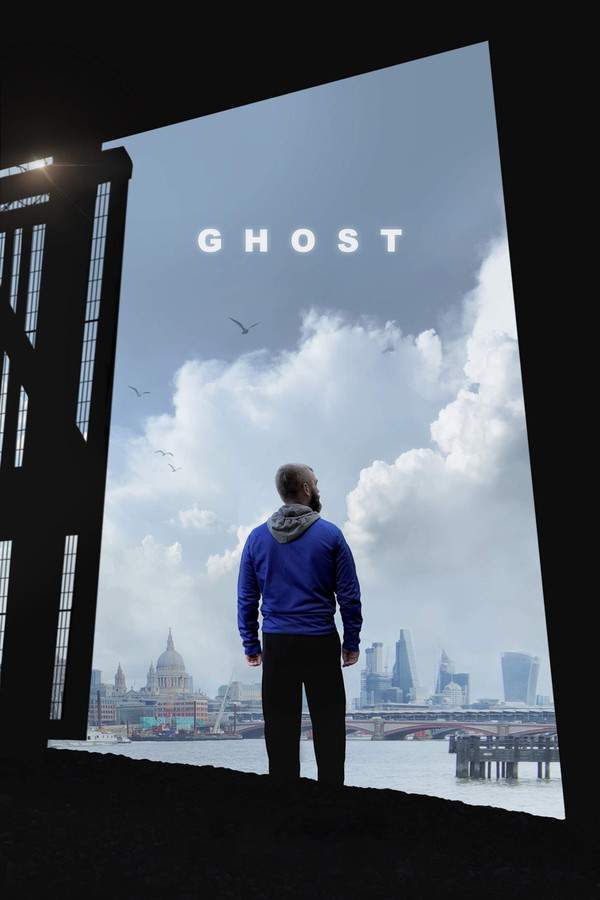
Ghost
1990

Suburban Gothic
2015

Sarah Landon and the Paranormal Hour
2007

Friendship!
2010

In Ghost House Inn
2010

Such Good People
2014

Seniors
2011

A Haunting at Silver Falls
2013

Haunted Mansion
2015

Dinner with Friends
2001
Solstice
2007

Tower of Terror
1997
Narrative Summary
The narrative pattern involves a group of characters, often friends or family, who discover a supernatural element in their midst. The story unfolds as they investigate the phenomenon, dealing with mounting fear and suspicion that threatens to tear them apart, ultimately culminating in a revelation that tests and often strengthens their bonds.
Why These Movies?
These films are connected by their central conflict: the strain a supernatural mystery places on interpersonal relationships. They blend suspenseful sequences with character-driven drama, creating a steady pace where the emotional stakes of friendship are as important as the supernatural threat itself.
Unlock the Full Story of Pee Mak
Don't stop at just watching — explore Pee Mak in full detail. From the complete plot summary and scene-by-scene timeline to character breakdowns, thematic analysis, and a deep dive into the ending — every page helps you truly understand what Pee Mak is all about. Plus, discover what's next after the movie.
Pee Mak Timeline
Track the full timeline of Pee Mak with every major event arranged chronologically. Perfect for decoding non-linear storytelling, flashbacks, or parallel narratives with a clear scene-by-scene breakdown.

Characters, Settings & Themes in Pee Mak
Discover the characters, locations, and core themes that shape Pee Mak. Get insights into symbolic elements, setting significance, and deeper narrative meaning — ideal for thematic analysis and movie breakdowns.