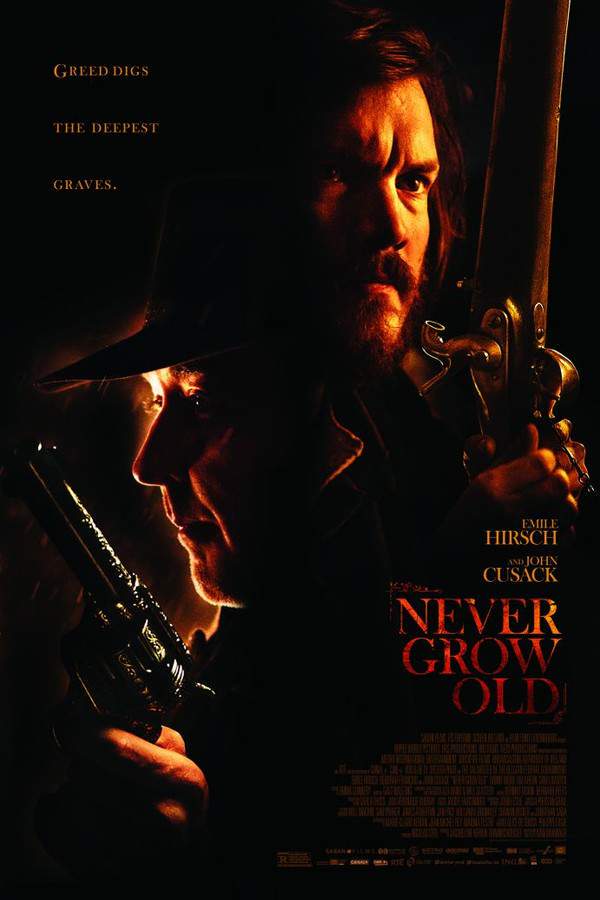
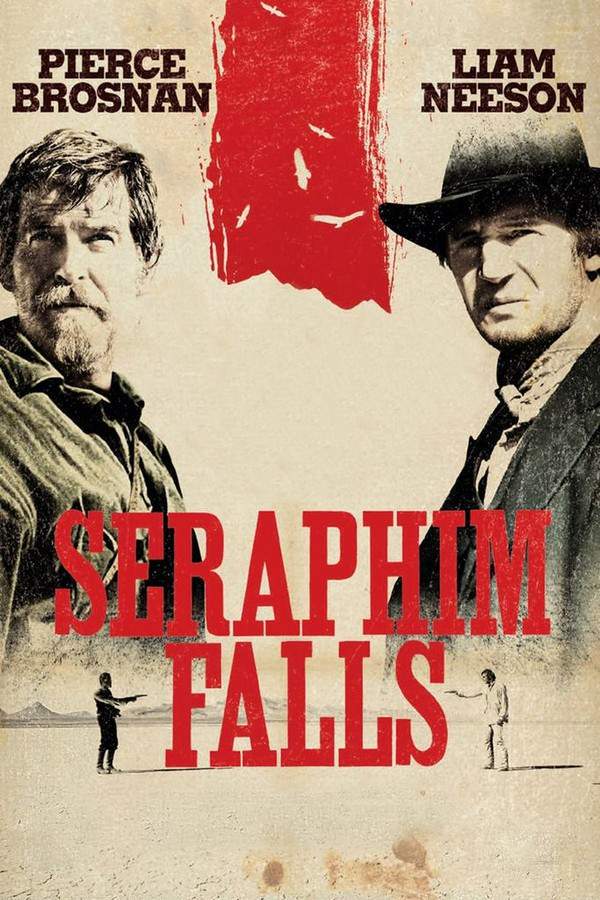
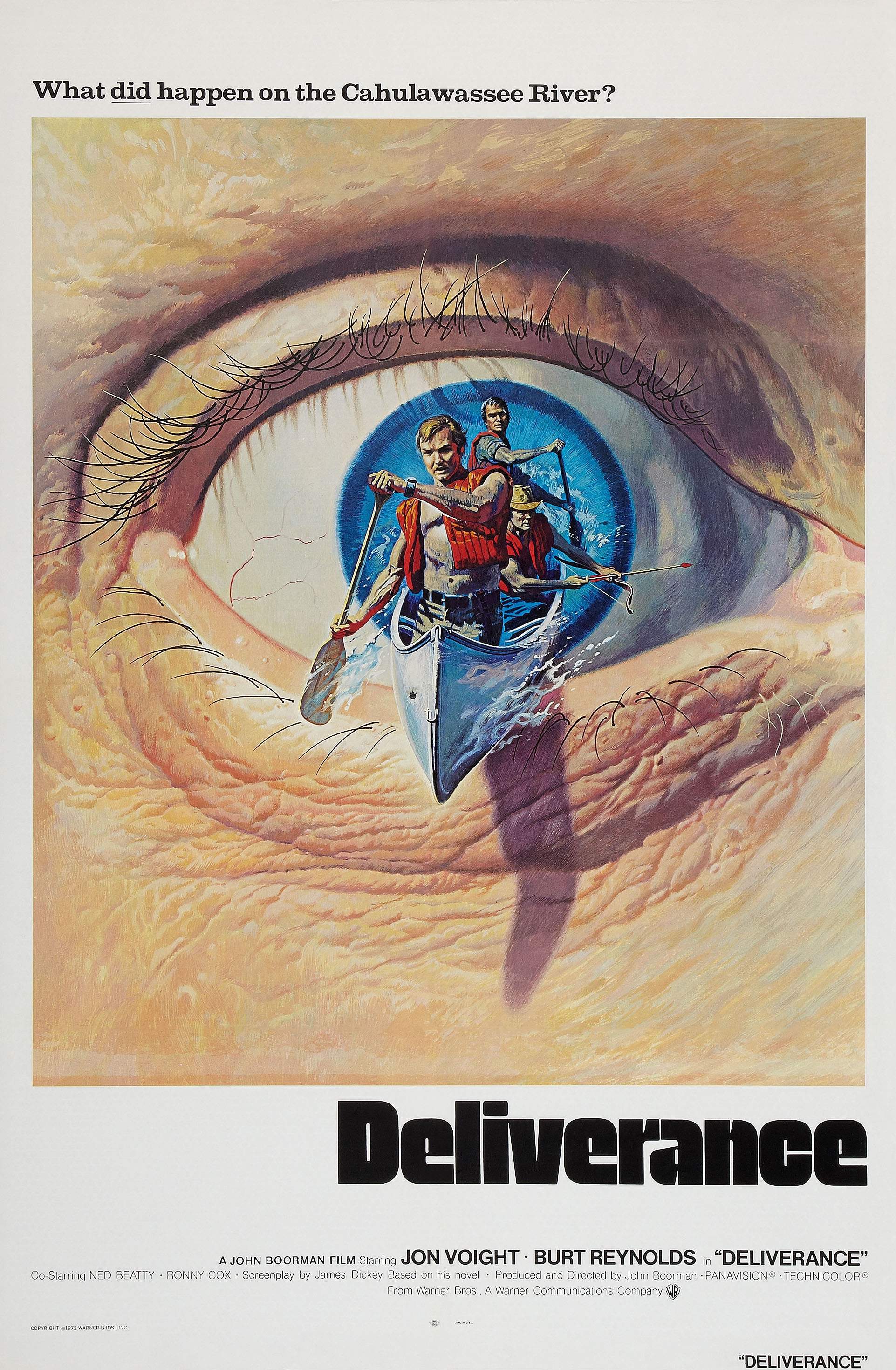
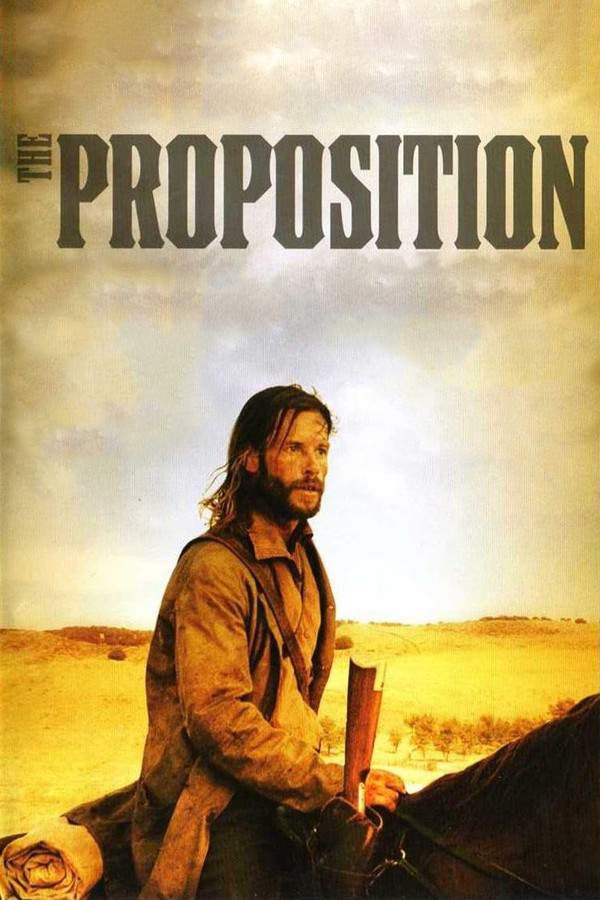
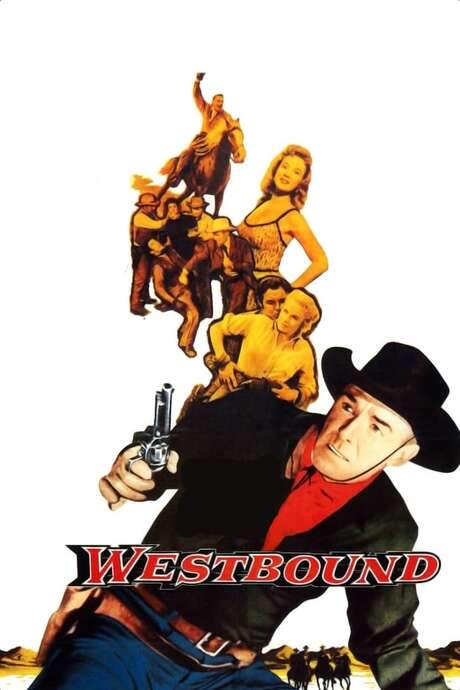
Six convicts, led by [Pete Black](/ actor/john-payne), escape a Utah prison and intercept a California-bound wagon train, abruptly interrupting a child’s funeral and shattering the ceremony with their demand that the wagons leave at once. The intrusion sends shockwaves through the parade of travelers and stirs a charged mix of fear, anger, and resolve along the road ahead. Among the travelers, Rose Billings stands out in a black dress, burying her father’s memory as the gang’s glare sweeps the procession, instantly making her a focal point of the danger they bring. The wagon train’s organizer, Jacob Karns, a preacher who hopes to marry Rose, weighs the risk and decides that keeping the peace and moving forward is the wiser path, at least for the moment.
Curly, one of the escapees, tries to press his own line with Rose, and his flirtation ends in a harsh lesson as he is whipped by Pete. The tension between the odds of survival and the allure of control threads through every exchange, with Rose’s dignity and Karns’s steady leadership acting as counterweights to the convicts’ growing audacity. As the group travels, a fork in the trail becomes a crucible: Pete pushes for a faster, more dangerous route, betting on speed over caution, while the storm-driven landscape—dust in the air, rain pounding down—tests everyone’s resolve. A cow’s death foreshadows tragedy: without milk, a baby dies, and the caravan’s fragile balance teeters on the edge of collapse.
Amid the harsh weather and hard choices, Rose changes out of mourning clothes for a frilly outfit, a small act that rekindles Pete’s interest and draws a renewed confrontation with Karns, who steps in to defend Rose and to challenge the men’s coercive power. In a stark moment, Curly redeems nothing—he mortally wounds Pete by gunfire and steals from the travelers, leaving Karns and Rose to tend to Pete’s wound with surprising compassion, even as the wounded man surveys the fallout with a heavy, quiet guilt.
Karns, never shying away from the darker corners of his own past, confesses that he once lived a wild life, a life that Pete now mirrors, and he urges the wayward man to seek a different path, appealing to a sense of duty that might still redeem something of their broken lives. The fugitives finally reach a town and uncover gold hidden in a cave, a discovery that unleashes a new, corrosive greed among the group. As gunfire erupts, the fever of greed consumes them all, and Pete, weary and haunted by what they’ve become, triggers a dynamite charge to bury his own gang—and himself—into a final oblivion, ending the escape with a grim, merciful cut to the chase.
In the end, the journey exposes a stark map of human longing: a desperate bid for freedom collides with the temptation of wealth, and loyalty strains against fear, pride, and the sense of inevitability that comes with a life spent on the edge. The film pulls hard on themes of redemption and ruin, painting a somber portrait of frontier grit where every choice carries a heavy price and where mercy and retribution often ride in tandem to seal fate on a dusty, rain-swept trail.