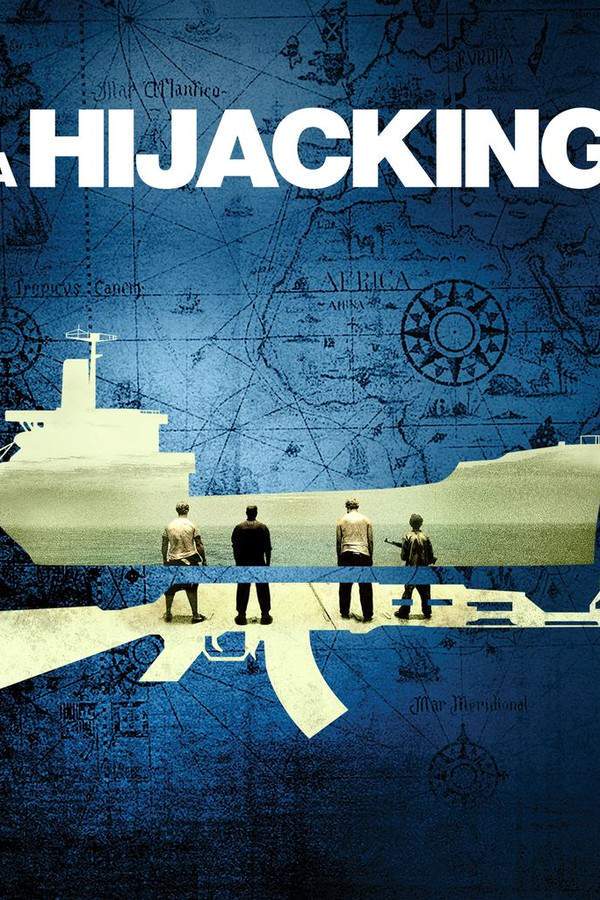
A Hijacking

A Danish cargo ship is seized by Somali pirates, initiating a tense hostage situation. The crew finds themselves caught in a dangerous standoff as the pirates demand a hefty ransom. Authorities in Copenhagen race against time to negotiate the ship's release, while the crew endures a harrowing ordeal at sea, facing escalating threats and uncertainty. The situation becomes a perilous game of strategy and survival.
Where to Watch A Hijacking?
Find where to stream, rent, or buy A Hijacking (2013) in the US with current JustWatch availability, up-to-date pricing, and platform listings for subscription, rental, and digital purchase options.











Streaming availability powered by 
Warning: spoilers below!
Haven’t seen A Hijacking yet? This summary contains major spoilers. Bookmark the page, watch the movie, and come back for the full breakdown. If you're ready, scroll on and relive the story!
A Hijacking (2013) – Full Plot Summary & Ending Explained
Read the complete plot breakdown of A Hijacking (2013), including all key story events, major twists, and the ending explained in detail. Discover what really happened, and what it all means.
As Mikkel Hartmann, the cook aboard the Danish merchant ship Rozen, anxiously awaits his upcoming reunion with his wife and child, he finds himself caught in a dire situation when the ship’s engineer, Jan Sørensen, asks him to deliver a letter to his family. Back in Denmark, a representative named Lars Vestergaard is caught in a high-stakes game of sealing a vital deal with Japanese businessmen. Desperate for assistance, he consults Peter Ludvigsen, the CEO, who eventually manages to secure the agreement. Unfortunately, their moment of triumph is abruptly overshadowed by alarming news: the Rozen has been overtaken by pirates in the treacherous waters of the Indian Ocean.
Amidst the chaos of the hijacking, Hartmann is coerced at gunpoint to prepare a meal for his captors, while automatic gunfire echoes around them, keeping all hostages in a state of constant dread. Determined to ensure the safe return of his crew, Ludvigsen engages the services of Connor Julian, an adept Australian hostage negotiator famed for his tactical skills in confronting pirate threats. Although Julian suggests employing a neutral third party for better negotiation, Ludvigsen is resolute in addressing the issue directly himself.
The first contact with the pirates occurs when Omar, a Somali who claims to be a translator taken hostage, urges Hartmann to reach out to Ludvigsen. However, Ludvigsen dismisses the communication and cuts the call short. Unyielding, Omar takes the initiative to convey the pirates’ demands, which leads to Ludvigsen’s initial counter-offer—a number so absurdly low that it signals a daunting negotiation ahead.
As the days unfold slowly, the pirates occasionally bestow upon their hostages certain privileges, such as bathroom access. Hartmann and Sørensen attempt a friendly rapport with one of their captors, only to experience humiliation when their gestures go unreciprocated. With provisions beginning to run low, Hartmann becomes increasingly frustrated, prompting Omar to cut off contact for resupply and demand that Hartmann reach out to Ludvigsen again. Yet, Ludvigsen refuses to communicate through Hartmann, leaving the crew hanging in uncertainty.
The tense negotiations progress at a snail’s pace, with Omar expressing disbelief over Ludvigsen’s unyielding low offers, cautioning that this ongoing impasse can only lead to further suffering and potential death if a realistic agreement isn’t struck promptly. The pressure of these demands weighs heavily on Ludvigsen, culminating in an emotional outburst directed towards his concerned girlfriend. As the situation spirals out of control, the fate of the Rozen crew rests in the balance.
When the pirates finally allow the hostages some time on deck, Hartmann seizes a rare moment of hope, reeling in a large catch that elicits cheers from both captives and captors. The atmosphere is enlivened by the rhythmic chants of sea shanties, evoking the spirit of the ocean itself. In a touching moment of connection, Hartmann shares that it’s his daughter’s birthday, triggering a spontaneous group rendition of “Happy Birthday to You.” Later on, Omar grants Hartmann a fleeting reunion with his wife Maria, which is abruptly cut short by an aggressive pirate, who demands that she pressure Ludvigsen for compliance with their demands. The response from Ludvigsen only invites more ridicule from the pirates.
As the impasse continues, Ludvigsen feels isolated and increasingly frustrated, especially as he becomes detached from Julian’s advice. When Omar warns that violence might soon ensue among the pirates, a gunshot rings out, deeply unsettling Ludvigsen as he contemplates his own responsibility in Hartmann’s safety. The pressure escalates as the board of directors, unhappy with the stalled negotiations, threatens to replace Ludvigsen unless he can finalize an agreement before the end of the month.
Amid this turmoil, Ludvigsen receives a fax from the pirates, compelling him to seek proof of Hartmann’s continued survival. Sørensen’s subsequent disclosure reveals the harrowing treatment Hartmann has endured—an unrelenting mix of psychological and physical abuse, leaving him emotionally raw. As negotiations renew, Ludvigsen proposes an amount of $2.8 million, but Omar rejects it outright. Vestergaard suggests enhancing the offer by pretending to include his own funds, eventually persuading Omar to accept.
Onboard the ship, Omar gathers all the hostages on deck, allowing them to reunite for the first time since their ordeal began. A plane flies overhead, releasing a package that sends waves of excitement through the pirates as they eagerly retrieve it. As tension declines, Hartmann finally regains possession of his wedding ring, which he had concealed when the pirates attacked. However, the jubilance is short-lived when one of the pirates snatches the ring away, only to be struck down by Omar in an act of discipline.
In the aftermath, Sørensen breaks down in tears over the fallen captain’s body, while Omar reprimands the errant pirate for his recklessness. Back in Denmark, Ludvigsen faces the heartbreaking task of informing the captain’s widow of the tragic outcome, leaving him reeling from the enormity of the situation. As Hartmann finally embraces his family once more, he appears emotionally detached, still wrestling with the profound psychological scars left by his harrowing experiences at sea.
Last updated: November 22, 2024 at 15:18
A Hijacking (2013) Plot Questions Answered – Summary FAQ
Explore frequently asked questions about A Hijacking (2013) with spoiler-rich answers covering the full plot summary, major story beats, character motivations, hidden details, and ending meaning. This movie summary FAQ helps explain confusing scenes, plot twists, and narrative decisions in clear, searchable detail.
Why did Ludvigsen refuse to communicate with the pirates through Hartmann?
Ludvigsen initially refused to communicate through Hartmann because he wanted to handle negotiations directly himself, believing the company should manage the crisis without intermediaries. He also dismissed Omar's first contact, cutting the call short when Omar claimed to be a translator. This refusal created a dangerous impasse that prolonged the hostages' suffering and led to the pirates' escalating threats.
Why did the pirates reject Ludvigsen's first ransom offer?
Ludvigsen's initial counter-offer was so absurdly low that it was essentially an insult to the pirates, signaling he was not taking the negotiations seriously. Omar warned that this standoff would only lead to further suffering and potential death if a realistic agreement wasn't reached. The lowball offer prolonged the crisis and increased tension aboard the ship.
Why was Hartmann chosen as the contact person between the pirates and the company?
Omar specifically approached Hartmann to act as the intermediary because he was the cook, a role that allowed him to move around the ship more freely during the hijacking. Hartmann had already been coerced into preparing meals for the pirates at gunpoint, making him a visible and accessible figure. The pirates needed someone to relay messages and pressure the company, and Hartmann became their link to Ludvigsen.
What caused the negotiations to stall for so long?
The negotiations stalled primarily because Ludvigsen insisted on handling everything directly himself, rejecting Connor Julian's suggestion to use a neutral third party. Additionally, Ludvigsen made unrealistically low offers that the pirates immediately rejected. The board of directors also pressured Ludvigsen, threatening to replace him if he couldn't finalize an agreement, adding further complications.
What happened to the ship's captain during the hijacking?
The captain was killed by the pirates themselves. When one of the pirates disobeyed Omar's orders and snatched away Hartmann's wedding ring, Omar struck the pirate down in an act of discipline. This violent incident occurred after the hostages were gathered on deck for a reunion, and it deeply affected Hartmann and Sørensen, marking a turning point in the captivity.
How was the final ransom amount agreed upon?
After receiving a fax from the pirates demanding proof of survival, Ludvigsen proposed $2.8 million, but Omar rejected it outright. Vestergaard then suggested enhancing the offer by pretending to include his own personal funds, a psychological tactic that eventually persuaded Omar to accept. This creative approach helped break the deadlock and secure the hostages' release.
Why was Hartmann emotionally detached when he finally returned home?
Hartmann suffered severe psychological trauma from months of captivity, including relentless physical and psychological abuse inflicted by the pirates. Sørensen had disclosed the full extent of the mistreatment Hartmann endured while negotiations stalled. Although he survived and reunited with his family, the profound emotional scars left him unable to reconnect normally, illustrating the lasting psychological impact of the ordeal.
Why did Omar kill one of his own pirates?
Omar killed one of the pirates for disobeying his orders. After the hostages were allowed on deck for a reunion and supplies were dropped by plane, one pirate impulsively snatched Hartmann's wedding ring away. Omar viewed this reckless behavior as a violation of discipline and struck the pirate down, demonstrating his control over the group even as tensions escalated.
What did the fax from the pirates contain?
The fax from the pirates demanded proof that Hartmann was still alive, compelling Ludvigsen to take the negotiations more seriously. This demand heightened the urgency of the situation and prompted Ludvigsen to propose a higher ransom amount. The fax represented a turning point where the pirates escalated their pressure after prolonged stalemate.
Why was Connor Julian's advice ignored during the negotiations?
Ludvigsen became increasingly isolated and detached from Julian's advice as the negotiations progressed. Rather than using Julian's suggested methods, including employing a neutral third party, Ludvigsen insisted on handling everything directly himself. This decision alienated the experienced negotiator and contributed to the prolonged stalemate.
What was the significance of Hartmann catching a fish during the hijacking?
When the pirates allowed the hostages some time on deck, Hartmann caught a large fish, which briefly lifted the spirits of both captives and captors. The moment provided a rare respite from the constant dread, with sea shanties sung and even a spontaneous group rendition of "Happy Birthday" when Hartmann mentioned it was his daughter's birthday. This scene highlighted the human moments that persisted despite the dire circumstances.
Why did Omar warn that violence might soon ensue among the pirates?
Omar warned Hartmann that the pirates might resort to violence because the prolonged negotiation impasse was causing frustration within the pirate group. The escalating tension from Ludvigsen's low offers and the lack of progress created a dangerous situation where internal violence became a real possibility. This warning heightened the stakes and reflected the deteriorating conditions aboard the ship.
Why did the board of directors threaten to replace Ludvigsen?
The board of directors threatened to replace Ludvigsen because the negotiations had stalled for weeks with no resolution in sight. They demanded that he finalize an agreement before the end of the month, putting immense pressure on him to secure the crew's release. This corporate pressure added to Ludvigsen's isolation and emotional burden during the crisis.
Why was Hartmann's phone call with his wife cut short?
Omar granted Hartmann a fleeting reunion with his wife Maria by phone, but an aggressive pirate demanded that she pressure Ludvigsen for compliance with their demands. When Maria tried to do so, Ludvigsen's response only invited more ridicule from the pirates, and the call was abruptly terminated. This moment underscored the pirates' manipulation of the hostages' emotions to gain leverage in negotiations.

Explore Movie Threads
Discover curated groups of movies connected by mood, themes, and story style. Browse collections built around emotion, atmosphere, and narrative focus to easily find films that match what you feel like watching right now.
Hostage Negotiation Thrillers like A Hijacking
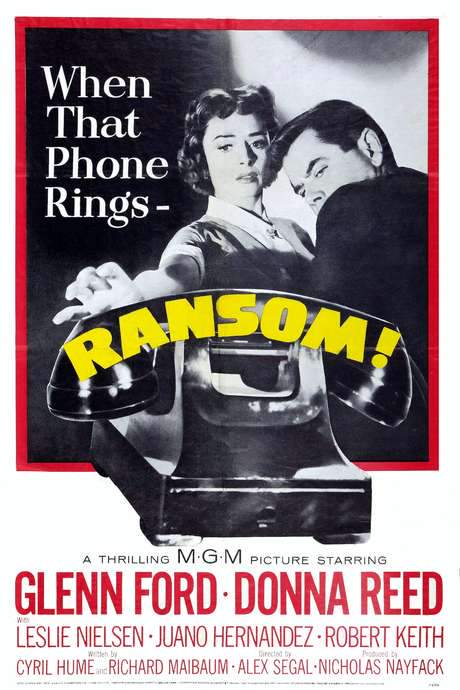
Films that dissect the tense, protracted process of life-or-death bargaining.Discover movies similar to A Hijacking that focus on tense hostage crises and high-stakes negotiations. If you liked the strategic duel and psychological pressure in A Hijacking, you'll find these films share a similar harrowing and claustrophobic feel.


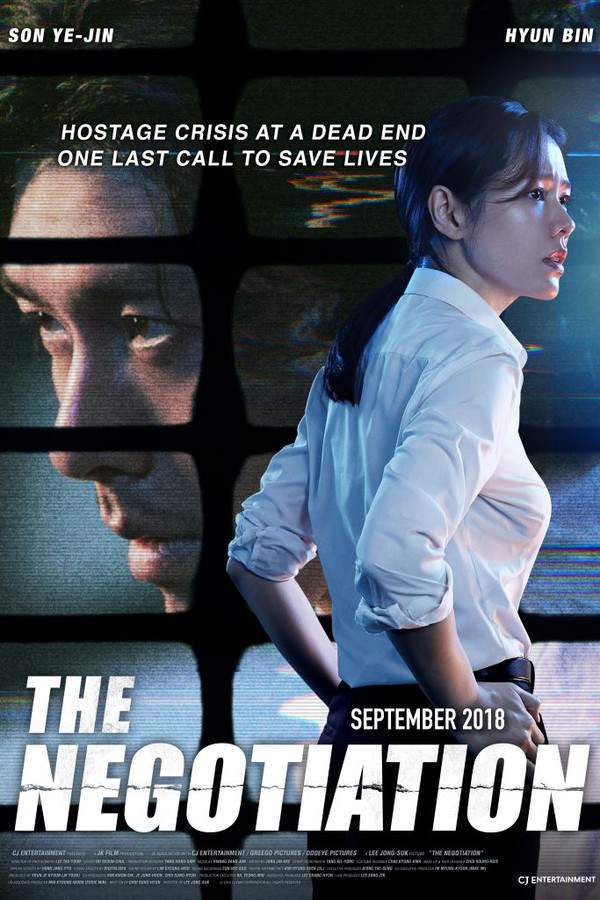
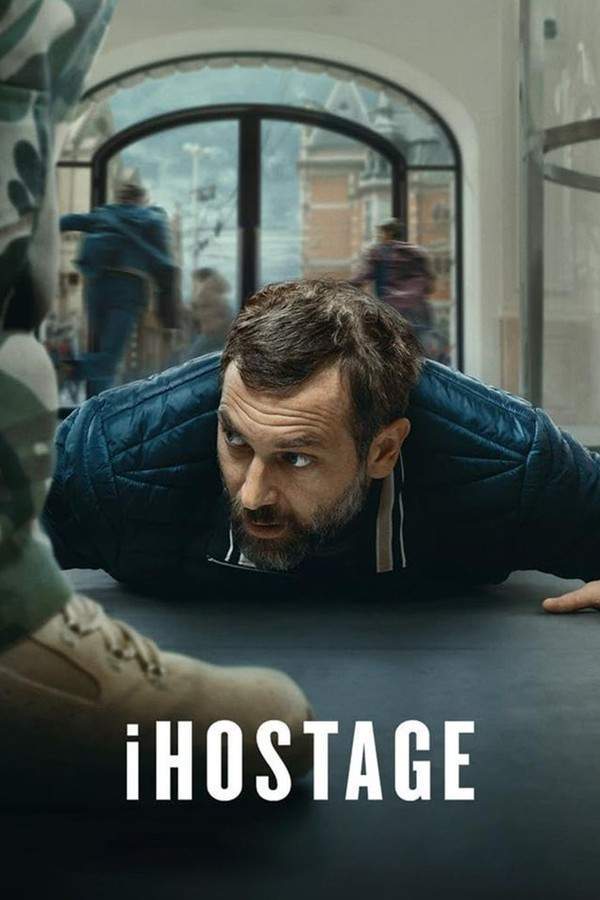



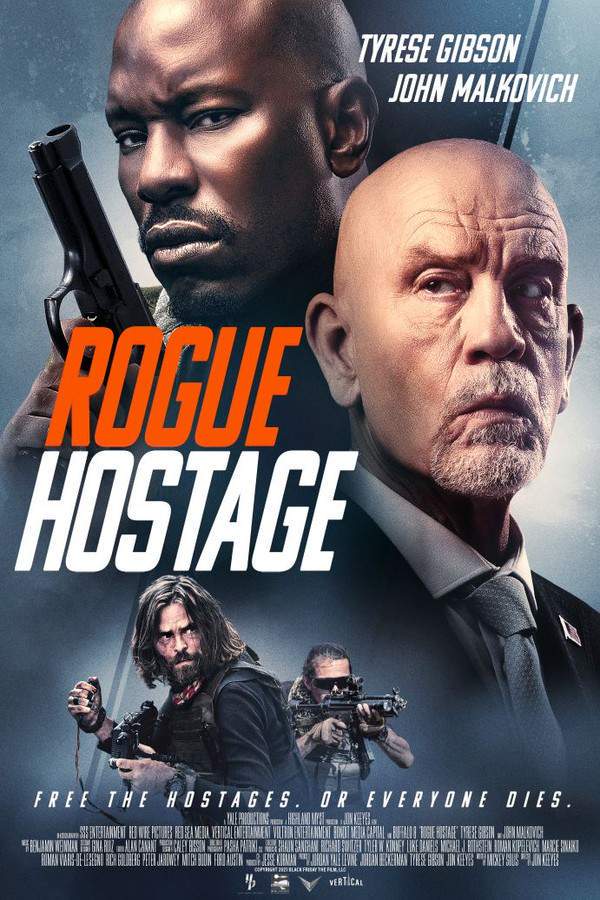






Narrative Summary
These stories typically follow a dual or multi-perspective structure, alternating between the captives enduring a harrowing ordeal and the negotiators working against the clock. The narrative is driven by deadlines, escalating threats, and the moral cost of bartering for human lives.
Why These Movies?
Movies in this thread are grouped by their shared premise of a hostage situation, their intense focus on negotiation as a central plot mechanism, and their ability to generate prolonged, claustrophobic tension. They explore themes of corporate or institutional responsibility, survival, and psychological trauma.
Claustrophobic Psychological Dramas like A Hijacking
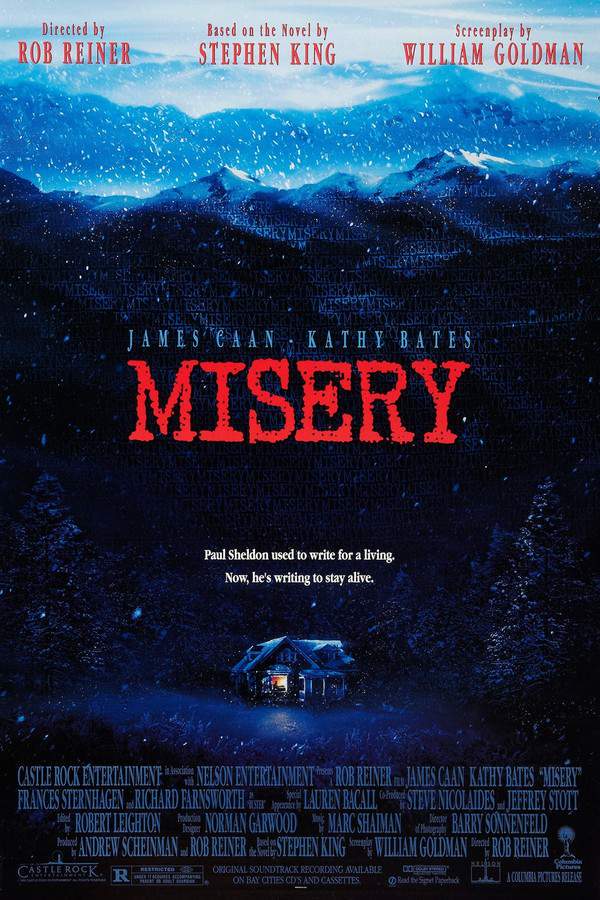
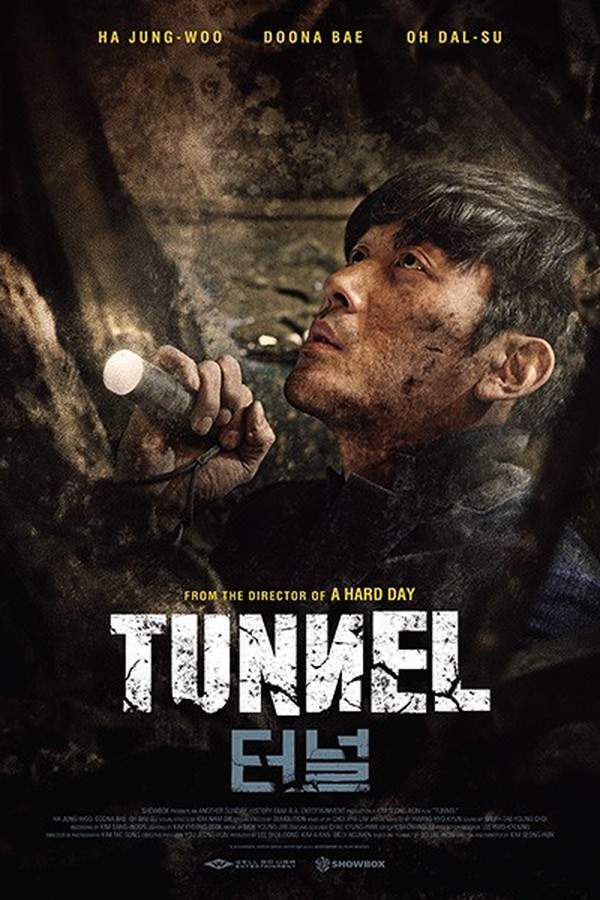
Stories of characters trapped in unbearable pressure, facing psychological decay.Find movies like A Hijacking that capture a feeling of intense claustrophobia and psychological unraveling. These similar stories focus on characters trapped in unbearable situations, dealing with heavy emotional trauma and a bleak, unsettling atmosphere.












Narrative Summary
The narrative pattern involves placing ordinary individuals in an inescapable, high-pressure environment. The plot charts their psychological deterioration, their strategies for coping, and the lasting scars of their trauma, often concluding with a bittersweet or bleak resolution that emphasizes survival at a great cost.
Why These Movies?
These films are united by their overpowering atmosphere of claustrophobia and their deep dive into the psychology of survival. They share a heavy emotional weight, a tense or bleak tone, and a focus on the devastating impact of trauma on the human spirit.
Unlock the Full Story of A Hijacking
Don't stop at just watching - explore A Hijacking in full detail. From the complete plot summary and scene-by-scene timeline to character breakdowns, thematic analysis, and a deep dive into the ending - every page helps you truly understand what A Hijacking is all about. Plus, discover what's next after the movie.
A Hijacking Timeline
Track the full timeline of A Hijacking with every major event arranged chronologically. Perfect for decoding non-linear storytelling, flashbacks, or parallel narratives with a clear scene-by-scene breakdown.

Characters, Settings & Themes in A Hijacking
Discover the characters, locations, and core themes that shape A Hijacking. Get insights into symbolic elements, setting significance, and deeper narrative meaning - ideal for thematic analysis and movie breakdowns.


