Plot Explained Spoilers guaranteed!
Plot Explained

Browse by genre

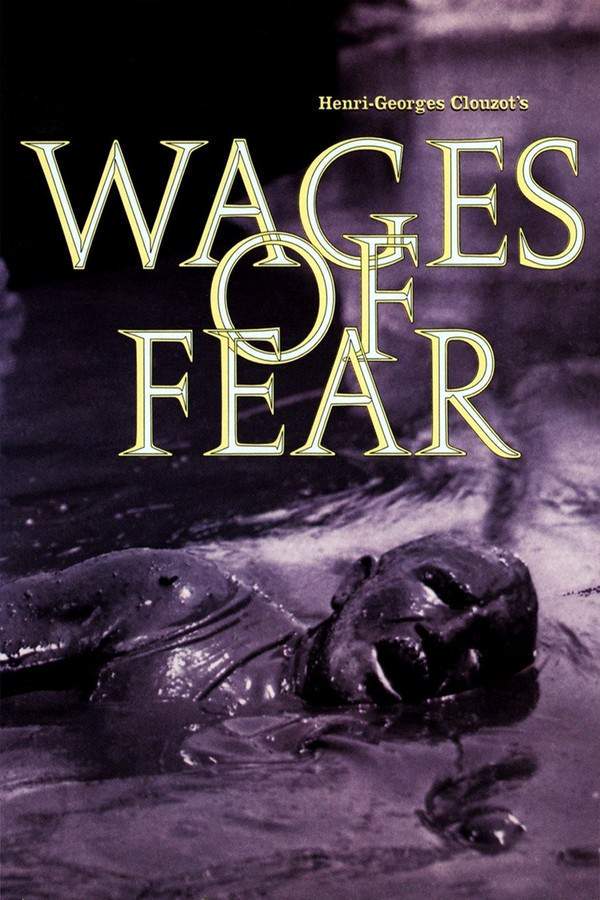
The Wages of Fear (1953) (2011) movie poster

Plot Summary

The Wages of Fear (1953) (2011) Plot Summary Explained

Release, runtime and language
2011 · 147 min · French
Loading streaming availability…
Directed by
Henri-Georges Clouzot
Starring
Charles Vanel, Peter van Eyck, Yves Montand

Desperate men are offered a dangerous job in the South American jungle: transporting nitroglycerine across treacherous terrain to a remote oil drilling site. Four strangers, each with their own reasons for accepting the perilous assignment, embark on the journey in two aging trucks. The route is fraught with danger, testing their skills and nerves as they face deadly obstacles and a growing sense of desperation. The reward is significant, but the risk of catastrophic failure and death looms large with every mile.

On this page (5)
  1. 1 Where to watch
  2. 2 What happens: full plot
  3. 3 Plot questions answered
  4. 4 Movie threads
  5. 5 Every angle
Loading streaming availability…

Full plot summary · contains spoilers

What Happens in The Wages of Fear (1953): Full Plot Summary

The whole story of The Wages of Fear (1953) (2011) explained, from the opening scene to the final frame: every key event, every twist and what it all adds up to. Read it as a quick recap before the sequel, to check a scene you missed, or to finally understand what really happened.

Frenchmen Mario and Jo, alongside Bimba from Germany and Luigi from Italy, find themselves trapped in the desolate town of Las Piedras. This isolated place is encircled by harsh desert, and its only connection to the outside world is a dilapidated airstrip, far too expensive for the men to utilize. With minimal job opportunities, they have become reliant on the tyrannical Southern Oil Company (SOC), which dominates the town and exploits the local workforce while ensuring its control with little regard for the law.

Mario, a sarcastic Corsican playboy, takes his loving partner Linda for granted, while Jo, an aging ex-gangster, struggles with the reality of his situation after becoming stranded. Bimba, harboring deep-seated anger due to the murder of his father by the Nazis, is a reserved man with a grim past, having spent three years in a salt mine. Luigi, Mario’s cheerful roommate, receives devastating news about his health, revealing he is terminally ill from cement dust exposure. Although Mario bonds with Jo over their shared experiences in Paris, Jo's aggressive demeanor creates friction with other patrons at the local cantina.

A significant disaster strikes when a fire breaks out at an SOC oil field, demanding the urgent transportation of nitroglycerin to extinguish the flames. This perilous task requires transporting the volatile substance in jerry cans over 500 km (300 miles) from the SOC headquarters, a journey made treacherous by deteriorating roads. Recognizing the risks, SOC deems the task too hazardous for their unionized workers and instead turns to the locals—for a siren's call of $2,000 each, a sum that could potentially liberate them from their tedious existence.

The selection narrows to four; Mario, Bimba, Luigi, and a German named Smerloff. Upon discovering that Smerloff fails to show up on the designated day, Jo steps in, having a prior connection with foreman Bill O'Brien from his bootlegging days. However, the other drivers suspect Jo might have used intimidation tactics to replace Smerloff.

As they embark, Mario and Jo handle one truck, while Bimba and Luigi take the other, with their vehicles separated by half an hour to minimize risks. Each driver faces a relentless series of daunting challenges: navigating through a stretch known as "the washboard," maneuvering around a precarious construction barricade, and clearing a boulder that obstructs their path. Tension arises as Jo finds himself succumbing to fears, prompting confrontations about his growing cowardice.

Tragedy strikes when Luigi and Bimba's truck explodes unexpectedly, claiming their lives. Mario and Jo rush to the scene only to discover a deep crater rapidly filling with oil from another ruptured pipeline. In their frantic efforts to prevent their vehicle from becoming stuck in the gooey mess, Mario accidentally runs over Jo, who sustains fatal injuries. Upon reaching the oil field, they are celebrated as heroes, yet the victory is hollow as Jo succumbs, and Mario, exhausted, collapses.

After recovering, Mario heads home in the very truck that was instrumental in their perilous journey, collecting double the wages of his fallen friends while refusing the chauffeur offered by the SOC. In a state of exhilaration, he recklessly navigates the mountain road, heading towards the celebratory atmosphere that awaits him at the cantina. As Linda dances inside, she collapses in distress. In a final act of defiance against fate, Mario takes a corner too swiftly and plunges off the guardrail, meeting a tragic end.
Last updated: November 16, 2024 at 18:42

Was this helpful?

Plot questions answered

The Wages of Fear (1953) Plot Explained: Your Questions Answered

The questions people ask most about The Wages of Fear (1953) (2011): what happens in the confusing scenes, why the characters do what they do, the twists, hidden details and what the ending means. Each answer contains spoilers.

Q1

Why does Luigi agree to drive the nitroglycerin truck despite the danger?

Luigi discovers he is terminally ill from cement dust exposure, giving him nothing to lose. The $2,000 payment represents his only chance to leave something meaningful behind, making the deadly job his best option.

Foreshadowing: Luigi's health diagnosis is revealed early in the film, establishing his desperate motivation.

  • luigi
  • terminal illness
  • nitroglycerin
  • desperation
  • death
Q2

Why does Mario accidentally run over Jo?

After Luigi and Bimba's truck explodes, Mario and Jo rush to help but encounter a crater filled with oil from a ruptured pipeline. In the frantic effort to prevent their truck from getting stuck in the viscous liquid, Mario loses control and strikes Jo, causing fatal injuries.

Foreshadowing: The explosive tragedy creates chaos that forces hasty decision-making.

  • mario
  • jo
  • accident
  • death
  • oil
  • explosion
Q3

Why is Bimba so angry and willing to take risks?

Bimba's father was murdered by the Nazis, and he spent three years working in a salt mine. This traumatic past has left him consumed by anger and indifferent to his own survival, making him willing to accept dangerous work others would refuse.

Foreshadowing: Bimba's backstory is established early, showing his recklessness stems from deep-seated trauma.

  • bimba
  • anger
  • Nazis
  • salt mine
  • past trauma
Q4

Why is transporting nitroglycerin so dangerous?

Nitroglycerin is extremely volatile and can explode from shock, heat, or vibration. The 500 km journey over deteriorating roads in the South American desert heat creates constant risk of detonation, which is why SOC refuses to use their own unionized workers.

Foreshadowing: The early scenes establish the cargo's deadly nature through warnings from SOC foreman Bill O'Brien.

  • nitroglycerin
  • explosion
  • danger
  • volatile
  • SOC
Q5

Why do the drivers split into two trucks instead of traveling together?

The trucks travel separately with a half-hour gap to minimize risk. If one truck explodes, the other might survive and complete the mission. This strategy reflects the understanding that the cargo could detonate at any moment.

Foreshadowing: The decision to separate the trucks is made at the outset, showing careful planning despite the odds.

  • trucks
  • separation
  • strategy
  • explosion risk
  • nitroglycerin
Q6

Why does Jo replace Smerloff as a driver?

Smerloff fails to show up on the departure day. Jo steps in because he knows foreman Bill O'Brien from his bootlegging days. The other drivers suspect Jo may have used intimidation to ensure his substitution, though this remains ambiguous.

Foreshadowing: Jo's criminal background and connection to O'Brien are established before the journey begins.

  • jo
  • smerloff
  • replacement
  • bill o'brien
  • bootlegging
Q7

Why does Mario drive so recklessly at the end and die?

After surviving the deadly journey and collecting double wages, Mario refuses a chauffeur and drives the truck himself. At the cantina, Linda collapses in distress. In a final act of defiance against his fate, Mario takes a mountain corner too fast and plunges off the guardrail, dying moments after Jo.

Foreshadowing: The fatalistic tone throughout the film foreshadows that escape is impossible for any of the four men.

  • mario
  • death
  • reckless driving
  • cantina
  • defiance
  • fate
Q8

Why does SOC hire local men instead of their own workers?

The Southern Oil Company refuses to risk their unionized workers for such a dangerous mission. Instead, they offer $2,000 each to desperate locals in Las Piedras, exploiting men who have no other economic options and will accept deadly risks for a chance at escape.

Foreshadowing: The town's desperation under SOC control is established from the opening scenes.

  • SOC
  • exploitation
  • locals
  • union
  • desperation
  • money
Q9

Why does Luigi and Bimba's truck explode?

The nitroglycerin in their truck detonates unexpectedly, killing both men instantly. The exact trigger is never specified, but the volatile nature of the substance means shock, heat, or road vibrations could cause detonation at any moment.

Foreshadowing: The constant warnings about nitroglycerin danger foreshadow this tragic explosion.

  • explosion
  • luigi
  • bimba
  • nitroglycerin
  • death
  • truck
Q10

Why does Jo become scared during the journey?

Jo, an aging ex-gangler, begins succumbing to fear as the journey progresses. His growing cowardice creates tension with Mario, who confronts him about it. This psychological breakdown illustrates how the extreme pressure of transporting explosive cargo affects even hardened individuals.

Foreshadowing: Jo's bravado at the start contrasts with his eventual fear, showing his deterioration.

  • jo
  • fear
  • cowardice
  • pressure
  • psychology
  • mario
Q11

Why does Mario take Linda for granted?

Mario is portrayed as a sarcastic Corsican playboy who treats his loving partner Linda with indifference. His dismissive attitude toward their relationship reflects his overall lack of commitment to anything beyond his own survival and pleasures.

Foreshadowing: Linda's distress at the end gains meaning from understanding their one-sided relationship.

  • mario
  • linda
  • relationship
  • playboy
  • neglect
Q12

Why do all four protagonists die in the end?

The film maintains a relentlessly bleak tone where survival seems impossible. All four men accept a job that statistically offers no good outcome. Their deaths underscore the fatalistic theme that desperate people in hopeless situations cannot escape their fate, regardless of their choices.

Foreshadowing: The constant danger and mounting casualties throughout the journey build toward this inevitable conclusion.

  • death
  • ending
  • fatalism
  • desperation
  • tragedy
  • bleak

Movie threads

More Movies Like The Wages of Fear (1953), by Mood & Story

Curated lists built around what makes The Wages of Fear (1953) tick: the same mood, the same kind of story or the same emotional payoff. Each list explains why these movies belong together.

Tense Journeys on the Brink of Disaster like in The Wages of Fear (1953)

Desperate characters undertake a perilous journey where every second counts. If you liked the white-knuckle tension of The Wages of Fear, explore more movies about desperate missions and perilous transport. This collection features similar high-stakes thrillers where characters face a dangerous journey, testing their limits and survival against overwhelming odds.

  • suspenseful
  • nerve-wracking
  • desperate
  • high-stakes
  • anxious
  • grim
  • Tone: tense, desperate, bleak
  • Pacing: variable, building to relentless tension
Why these movies?

The story pattern: The narrative pattern involves a group or individual accepting an extremely dangerous task, often for a large reward or out of sheer desperation. The core of the story is the journey itself, which is structured as a series of escalating, deadly obstacles that test the characters' skill, courage, and sanity, often leading to fatal consequences.

Why they belong together: These films are grouped together because they share a core premise of a high-risk transport or mission, creating a consistent atmosphere of extreme tension and palpable danger. They focus on the physical and psychological endurance required to survive, often set against harsh, unforgiving environments.

Oppressive Psychological Pressure Cookers like in The Wages of Fear (1953)

Stories where confined groups crack under extreme, life-threatening stress. Fans of the claustrophobic anxiety in The Wages of Fear will find similar movies here. These films explore groups under extreme duress, where the environment and situation create a palpable sense of dread, isolation, and inevitable collapse, much like the journey in the original film.

  • oppressive
  • claustrophobic
  • desperate
  • anxious
  • grim
  • fatalistic
  • Tone: oppressive, bleak, tense
  • Pacing: variable, often slow-building dread
Why these movies?

The story pattern: The narrative follows a group of individuals, often strangers, forced into a confined and dangerous scenario. The primary conflict is not just external danger, but the internal psychological breakdown as isolation, fear, and the proximity of death cause alliances to shift and personalities to unravel, culminating in a tragic outcome.

Why they belong together: These movies are united by their ability to generate an oppressive, claustrophobic mood where the characters' mental state is as much a threat as the physical danger. They share a focus on the dynamics of desperation and the grim fatalism that arises when hope is scarce.

Every angle

The Wages of Fear (1953) (2011) Explained: Plot, Timeline & Characters

Everything about The Wages of Fear (1953) in one place: what happens in the plot summary, the timeline in chronological order, the characters and meaning and a spoiler-free summary. What's After the Movie adds the cast, box office and post-credit scenes.

Coming soon on iOS and Android

The Plot Explained Movie Summary App

Plot summaries, endings explained and timelines on your phone. Catch up on any movie in minutes, save your favorites and never miss a twist again.

Be the first to know when we launch. Your email stays private, always.

Learn more about the app