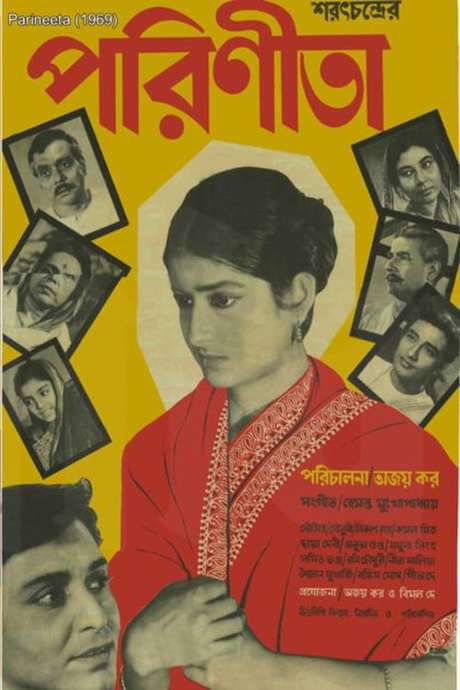
Year: 1969
Runtime: 123 mins
Language: Bengali, Bangla
Director: Ajoy Kar
Ajoy Kar’s 1969 film adaptation of Sarat Chandra Chatterjee’s 1914 novel, ‘Parineeta’.
Warning: spoilers below!
Haven’t seen Parineeta yet? This summary contains major spoilers. Bookmark the page, watch the movie, and come back for the full breakdown. If you're ready, scroll on and relive the story!
Explore the full timeline and setting of Parineeta (1969). Follow every major event in chronological order and see how the environment shapes the story, characters, and dramatic tension.
Last updated: October 05, 2025 at 08:39
Meet the key characters of Parineeta (1969), with detailed profiles, motivations, and roles in the plot. Understand their emotional journeys and what they reveal about the film’s deeper themes.
Last updated: October 05, 2025 at 08:39
Explore the central themes of Parineeta (1969), from psychological, social, and emotional dimensions to philosophical messages. Understand what the film is really saying beneath the surface.
Last updated: October 05, 2025 at 08:39
Browse frequently asked questions about Parineeta (1969) focused on characters, relationships, themes, symbols, setting, and story context. This movie info FAQ gives spoiler-aware explanations for character arcs, world details, and thematic interpretation so readers can better understand what the film is really about.
The story takes place primarily in a Calcutta urban neighborhood and a nearby family home, with later scenes set in Munger. The contrast between the cramped, financially struggling household and the wealthy neighbor's estate underscores the social divides that define the narrative.
Parineeta is set in late 19th-century Bengal. This era was characterized by rigid social norms, the prominence of arranged marriages, and reformist movements like Brahmoism that challenged orthodox practices.
The film explores several interconnected themes: the conflict between love and societal expectations, the weight of caste and religious norms on marriage, the role of wealth and property in shaping opportunities, and the tension between personal promises and true loyalty.
Lalita is a thirteen-year-old orphan who lives with her uncle's large family in Calcutta. She is characterized by her tender heart and resilience, forming a trusting bond with Shekhar, who acts as both mentor and guardian to her. Her evolving love for Shekhar becomes the emotional core of the story.
Shekhar is a twenty-five-year-old attorney who comes from a position of privilege. Though initially bantering and possessive in his treatment of Lalita, his genuine love for her forces him to confront social expectations and his own arrogance, driving the central romance forward.
Girin is a steadfast family friend who supports Lalita's family financially and helps Gurucharan manage his affairs. His loyalty and generosity significantly influence the family's fortunes, though his eventual marriage to Annakali complicates Lalita's romantic prospects.
The film contrasts a close-knit but money-strapped household with a wealthy neighbor's estate, specifically Nabin Roy's home. This urban-rural backdrop of Calcutta and later Munger reflects the social and economic divisions that directly impact the characters' choices and opportunities.
The film portrays how arranged marriages, caste considerations, and family honor dictated personal relationships in late 19th-century Bengal. The characters' attempts to navigate these pressures lead to concealment, sacrifice, and difficult choices, highlighting the tension between individual desires and communal approval.
Wealth and property serve as major stakes in the story. A mortgage and land dispute shape the families' futures, while Nabin Roy's financial status creates power dynamics that influence marriage decisions. Class differences determine who can pursue love openly and who must face social obstruction.
Brahmoism was a reform movement in Bengal that challenged orthodox Hindu practices, including caste restrictions and child marriage. The film's depiction of this movement reflects the broader tension between traditional values and modern reformist ideas that shaped Bengali society during the late 19th century.
Bhubaneswari Devi, wife of the wealthy neighbor Nabin Roy, treats Lalita with maternal affection despite the social distance between their families. Her warmth provides Lalita with crucial emotional support amid the financial and social pressures she faces, representing a nurturing bridge across generational and class divides.
The film has a predominantly melancholic tone, shaped by financial strain, social estrangement, and the pain of forbidden love. However, this is tempered by moments of deep tenderness, particularly in Lalita's relationship with Bhubaneswari Devi. The ending is happy but earned through significant conflict, giving the resolution a feeling of hard-won peace.
Discover curated groups of movies connected by mood, themes, and story style. Browse collections built around emotion, atmosphere, and narrative focus to easily find films that match what you feel like watching right now.
Passionate love stories tested by rigid class divides and family obligations.Explore movies like Parineeta, where love is challenged by class differences and family expectations. These tender yet dramatic stories focus on characters navigating the complex rules of their society, often set in historical periods where tradition holds immense power.
Stories in this thread typically follow lovers from different social or economic backgrounds whose relationship is forbidden. The plot revolves around the external pressures—from family, community, or religious institutions—that seek to keep them apart. The narrative arc often involves secret meetings, painful sacrifices, and a climactic moment where love either triumphs over or is defeated by societal constraints.
Movies are grouped here for their shared focus on the intense emotional conflict between passionate, genuine love and the unyielding weight of social norms. They share a melancholic yet romantic tone, a slow-to-steady pacing that allows for deep emotional development, and a central theme of yearning for a freedom that society denies.

Stories where a gentle, melancholic mood gives way to a deeply earned resolution.Find more films that share the gentle, melancholic atmosphere of Parineeta. These movies move at a contemplative pace, exploring serious themes like loss and obligation, but ultimately guide their characters toward a hard-won, fulfilling resolution that feels genuinely earned.
The narrative pattern involves characters facing significant but not traumatic emotional challenges—such as financial strain, social estrangement, or familial duty. The story unfolds slowly, focusing on internal emotional states and quiet interpersonal dynamics rather than high-stakes action. A central misunderstanding or societal pressure creates tension, which is resolved in a finale that provides closure and happiness, but leaves a lingering echo of the sadness that preceded it.
These films are grouped by their distinctive emotional mix: a primary tone of gentle melancholy, a slow, deliberate pacing that allows for reflection, and a narrative structure that builds towards a happy ending that feels meaningful because of the struggles overcome. They offer a medium emotional weight, providing depth without heaviness.
Don't stop at just watching - explore Parineeta in full detail. From the complete plot summary and scene-by-scene timeline to character breakdowns, thematic analysis, and a deep dive into the ending - every page helps you truly understand what Parineeta is all about. Plus, discover what's next after the movie.
Read a complete plot summary of Parineeta, including all key story points, character arcs, and turning points. This in-depth recap is ideal for understanding the narrative structure or reviewing what happened in the movie.
Track the full timeline of Parineeta with every major event arranged chronologically. Perfect for decoding non-linear storytelling, flashbacks, or parallel narratives with a clear scene-by-scene breakdown.
Discover movies like Parineeta that share similar genres, themes, and storytelling elements. Whether you’re drawn to the atmosphere, character arcs, or plot structure, these curated recommendations will help you explore more films you’ll love.
Parineeta (1969) Plot Summary & Movie Recap
Parineeta (1969) Scene-by-Scene Movie Timeline
Parineeta (1969) Spoiler-Free Summary & Key Flow
Movies Like Parineeta – Similar Titles You’ll Enjoy
Amar Aponjon (2017) Full Summary & Key Details
Chokher Bali (2003) Film Overview & Timeline
Parineeta (2005) Ending Explained & Film Insights
Parzania (2005) Detailed Story Recap
Parivaar (1987) Full Summary & Key Details
Parinda (1989) Complete Plot Breakdown
Srikanto (1000) Film Overview & Timeline
Pari (1995) Plot Summary & Ending Explained
Parwana (1971) Ending Explained & Film Insights
Parichay (1972) Complete Plot Breakdown
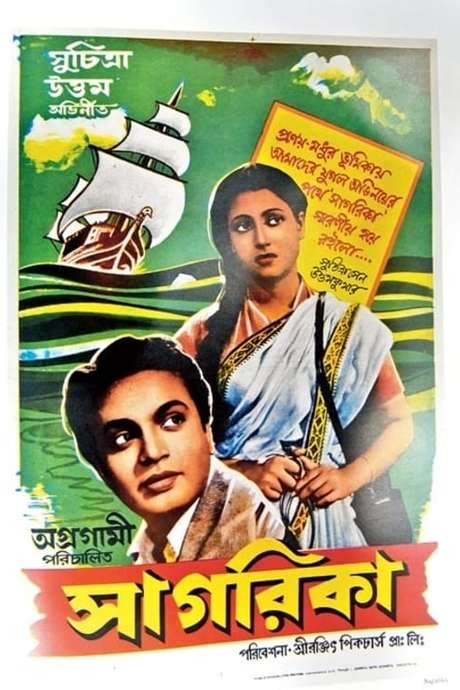
Sagarika (1956) Movie Recap & Themes
Parineeta (1953) Full Summary & Key Details
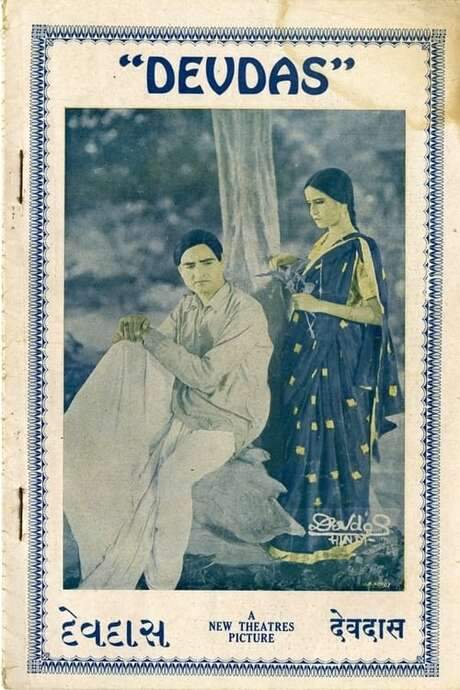
Devdas (1936) Detailed Story Recap
Parvathy Parinayam (1995) Film Overview & Timeline
Parthan Kanda Paralokam (2008) Detailed Story Recap