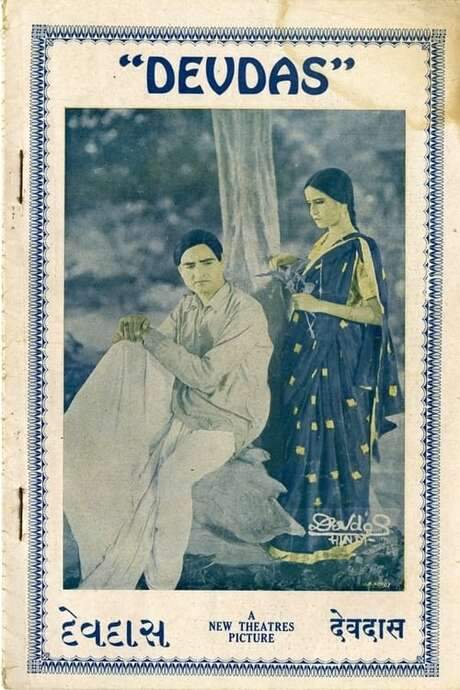
Year: 1969
Runtime: 123 mins
Language: Bengali, Bangla
Director: Ajoy Kar
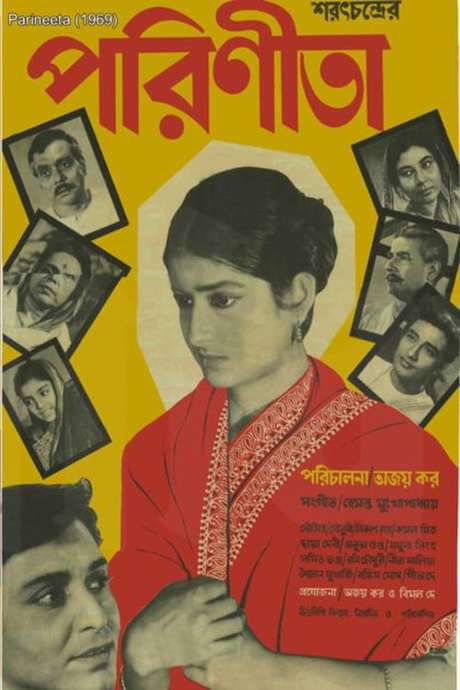
Ajoy Kar’s 1969 film adaptation of Sarat Chandra Chatterjee’s 1914 novel, ‘Parineeta’.
Warning: spoilers below!
Haven’t seen Parineeta yet? This summary contains major spoilers. Bookmark the page, watch the movie, and come back for the full breakdown. If you're ready, scroll on and relive the story!
Read the complete plot breakdown of Parineeta (1969), including all key story events, major twists, and the ending explained in detail. Discover what really happened—and what it all means.
Lalita, Moushumi Chatterjee, is a poor thirteen-year-old orphan who grows up under the care of her uncle Gurucharan and his bustling extended family. The clan is large, with Gurucharan’s five daughters, and the needs of arranging weddings push the family toward financial strain. To keep the family afloat, Gurucharan is forced to borrow money from his neighbor, Nabin Roy, by mortgaging a plot of land that sits at the edge of their two households. The two families share a warm, neighboring bond, even as Nabin Roy secretly covets the land Gurucharan has mortgaged.
Nabin Roy’s wife, Bhubaneswari Devi, Chhaya Devi, showers Lalita with affection and treats her like a favored daughter, even going so far as to let Lalita call her “maa.” The dynamic between Lalita and Bhubaneswari Devi is tender and protective, and Lalita reciprocates with a deep trust that blurs the lines between kin and guardian. Into this delicate balance enters Shekhar, a young attorney who is also Bhubaneswari Devi’s ward and confidant. He is a wry, teasing presence to Lalita, and their relationship borders on possessive, feeding Lalita’s gentle devotion toward him.
Into Lalita’s world steps Girin, a compassionate and practical ally who has his eye on the family’s welfare. Samit Bhanja brings a steady, supportive energy to the story, helping mend Gurucharan’s finances and advising on a match for Lalita. His influence begins to shift the dynamic in surprising ways, stirring a quiet jealousy in Shekhar as Lalita’s life becomes entwined with Girin’s steady hand and intent to secure their future.
Before long, the tension between affection, obligation, and social proprieties comes to a head. In a moment of bold defiance, Lalita and Shekhar quietly seal their bond with a garlanded ceremony, symbolizing a marriage that must now contend with the world outside. The veil of spinsterhood that was meant to protect Lalita becomes a shield herself from the looming judgment of Hindu social norms, while Gurucharan, inspired by Girin’s influence, embraces a path of Brahmo faith that further unsettles the family’s standing in the eyes of their neighbors.
As word travels, society surrounding Gurucharan recoils. The couple faces estrangement as wealth gaps and religious differences complicate what should be a straightforward union. Lalita’s heart aches as her surroundings abandon them, and Shekhar, returning from his own travels, must confront the reality that his own possessiveness and the era’s conventions stand in his way. To heal an inherited wound of isolation, Lalita and her family travel to Munger, where Girin stands by their side and Gurucharan’s lingering hopes find new expression in the form of a fateful arrangement.
Years pass, and Gurucharan and Nabin Roy both pass away, leaving Lalita eighteen and returning to the scene of her early life to sell Gurucharan’s house to Nabin Roy’s heirs, if only to honor her uncle’s lasting wishes. Shekhar’s own life has its course, with a forthcoming marriage moving closer, yet Lalita’s sudden arrival forces him to confront what his real desires are. He hesitates, aware of Girin’s promise to Lalita, and the rumor of a long-ago arrangement lingers in the air.
Girin visits Shekhar with the legal documents surrounding Gurucharan’s plot and shocks him with a revelation: Girin has indeed become Gurucharan’s son-in-law, but not through a marriage to Lalita. Instead, Girin married Lalita’s cousin Annakali, as Lalita had claimed to be already wed. The truth unsettles Shekhar, yet it also clarifies the path forward. In the wake of this revelation, Shekhar gathers his courage, confesses his enduring love for Lalita, and seeks his mother’s blessing to unite with her.
The ending unfolds with a quiet but firm consent: Shekhar and Lalita are offered the chance to marry, and their union is affirmed as the story closes. The tale remains a detailed study of duty, desire, and the way rigid social norms collide with the resilience of two devoted hearts that refuse to be kept apart.
Last Updated: October 05, 2025 at 11:23
Discover curated groups of movies connected by mood, themes, and story style. Browse collections built around emotion, atmosphere, and narrative focus to easily find films that match what you feel like watching right now.
Passionate love stories tested by rigid class divides and family obligations.Explore movies like Parineeta, where love is challenged by class differences and family expectations. These tender yet dramatic stories focus on characters navigating the complex rules of their society, often set in historical periods where tradition holds immense power.
Stories in this thread typically follow lovers from different social or economic backgrounds whose relationship is forbidden. The plot revolves around the external pressures—from family, community, or religious institutions—that seek to keep them apart. The narrative arc often involves secret meetings, painful sacrifices, and a climactic moment where love either triumphs over or is defeated by societal constraints.
Movies are grouped here for their shared focus on the intense emotional conflict between passionate, genuine love and the unyielding weight of social norms. They share a melancholic yet romantic tone, a slow-to-steady pacing that allows for deep emotional development, and a central theme of yearning for a freedom that society denies.
Stories where a gentle, melancholic mood gives way to a deeply earned resolution.Find more films that share the gentle, melancholic atmosphere of Parineeta. These movies move at a contemplative pace, exploring serious themes like loss and obligation, but ultimately guide their characters toward a hard-won, fulfilling resolution that feels genuinely earned.
The narrative pattern involves characters facing significant but not traumatic emotional challenges—such as financial strain, social estrangement, or familial duty. The story unfolds slowly, focusing on internal emotional states and quiet interpersonal dynamics rather than high-stakes action. A central misunderstanding or societal pressure creates tension, which is resolved in a finale that provides closure and happiness, but leaves a lingering echo of the sadness that preceded it.
These films are grouped by their distinctive emotional mix: a primary tone of gentle melancholy, a slow, deliberate pacing that allows for reflection, and a narrative structure that builds towards a happy ending that feels meaningful because of the struggles overcome. They offer a medium emotional weight, providing depth without heaviness.
Don't stop at just watching — explore Parineeta in full detail. From the complete plot summary and scene-by-scene timeline to character breakdowns, thematic analysis, and a deep dive into the ending — every page helps you truly understand what Parineeta is all about. Plus, discover what's next after the movie.
Track the full timeline of Parineeta with every major event arranged chronologically. Perfect for decoding non-linear storytelling, flashbacks, or parallel narratives with a clear scene-by-scene breakdown.
Discover the characters, locations, and core themes that shape Parineeta. Get insights into symbolic elements, setting significance, and deeper narrative meaning — ideal for thematic analysis and movie breakdowns.
Get a quick, spoiler-free overview of Parineeta that covers the main plot points and key details without revealing any major twists or spoilers. Perfect for those who want to know what to expect before diving in.
Visit What's After the Movie to explore more about Parineeta: box office results, cast and crew info, production details, post-credit scenes, and external links — all in one place for movie fans and researchers.
Discover movies like Parineeta that share similar genres, themes, and storytelling elements. Whether you’re drawn to the atmosphere, character arcs, or plot structure, these curated recommendations will help you explore more films you’ll love.
Parineeta (1969) Scene-by-Scene Movie Timeline
Parineeta (1969) Movie Characters, Themes & Settings
Parineeta (1969) Spoiler-Free Summary & Key Flow
Movies Like Parineeta – Similar Titles You’ll Enjoy
Amar Aponjon (2017) Full Summary & Key Details
Pari (2018) Movie Recap & Themes
Chokher Bali (2003) Story Summary & Characters
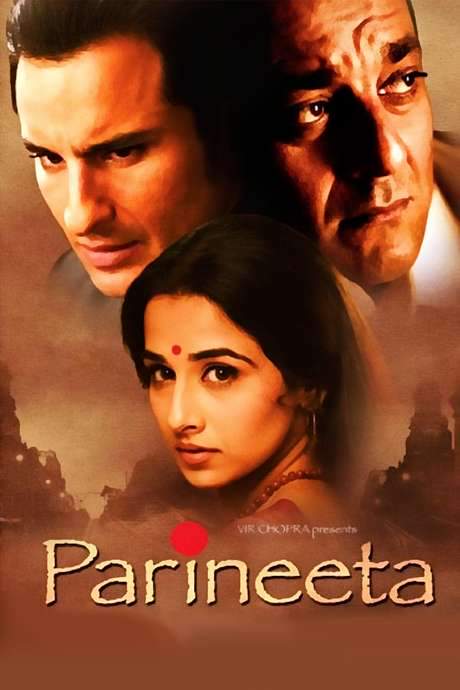
Parineeta (2005) Spoiler-Packed Plot Recap
Parzania (2005) Detailed Story Recap
Parivaar (1987) Story Summary & Characters
Parinda (1989) Complete Plot Breakdown
Srikanto (1000) Plot Summary & Ending Explained
Parwana (1971) Plot Summary & Ending Explained
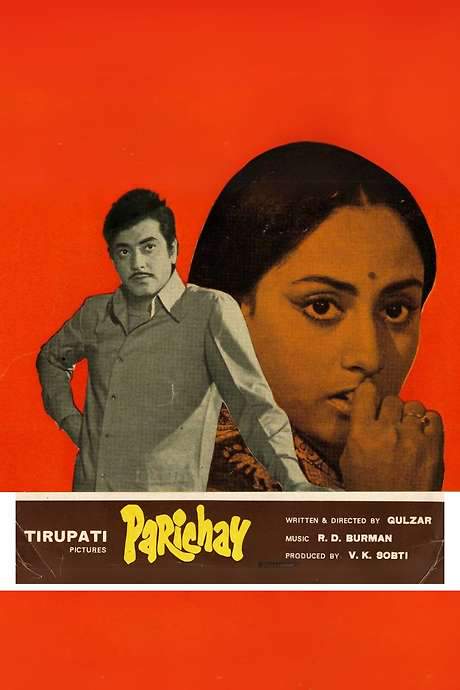
Parichay (1972) Spoiler-Packed Plot Recap
Sagarika (1956) Film Overview & Timeline
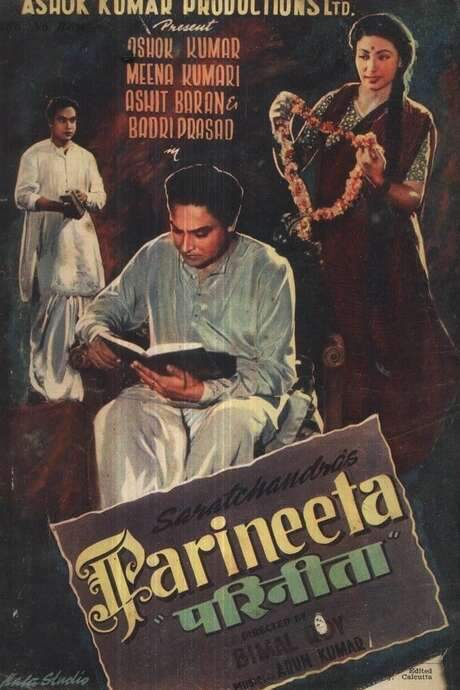
Parineeta (1953) Story Summary & Characters
Devdas (1936) Movie Recap & Themes
Parvathy Parinayam (1995) Complete Plot Breakdown
Parthan Kanda Paralokam (2008) Spoiler-Packed Plot Recap