Plot Explained Spoilers guaranteed!
Plot Explained

Browse by genre

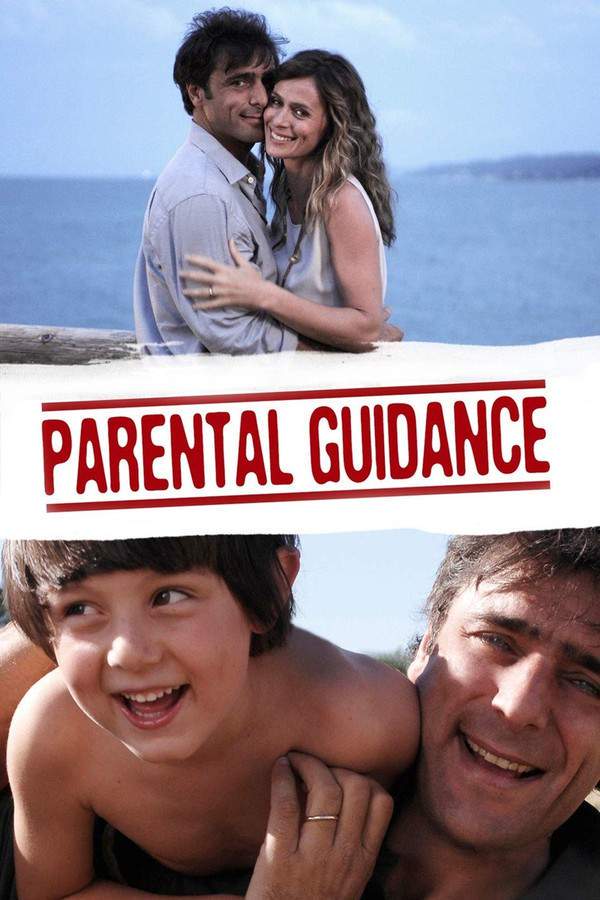
Parental Guidance (2012) movie poster

Plot Summary

Parental Guidance (2012) Plot Summary Explained

Release, runtime and language
2012 · 105 min · Italian
JustWatch #11,573 5
Directed by
Andy Fickman
Starring
Billy Crystal, Bette Midler, Marisa Tomei, Bailee Madison, Kyle Harrison Breitkopf, Tom Everett Scott
Budget
$25M

When their busy, overprotective parents need a break, Artie and Diane Decker step in to care for their three grandchildren. The experience proves challenging as the children's modern ways clash with the grandparents' more traditional parenting style, leading to humorous misunderstandings and heartwarming lessons for everyone involved.

On this page (6)
  1. 1 Where to watch
  2. 2 What happens: full plot
  3. 3 Plot questions answered
  4. 4 Movie threads
  5. 5 Movies like Parental Guidance
  6. 6 Every angle

Where to watch

Where to Watch Parental Guidance (2012)

Where can you watch Parental Guidance? Stream, rent or buy it in the US, including on Amazon Video, Apple TV Store and Fandango At Home: current JustWatch availability with up-to-date prices.

Streaming availability powered by JustWatch

Full plot summary · contains spoilers

What Happens in Parental Guidance: Full Plot Summary

The whole story of Parental Guidance (2012) explained, from the opening scene to the final frame: every key event, every twist and what it all adds up to. Read it as a quick recap before the sequel, to check a scene you missed, or to finally understand what really happened.

Artie Decker, a dedicated sports commentator for the Fresno Grizzlies, faces an unexpected and disheartening change when he's replaced due to his outdated methods and lack of familiarity with today's social media landscape. This news brings a sense of both disappointment and acceptance, which he shares with his wife, Diane. Just as they start to digest this surprising news, their daughter Alice and her husband Phil invite them to look after their three energetic grandchildren—Harper, Turner, and Barker—while they attend a business conference in Hilton Head, South Carolina.

As Artie and Diane step into their new roles as grandparents, they quickly realize that they have different parenting philosophies compared to their daughter and son-in-law, who are known for their overprotective, helicopter parenting style. The couple's first hurdles come as they discover the various challenges their grandchildren are grappling with: Harper's academically intense environment, Turner's stutter, and Barker's imaginary companion, Carl the Kangaroo. In their effort to bond with the kids, Artie and Diane's attempts to connect seem to conflict sharply with Phil and Alice's strict guidelines.

Just when the situation seems to come to a head, Alice returns prematurely from her work on redesigning the X Games website. This gives Artie the chance to pursue his own aspirations by securing an interview for a new sports commentator position. However, in an effort to win the affection of his grandchildren, he veers away from Alice's parenting rules, indulging them with junk food and horror movies—much to Alice's dismay when she finds out. Yet, Diane steps in, reminding Alice that to truly be good grandparents, they must allow their grandchildren a chance to explore and enjoy life.

As tensions escalate, an outing with Barker to the skate park turns chaotic when Artie loses sight of him. The event makes headlines, with footage of the infamous Tony Hawk nearly colliding with Barker as he skates, much to the shock of their family. The day continues to unravel when Diane reprimands Artie for encouraging Turner to face his bully, despite it conflicting with Artie's earlier lesson about confidence. This leads to a heartfelt dialogue where Artie recounts the legendary story of the Shot Heard 'Round The World, highlighting the significance of self-advocacy.

Upon returning to Atlanta, Phil and Alice are understandably rattled by what they witness on the news regarding Barker. The family's dynamic intensifies further when Alice discovers that Diane allowed Harper to attend a party right before her important violin recital, all while Barker grapples with the imaginary loss of Carl. This revelation sparks a series of events that challenge their family ties and bring to the forefront their differing parenting styles.

In a moment of vulnerability, Alice finds common ground with Artie and Diane, ultimately deciding to let Harper forgo her music ambitions. This choice leads to noticeable changes in Harper, who seems to lose her once vibrant passion. Seizing the moment, Turner steps forward, showcasing his newfound confidence as his stutter fades away during his heartfelt recitation of the historic Shot Heard 'Round The World commentary. The charged atmosphere feels almost electric, as his words echo the essence of self-expression.

Meanwhile, the underlying rifts in Artie and Diane's relationship with their grandchildren become clearer, revealing numerous unhealed emotional wounds. Yet, Harper's decision to step back from her recital inadvertently opens the door for reconnection with her grandparents, who had felt distanced until now. Artie discovers a refreshing purpose as he becomes a commentator for an Atlanta Little League Baseball team, reigniting his passion for the game. As the story unfolds, it showcases the resilience of family bonds, illustrating that through adversity, a journey towards growth, understanding, and forgiveness is truly possible.
Last updated: November 21, 2024 at 11:31

Was this helpful?

Plot questions answered

Parental Guidance Plot Explained: Your Questions Answered

The questions people ask most about Parental Guidance (2012): what happens in the confusing scenes, why the characters do what they do, the twists, hidden details and what the ending means. Each answer contains spoilers.

Q1

Why was Artie replaced from his sports commentator job?

Artie was replaced because his methods were outdated and he lacked familiarity with today's social media landscape. The Fresno Grizzlies needed someone who could adapt to modern broadcasting trends, making his traditional commentary style no longer suitable for the position.

  • artie decker
  • fresno grizzlies
  • job loss
  • sports commentator
  • replaced
Q2

Why did Alice come home early from her business trip?

Alice returned early from her work on redesigning the X Games website because the situation at home had become chaotic with the grandparents' unconventional parenting methods and the skate park incident involving Barker. She was concerned about her children's safety and well-being.

  • alice
  • early return
  • business trip
  • x games
  • helicopter parenting
Q3

What happened at the skate park with Barker and Tony Hawk?

During a family outing to the skate park, Artie lost sight of Barker while trying to keep up with the kids. Barker nearly collided with professional skateboarder Tony Hawk, and the incident was captured on news footage, shocking the family and creating a media sensation.

  • barker
  • skate park
  • tony hawk
  • accident
  • news footage
Q4

Why did Turner's stutter improve?

Turner's stutter improved after Artie encouraged him to face his bully and recounted the story of the Shot Heard 'Round The World, emphasizing self-advocacy and confidence. Turner then recited the historic commentary without stuttering at a crucial family moment, demonstrating his newfound self-expression.

  • turner
  • stutter
  • confidence
  • shot heard round the world
  • bully
Q5

Why did Harper give up her violin ambitions?

Harper gave up her violin after Alice, in a vulnerable moment of reconnecting with her parents, decided to let Harper step back from her music ambitions. This choice caused Harper to struggle with her identity as her prior passion began to fade, but it also opened the door for deeper connection with her grandparents.

  • harper
  • violin
  • recital
  • alice
  • music ambitions
Q6

What was the main conflict between the grandparents and their daughter Alice?

The conflict centered on parenting styles: Alice and Phil practiced overprotective helicopter parenting with strict rules, while Artie and Diane believed in allowing grandchildren to explore and enjoy life. This led to disagreements over food, media exposure, and letting kids face challenges like bullies.

  • parenting styles
  • helicopter parenting
  • alice
  • artie
  • diane
  • grandchildren
Q7

What happened to Barker's imaginary friend Carl the Kangaroo?

Barker grappled with the imaginary loss of Carl the Kangaroo, which reflected his emotional struggles during the family tensions. This subplot highlighted Barker's inner world and the challenges he faced as the youngest grandchild coping with changes in his family dynamic.

  • barker
  • carl
  • kangaroo
  • imaginary friend
  • emotional struggles
Q8

Why did Artie encourage Turner to stand up to his bully?

Artie encouraged Turner to face his bully because he believed in teaching self-advocacy. He recounted the legendary Shot Heard 'Round The World to demonstrate how standing up for oneself can lead to historic moments, even though this advice seemed to contradict his earlier lesson about confidence to the family.

  • artie
  • turner
  • bully
  • self-advocacy
  • shot heard round the world
Q9

Why did Diane allow Harper to attend a party before her violin recital?

Diane allowed Harper to attend a party because she believed in letting grandchildren experience life and have fun, rather than strictly adhering to Alice's structured schedule. Diane reminded Alice that good grandparents sometimes need to allow kids to explore and enjoy life beyond academic and musical achievements.

  • diane
  • harper
  • party
  • recital
  • parenting beliefs
Q10

What happened with Artie's career at the end of the movie?

Artie found new purpose by becoming a commentator for an Atlanta Little League Baseball team. This role rekindled his passion for sports commentary and symbolized his personal growth, showing he could adapt and find meaning outside of his previous position with the Fresno Grizzlies.

  • artie
  • career
  • little league
  • commentator
  • new purpose
  • atlanta

Movie threads

More Movies Like Parental Guidance, by Mood & Story

Curated lists built around what makes Parental Guidance tick: the same mood, the same kind of story or the same emotional payoff. Each list explains why these movies belong together.

Generational Clash Comedies like Parental Guidance

Lighthearted stories where family members from different eras bridge their perspectives. If you liked the clash of modern and traditional parenting in Parental Guidance, you'll enjoy these other lighthearted family comedies. Discover movies that explore generational gaps with humor and warmth, where grandparents, parents, and kids all learn valuable lessons from one another.

  • familial
  • humorous
  • comforting
  • uplifting
  • heartwarming
  • mischievous
  • Tone: light, humorous, heartwarming
  • Pacing: steady, character-driven
Why these movies?

The story pattern: Stories in this thread typically follow a straightforward path where a generational divide creates initial conflict and comedic mishaps. Through shared experiences and open-mindedness, characters on both sides grow, leading to a heartwarming reconciliation that affirms the importance of family.

Why they belong together: These movies are grouped by their shared focus on generational dynamics as a source of both comedy and emotional payoff. They maintain a light tone and steady pace, avoiding heavy drama in favor of uplifting resolutions, making them comforting and humorous viewing experiences.

Movies about Finding Purpose like Parental Guidance

Characters rediscover their value and find new meaning through unexpected circumstances. Fans of Parental Guidance's story of Artie finding new meaning through his grandchildren will appreciate these films. Explore movies with similar themes of personal rediscovery, where characters overcome self-doubt to find confidence and a new lease on life in uplifting ways.

  • uplifting
  • heartwarming
  • comforting
  • hopeful
  • inspiring
  • familial
  • Tone: uplifting, hopeful, light
  • Pacing: steady, focused on growth
Why these movies?

The story pattern: The narrative pattern involves a protagonist facing a personal or professional setback, leading to a period of uncertainty. An external event or new responsibility forces them out of their comfort zone, culminating in a journey of self-discovery that rebuilds their confidence and gives them a clear, happy new direction.

Why they belong together: These films are united by the uplifting emotional arc of a character finding their place. They blend light emotional weight with steady pacing and a consistently hopeful tone, focusing on positive personal transformation rather than deep-seated trauma.

If you liked this

Movies Like Parental Guidance

Similar movies to Parental Guidance: the same genre, themes or kind of story. Each one comes with its own plot summary, timeline and ending explained.

Browse all movie summaries

Every angle

Parental Guidance (2012) Explained: Plot, Timeline & Characters

Everything about Parental Guidance in one place: what happens in the plot summary, the timeline in chronological order, the characters and meaning and a spoiler-free summary. What's After the Movie adds the cast, box office and post-credit scenes.

Coming soon on iOS and Android

The Plot Explained Movie Summary App

Plot summaries, endings explained and timelines on your phone. Catch up on any movie in minutes, save your favorites and never miss a twist again.

Be the first to know when we launch. Your email stays private, always.

Learn more about the app