Papilio Buddha
Year: 2013
Runtime: 108 mins
Language: Malayalam
Director: Jayan Cherian
A band of displaced untouchables in Western Ghats of India embrace Buddhism in order to escape from caste oppression.
Warning: spoilers below!
Haven’t seen Papilio Buddha yet? This summary contains major spoilers. Bookmark the page, watch the movie, and come back for the full breakdown. If you're ready, scroll on and relive the story!
Papilio Buddha (2013) – Full Plot Summary & Ending Explained
Read the complete plot breakdown of Papilio Buddha (2013), including all key story events, major twists, and the ending explained in detail. Discover what really happened—and what it all means.
The film unfolds in a fictional space within Meppara, a Dalit settlement in the Western Ghats of India, where a displaced community grapples with a long-running land struggle and the rise of identity politics rooted in Ambedkarism.
Told largely through Shankaran, a young Dalit and a Jawaharlal Nehru University dropout, the story traces his insecurity as he watches his father, Kandal Kariyan, a committed communist, hold fast to his faith in equal rights despite persistent setbacks.
Shankaran befriends Jack, a white gay American lepidopterist, and helps him catch butterflies, including the rare and beautiful Papilio Buddha, and the two men share a romantic connection that challenges local norms.
Shankaran’s elderly father, a figure of steadfast political conviction, struggles with the personal and social implications of his son’s closeness to a foreigner and a different way of life, while the household’s dynamics reveal a family torn between tradition and change.
Meanwhile, Manjusree, a strong-willed woman who works as a rickshaw driver, fights to overcome prejudice in a male-dominated profession and carve out space for herself in a community that often doubts her capabilities.
When Manjusree confronts a lecherous union leader and Shankaran is arrested for illegally catching butterflies, two acts of violence spark a process that politicizes and radicalizes parts of the community, including individuals who identify as queer, pushing them away from Gandhi’s peaceful methods and toward a more defiant stance.
The film highlights a sweeping arc of epic land struggles across the region and the ongoing oppression of indigenous people by powerful political and social establishments. It also maps environmental degradation and the exploitation of pristine mountain habitats by outside forces, painting a portrait of a landscape under pressure and of a society at a crossroads between tradition, resilience, and radical change.
Last Updated: October 09, 2025 at 16:09

Explore Movie Threads
Discover curated groups of movies connected by mood, themes, and story style. Browse collections built around emotion, atmosphere, and narrative focus to easily find films that match what you feel like watching right now.
Political awakening movies like Papilio Buddha
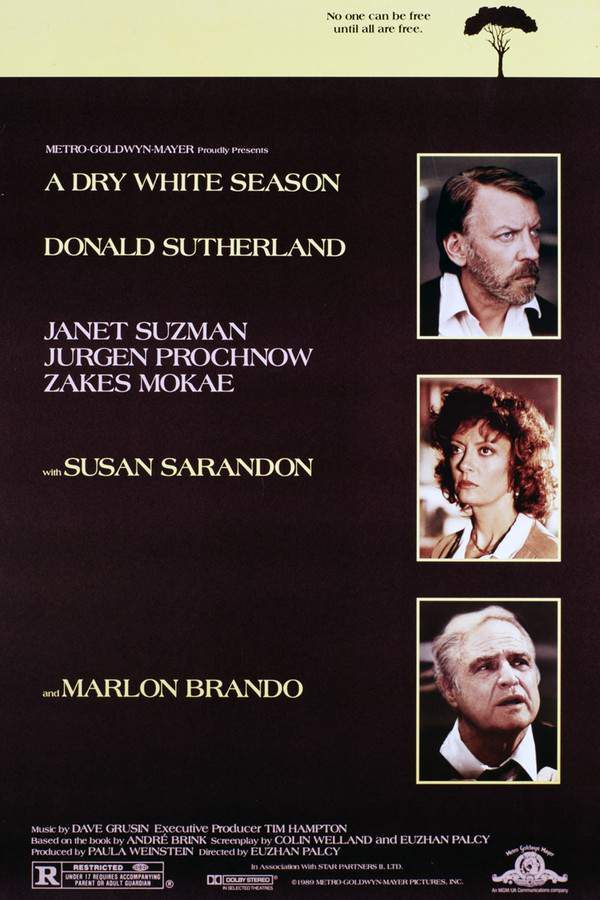
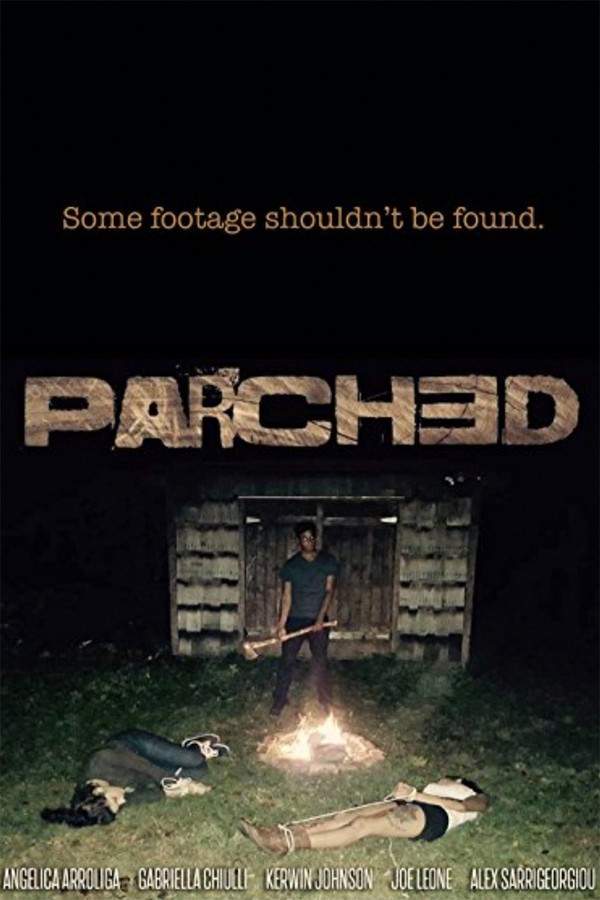
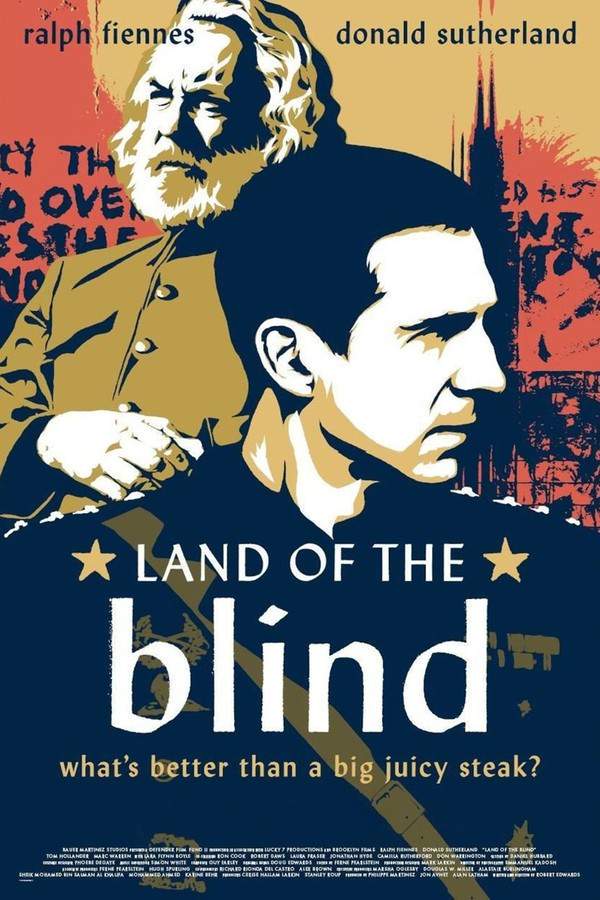
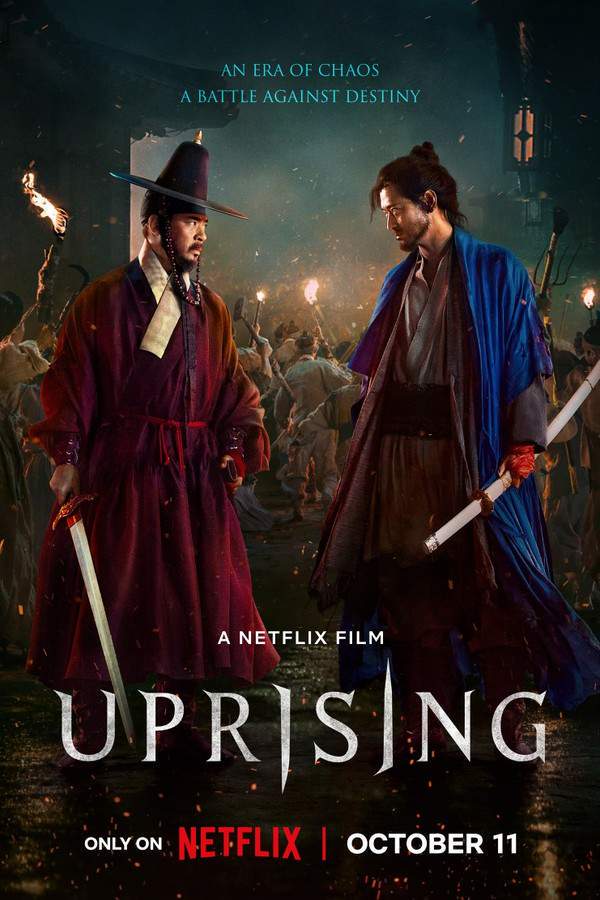
Stories of marginalized communities finding power through defiance and radical change.If you liked the radicalization narrative in Papilio Buddha, explore these other films about marginalized communities fighting systemic oppression. These movies share a heavy emotional weight, a dark tone, and focus on land rights, social justice, and the complex journey toward defiance.









Narrative Summary
The narrative pattern follows a community or individual's transformation. It begins with exposure to brutal injustice, leading to a loss of faith in peaceful methods. This culminates in a political and personal awakening, often involving radical ideology and acts of defiance that challenge the status quo at great personal cost.
Why These Movies?
Movies are grouped here for their shared focus on the process of radicalization in response to systemic oppression. They create a somber, politically charged mood and a high-intensity experience, culminating in bittersweet or bleak endings that reflect the heavy price of change.
Dramas about cultural conflict like Papilio Buddha
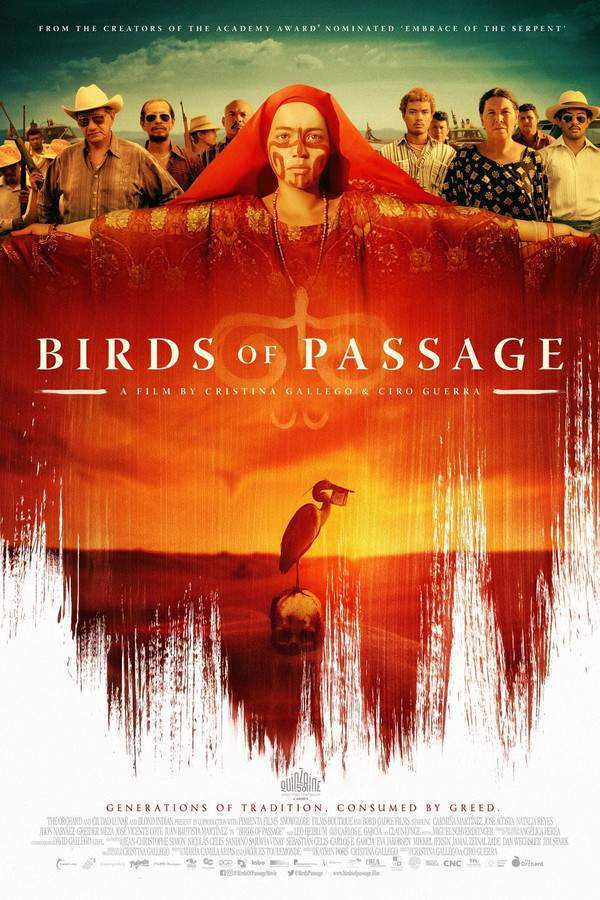
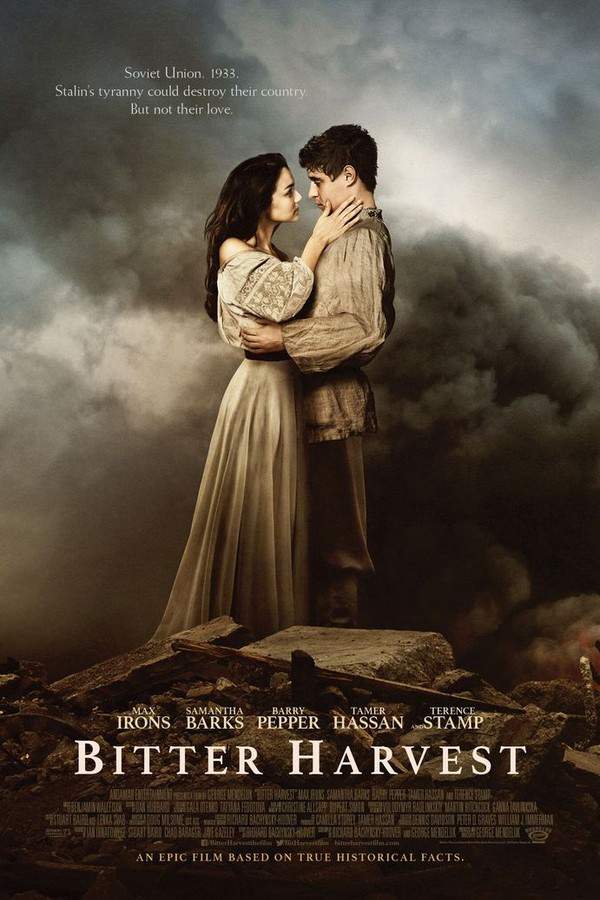
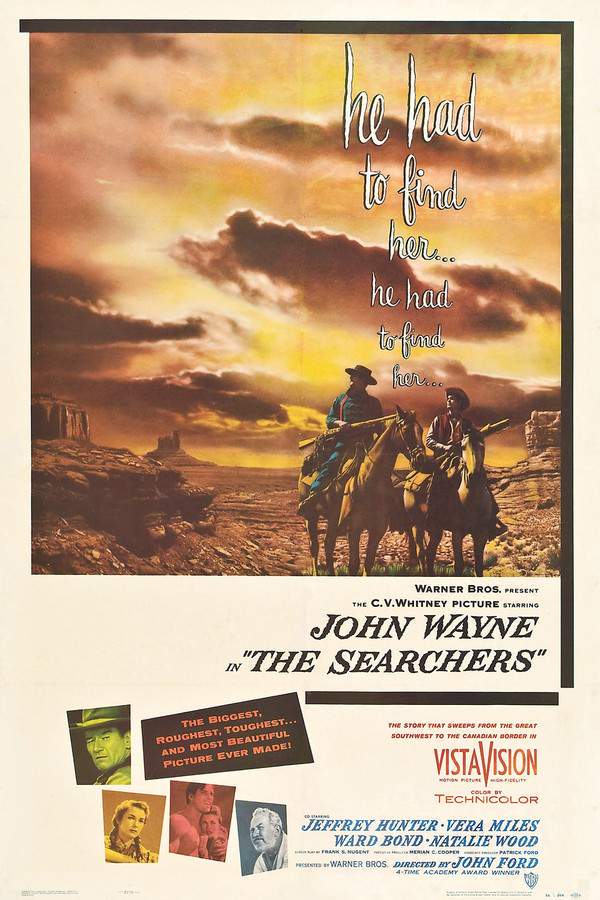
Stories where social injustice and environmental decay are inextricably linked.Viewers seeking films similar to Papilio Buddha will find them here. These movies explore the intersection of cultural identity, land rights, and environmental issues, all presented with a steady pace, a contemplative mood, and a heavy emotional depth.

God's Creatures
2022
Birds of Passage
2019

House of Sand and Fog
2003
Bitter Harvest
2017
The Searchers
1956

In My Country
2005

White Deer Plain
2012

Clearcut
1991

At Play in the Fields of the Lord
1991

Bitter Harvest
1981

Colour Photo
2020

Forest of the Hanged
1965

The Seekers
1954

Lost Boundaries
1949

Silent Dust
1949
Narrative Summary
Narratives in this thread often feature a community fighting to preserve its identity and land against exploitative forces. Personal journeys of sexual or political identity are set against a backdrop of environmental threat, creating a complex web where saving a culture is tied to saving a place.
Why These Movies?
These films share a specific, somber mood created by the intertwining of cultural conflict and environmental degradation. They feature a steady, contemplative pacing that allows for deep immersion into the world and its problems, resulting in a heavy, thought-provoking experience.
Unlock the Full Story of Papilio Buddha
Don't stop at just watching — explore Papilio Buddha in full detail. From the complete plot summary and scene-by-scene timeline to character breakdowns, thematic analysis, and a deep dive into the ending — every page helps you truly understand what Papilio Buddha is all about. Plus, discover what's next after the movie.
Papilio Buddha Timeline
Track the full timeline of Papilio Buddha with every major event arranged chronologically. Perfect for decoding non-linear storytelling, flashbacks, or parallel narratives with a clear scene-by-scene breakdown.

Characters, Settings & Themes in Papilio Buddha
Discover the characters, locations, and core themes that shape Papilio Buddha. Get insights into symbolic elements, setting significance, and deeper narrative meaning — ideal for thematic analysis and movie breakdowns.