Plot Explained Spoilers guaranteed!
Plot Explained

Browse by genre

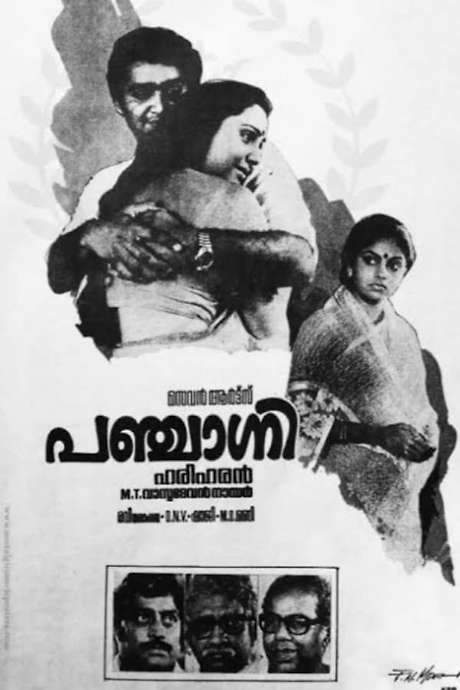
Panchagni (1986) movie poster

Characters & Themes

Panchagni (1986) Characters, Setting & Themes Explained

Release, runtime and language
1986 · 133 mins · Malayalam
Directed by
T Hariharan
Starring
Devan, Mohanlal, Murali, Thilakan, Nedumudi Venu, Geetha

The film follows Indira, a tribal woman serving a life sentence for killing Avarachan, the landlord who raped and murdered a young tribal woman. It examines her quest for justice, the consequences of his cruelty, and the lingering trauma that haunts her community.

On this page (7)
  1. 1 Characters explained (6)
  2. 2 Where & when it takes place
  3. 3 Themes & meaning (4)
  4. 4 Character & meaning questions
  5. 5 Movie threads
  6. 6 Movies like Panchagni
  7. 7 Every angle

6 main characters · contains spoilers

Panchagni Characters Explained: Who Is Who

The main characters of Panchagni (1986), heroes and villains: what drives them, how they change over the course of the story and what each of them reveals about the film's bigger ideas.

  • Indira (Geetha)

    A Naxal activist serving a life sentence, Indira returns home on parole for a two-week window. She navigates isolation, suspicion, and a longing for belonging while trying to stay true to her righteous resolve. Her relationship with Rasheed grows from professional caution to a protective, intimate bond as she seeks shelter and safety.

    • ❄️ Activist
    • 🧭 Moral
    • 💪 Resolute
  • Rasheed (Mohanlal)

    A freelance journalist who persists in interviewing Indira and ultimately helps her find shelter. He becomes a pivotal ally during her parole, balancing professional curiosity with genuine concern for Indira's safety. Their evolving relationship adds emotional depth to the unfolding drama.

    • 📰 Journalist
    • 💬 Dependable
    • 💞 Supportive
  • Rajan (Murali)

    Sharadha's husband and a womanizer who embodies the film's antagonist side. His actions culminate in the gang-rape of Malu, and Indira's fierce retribution against him marks a turning point in the plot. He represents the brutality that Indira fights against, both personally and socially.

    • 💢 Antagonist
    • 🗝️ Abuser
    • 🔪 Violent
  • Sharadha (Chithra)

    Indira's old classmate who lives nearby and remains one of the few who offer her support. Her husband Rajan's downfall strains their relationship, highlighting the collateral damage of Indira's parole and the broader social paranoia surrounding her stay.

    • 👭 Friend
    • 🏡 Neighbor
    • 🕊️ Loyal
  • Avarachan (Prathapa Chandran)

    A landlord who Indira witnesses kill a young tribal woman after she was raped and impregnated by him. His murder becomes the catalyst for Indira's final act of justice before she surrenders to the police.

    • 🏚️ Landlord
    • ⚖️ Victimizer
    • 🔪 Villain
  • Savithri (Nadhiya)

    Indira's sister who, along with her husband Prabhakaran, reconsiders their relationship with Indira as tensions within the family surface. She represents a path to reconciliation and the emotional stakes of family loyalty.

    • 👪 Sister
    • ❤️ Family
    • 🤝 Reconciliator

Last updated: November 29, 2025 at 00:45

Was this helpful?

Setting

Where and When Does Panchagni Take Place?

The setting of Panchagni (1986): the year and time period, the places and locations, and how they shape the characters, the mood and the tension of the story.

Time period

Two weeks (parole period)

The events unfold over a two-week parole window during which Indira is released with a remission order in sight. The clock intensifies personal and legal pressures as family tensions flare and trust is tested. This tight timeframe drives pivotal choices, including Indira's ultimate act of justice. The period culminates in a consequential confrontation with Rajan and the legal consequences that follow.

Location

Cannanore Central Jail, Indira's home, Rasheed's place, Sharadha's place

The film is rooted in Cannanore, where Indira serves a life sentence in the central jail. Much of the drama unfolds in the private spaces of Indira's family and friends—her home, Rasheed's place, and Sharadha's home—highlighting the tension between public perception and intimate relationships. These locations together trace the social fallout of Indira's parole and the fragile shelter she seeks. The settings emphasize both institutional confinement and the precarious freedom she experiences during the two-week window.

  • 🏛️ Jail
  • 🏡 Domestic setting
  • 🗺️ Kerala

Last updated: November 29, 2025 at 00:45

Was this helpful?

4 major themes

Panchagni Meaning: Themes & Message Explained

What is Panchagni (1986) really about? The emotional, social and philosophical themes the film keeps returning to, its symbolism and the message beneath the surface.

  • Freedom vs Duty

    Indira's temporary release places her between personal freedom and looming duty to the law. The two-week span exposes the costs of liberation for her and those around her. The film examines whether true freedom can exist within a system that seeks to define moral boundaries for oppressed individuals.

  • Justice and Vigilance

    The narrative juxtaposes formal justice with vigilante impulses. Indira's sense of righteousness clashes with the consequences of violence she commits to protect others. The remission order tests whether law or moral action ultimately governs outcomes.

  • Activism and Consequence

    Indira's background as a Naxal activist casts a shadow over her choices and the reactions of family and society. The story traces how radical commitments collide with everyday life and personal relationships. Activism's costs become central to her fate during the parole period.

  • Family and Redemption

    The film centers on family dynamics—misunderstandings, reconciliations, and the search for acceptance. Indira's bonds with Savithri, Rasheed, and Sharadha reveal both support and conflict. Redemption emerges not just through legal outcomes but through how loved ones choose to stand by her.

Last updated: November 29, 2025 at 00:45

Was this helpful?

Character & theme questions

Panchagni Characters & Meaning: Your Questions Answered

The questions people ask about Panchagni (1986): who the characters really are, their relationships, what the symbols mean, where it takes place and what the movie is really about. Each answer contains spoilers.

Q1

Where is the film set?

The film is set primarily in Cannanore, Kerala. Key locations include the central jail where Indira serves her sentence, her family home, and the residences of her allies like Rasheed and Sharadha. These settings contrast institutional confinement with the fragile, precarious freedom Indira experiences during her two-week parole.

  • cannanore
  • kerala
  • setting
  • locations
  • jail
Q2

What time period does the story cover?

The events unfold over a two-week parole window. This tight timeframe is central to the film's tension, as Indira is temporarily released with a possible remission order pending. The limited time intensifies personal and legal pressures, driving pivotal choices and escalating family conflicts.

  • parole
  • two weeks
  • timeframe
  • timeline
Q3

What does the film say about freedom versus duty?

The film explores how Indira's temporary release places her between personal freedom and looming duty to both herself and the law. The two-week span exposes the costs of liberation for her and those around her, questioning whether true freedom can exist within a system that seeks to define moral boundaries for oppressed individuals.

  • freedom
  • duty
  • freedom vs duty
  • theme
  • oppression
Q4

How does the film handle the theme of justice versus vigilantism?

The narrative juxtaposes formal justice with vigilante impulses. Indira's sense of righteous morality clashes with the consequences of violence she commits to protect others. The approaching remission order tests whether law or moral action ultimately governs outcomes, leaving the question of true justice unresolved.

  • justice
  • vigilantism
  • law
  • morality
  • righteousness
Q5

What role does activism play in the story?

Indira's background as a Naxal activist casts a long shadow over her choices and how family and society react to her. The story traces how radical commitments collide with everyday life and personal relationships. The costs of her activism become central to her fate during the parole period, shaping the tensions and conflicts she faces.

  • naxalism
  • activism
  • radicalism
  • consequences
Q6

How does the film explore family and redemption?

The film centers on complex family dynamics, misunderstandings, reconciliations, and the search for acceptance. Indira's bonds with her sister Savithri, journalist Rasheed, and friend Sharadha reveal both support and conflict. Redemption emerges not just through legal outcomes but through how loved ones choose to stand by her despite societal pressure.

  • family
  • redemption
  • relationships
  • reconciliation
Q7

Who is Indira and what motivates her?

Indira is a Naxal activist serving a life sentence for killing Avarachan, a landlord who raped and murdered a young tribal woman. She returns home on a two-week parole, navigating isolation, suspicion, and a longing for belonging. Her core motivation is seeking justice for the oppressed while staying true to her righteous resolve, even as she faces ostracization from society.

  • indira
  • protagonist
  • naxal activist
  • motivation
Q8

Who is Rasheed in the film?

Rasheed is a freelance journalist who becomes pivotal to Indira's story. He persistently interviews Indira and ultimately helps her find shelter during her parole. His role evolves from professional curiosity to genuine concern for her safety, forming a protective, intimate bond as he becomes her key ally amid the unfolding drama.

  • rasheed
  • journalist
  • ally
  • support
Q9

Who is Rajan and what does he represent?

Rajan is Sharadha's husband and embodies the film's antagonistic forces. He is a womanizer whose actions culminate in the gang-rape of Malu, representing the brutality that Indira fights against both personally and socially. His character serves as a focal point for the film's exploration of violence against women and the systemic abuse of power.

  • rajan
  • antagonist
  • violence
  • abuse
  • power
Q10

Who is Avarachan in the story?

Avarachan is the landlord whose crimes set the film's events in motion. Indira witnesses him kill a young tribal woman after raping and impregnating her. His murder becomes the catalyst for Indira's own act of justice, serving as the foundational trauma that defines her character's motivations and the systemic oppression she fights against.

  • avarachan
  • landlord
  • oppression
  • catalyst
Q11

What social issues does the film address?

The film unflinching explores traumatic violence, social injustice, and the struggles of marginalized communities in Kerala. It addresses systemic failures in delivering justice for oppressed peoples, the cycle of violence that engulfs those who resist, and how society treats those who take a stand against powerful abusers.

  • social injustice
  • oppression
  • marginalized
  • systemic failure
Q12

What is the emotional tone of the film?

The film maintains a consistently dark and intense tone, exploring traumatic violence and dysfunctional family dynamics. The emotional weight is heavy from the outset, stemming from the backstory of rape and murder, compounded by Indira's ostracization. The bleak atmosphere reflects its themes of cyclical violence and systemic failure.

  • tone
  • emotional
  • dark
  • intensity
  • trauma

Movie threads

More Movies Like Panchagni, by Mood & Story

Curated lists built around what makes Panchagni tick: the same mood, the same kind of story or the same emotional payoff. Each list explains why these movies belong together.

Bleak Social Realism and Justice Denied movies like Panchagni

Gritty dramas where systemic failure and trauma lead to bleak outcomes. If you liked the raw social commentary and tragic trajectory of Panchagni, discover more movies like it. This thread groups similar gritty dramas that explore themes of systemic failure, trauma, and justice denied, offering a sobering look at societal ills.

  • gritty
  • oppressive
  • somber
  • tense
  • melancholic
  • anxious
  • Tone: dark, bleak, somber
  • Pacing: steady, deliberate
Why these movies?

The story pattern: Stories in this thread typically follow a protagonist's grim struggle against an unjust system or powerful antagonist. The narrative arc often involves a traumatic inciting event, a difficult and often futile quest for justice, and a conclusion that reinforces the cyclical nature of violence and oppression, rarely offering redemption.

Why they belong together: Movies are grouped here for their shared commitment to dark social realism, a heavy emotional weight centered on trauma and injustice, and a consistently bleak tone. They provide a similar viewing experience of grim, thought-provoking drama.

Movies about trauma and cycles of violence like Panchagni

Character studies where past violence dictates a grim present. For viewers who appreciated Panchagni's deep dive into the lingering effects of trauma, this section features movies with similar character journeys. Explore stories about characters haunted by their past, where attempts at freedom are shattered by cyclical violence.

  • tense
  • melancholic
  • somber
  • anxious
  • psychological
  • dark
  • Tone: dark, tense, melancholic
  • Pacing: steady character driven
Why these movies?

The story pattern: The narrative pattern involves a character, often an ex-convict or trauma survivor, being released into a semblance of normal life. Fleeting moments of hope or connection are introduced, but the weight of past events and ongoing external hostility escalate, culminating in a tragic relapse into violence or self-destruction.

Why they belong together: These movies share a core focus on a character's psychological imprisonment by trauma. They feature a steady pacing that builds tension towards an inevitable, bleak conclusion, creating a cohesive vibe of tragic inevitability and heavy psychological drama.

If you liked this

Movies Like Panchagni

Similar movies to Panchagni: the same genre, themes or kind of story. Each one comes with its own plot summary, timeline and ending explained.

Browse all movie summaries

Every angle

Panchagni (1986) Explained: Plot, Timeline & Characters

Everything about Panchagni in one place: what happens in the plot summary, the timeline in chronological order, the characters and meaning and a spoiler-free summary. What's After the Movie adds the cast, box office and post-credit scenes.

Coming soon on iOS and Android

The Plot Explained Movie Summary App

Plot summaries, endings explained and timelines on your phone. Catch up on any movie in minutes, save your favorites and never miss a twist again.

Be the first to know when we launch. Your email stays private, always.

Learn more about the app