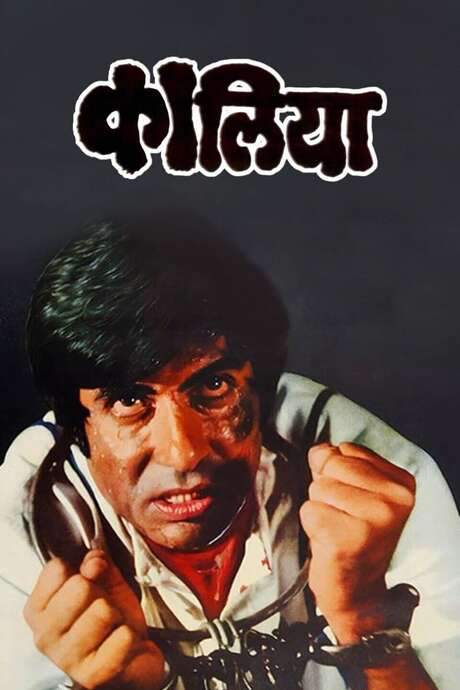
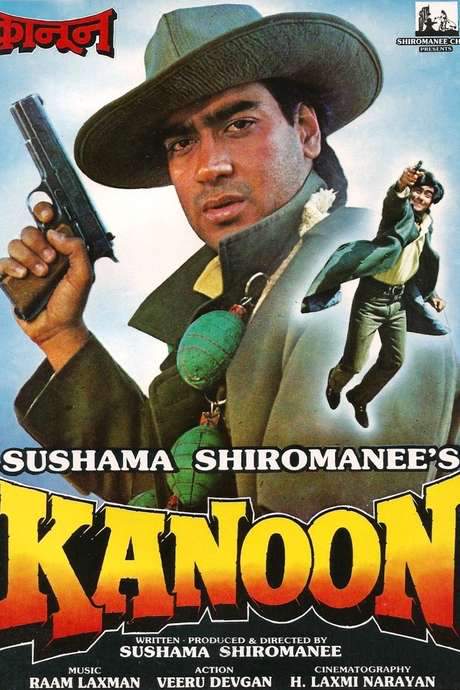
Karan Mehra discovers a painful truth: his father, Shankarlal Mehta, is in jail, and his mother had long hidden from him the fact that his father hadn't died as she claimed. When he finally meets his father, he learns that the murder he was accused of was a wrong accusation, and that his father has been imprisoned for a crime he did not commit. Motivated by love and a deep sense of justice, Karan Mehra makes it his mission to gather evidence and reopen the case so that his father can be freed and exonerated.
The road to truth begins with a meeting with one of the key witnesses who had testified for Shankarlal in court. That witness points Karan toward the investigating officer, Inspector Mehta, whose memories of the case hint at a deeper conspiracy. Karan then takes shelter as a paying guest where he crosses paths with the sharp and ambitious journalist-owner, Asha. Their budding rapport adds emotional weight to his quest, even as he stays focused on the bigger goal of vindicating his family.
From [Inspector Mehta], Karan learns about other possible witnesses, the enigmatic Kishori and the crafty Jumman. The inspector confesses that he suspected foul play from the start but was silenced by the prosecutor, Jaswant Rai. He also reveals that he overheard Kishori and Jumman discussing a letter that could serve as crucial proof of Shankarlal’s innocence.
Determined to obtain that letter, Karan sets out to win Kishori’s trust. As the two grow closer, his feelings for Asha deepen, adding a personal stake to his legal pursuit. Karan seeks guidance from Jaswant Rai on how to reopen the case, and the prosecutor instructs that the letter must come first, promising to reveal more once he has it.
Behind the scenes, the prosecutor turns out to be part of a wider plot. He warns Sardari Lal, the man who actually committed the murder, who in turn orders Jumman to warn Kishori. The tension escalates as Kishori confronts Karan, accusing him of deceiving her with false affection. But Karan replies that the men who put his innocent father behind bars have no right to judge him for honesty, and Kishori, upon learning the truth, chooses to do the right thing and hands over the letter.
With the original letter in hand, Karan returns to the prosecutor to demand that the case be reopened. The prosecutor—whose culpability is laid bare—admits his crime, and the legal battle moves toward its resolution. The courtroom and streets buzz with newfound urgency as justice edges closer to Shankarlal. In a fitting denouement, Shankarlal Mehta leaves prison a free man, and Karan's personal life also finds its happy ending as he weds Asha, sealing a future built on truth and reconciliation.
The narrative is driven by a tapestry of loyalties, betrayals, and the relentless pursuit of justice. It weaves together Karan’s determination with the professional and ethical challenges faced by those around him, painting a picture of a man who refuses to let a lie stand in the face of truth. The relationships—between father and son, between lovers, and between accuser and accused—are all tested and ultimately clarified, leaving a sense of closure and a hopeful outlook for the future.