Year: 1964
Runtime: 96 mins
Language: Japanese
Director: Masahiro Shinoda
After serving time, a hardened gangster returns to a city where gang alliances have reshuffled, forcing him to navigate new power struggles. Simultaneously, he looks after a thrill‑seeking young woman whose reckless gambling has entangled her with dangerous companions, pulling both into a volatile mix of loyalty, danger, and redemption.
Get a spoiler-free look at Pale Flower (1964) with a clear plot overview that covers the setting, main characters, and story premise—without revealing key twists or the ending. Perfect for deciding if this film is your next watch.
In the neon‑lit underbelly of post‑war Tokyo, a hardened yakuza walks out of a cell and into a city that has rearranged itself like a deck of cards. The streets pulse with illegal gambling, smoky back‑rooms, and the ever‑shifting loyalties of rival factions that now sit uneasy on a fragile truce. Muraki, fresh from his long sentence, finds the world he once ruled altered beyond recognition, and the very rules that once governed his life feel as fragile as the paper money fluttering across the tables.
Amid the haze of dice and whispered bets, he encounters a strikingly audacious young woman who makes danger seem like a game. Saeko lives for the rush of high‑stakes play, her restless energy pulling her toward ever‑riskier thrills. Their reluctant partnership becomes a dance of attraction and caution, each drawn to the other’s dangerous allure while the city’s gambling dens loom like cat‑like shadows, promising both wealth and ruin.
At the same time, a thread from Muraki’s past refuses to snap. Shinko reappears, a former lover whose presence is a reminder of softer moments amid the brutality. Their history adds a quiet, aching counterpoint to the relentless clamor of the streets, forcing him to weigh loyalty to old affection against the harsh demands of his present existence.
The film swirls with a noir‑ish atmosphere—rain‑slicked alleys, the low hum of traffic, the metallic scent of cigarettes—crafting a mood that is both stylish and unforgiving. It is a story of a man caught between an unforgiving criminal world and the fleeting chances of redemption, where every gamble could tip the balance between survival and surrender.
Last Updated: December 04, 2025 at 23:45
Discover curated groups of movies connected by mood, themes, and story style. Browse collections built around emotion, atmosphere, and narrative focus to easily find films that match what you feel like watching right now.
Cynical underworld tales where characters are trapped by fate and obsession.If you liked the cynical, fate-driven world of Pale Flower, explore these movies with a similar vibe. This collection features gritty crime dramas and noirs where weary protagonists navigate underworlds of obsession, loyalty, and inescapable, bleak outcomes.
Narratives in this thread often follow disillusioned, world-weary protagonists—often gangsters or detectives—who become entangled with a reckless force of nature, leading to an inexorable spiral towards violence and loss. The plot is less about surprise and more about the tragic, anticipated descent.
Movies are grouped here for their shared dark, moody atmosphere, high emotional weight, and a pervasive sense of fatalism. They feature characters who are cynical, isolated, and ultimately powerless against the machinations of their world, resulting in bleak, emotionally heavy conclusions.
Stories of dangerous alliances built on thrill-seeking and mutual ruin.For viewers who appreciated the dangerous dynamic between Muraki and Saeko in Pale Flower, this list features films about similarly intense, obsessive duos. These stories explore relationships built on thrill-seeking, codependency, and a shared path toward a volatile, often tragic, climax.
The narrative pattern revolves around the formation and escalation of a symbiotic but toxic relationship. The steady, character-driven pacing allows the obsession to deepen, leading to a high-intensity climax where the partnership culminates in violence or profound emotional collapse.
These films are connected by their focus on a central, magnetic relationship that drives the plot. They share a heavy emotional weight, a dark tone, and explore themes of existential ennui, thrill-seeking, and the destructive nature of obsession, resulting in bleak or bittersweet endings.
Don't stop at just watching — explore Pale Flower in full detail. From the complete plot summary and scene-by-scene timeline to character breakdowns, thematic analysis, and a deep dive into the ending — every page helps you truly understand what Pale Flower is all about. Plus, discover what's next after the movie.
Read a complete plot summary of Pale Flower, including all key story points, character arcs, and turning points. This in-depth recap is ideal for understanding the narrative structure or reviewing what happened in the movie.
Track the full timeline of Pale Flower with every major event arranged chronologically. Perfect for decoding non-linear storytelling, flashbacks, or parallel narratives with a clear scene-by-scene breakdown.
Discover the characters, locations, and core themes that shape Pale Flower. Get insights into symbolic elements, setting significance, and deeper narrative meaning — ideal for thematic analysis and movie breakdowns.
Visit What's After the Movie to explore more about Pale Flower: box office results, cast and crew info, production details, post-credit scenes, and external links — all in one place for movie fans and researchers.
Discover movies like Pale Flower that share similar genres, themes, and storytelling elements. Whether you’re drawn to the atmosphere, character arcs, or plot structure, these curated recommendations will help you explore more films you’ll love.
Pale Flower (1964) Scene-by-Scene Movie Timeline
Pale Flower (1964) Movie Characters, Themes & Settings
Pale Flower (1964) Spoiler-Free Summary & Key Flow
Movies Like Pale Flower – Similar Titles You’ll Enjoy
Cruel Game (2002) Film Overview & Timeline
Gangland Odyssey (1990) Full Movie Breakdown
Crime Wave (1953) Plot Summary & Ending Explained
City Streets (1931) Movie Recap & Themes
Red Peony Gambler (1968) Plot Summary & Ending Explained
Another Lonely Hitman (1995) Complete Plot Breakdown
Cry Danger (1951) Full Summary & Key Details
The Damned Don’t Cry (1950) Detailed Story Recap
Street Mobster (1972) Movie Recap & Themes
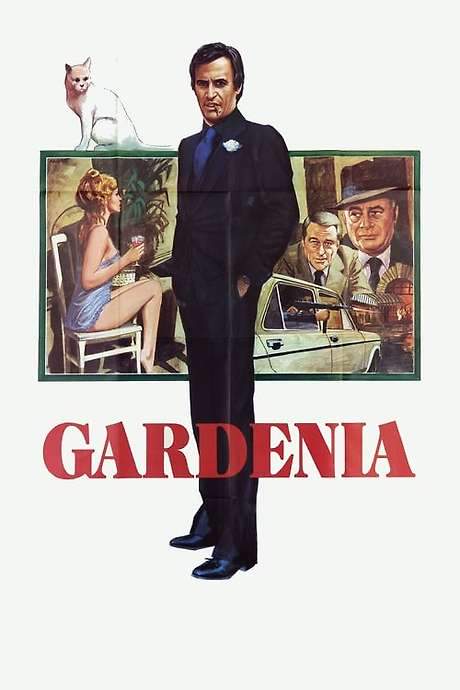
Gardenia (1979) Ending Explained & Film Insights
Female Yakuza Tale (1973) Plot Summary & Ending Explained
The Flower and the Angry Waves (1964) Film Overview & Timeline
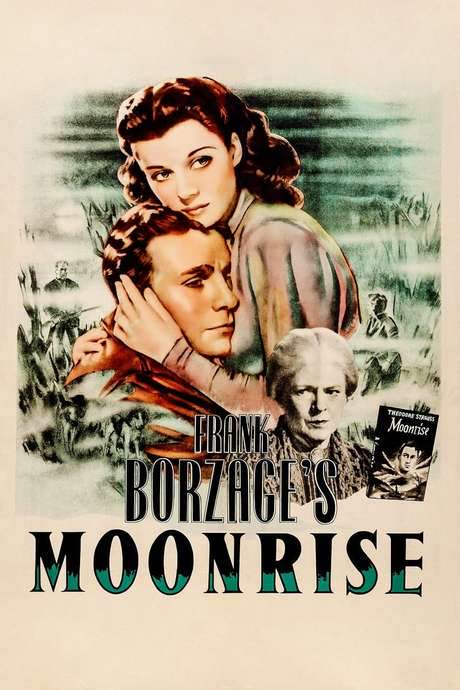
Moonrise (1948) Full Summary & Key Details
City of Industry (1997) Story Summary & Characters
Slightly Scarlet (1956) Movie Recap & Themes