Paayum Puli
Year: 2015
Runtime: 135 mins
Language: Tamil
Director: Suseenthiran
A ruthless extortion gang targeting businessmen finds itself on the radar of a determined policeman. When the gang escalates their crimes to murder, ACP Jayaseelan takes matters into his own hands, resorting to unofficial methods to eliminate them. However, the killings persist, and Jayaseelan discovers the mastermind behind the crimes is unexpectedly connected to him.
Warning: spoilers below!
Haven’t seen Paayum Puli yet? This summary contains major spoilers. Bookmark the page, watch the movie, and come back for the full breakdown. If you're ready, scroll on and relive the story!
Paayum Puli (2015) – Full Plot Summary & Ending Explained
Read the complete plot breakdown of Paayum Puli (2015), including all key story events, major twists, and the ending explained in detail. Discover what really happened—and what it all means.
In Madurai, a ruthless kidnapping racket targets the city’s top businessmen, demanding a steep ransom of ₹2 crore (about US$240,000) with a chilling ultimatum: pay up or the victims will be killed, their bodies left beneath a shadowy bridge as a grim reminder. The operation is led by Bhavani and Lal, the latter embodied on screen by Murali Sharma as the enforcer who carries out the most brutal parts of the plan. The city’s police swiftly catch wind of the case when SI Albert, a determined investigator, cracks the latest abduction and tracks the criminals, only to meet a public death at the hands of Bhavani, a blow that rattles the department and the community alike. In the vacuum that follows, Jayaseelan, a newly appointed ACP, arrives in Madurai with a mission from the special branch: dismantle Bhavani’s gang through decisive police encounters and restore a semblance of order. He returns to a home life that includes his father, his mother, and his brother Selvam, while Murugesan serves as the loyal head constable who has earned Jayaseelan’s trust through years of service and shared danger. Jayaseelan’s entry marks a shift in the city’s crime-fighting dynamics, and his personal loyalties begin to mirror the professional ones that will define the ensuing conflict.
The film then delves into a layered backstory that explains how ambition, politics, and family loyalties intertwine. Selvam, the brother who seems loyal and cautious, is deeply entangled with Lal and Bhavani’s network, while the family history speaks of a grandfather, Ramasamy, who was a revered freedom fighter and multiple-term minister—an ideal that casts a long shadow over the next generation. Kumarasamy, the brothers’ father, shuns politics and wishes for a quieter life, a stance that clashes with Singarasu, a local politician who sees value in exploiting Ramasamy’s legacy for his own ascent. Singarasu wins influence and uses Selvam as a pawn in a larger scheme, encouraging him to contest the next MLA seat and to believe that power can be earned with money and connections. When Selvam discovers Singarasu’s manipulation and loses the election due to paid voting, his resolve hardens. He enlists a cunning lawyer and begins orchestrating kidnappings with Lal, turning the city’s wealth into fuel for a growing, dangerous empire. This section sets up Selvam not as a mere accomplice, but as the mastermind who quietly steers the operation from behind the scenes, even as Lal and Bhavani enact its most violent acts.
In the present timeline, the tension intensifies as Selvam’s network targets Lakshmi Narayanan, Sowmya’s father, who is abducted and forced to pay a hefty ransom. Narayanan’s suspicions fall on Selvam, whose masked bravado during the ransom exchange signals a dangerous audacity to Jayaseelan’s growing suspicions about the architect of these crimes. Acting on a hunch, Jayaseelan launches a calculated plan to monitor the city’s communications by tapping the phones of leading businessmen, forming a specialized task force to oversee the operation. As one businessman receives a ransom call, Jayaseelan quietly follows the suspect, engaging in a tense pursuit that leads to a confrontation with Lal and Selvam’s henchmen. While Jayaseelan succeeds in capturing Lal, Selvam sustains a gunshot wound to the upper arm and stages a staged escape, feigning injury to mislead the investigation. The next day, the twist is revealed through a covert hospital scene that confirms the ruse and places Selvam squarely in the frame, and Jayaseelan takes responsibility for keeping the case alive even as the public narrative grows murky.
The investigation takes a darker turn when Lal is murdered inside the commissioner’s office by a hitman employed by Selvam, a brutal reminder that the crime boss is willing to kill even close allies to preserve his cover. The couple’s father overhears a crucial phone exchange and begins to piece together Selvam’s duplicity, realizing that his own son is the mastermind behind the kidnappings. The revelation hits Jayaseelan hard as he discovers that Selvam’s public persona hides a more sinister, strategic plan. A secret probe reveals a hidden chamber where the family’s fear and pride collide: a room behind Selvam’s lair where their father is bound, a hostage in a devastating private war that threatens to unravel everything the family stands for. Jayaseelan acts quickly to rescue the father, bringing him home and away from the danger that Selvam’s ambition has unleashed.
With the truth in the open, Selvam’s desperation grows. He tries to turn his father and the family against Jayaseelan, hoping to leverage influence and fear to escape accountability. But in a decisive turn, the elder resolves that the best course is to remove the threat himself, urging Jayaseelan to end Selvam’s schemes once and for all. In a climactic confrontation that blends family duty with judicial necessity, Jayaseelan kills Selvam and places his body beneath the same bridge where the city’s kidnapped businessmen once lay, staging his death to resemble a victim of the very gang he helped create. The crime scene is recast as a final message to the gang’s surviving operatives, and the case is closed by framing Selvam’s hitmen as the culprits, thereby delivering a grim, morally complex ending that sticks to the code Jayaseelan embraces: justice must prevail, even if it requires hard choices and a painful personal sacrifice. The city breathes a cautious sigh as the truth spreads, leaving the public to reconcile the violence with the pursuit of order that the new ACP represents.
Last Updated: October 09, 2025 at 16:03

Explore Movie Threads
Discover curated groups of movies connected by mood, themes, and story style. Browse collections built around emotion, atmosphere, and narrative focus to easily find films that match what you feel like watching right now.
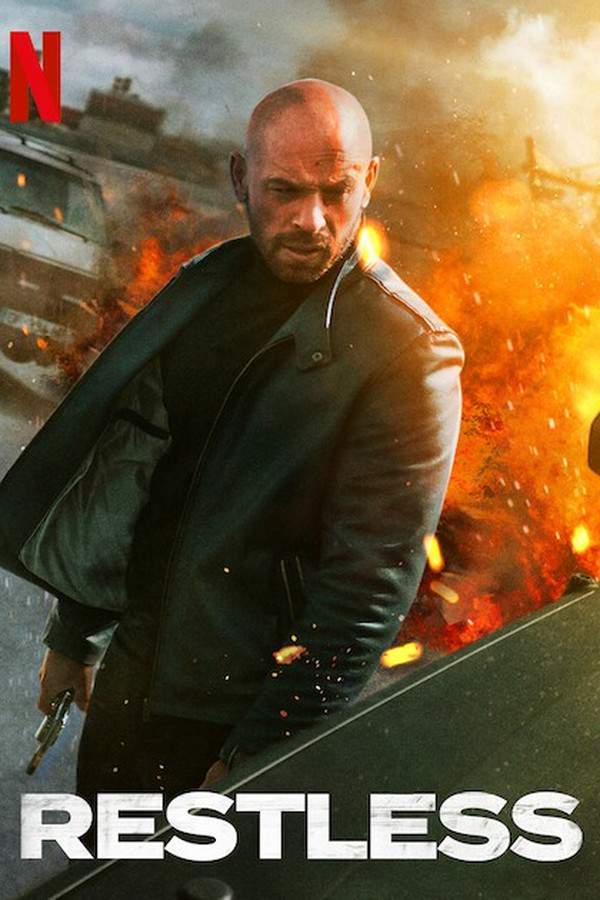
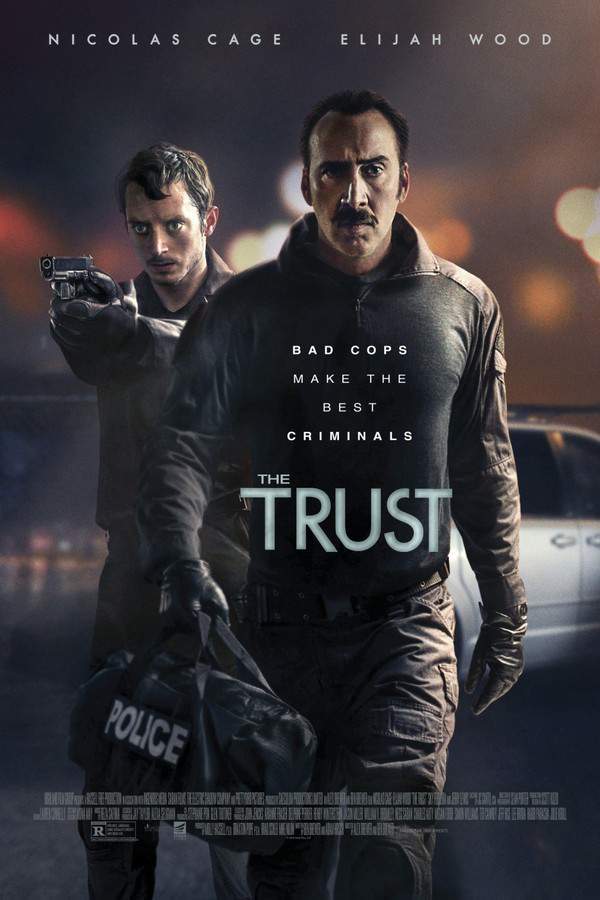
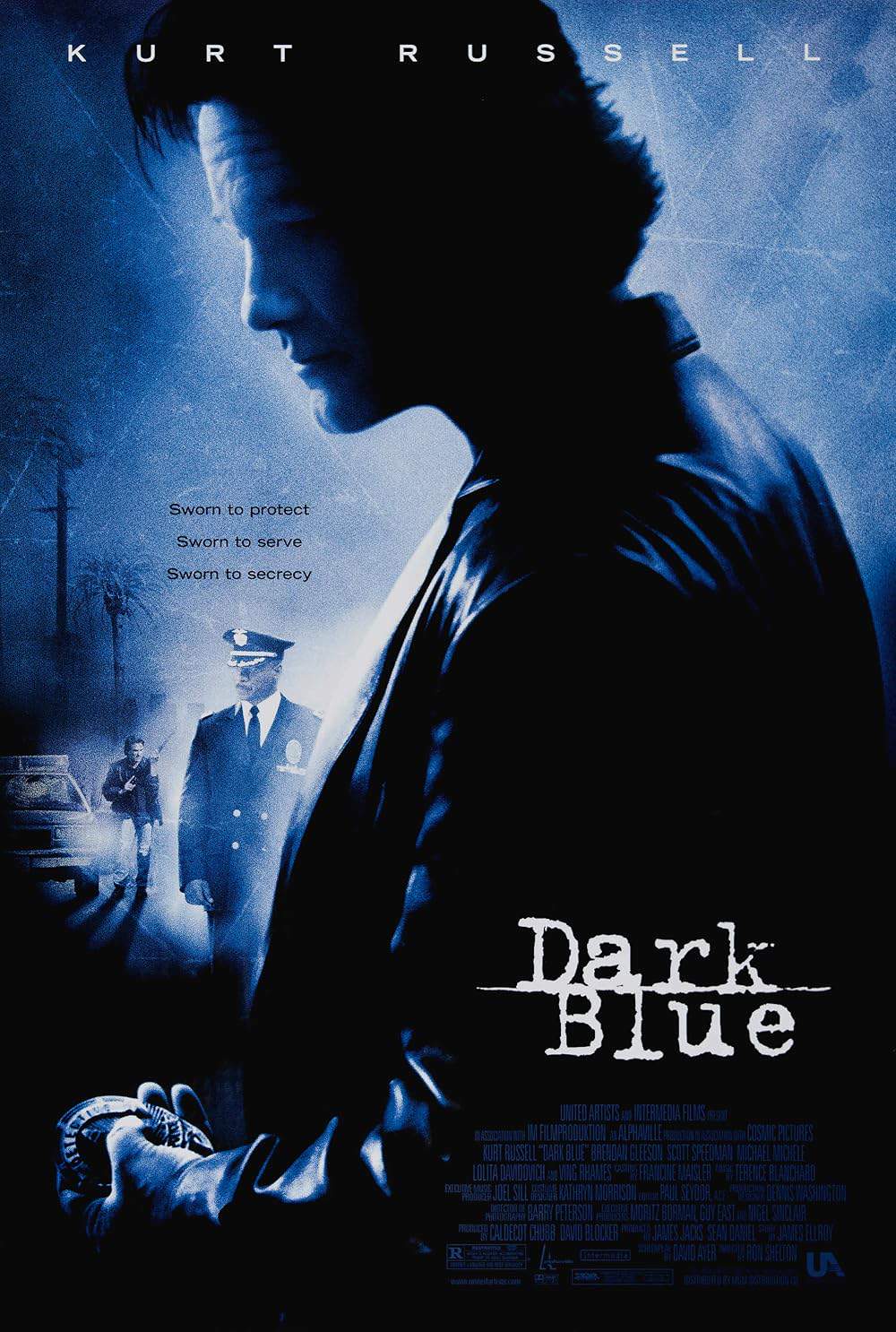
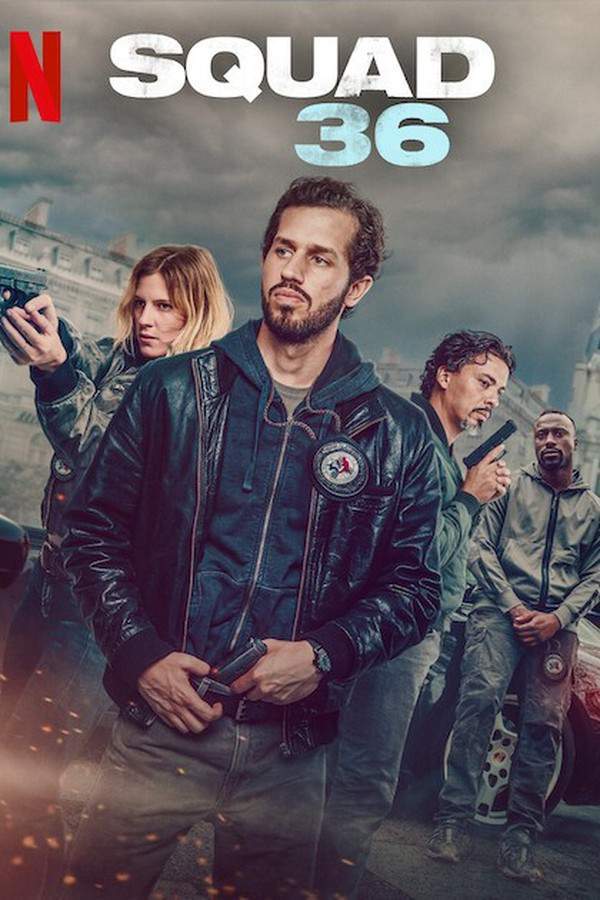
Moral Compromise Thrillers like Paayum Puli
When justice fails, dedicated officers take justice into their own hands.Movies like Paayum Puli where dedicated police officers resort to unofficial methods to fight crime. If you liked the grim conflict between duty and family in Paayum Puli, you'll find similar stories of moral compromise and heavy justice in these tense action dramas.








Narrative Summary
The narrative pattern follows a principled protagonist whose commitment to justice is tested by an overwhelming threat. Faced with systemic failure or personal stakes, they adopt the tactics of their enemies, leading to an internal conflict and an ending where order is restored but at a significant moral or emotional cost.
Why These Movies?
These movies are grouped by their central theme of ethical descent for a greater good. They share a dark, tense tone, high emotional weight stemming from personal sacrifice, and a focus on the psychological burden of operating outside the law to serve it.
Family Betrayal Crime Dramas like Paayum Puli
The most dangerous enemy is the one you call family.If you liked the shocking twist of family betrayal in Paayum Puli, explore these crime thrillers and dramas. Discover movies where police investigations uncover a loved one as the villain, leading to bittersweet resolutions and stories filled with tension, sadness, and moral anguish.











Narrative Summary
These narratives often begin as straightforward procedials but pivot into intense personal tragedies. The discovery of familial guilt creates a dual conflict: an external battle against crime and an internal battle against heartbreak and duty. The climax typically forces a violent confrontation with profound emotional consequences, resulting in a bittersweet or bleak resolution.
Why These Movies?
Movies in this thread are united by the core plot device of familial betrayal within a crime framework. They share a heavy emotional weight, high tension, dark tone, and a focus on the psychological devastation of the protagonist, making the stakes intensely personal rather than just professional.
Unlock the Full Story of Paayum Puli
Don't stop at just watching — explore Paayum Puli in full detail. From the complete plot summary and scene-by-scene timeline to character breakdowns, thematic analysis, and a deep dive into the ending — every page helps you truly understand what Paayum Puli is all about. Plus, discover what's next after the movie.
Paayum Puli Timeline
Track the full timeline of Paayum Puli with every major event arranged chronologically. Perfect for decoding non-linear storytelling, flashbacks, or parallel narratives with a clear scene-by-scene breakdown.

Characters, Settings & Themes in Paayum Puli
Discover the characters, locations, and core themes that shape Paayum Puli. Get insights into symbolic elements, setting significance, and deeper narrative meaning — ideal for thematic analysis and movie breakdowns.