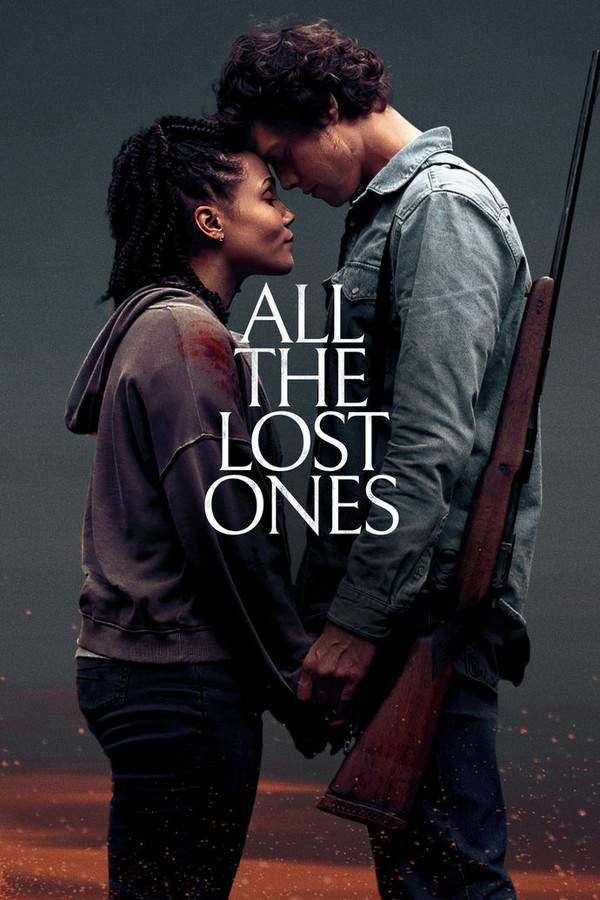
Unique, portrayed by Shameik Moore, has just wrapped a tough stretch in upstate New York and returns to Karenville, Ohio with a simple plan: move in with his cousin, claim his share of the family home, and seek a quiet life. What he finds instead is a place that feels more like a graveyard than a refuge. The town operates as a notorious sundown trap, ruled by a racist sheriff named McLeoud, who runs a chilling side business: harvesting the organs of Black men. His son Jimmy leads a crew of night-walking troublemakers who roam the streets with baseball bats, preying on anyone who’s alone after dark. The danger isn’t vague—the disappearance of a local star athlete serves as the first loud red flag, hinting at a larger, more insidious conspiracy where a town doctor steps in after the violence to harvest what the clinic calls “the merchandise.”
From the start, Unique tries to blend into the background, doing what he can to shield his family from the town’s deadly rules. He grows closer to a local woman who is close to Ramsee’s circle, and she suggests there might be a way to live without constantly looking over his shoulder—a version of life where danger isn’t the daily soundtrack. Yet the fragile sense of safety is shattered when the syndicate’s reach extends to his cousin, and then to the entire family. With both cousins gone, Unique faces a choice that can’t wait for the wheels of justice: there’s no trustworthy sheriff willing to take a report that could topple a town’s darkest secret. The parole system, personified by Officer Beam, becomes entangled in the town’s cover-up, raising the stakes as he begins to understand just how deeply the corruption runs.
What follows is a reckoning that leans on a different kind of discipline. Unique taps into his military training, turning from a man who hid in the shadows to a hunter who stalks the source of the town’s fear. He won’t run any longer; he’s ready to take the fight to the enemy. The confrontation moves to Jimmy’s hideout, located in the Local town members-only clubhouse, which Unique uses as a makeshift slaughterhouse, systematically cutting through the gang until only Jimmy remains and the night seems to close in around him. The surrounding chaos—deputies posted outside, the parole officer weighing the odds, and a sheriff who has spent years burying evidence—creates a tense, claustrophobic atmosphere. Unique recognizes that walking out alive isn’t an option, so he resolves to finish what he started on his own terms.
As the final act unfolds, the plan tightens into a stark, brutal culmination. The perimeter tightens and the truth becomes clear: the sheriff isn’t there to arrest a lawbreaker, but to erase a trail. With the building sealed and the stakes higher than ever, Unique makes a choice that redefines his own fate. The last shot comes from inside, and in that moment, the threat in Jimmy is eliminated—along with the sheriff’s legacy and the town’s long shadow over Unique’s life.
This story balances a raw, unflinching portrayal of danger with a focused, character-driven pursuit of justice. It captures the strain of returning from confinement to a place that refuses to let go of its old ways, while also tracing a path of resilience and survival through the lens of someone who has trained for every possible outcome. The tension is relentless, the stakes personal, and the resolution is earned through a combination of grit, strategy, and a refusal to be erased by a community built on fear. The result is a stark meditation on power, race, and the cost of choosing to stand up when the cost of silence is already paid in full.