Plot Explained Spoilers guaranteed!
Plot Explained

Browse by genre

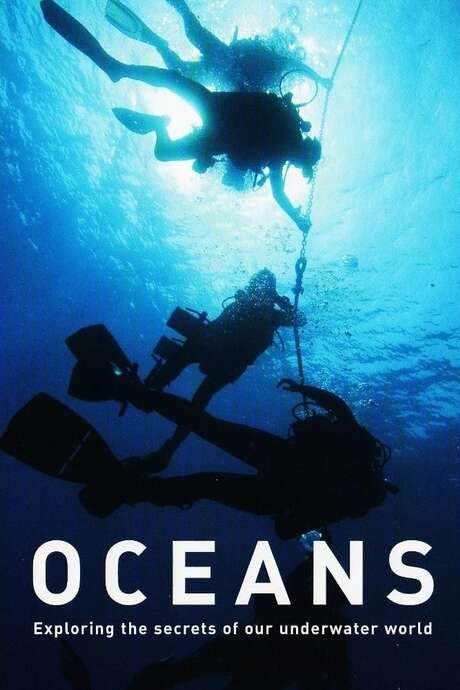
Oceans (1000) movie poster

Timeline

Oceans (1000) Timeline Explained – Every Event in Order

Release, runtime and language
1000 · 480 mins · English
Loading streaming availability…
Directed by
Matthew Gyves
Starring
Mark Halliley, Philippe Cousteau Jr., Paul Rose, Lucy Blue, Tooni Mahto
Budget
$80M

Four marine experts journey into the planet’s greatest wilderness—the oceans—uncovering hidden stories through archaeology, geology, marine biology and anthropology. The eight‑part BBC Two series explains the state of Earth’s seas, their past, present and future, and features Paul Rose’s BBC News report on the team’s scientific observations.

On this page (7)
  1. 1 Where to watch
  2. 2 Events in order (12)
  3. 3 Timeline questions answered
  4. 4 Movie threads
  5. 5 Movies like Oceans
  6. 6 Categories
  7. 7 Every angle
Loading streaming availability…

12 events in order · contains spoilers

Oceans Timeline: Events in Chronological Order

Every key event of Oceans (1000) in order, scene by scene, with when and where it takes place. Use it to untangle flashbacks, time jumps and parallel storylines, to refresh your memory before the sequel or to find the exact scene you are thinking of.

  1. Beach awakening

    The film opens on a sunlit beach where children run toward the sea and a curious boy wonders what the ocean really is. This moment hints at the vast world just beyond the shore and sets the stage for the film's interconnected life. The tone blends wonder with a call to explore.

    When
    Day
    Where
    Beach
  2. Galapagos shore life

    A glimpse of the Galapagos reveals a clan of marine iguanas and horseshoe crabs navigating the shoreline. The scene introduces the keen variety of life that thrives at this edge of land and sea. It foreshadows the broader global habitats shown later.

    When
    Day
    Where
    Galapagos
  3. Night rocket surprise

    At night, an Ariane rocket launches and startles both coastal clans. Its ascent arcs into space, linking the ocean to a wider universe. The moment broadens the film’s sense of scale.

    When
    Night
    Where
    Galapagos coast
  4. Deep trench life begins

    The narrative moves to a deep trench where larvae of sea urchins and eggs of crustaceans lie in wait. These early life stages remind viewers that survival begins long before the visible adult forms. The camera emphasizes the quiet importance of the deep sea.

    Where
    Ocean trench
  5. Moon jellyfish swarm

    A moon jellyfish swarm drifts through the water, moving with the currents in a striking display of delicate, translucent bodies. The scene highlights a floating tier of ocean life that many viewers rarely notice. Their presence signals the constant cycles of life in the sea.

    Where
    Open ocean
  6. Daytime jellyfish drift

    During the day another type of jellyfish floats along the current, adding color and motion to the surface world. The juxtaposition with other creatures emphasizes the ocean's rich diversity. The jellyfish move in a serene yet essential part of the ecosystem.

    When
    Day
    Where
    Open ocean
  7. South Africa coastal feast

    Along the coast of South Africa a hungry mix of dolphins, gannets, bronze whaler sharks, and brydes whales hunt sardines. The coordinated chase demonstrates the complexity of marine predation in a single landscape. The sardine shoal becomes a focal point of the ecosystem.

    When
    Day
    Where
    South Africa coast
  8. Manta rays join the hunt

    After the initial pursuit, manta rays move in to snatch some sardines, showing how larger gentle swimmers participate in the same feeding event. The addition of manta rays broadens the visual narrative of the ocean's food web. The moment blends spectacle with ecological function.

    When
    Day
    Where
    South Africa coast
  9. Blanket octopus glides

    A blanket octopus swims quietly along the current, offering a contrast to the bustle of the feeding frenzy nearby. Its solitary glide highlights the ocean's quieter corners. The scene reinforces the diversity of life strategies in the sea.

    When
    Day
    Where
    Open sea
  10. Sardines and shore predators

    Sardines form odd shapes as sea lions rest on the beach and predators emerge from the shallows. Some sea lions fall to a great white shark and a killer whale, illustrating the harsh balance of plenty and peril. The sequence ties abundance to risk across coastal waters.

    When
    Day
    Where
    Coastal waters
  11. Blue whale feast

    In deeper waters a blue whale feeds on krill, its massive mouth shaping a slow, ocean wide feast. The scene underscores the scale of life in the open sea and connects micro and macro levels of the ecosystem. It sits alongside the surface level action to paint a complete panorama.

    When
    Day
    Where
    Deep waters
  12. Polar exploration and closing thought

    The film shifts to the Arctic and Antarctica where divers discover the ocean and one even swims with a great white shark. The polar sequences juxtapose extremes with earlier tropical imagery, highlighting the ocean's global reach. The narrator closes with the line that we should ask what we are, not what the ocean is.

    Where
    Arctic and Antarctica

Last updated: December 04, 2025 at 15:32

Was this helpful?

Timeline questions answered

Oceans Timeline Explained: Your Questions Answered

When does it happen, and why in that order? The questions people ask about the chronology of Oceans (1000): time jumps, flashbacks, cause and effect between scenes and the correct order of events, each answered with spoilers.

Q1

Why does the documentary show a rocket launching from the Galapagos?

The Ariane rocket launch serves as a visual metaphor connecting Earth to the cosmos, showing how human activity reaches even the most remote coastlines. The moment startles the marine iguanas and horseshoe crabs on the shore, reinforcing the documentary's theme that no place on Earth is truly untouched by human civilization. This broadens the film's scale from a nature documentary to a reflection on humanity's place in the natural world.

  • galapagos
  • rocket launch
  • human impact
  • marine iguanas
  • horseshoe crabs
Q2

Why is the sardine run in South Africa significant?

The sardine run is one of the ocean's most spectacular feeding events, where dolphins, gannets, bronze whaler sharks, bryde's whales, and manta rays all converge to hunt massive schools of sardines. This event demonstrates the interconnectedness of marine food webs, showing how different predators rely on the same prey species. The sardines form unusual twisting patterns as a defense mechanism, creating one of the most visually dramatic predator-prey interactions filmed.

Foreshadowing: Earlier scenes establish the diversity of ocean life that will later converge on this feeding event.

  • sardine run
  • south africa
  • dolphins
  • sharks
  • whales
  • predation
  • ecosystem
Q3

Why do baby sea turtles face so many dangers on their way to the ocean?

Baby sea turtles hatched on the beach must immediately navigate a gauntlet of predators to reach the water. frigatebirds circle overhead waiting to snatch them, while other predators lurk along the shoreline. Only one turtle typically survives this initial journey, illustrating the extreme mortality rate facing marine species at birth. This sequence highlights the delicate start of life in the ocean and the many challenges marine creatures must overcome to survive.

  • baby sea turtles
  • predation
  • frigatebirds
  • survival
  • hatching
Q4

What does the narrator mean when he says we should ask what exactly are we?

The closing line shifts the documentary's focus from understanding the ocean to reflecting on humanity's relationship with it. Rather than viewing the ocean as something separate from us, the narrator suggests we should examine our own role and responsibility as part of the marine ecosystem. This philosophical closing invites viewers to consider their impact on ocean health rather than simply observing it as distant observers.

  • ending
  • humanity
  • responsibility
  • philosophy
  • ocean conservation
Q5

Why does the documentary include footage of fishing nets catching marine life?

The fishing industry sequence shows the stark reality of human impact on ocean ecosystems. The documentary shifts from celebrating ocean life to exposing how commercial fishing threatens many species, including tuna, whale sharks, sea turtles, and sunfish. This deliberate contrast between natural beauty and human-caused destruction creates a call to awareness about overfishing and marine conservation.

Foreshadowing: Earlier scenes of healthy predator-prey relationships set up this contrast with human exploitation.

  • fishing industry
  • overfishing
  • bycatch
  • human impact
  • conservation
Q6

Why does the documentary show ocean trash and debris?

Satellite imagery reveals trash drifting across the ocean, and underwater debris threatens fur seal habitats, exposing another major threat to marine ecosystems beyond overfishing. This section connects the documentary's natural observations to environmental concerns, showing that pollution reaches even remote ocean regions. The visual of debris floating in the ocean serves as a stark reminder that human waste has become part of the marine environment.

  • ocean pollution
  • debris
  • plastic
  • marine debris
  • environmental threat
Q7

Why does the documentary include polar ocean exploration in the Arctic and Antarctica?

The polar sequences expand the documentary's scope from tropical and temperate waters to show that ocean life thrives even in extreme cold. A diver swimming with a great white shark in these icy waters demonstrates the unpredictability and raw beauty of marine life in extreme environments. By including both poles, the film emphasizes the ocean's global nature and the creatures that have adapted to completely different conditions.

  • arctic
  • antarctica
  • polar oceans
  • great white shark
  • diving
  • extreme environments
Q8

Why is the blue whale feeding scene important?

The blue whale feeding on krill in deep waters illustrates the immense scale of ocean life and the massive energy requirements of the largest animal on Earth. This scene connects the microscopic krill to one of the largest creatures, showing how the ocean's food chain operates from tiny organisms to massive mammals. It demonstrates the delicate balance that sustains even the ocean's giants.

  • blue whale
  • krill
  • feeding
  • megafauna
  • ocean food chain
Q9

Why does the documentary show so many species migrating across the oceans?

The documentary showcases massive migrations of humpback whales, blue whales, sunfish, blue sharks, sperm whales, whale sharks, spinner dolphins, yellowfin tuna, and manta rays traveling vast distances. These migrations demonstrate how oceans are connected ecosystems where creatures travel thousands of miles for feeding, breeding, and survival. The sequences emphasize that marine life operates on a global scale beyond individual habitats.

  • migration
  • humpback whales
  • whale sharks
  • manta rays
  • ocean connectivity
Q10

Why do sea lions become prey to sharks and killer whales?

The scene where sea lions return from hunting only to face predation from great white sharks and killer whales illustrates the constant cycle of predator and prey in ocean ecosystems. Even skilled hunters become vulnerable when they enter the water, showing that the ocean maintains a harsh balance between plenty and peril. This reinforces the documentary's message that marine life exists in a delicate equilibrium.

Foreshadowing: Earlier scenes show sea lions basking peacefully, creating contrast with this predation event.

  • sea lions
  • great white shark
  • killer orca
  • predation
  • food chain
Q11

Why does the documentary open with children running toward the ocean?

The opening scene features a curious boy on a sunlit beach wondering what the ocean truly is, setting the tone for the entire documentary as a journey of discovery. This human element connects viewers emotionally to the marine world and establishes the documentary's exploratory purpose. The children's wonder mirrors the documentary's goal of revealing the hidden stories of the ocean to viewers.

  • opening scene
  • children
  • curiosity
  • beach
  • wonder
Q12

Why does the documentary show life in deep ocean trenches?

The deep trench sequence reveals the microscopic beginning of ocean life, showing sea urchin larvae and crustacean eggs drifting in cold currents. This emphasizes that survival begins long before creatures reach their visible adult forms, highlighting the hidden stages of marine life. The deep sea serves as the nursery of the ocean, where the next generation of marine creatures begins their journey.

  • deep ocean trench
  • larvae
  • crustacean eggs
  • microscopic life
  • ocean nursery

Movie threads

More Movies Like Oceans, by Mood & Story

Curated lists built around what makes Oceans tick: the same mood, the same kind of story or the same emotional payoff. Each list explains why these movies belong together.

Awe-inspiring nature documentaries like Oceans

Visual spectacles that inspire wonder and contemplation for our planet's ecosystems. For viewers who enjoyed the wonder and education of Oceans, this section highlights movies like it: stunning nature documentaries that explore diverse ecosystems. These films share a similar contemplative and wondrous mood, offering serene yet educational journeys into the natural world.

  • awe-inspiring
  • educational
  • serene
  • wondrous
  • contemplative
  • visual spectacle
  • Tone: neutral, wondrous, contemplative
  • Pacing: steady, observational
Why these movies?

The story pattern: These documentaries typically follow an exploratory structure, moving through different environments or focusing on various species to build a comprehensive portrait of a natural system. The narrative is driven by discovery and observation rather than a traditional plot, aiming to inform and inspire awe in the viewer.

Why they belong together: Movies are grouped here because they share a core purpose: to visually and intellectually immerse the audience in the natural world, fostering a sense of wonder and often carrying an undercurrent of environmental consciousness. They prioritize spectacle and education in equal measure.

Movies about human impact on nature like Oceans

Thoughtful examinations of humanity's complex relationship with the environment. If the contemplative and sobering reflection on environmental issues in Oceans resonated with you, this section features similar movies. These stories explore the complex theme of human impact on nature, often with an ambiguous or thought-provoking conclusion, much like Oceans.

  • sobering
  • contemplative
  • educational
  • thought-provoking
  • environmental
  • reflective
  • Tone: neutral, sobering, contemplative
  • Pacing: steady, reflective
Why these movies?

The story pattern: The narrative pattern often presents a duality: showcasing the inherent beauty or value of a system before examining the pressures placed upon it. The journey is one of realization, moving from pure wonder to a more nuanced understanding that incorporates challenges, leading to an ambiguous or questioning ending.

Why they belong together: These films are united by their focus on the theme of human impact. They share a specific emotional mix—beginning with wonder and evolving into a more sobering, contemplative state. The tone remains measured and the pacing steady, allowing the weight of the subject matter to settle with the audience.

If you liked this

Movies Like Oceans

Similar movies to Oceans: the same genre, themes or kind of story. Each one comes with its own plot summary, timeline and ending explained.

Browse all movie summaries

Categories

Movie Lists Featuring Oceans

Oceans appears in these hand-built movie categories. Each one groups movies by a specific mood, theme or story type, with their plot summaries and endings explained.

View all movie categories

Every angle

Oceans (1000) Explained: Plot, Timeline & Characters

Everything about Oceans in one place: what happens in the plot summary, the timeline in chronological order, the characters and meaning and a spoiler-free summary. What's After the Movie adds the cast, box office and post-credit scenes.

Coming soon on iOS and Android

The Plot Explained Movie Summary App

Plot summaries, endings explained and timelines on your phone. Catch up on any movie in minutes, save your favorites and never miss a twist again.

Be the first to know when we launch. Your email stays private, always.

Learn more about the app