Plot Explained Spoilers guaranteed!
Plot Explained

Browse by genre

None Shall Escape (1944) movie poster

Characters & Themes

None Shall Escape (1944) Characters, Setting & Themes Explained

Release, runtime and language
1944 · 85 mins · English
Loading streaming availability…
Directed by
André De Toth
Starring
Alexander Knox, Trevor Bardette, Janet Chapman, Erik Rolf, Henry Travers, Marsha Hunt

NAZIS! QUISLINGS! WOMEN KILLERS! FIRST COMPLETE STORY OF THE TRIAL OF THE NAZI WAR CRIMINALS! Through flashbacks, the story of a Nazi war criminal is exposed.

On this page (8)
  1. 1 Where to watch
  2. 2 Characters explained (10)
  3. 3 Where & when it takes place
  4. 4 Themes & meaning (4)
  5. 5 Character & meaning questions
  6. 6 Movie threads
  7. 7 Movies like None Shall Escape
  8. 8 Every angle
Loading streaming availability…

10 main characters · contains spoilers

None Shall Escape Characters Explained: Who Is Who

The main characters of None Shall Escape (1944), heroes and villains: what drives them, how they change over the course of the story and what each of them reveals about the film's bigger ideas.

  • Wilhelm Grimm (Alexander Knox)

    A war-worn former teacher who returns to Lidzbark, becomes bitter about Germany’s defeat, and gradually rises to a ruthless Nazi leader. His disdain for the locals and his manipulative, calculating nature drive the film’s central conflict and moral decay.

    • ⚔️ Antagonist
    • 🧭 Ambition
    • 🪖 War-criminal
  • Marja Pacierkowski (Marsha Hunt)

    A Polish woman linked to Grimm before the war, he resents her past and continues to exert control over her life. She embodies resilience and moral fortitude in the face of Grimm’s brutality and political manipulation.

    • 💑 Love
    • 🧭 Moral strength
    • 🕊️ Resilience
  • Anna

    A young girl involved in a traumatic incident that becomes a catalyst for the film’s revelations and legal aftermath.

    • 🧒 Minor
    • 🪞 Catalyst
    • 🕯️ Victim
  • Jan Stys

    played by Trevor Bardette

    A local man whose actions and the ensuing controversy contribute to the trial’s backstory and illuminate the town’s moral ambiguities.

    • ⚖️ Accusation & tension
    • 🧭 Morality
    • 🧩 Clue
  • Willie Grimm

    played by Richard Crane

    Wilhelm’s nephew, raised under his shadow, who embodies loyalty and later moral struggle; his fate underscores the personal costs of tyranny.

    • 🧷 Loyalty
    • 🕊️ Sacrifice
    • ⚔️ Tragedy
  • Janina Paeierkowski

    played by Dorothy Morris

    Marja’s daughter, who is coerced into harsh roles during the occupation and ultimately becomes a victim of the regime.

    • 👧 Daughter
    • 🕊️ Victim
    • 🪖 War tragedy
  • Karl Grimm (Erik Rolf)

    Wilhelm’s brother, who despises the Nazis and attempts to resist, ultimately forced to flee; his resistance highlights the family’s divided loyalties.

    • 🧭 Reluctant ally
    • 🕯️ Moral conflict
    • 🏃 Escape
  • Rabbi David Levin

    played by Richard Hale

    A religious leader who recognizes the danger of the crowd’s actions and tries to guide them toward courage and conscience, ultimately paying a fatal price.

    • 🕍 Spiritual leader
    • ⚖️ Morality
    • 🗡️ Sacrifice
  • Father Warecki

    played by Henry Travers

    A priest who bears witness to the unfolding events and shares final words with Grimm at the end, representing moral clarity amidst chaos.

    • 🙏 Clergy
    • 🗯️ Moral witness
    • 🕯️ Community
  • Stys

    played by Art Smith

    A member of the local community tied to the Stys family; his presence helps reveal the social dynamics surrounding the trial.

    • 👤 Townsman
    • 🕯️ Witness
    • 🧭 Clue

Last updated: October 04, 2025 at 17:10

Was this helpful?

Setting

Where and When Does None Shall Escape Take Place?

The setting of None Shall Escape (1944): the year and time period, the places and locations, and how they shape the characters, the mood and the tension of the story.

Time period

1920s–1940s

The narrative spans from the aftermath of World War I through the rise of the Nazi regime and into World War II. It tracks Wilhelm Grimm’s journey from a returned teacher to a brutal Nazi official, and how the town’s fate becomes entwined with global conflict. The period is defined by shifting loyalties, mass violence, and the erosion of civil norms under occupation.

Location

Lidzbark, now part of Poland

The story centers on Lidzbark, a small German village that sits at the crossroads of history between the world wars. It is portrayed as a tight-knit community where teachers, priests, and families intersect with the larger political upheavals of the era. The village becomes the site of brutal occupation and moral testing as the Nazi era unfolds.

  • 🏘️ Village
  • 🌍 Central Europe
  • 🕰️ Interwar

Last updated: October 04, 2025 at 17:10

Was this helpful?

4 major themes

None Shall Escape Meaning: Themes & Message Explained

What is None Shall Escape (1944) really about? The emotional, social and philosophical themes the film keeps returning to, its symbolism and the message beneath the surface.

  • Justice and Accountability

    The courtroom frames the central question of who bears responsibility for Wilhelm Grimm’s crimes. Flashbacks reveal the choices that shaped his path, complicating simple judgments of guilt. The judge’s decision to let the people decide Grimm’s fate highlights the tension between law and morality. The film suggests accountability can be elusive when public sentiment and power politics interfere.

  • Power and Corruption

    Grimm’s ascent from a returned village teacher to Reich Commissioner demonstrates how power can corrupt and corrupt others around it. He uses fear, manipulation, and brutality to bend communities to his will, including his own family. The story shows how ideological fanaticism overrides humanity and breeds further violence. The atrocities escalate as personal ambition collides with political tyranny.

  • Memory and Guilt

    The narrative unfolds through witness recollections that peel back layers of Grimm’s past. Each flashback hints at how early actions foreshadow later cruelties, blurring the line between memory and judgment. The film probes whether memory can redeem or condemn, and how guilt travels through generations. The past continually intrudes on the present, forcing characters to confront what they witnessed or suppressed.

  • Occupation and Resistance

    Under occupation, Grimm enforces control over education, culture, and daily life, signaling the brutal reach of the regime. The burning of books and coercion of townspeople illustrate the suppression of dissent and the erasure of culture. The rabbi’s attempt to ignite resistance and the crowd’s complicity reveal the dangers of collective passivity. Yet small acts of defiance show the fragile ember of humanity amid oppression.

Last updated: October 04, 2025 at 17:10

Was this helpful?

Character & theme questions

None Shall Escape Characters & Meaning: Your Questions Answered

The questions people ask about None Shall Escape (1944): who the characters really are, their relationships, what the symbols mean, where it takes place and what the movie is really about. Each answer contains spoilers.

Q1

Where is None Shall Escape set?

The film takes place in Lidzbark, a small German village now located in Poland. This setting serves as a microcosm of the broader political upheavals between the world wars, where a tight-knit community of teachers, priests, and families becomes entangled with the brutality of Nazi occupation.

Foreshadowing: The village's location at a crossroads of history establishes it as a place where ordinary people face extraordinary moral choices.

  • lidzbark
  • village
  • setting
  • poland
  • germany
Q2

What time period does the movie cover?

The narrative spans from the aftermath of World War I through the rise of the Nazi regime and into World War II, covering approximately two decades from the 1920s to the 1940s.

Foreshadowing: This extended time period allows the film to show how post-WWI bitterness provided fertile ground for fascist ideology to take root.

  • time period
  • 1920s
  • 1940s
  • interwar
  • wwii
  • history
Q3

Who is Wilhelm Grimm in the story?

Wilhelm Grimm is a war-worn former teacher who returns to Lidzbark after World War I, embittered by Germany's defeat. He gradually rises to become a ruthless Nazi official (Reich Commissioner), transforming from a local educator into a brutal occupying force who uses fear, manipulation, and violence to control the town.

Foreshadowing: His initial bitterness and disdain for the locals plant seeds for his later transformation into a tyrant.

  • wilhelm grimm
  • nazi
  • reich commissioner
  • teacher
  • villain
Q4

What are the main themes of None Shall Escape?

The film explores four major themes: Justice and Accountability (who bears responsibility for war crimes), Power and Corruption (how ideology corrupts), Memory and Guilt (how the past shapes the present), and Occupation and Resistance (the brutal reach of fascist rule and small acts of defiance).

Foreshadowing: These themes interweave throughout the flashback structure, building a portrait of moral decay under totalitarian rule.

  • themes
  • justice
  • power
  • corruption
  • memory
  • guilt
  • occupation
  • resistance
Q5

How does the Nazi occupation affect Lidzbark?

Under Grimm's rule, the occupation extends beyond military control to suppress education, culture, and daily life. Books are burned, dissent is erased, and townspeople are coerced into complicity. The rabbi attempts to spark resistance while the crowd's passivity enables atrocities, though small acts of defiance emerge amid the oppression.

Foreshadowing: The suppression of culture and dissent foreshadows the film's depiction of moral collapse across the community.

  • occupation
  • nazi
  • resistance
  • books
  • burning
  • suppression
Q6

Who is Marja Pacierkowski?

Marja Pacierkowski is a Polish woman who had a relationship with Wilhelm Grimm before the war. After the occupation begins, she becomes a target of Grimm's resentment and control. She embodies resilience and moral fortitude as she endures the brutality of the regime and political manipulation.

Foreshadowing: Her pre-war connection to Grimm makes her position particularly dangerous and complex under his rule.

  • marja pacierkowski
  • polish
  • resilience
  • occupation
Q7

What does the film say about justice and accountability?

The courtroom frames the central question of who bears responsibility for Grimm's crimes. Flashbacks reveal the choices that shaped his path, complicating simple judgments of guilt. The judge allowing the people to decide Grimm's fate highlights the tension between law and morality, suggesting accountability can be elusive when public sentiment and power politics interfere.

Foreshadowing: The film's ambiguous ending, where the verdict remains unresolved, reinforces this theme of the uneasy relationship between legal justice and visceral vengeance.

  • justice
  • accountability
  • trial
  • verdict
  • law
  • morality
Q8

How does the film depict power and corruption?

Grimm's ascent from village teacher to Reich Commissioner demonstrates how power corrupts both the individual and those around him. He uses fear and manipulation to bend the community to his will, including his own family. The story shows how ideological fanaticism overrides humanity and breeds further violence, with atrocities escalating as personal ambition collides with political tyranny.

Foreshadowing: His manipulation of family members like his nephew Willie illustrates how corruption spreads beyond the individual.

  • power
  • corruption
  • nazism
  • tyranny
  • fanaticism
Q9

Who is Rabbi David Levin in the story?

Rabbi David Levin is a religious leader in Lidzbark who recognizes the danger posed by the crowd's actions and tries to guide the townspeople toward courage and conscience. He represents the moral voice urging resistance against oppression, ultimately paying a fatal price for his attempts to ignite defiance.

Foreshadowing: His fate underscores the film's theme that speaking truth to power carries grave consequences under totalitarian rule.

  • rabbi david levin
  • resistance
  • religion
  • moral voice
Q10

What role does memory and guilt play in the movie?

The narrative unfolds through witness recollections that peel back layers of Grimm's past, with each flashback hinting at how early actions foreshadow later cruelties. The film probes whether memory can redeem or condemn, and how guilt travels through generations. The past continually intrudes on the present, forcing characters to confront what they witnessed or suppressed.

Foreshadowing: This layered memory structure creates a courtroom drama where the truth emerges gradually through conflicting testimonies.

  • memory
  • guilt
  • flashback
  • testimony
  • past
  • generations
Q11

Why does the film have an ambiguous ending?

The film's ambiguous ending, where the verdict on Grimm is left unresolved, deliberately reinforces the central theme of the uneasy relationship between legal justice and visceral vengeance. By challenging viewers to confront the nature of accountability, the film suggests that true justice may be more complex than a courtroom verdict can provide.

Foreshadowing: The unresolved ending reflects the film's broader meditation on whether traditional justice can ever adequately address the scale of atrocities committed under totalitarian regimes.

  • ambiguous ending
  • verdict
  • justice
  • accountability

Movie threads

More Movies Like None Shall Escape, by Mood & Story

Curated lists built around what makes None Shall Escape tick: the same mood, the same kind of story or the same emotional payoff. Each list explains why these movies belong together.

Post-war moral reckoning movies like None Shall Escape

Stories that dissect the aftermath of atrocities through the lens of justice. If you liked the courtroom framework and moral examination in None Shall Escape, explore these other movies about war crime trials and post-conflict accountability. These similar war dramas focus on the difficult pursuit of justice and the grim legacy of atrocities.

  • grim
  • somber
  • anxious
  • morally complex
  • reflective
  • hopeless
  • Tone: dark, somber, morally complex
  • Pacing: steady, reflective
Why these movies?

The story pattern: These narratives often use a trial or investigation as a structural device to unpack past horrors through flashbacks. The journey is one of uncovering truth, exposing moral decay, and questioning whether formal justice can adequately address profound human suffering. Character arcs often involve witnesses, perpetrators, and seekers of justice grappling with irreversible damage.

Why they belong together: Movies in this thread are united by their focus on accountability after catastrophic events. They share a dark, heavy tone, a steady pacing that builds dread, and a deep engagement with themes of guilt, memory, and the complex relationship between law and vengeance.

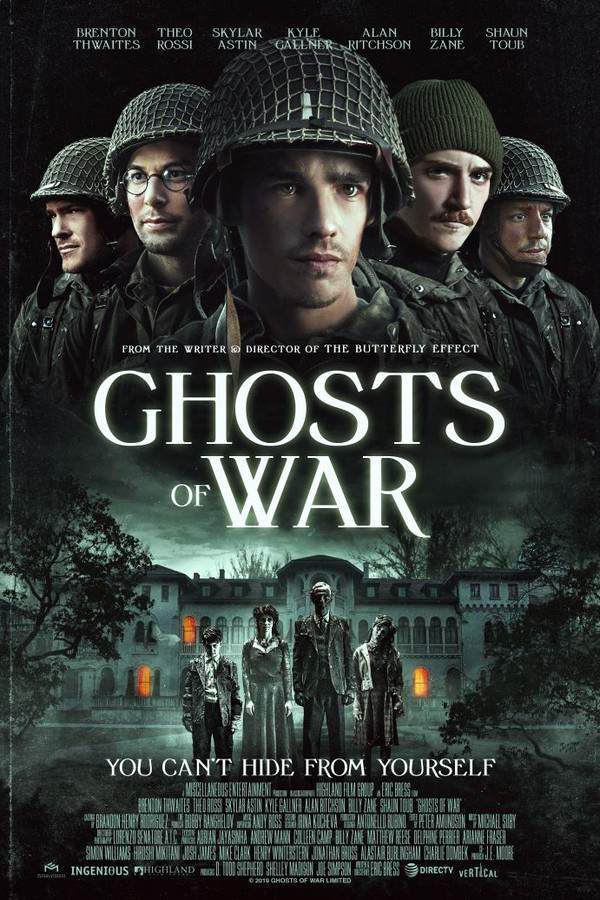
Movies about descent into evil like None Shall Escape

Character studies of a person's systematic moral collapse into cruelty. For viewers who appreciated the chilling character study in None Shall Escape, this list features similar movies about a person's moral collapse into fanaticism and cruelty. These dark dramas explore the psychology of evil and the destruction it causes.

  • brutal
  • oppressive
  • grim
  • unsettling
  • hopeless
  • psychological
  • Tone: dark, oppressive, brutal
  • Pacing: steady, relentless
Why these movies?

The story pattern: The narrative follows a protagonist's gradual or rapid embrace of a destructive ideology, charting their increasing brutality and loss of humanity. The structure often shows key moments of choice that seal their fate, leading to acts of violence and betrayal against those they once knew. The ending typically offers no redemption, only the consequences of their choices.

Why they belong together: These films are grouped by their central focus on a character's psychological and moral unraveling. They share a high intensity, a dark and oppressive tone, heavy emotional weight, and a commitment to unflinchingly portraying the mechanics of evil without sensationalism.

If you liked this

Movies Like None Shall Escape

Similar movies to None Shall Escape: the same genre, themes or kind of story. Each one comes with its own plot summary, timeline and ending explained.

Browse all movie summaries

Every angle

None Shall Escape (1944) Explained: Plot, Timeline & Characters

Everything about None Shall Escape in one place: what happens in the plot summary, the timeline in chronological order, the characters and meaning and a spoiler-free summary. What's After the Movie adds the cast, box office and post-credit scenes.

Coming soon on iOS and Android

The Plot Explained Movie Summary App

Plot summaries, endings explained and timelines on your phone. Catch up on any movie in minutes, save your favorites and never miss a twist again.

Be the first to know when we launch. Your email stays private, always.

Learn more about the app